Freshwater Sharks
Have you ever wondered if sharks live in freshwater, not just the ocean? Freshwater sharks are fascinating creatures that might surprise you.
They swim in rivers and lakes, and their behavior is unlike what you expect from typical sharks. If you think you know everything about these mysterious fish, think again. You’ll discover the truth behind freshwater sharks, their unique features, and why they matter to your ecosystem.
Keep reading—you won’t want to miss what comes next.

Credit: www.citrusreef.com
Types Of Freshwater Sharks
Freshwater sharks are fascinating fish that live in rivers, lakes, and ponds. They are not true sharks but have shark-like features. These fish are popular in aquariums and among hobbyists worldwide. Different types of freshwater sharks vary in size, color, and behavior.
This section explores common types, their looks, and where they live. Understanding these aspects helps appreciate their role in freshwater ecosystems.
Popular Species
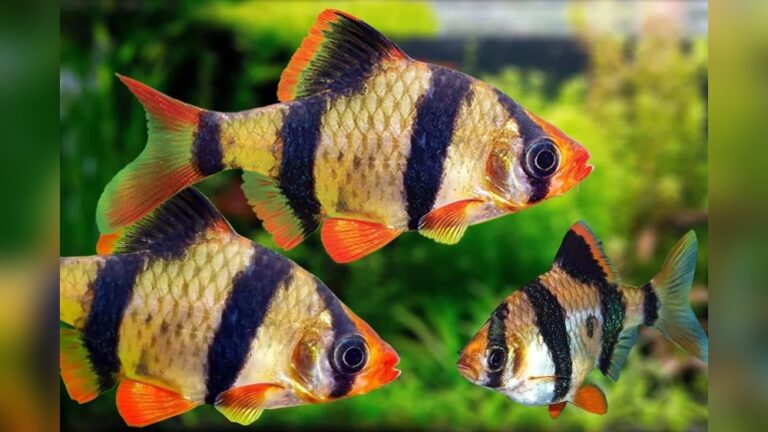
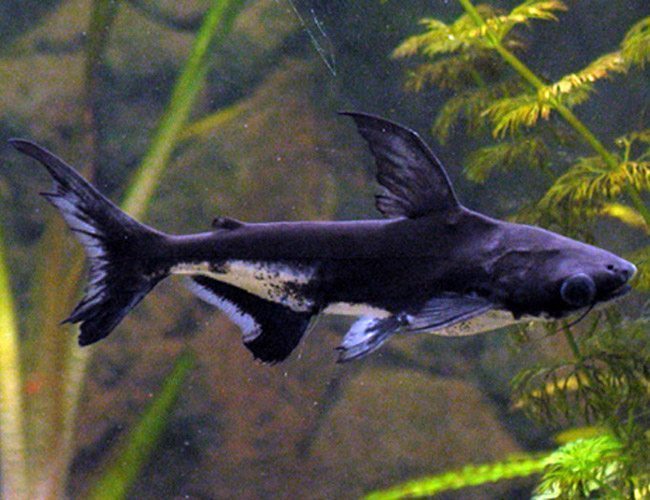
The Bala shark is one of the most well-known freshwater sharks. It has a shiny silver body and large fins. Another species is the Rainbow shark, famous for its bright colors and active nature. The Redtail shark stands out with its dark body and red tail fin. These species are favorites for many fish enthusiasts.
Physical Traits
Freshwater sharks have sleek, streamlined bodies. Their fins are often sharp and pointed, like real sharks. Most have smooth scales and long bodies. Colors vary from silver to black, sometimes with bright accents. These traits help them swim fast and avoid predators.
Habitat Range
These fish live in parts of Asia and Africa. They prefer freshwater rivers and streams with strong currents. Some species adapt well to calm lakes and ponds. Clean water and plenty of hiding spots are important for their survival. Their natural habitat shapes their behavior and diet.
Behavior Patterns
Freshwater sharks display unique behavior patterns that fascinate many fish enthusiasts. Their actions reveal much about their survival and adaptation in freshwater environments. Understanding these patterns helps in better care and observation.
Feeding Habits
Freshwater sharks are mostly carnivores. They hunt small fish, insects, and crustaceans. Their sharp teeth allow them to catch slippery prey. They prefer active hunting during dawn and dusk. These sharks use their keen senses to detect movement. They often swim near the bottom to find food. Feeding is usually quick and precise.
Social Interaction
Many freshwater sharks are social creatures. They swim in groups called schools for protection. This behavior reduces the risk of predators. Sharks communicate through body movements and fin displays. Some species show dominance by chasing others. They often establish territories in crowded tanks or rivers. Social interaction is vital for their well-being.
Breeding Practices
Freshwater sharks have interesting breeding habits. Most species lay eggs in hidden spots. Some guard their eggs until they hatch. Others release live young directly into the water. Mating involves complex rituals like circling and touching. Breeding seasons vary depending on water temperature. Proper conditions improve their chances of reproduction.
Freshwater Vs. Saltwater Sharks
Freshwater sharks and saltwater sharks live in very different places. Freshwater sharks swim in rivers and lakes. Saltwater sharks live in oceans. Both types are sharks, but they have different needs and habits. Understanding their differences helps us learn how they survive and adapt to their homes.
Key Differences
Freshwater sharks live in water with little salt. Saltwater sharks live in salty ocean water. Freshwater sharks are smaller than many ocean sharks. Saltwater sharks grow larger and have stronger bodies. Their diets also differ. Freshwater sharks eat small fish and plants. Saltwater sharks eat bigger fish and marine animals.
Adaptations
Freshwater sharks have special bodies to handle low salt levels. Their kidneys work hard to keep salt balanced. Saltwater sharks have glands to remove extra salt from their bodies. Freshwater sharks often have brighter colors to blend with river plants. Saltwater sharks have rough skin and strong fins to swim fast.
Survival Challenges
Freshwater sharks face pollution and habitat loss. Rivers and lakes change quickly, affecting their homes. Saltwater sharks face overfishing and ocean pollution. They also struggle with warming ocean waters. Both types need clean water to live and hunt. Protecting their habitats helps keep these sharks safe.
Credit: azgardens.com
Aquarium Care
Freshwater sharks need special care to thrive in home aquariums. Their unique needs differ from regular fish. Understanding these needs helps keep them healthy and happy.
Proper care starts with the right tank setup, feeding habits, and health monitoring. Each aspect affects the fish’s well-being.
Tank Requirements
Freshwater sharks need a large tank with plenty of space to swim. A minimum of 55 gallons is best for most species. Keep water clean using strong filtration. These fish prefer slightly acidic to neutral water with temperatures between 72°F and 79°F. Add hiding spots using rocks or plants. Avoid sharp decorations that can hurt them.
Diet And Nutrition
Feed freshwater sharks a mix of protein-rich foods. Offer sinking pellets or wafers designed for carnivores. Include live or frozen foods like bloodworms and brine shrimp. Feed small amounts twice daily. Avoid overfeeding to prevent water pollution and obesity. Variety in diet supports strong growth and vibrant colors.
Health Issues
Watch for signs of illness such as clamped fins or loss of appetite. Common problems include ich, fin rot, and parasites. Maintain stable water conditions to reduce stress. Quarantine new fish before adding them to the tank. Regular water tests help catch issues early. Treat diseases promptly with appropriate medication.
Conservation Status
Freshwater sharks face many challenges that threaten their survival. Their populations have dropped in many rivers and lakes. These fish need clean water and safe habitats to live and breed. Protecting them is important for the balance of freshwater ecosystems.
Threats To Survival
Pollution harms freshwater sharks by contaminating their habitats. Overfishing reduces their numbers quickly. Many are caught as bycatch or for the aquarium trade. Habitat loss from dam building and deforestation destroys their homes. Climate change affects water temperature and oxygen levels.
Protection Efforts
Some countries have created laws to protect freshwater sharks. Protected areas help keep their habitats safe. Breeding programs in captivity support population recovery. Scientists monitor shark numbers to guide conservation actions. Education programs raise awareness about their importance.
How To Help
Support organizations working to save freshwater sharks. Avoid buying fish caught from wild habitats. Reduce water pollution by using fewer chemicals. Share knowledge about freshwater shark conservation with others. Encourage local leaders to protect rivers and lakes.

Credit: www.chewy.com
How Smart Pets Lover Can Help You with Freshwater Sharks
Exploring Freshwater Sharks: A Hands-On Learning Adventure
Understanding freshwater sharks opens up a wonderful opportunity to deepen your connection with aquatic life. Observing their unique behavior patterns and distinguishing them from their saltwater cousins can turn any aquarium into a dynamic classroom. Whether you’re fascinated by their social interactions or curious about their specific aquarium care needs, these fish offer plenty of practical learning moments.
- Track how freshwater sharks interact within their environment, noting their activity levels and feeding habits.
- Compare the differences in habitat requirements between freshwater and saltwater sharks, enhancing your knowledge of aquatic ecosystems.
- Use insights from their conservation status to appreciate the importance of responsible pet ownership and environmental stewardship.
At Smart Pets Lover, we believe every pet parent deserves to feel confident in caring for their companions—whether furry, feathered, or finned. If you want to dive deeper into freshwater shark care or share your experiences, reaching out to aquatic experts can be both inspiring and reassuring. Remember, every observation is a step closer to nurturing a thriving, happy pet community—because where every wag, purr, and chirp tells a story, every splash counts too.
Frequently Asked Questions
What Are Freshwater Sharks?
Freshwater sharks are fish species resembling true sharks but living in rivers and lakes. They belong to different families like Cyprinidae. They are popular in aquariums due to their shark-like appearance and peaceful behavior.
Are Freshwater Sharks Dangerous To Humans?
Most freshwater sharks are not dangerous to humans. They are generally peaceful and avoid confrontation. However, large species should be handled with care. They pose minimal risk in home aquariums when properly cared for.
How Do Freshwater Sharks Survive Without Saltwater?
Freshwater sharks have adapted to live in low-salinity environments. Their bodies efficiently regulate salt and water balance. This adaptation allows them to thrive in rivers and lakes without needing saltwater.
What Do Freshwater Sharks Eat?
Freshwater sharks are omnivores or carnivores, depending on species. They consume small fish, insects, plants, and crustaceans. Their diet varies with habitat and available food sources.
Conclusion
Freshwater sharks live in rivers and lakes, not just the ocean. They are unique and important to their habitats. Many people do not know much about them. These sharks help keep nature balanced. Protecting their homes means protecting them too.
Learning about freshwater sharks can spark curiosity and care. They remind us that sharks are more than ocean creatures. Exploring their world brings new understanding and respect. Freshwater sharks deserve our attention and protection now.