Freshwater Puffer Fish
Are you curious about a fish that looks cute but hides a surprising secret? Freshwater puffer fish are fascinating creatures that can puff up like a balloon to protect themselves.
If you’ve ever wondered what makes them so unique or how to care for them, this article is made just for you. Keep reading to discover amazing facts and tips that will change the way you see these little underwater wonders.
Your next favorite pet might just be a freshwater puffer fish!

Credit: www.aquariumcoop.com
Freshwater Puffer Species
Freshwater puffer fish are a unique group known for their curious looks and defense skills. They can puff up their bodies to scare off predators. These fish are popular in home aquariums due to their personality and colors.
Many species live in freshwater, each with special traits. They come in different sizes and colors. Learning about these species helps in caring for them properly.
Popular Varieties
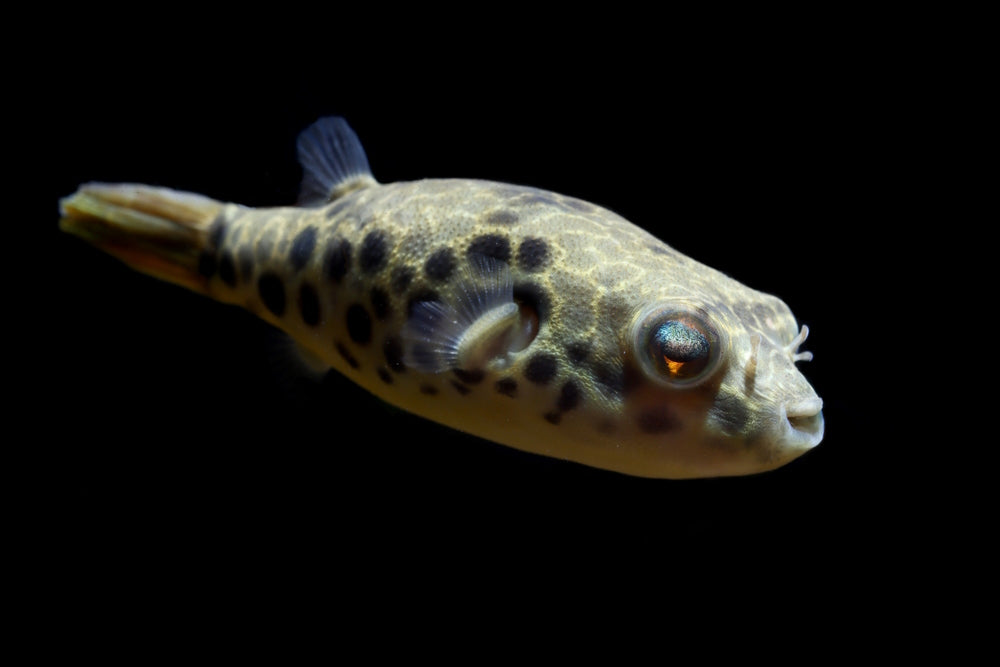
The most common freshwater puffers include the dwarf puffer and the figure-eight puffer. The dwarf puffer is small, about 1 inch long, and very active. Figure-eight puffers have distinct patterns resembling the number eight. Other varieties are the green spotted puffer and the Congo puffer. Each has a unique look and behavior.
Habitat And Distribution
Freshwater puffer fish mostly live in rivers, lakes, and streams. They prefer slow-moving or still waters with plants. Most species come from Asia and Africa. For example, the dwarf puffer is native to India. The Congo puffer lives in the Congo River basin. Their habitats provide food and hiding places.
Physical Features
Freshwater puffer fish have fascinating physical features that make them unique. Their bodies are compact and rounded, giving them a cute, almost cartoon-like look. These fish have smooth skin without scales, which helps them move quickly in the water. Their eyes are large and expressive, allowing them to spot food and danger easily.
Understanding their physical traits helps us appreciate how they survive and thrive in freshwater habitats. Each feature plays a special role in their daily life and protection.
Size And Color
Freshwater puffer fish are usually small to medium in size. Most species grow between 2 to 6 inches long. Their colors vary widely, from dull browns to bright yellows and greens. Many have spots or stripes that help them blend into plants and rocks. These colors act as camouflage against predators.
Young puffers often have different colors than adults. This change helps them stay safe as they grow. The variety in size and color makes each species unique and interesting to observe.
Unique Adaptations
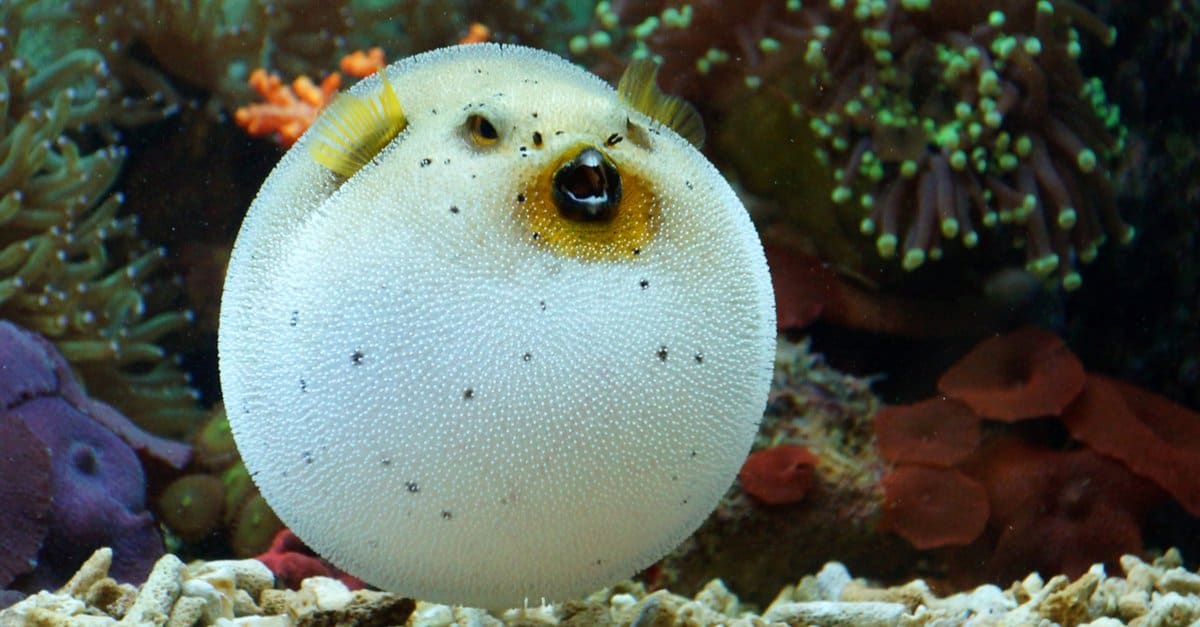
One key adaptation is their ability to puff up. When threatened, they swallow water or air to become round and big. This makes them hard to eat. Their strong beak-like teeth help crush shells and hard food. They can also regenerate teeth if they wear out.
Freshwater puffers have no scales but thick skin that protects them. Some species produce toxins that make them dangerous to predators. These adaptations help them survive in tough environments with many threats.
Behavior Patterns
Freshwater puffer fish show unique behavior patterns. These patterns help them survive and thrive in their habitats. Observing these fish reveals interesting traits. They are curious and often active during the day. Their behavior varies with environment and mood.
Understanding their habits helps in caring for them as pets. It also gives insight into their natural life in the wild.
Feeding Habits
Freshwater puffer fish are mostly carnivores. They eat small animals like snails, insects, and crustaceans. Their strong beak helps crack hard shells. They often hunt slowly and carefully. Puffers use their sharp teeth to crush prey. Feeding times are usually spread throughout the day. They prefer fresh, live food but can adapt to frozen options. Overfeeding causes health issues, so portion control is important.
Social Interaction
These fish are mostly solitary by nature. They enjoy having their own space in the tank. Puffers can become aggressive towards other fish. They may puff up to look bigger and scare threats. Some species tolerate others if the tank is large. Watching their body language reveals mood and stress. They communicate through actions rather than sounds. Careful observation helps keep peace in a community tank.
Tank Setup
Setting up a tank for freshwater puffer fish is important for their health and happiness. These fish need a special environment to thrive. A well-prepared tank helps keep the water clean and safe. It also provides hiding spots and space to swim. The right setup makes your puffer fish feel at home.
Ideal Water Conditions
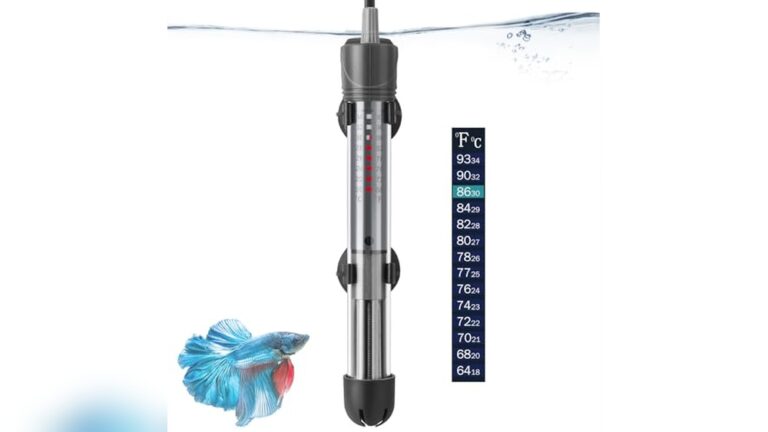
Freshwater puffer fish need clean, warm water. Keep the temperature between 74°F and 82°F. The pH level should be neutral, around 7.0. Avoid sudden changes in water conditions. Regular water testing helps maintain stability. Soft to medium water hardness is best. Good water quality reduces stress and illness.
Tank Decorations
Use smooth stones and plants for decoration. Live plants help improve water quality. Create hiding places with caves or driftwood. Avoid sharp objects that can hurt puffers. Provide open space for swimming. Natural decorations make the tank feel safe. Balance decorations to keep the tank comfortable.
Filtration Needs
Strong filtration is key to clean water. Puffers produce a lot of waste. Use a filter that handles large bio-loads. A sponge filter or canister filter works well. Keep the water moving but not too fast. Regular filter cleaning keeps it working well. Good filtration helps keep fish healthy.
Diet And Nutrition
Freshwater puffer fish need a special diet to stay healthy. Their eating habits are unique and interesting. Proper nutrition helps them grow and stay active. Feeding them the right foods is very important. Understanding what they eat and how often they should eat supports their well-being.
Preferred Foods
Freshwater puffer fish enjoy a variety of foods. They like snails, shrimp, and small crustaceans. These foods help wear down their sharp teeth. They also eat worms and small fish. Some puffers like frozen or live foods best. Avoid feeding them flakes or pellets only. A diet rich in protein keeps them strong.
Feeding Frequency
Feeding frequency depends on the puffer’s age and size. Young puffers need food daily. Adult puffers can eat every two days. Overfeeding can cause health problems. Feed small amounts each time to avoid waste. Monitor their eating habits to adjust feeding schedule. Consistent feeding supports steady growth and energy.
Credit: www.aquariumcoop.com
Health Issues
Freshwater puffer fish are hardy but can face health problems. These issues often arise from poor water quality, incorrect diet, or stress. Knowing the common diseases and how to prevent them helps keep your puffer fish healthy and happy.
Common Diseases
Freshwater puffer fish can get bacterial infections. These usually cause redness, swelling, or sores on their body. Another common problem is parasitic infections, which make the fish scratch against objects. Swim bladder disease can affect their ability to swim properly. Fungal infections might appear as white patches on their skin. Early signs of illness include loss of appetite and lethargy.
Preventive Care
Maintaining clean water is key to prevention. Change water regularly and check water parameters like pH and ammonia. Feed a balanced diet with fresh, suitable food. Avoid overfeeding, which can pollute the tank. Provide hiding spots to reduce stress. Quarantine new fish before adding them to the tank. Regular observation helps catch health issues early.
Breeding Tips
Breeding freshwater puffer fish can be a rewarding experience. It needs careful attention to their behavior and environment. Understanding their mating habits and how to raise the young is key. This helps ensure healthy fry and a happy tank.
Mating Behavior
Male puffers often build nests in the substrate or on flat surfaces. They use their fins to clear an area for eggs. Males show bright colors to attract females. Courtship includes circling and gentle nudging. Females lay eggs in the nest once ready. Males guard the eggs until they hatch. Keep the tank quiet to avoid stress during this time.
Raising Fry
Once eggs hatch, fry are tiny and fragile. Feed them small live foods like baby brine shrimp. Feed often, but in small amounts, to avoid water pollution. Use a sponge filter to keep water clean and safe. Change water regularly but gently to protect fry. Separate fry from adult fish to prevent harm. Monitor their growth and adjust feeding as they grow.
Credit: a-z-animals.com
Puffer Fish Safety
Freshwater puffer fish are fascinating pets, but safety is key. These fish need careful handling and awareness of their unique traits. Learning about their safety helps keep both you and the fish safe.
Handling Precautions
Always wash your hands before and after touching a puffer fish. Use a soft net or container for moving them. Avoid squeezing or stressing the fish as it can harm them. Keep the tank clean to prevent infections. Never pick them up with dry hands; their skin is sensitive. Watch for signs of distress like puffing up or hiding.
Toxin Information
Puffer fish contain a toxin called tetrodotoxin. It is very strong and can be deadly. This toxin is in their skin and organs. Avoid eating or touching these parts. The toxin is not harmful if the fish is healthy and handled correctly. Do not keep puffer fish with small pets that might bite them. Always wash hands after tank cleaning.
How Smart Pets Lover Can Help You with Freshwater Puffer Fish
Learning Through Caring for Your Freshwater Puffer Fish
Getting to know your freshwater puffer fish is more than just watching its playful behavior or admiring its unique physical features. It’s a practical journey into responsible pet ownership that teaches patience, observation, and attentiveness—especially when setting up the perfect tank environment or managing its specialized diet and nutrition.
For pet parents eager to deepen their connection, keeping a puffer fish offers daily lessons in creating balanced aquatic habitats and understanding subtle health cues before issues arise. These hands-on experiences build confidence and empathy, enriching the bond between you and your aquatic companion.
- Observe how behavior patterns shift with changes in tank setup or diet.
- Note the importance of maintaining water quality to prevent health problems.
- Practice patience during breeding attempts, gaining insight into aquatic life cycles.
At Smart Pets Lover, we believe that every pet story is a chance to learn and grow together. For any questions or support on your freshwater puffer journey, feel free to reach out—because informed care makes every wag, purr, and bubble tell a meaningful story.
Frequently Asked Questions
What Do Freshwater Puffer Fish Eat In Captivity?
Freshwater puffer fish mainly eat snails, shrimp, and small crustaceans. They need a protein-rich diet to stay healthy and active. Feeding them hard-shelled foods helps maintain their beak-like teeth and prevent overgrowth.
How Big Do Freshwater Puffer Fish Grow?
Most freshwater puffer fish grow between 2 to 6 inches, depending on the species. Proper tank conditions and diet can influence their size. They generally remain small compared to marine puffers.
Are Freshwater Puffer Fish Aggressive Toward Other Fish?
Freshwater puffer fish can be territorial and aggressive, especially during feeding. They often nip fins and bully smaller fish. It’s best to keep them in species-only tanks or with robust tank mates.
How Often Should I Clean A Freshwater Puffer Fish Tank?
Clean the tank weekly to maintain water quality. Partial water changes of 20-30% are recommended. Freshwater puffers produce a lot of waste, so frequent cleaning prevents toxic buildup.
Conclusion
Freshwater puffer fish make unique and interesting pets. They need clean water and proper care to stay healthy. Watching their curious behavior brings joy to many fish lovers. Learn about their diet and tank setup before buying one. These fish add charm to any aquarium with their bright colors.
Caring for them teaches patience and responsibility. Enjoy the beauty and fun they bring to your home.