Freshwater Eel
Have you ever wondered about the mysterious creature that glides silently through rivers and lakes, slipping through the water like a shadow? Freshwater eels are fascinating animals that many people don’t know much about, yet they play a crucial role in their ecosystems.
If you want to discover surprising facts, learn how these eels live, and understand why they matter to your environment, keep reading. This article will open your eyes to the hidden world of freshwater eels and why they deserve your attention.
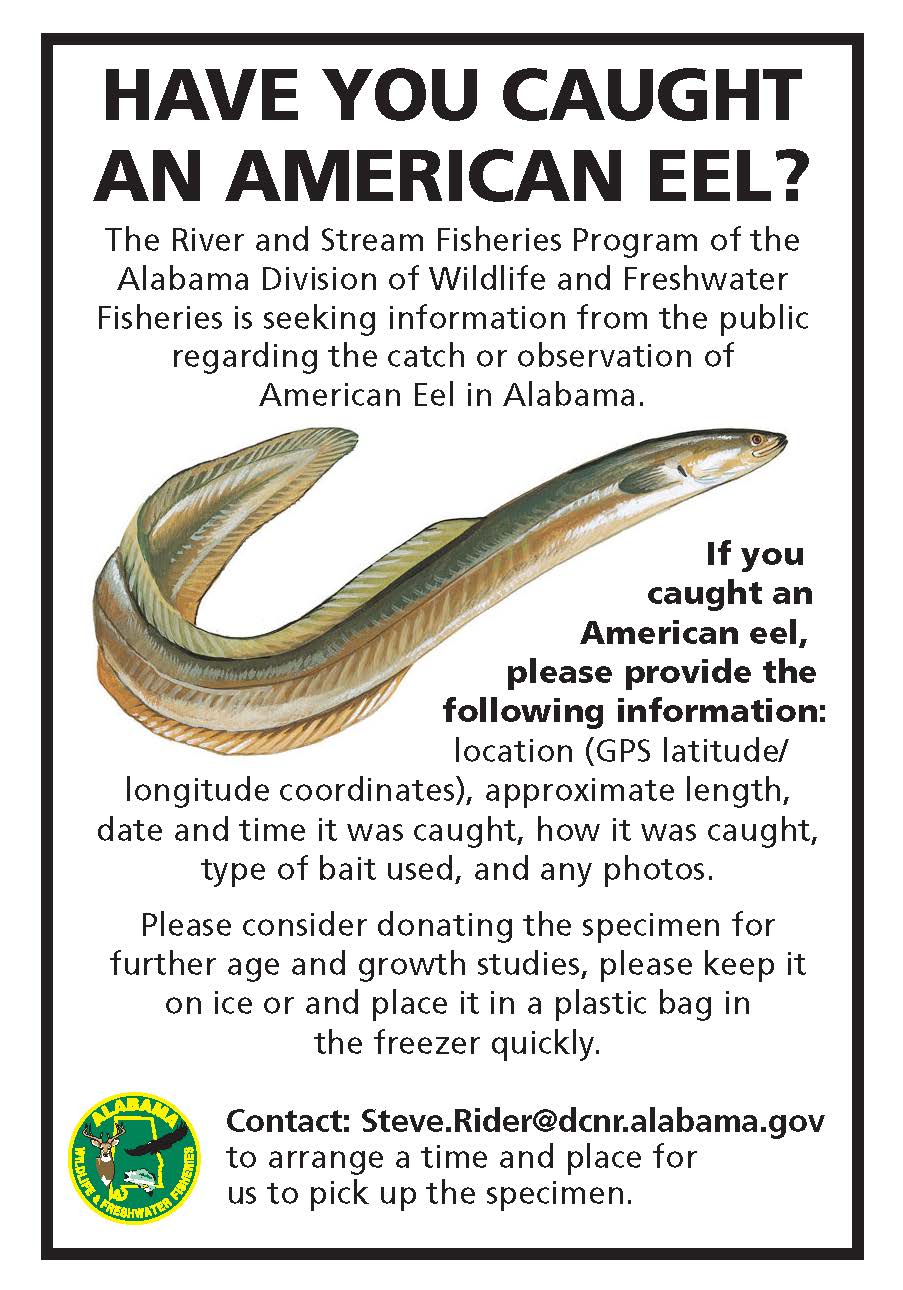
Credit: www.outdooralabama.com
Eel Species And Types
Freshwater eels belong to a fascinating group of fish. They live in rivers, lakes, and streams around the world. These eels differ in size, color, and behavior. Some are well-known for their long migrations. Others are prized for their unique looks. Understanding eel species helps us appreciate their role in nature.
Common Freshwater Eels
One popular species is the American eel. It lives along the east coast of North America. Another is the European eel, found in rivers across Europe. The Japanese eel is famous in Asia for its taste and size. Each species has adapted to its environment in special ways. These eels spend part of their life in the ocean and part in freshwater.
Distinctive Features
Freshwater eels have long, snake-like bodies. Their skin is smooth and slimy, which helps them swim easily. Most have small, sharp teeth for catching food. Their colors can range from dark brown to greenish shades. Some have spots or patterns on their bodies. These features help eels blend into their surroundings and avoid predators.
Habitat And Distribution
Freshwater eels have a unique way of living and moving across the world. They spend their lives in different water bodies and travel great distances. Understanding where they live and how they move helps us learn more about these mysterious creatures.
Freshwater Environments
Freshwater eels live in rivers, lakes, and streams. They prefer clean water with slow currents. Eels hide among rocks, plants, and mud. They can survive in both shallow and deep waters. These habitats offer food and shelter. Freshwater eels can also tolerate changes in water quality.
Migration Patterns
Freshwater eels travel from fresh water to the ocean to breed. This migration can cover thousands of miles. They swim across seas to reach specific spawning areas. After laying eggs, adult eels die. Young eels then return to rivers and lakes to grow. This life cycle repeats every year for many eels.
Life Cycle And Reproduction
The life cycle and reproduction of freshwater eels are fascinating and unique. These eels travel long distances to spawn. Their journey and development show nature’s wonder. Understanding their life cycle helps protect these mysterious creatures.
Spawning Behavior
Freshwater eels spawn in the ocean, far from rivers. They swim thousands of miles to reach spawning grounds. The exact location is often deep and hidden. Eels spawn once in their lifetime. After spawning, adult eels die. Females release millions of eggs. Males release sperm to fertilize the eggs. This process happens in deep water. The eggs float and hatch into larvae.
Larval Development
The eel larvae are called leptocephali. They look like tiny, transparent leaves. These larvae drift with ocean currents for months. They slowly grow and change shape. After this phase, they become glass eels. Glass eels swim toward freshwater rivers. Here, they grow into adult eels. This stage is critical for their survival. Many eels do not survive this journey. The cycle then repeats as adults prepare to spawn.

Credit: dnr.illinois.gov
Feeding Habits
Freshwater eels have unique feeding habits that help them survive in rivers and lakes. They eat a variety of foods and use smart ways to catch their prey. Understanding their feeding habits reveals their role in the ecosystem.
Diet Composition
Freshwater eels eat small fish, insects, and crustaceans. They also consume worms and other tiny animals found in the water. Their diet changes with age and season. Young eels eat more insects, while adults prefer fish and bigger prey. This variety helps them get enough nutrients to grow strong.
Hunting Strategies
Freshwater eels hunt mostly at night. They use their sharp sense of smell to find food in dark waters. Eels hide in mud or under rocks and wait quietly. When prey comes close, they strike fast with a strong bite. Their slender body helps them move silently and catch prey easily.
Ecological Importance
Freshwater eels play a key role in many aquatic environments. They help keep ecosystems balanced and healthy. Understanding their ecological importance reveals why they matter beyond fishing and cuisine.
Role In Food Chains
Freshwater eels act as both predators and prey. They eat insects, small fish, and crustaceans. This controls populations of these animals. At the same time, eels serve as food for birds and larger fish. Their presence supports many other species. Without eels, food chains could become unbalanced.
Impact On Ecosystems
Eels contribute to nutrient cycling in rivers and lakes. They move between freshwater and the ocean during their life cycle. This movement transports nutrients across habitats. Eel burrowing also helps oxygenate the riverbed. This improves water quality and benefits plants and animals. Their activities maintain ecosystem health and diversity.
Threats And Conservation
Freshwater eels face many dangers that threaten their survival. These threats come from changes in their environment and human activities. Protecting these unique creatures is important for nature and for people who depend on them.
Environmental Challenges
Freshwater eels struggle with pollution in rivers and lakes. Chemicals and waste harm their health and reduce their food supply. Dams block their migration routes, stopping eels from reaching breeding areas. Climate change alters water temperatures and flow, making habitats less suitable. Overfishing reduces eel populations faster than they can recover.
Protection Efforts
Many groups work to protect freshwater eels and their habitats. Laws limit fishing during breeding seasons to help populations grow. Some places remove or modify dams to allow eel migration. Conservation programs breed eels in captivity and release them into the wild. Public education raises awareness about eel conservation needs. These efforts aim to secure a future for freshwater eels worldwide.
Culinary Uses
Freshwater eel is a unique ingredient in many kitchens worldwide. Its tender texture and rich flavor make it a favorite for various recipes. People enjoy it grilled, smoked, or in soups. Chefs often use freshwater eel to add depth to their dishes. The versatility of eel allows it to fit into many culinary traditions.
Cooking freshwater eel requires care because it has a soft and delicate flesh. It pairs well with sweet and savory sauces. Many cultures prize eel for special meals and celebrations. Its taste can be smoky, sweet, or slightly salty depending on the preparation.
Popular Dishes
One famous dish is Japanese unagi, grilled eel glazed with a sweet soy sauce. It often comes served over rice, called unadon or unaju. In Europe, eel stew is popular, made with vegetables and herbs. Smoked eel is common in Northern Europe, enjoyed as a snack or appetizer. In China, eel is stir-fried with ginger and garlic for a tasty meal. These dishes highlight the eel’s rich flavor and tender texture.
Sustainability Concerns
Freshwater eel populations are declining worldwide. Overfishing and habitat loss cause many eel species to become endangered. Some countries now regulate eel fishing to protect their numbers. Sustainable eel farming is growing to meet demand without harming wild stocks. Choosing sustainably sourced eel helps protect the environment. Consumers should check labels to support responsible fishing and farming practices.
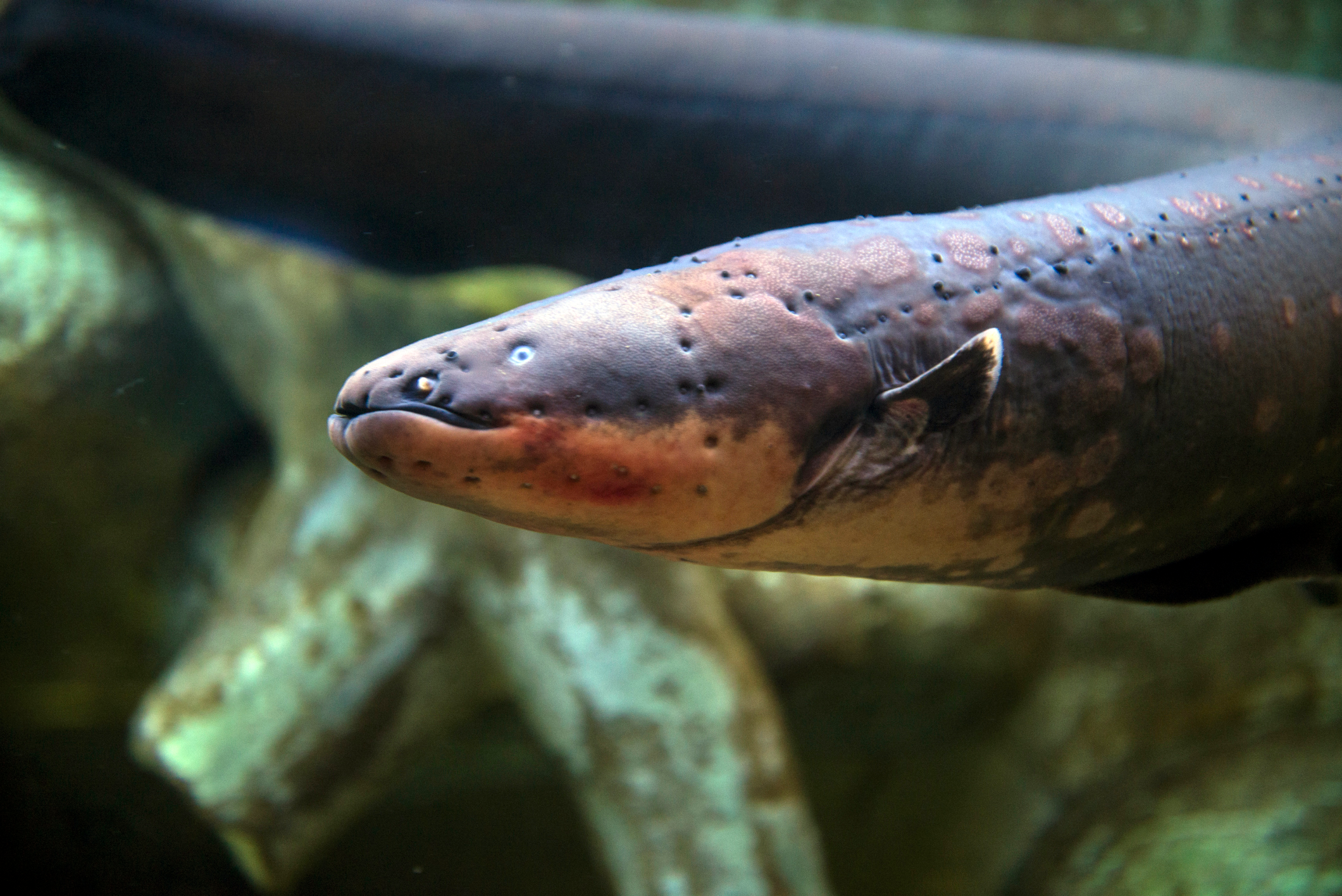
Credit: www.co2art.us
How Smart Pets Lover Can Help You with Freshwater Eel
Exploring Freshwater Eels: A Hands-On Learning Journey
If you’re captivated by the fascinating life cycle and unique feeding habits of freshwater eels, you’re not alone. These creatures offer a wonderful opportunity to deepen your understanding of aquatic ecosystems and the delicate balance within their habitats. Observing their behavior firsthand can reveal insights into their ecological importance and the challenges they face due to environmental threats.
For pet lovers and curious minds alike, setting up a small, well-maintained freshwater aquarium can be an excellent way to experience some of these learning moments. Remember, responsible care is key—eels require specific conditions that mimic their natural habitat to thrive. This hands-on approach not only strengthens your connection with aquatic life but also encourages a broader appreciation for conservation efforts discussed earlier.
- Monitor their feeding patterns to understand natural diets.
- Observe their nocturnal activity cycles to learn about their behavior.
- Research their habitat needs to ensure a healthy environment.
At Smart Pets Lover, where every wag, purr, and chirp tells a story, we believe practical experience complements knowledge beautifully. If you want more tips or guidance on freshwater species care, feel free to reach out to expert communities or local aquatic centers—they’re often happy to share advice.
Frequently Asked Questions
What Is A Freshwater Eel?
A freshwater eel is a long, slender fish found in rivers and lakes. They migrate to the ocean to spawn. These eels are important in ecosystems and popular in cuisine.
How Do Freshwater Eels Reproduce?
Freshwater eels reproduce by migrating to the ocean. They spawn in deep, warm waters. After hatching, larvae drift back to freshwater to grow.
What Do Freshwater Eels Eat?
Freshwater eels primarily eat small fish, insects, and crustaceans. They are nocturnal hunters using their sharp teeth to catch prey.
Are Freshwater Eels Endangered?
Some freshwater eel species face population decline due to habitat loss and overfishing. Conservation efforts aim to protect their habitats and regulate fishing.
Conclusion
Freshwater eels play an important role in many ecosystems. They live in rivers and lakes, moving between fresh and saltwater. Their unique life cycle fascinates scientists and nature lovers. People enjoy fishing and cooking freshwater eel in many cultures. Understanding these creatures helps protect their habitats.
Watching eels reminds us of nature’s wonder and balance. They are more than just fish; they are a part of life’s story. Keep learning about freshwater eels to appreciate their value. Nature holds many secrets, and eels are one of them.