Flowerhorn Cichlid
Are you ready to add a splash of vibrant color and personality to your aquarium? The Flowerhorn Cichlid might be exactly what your tank needs.
Known for its striking appearance and unique head shape, this fish captures attention like no other. But there’s more to the Flowerhorn than just looks—it has a fascinating behavior and care routine that you’ll want to know before bringing one home.
Keep reading to discover everything you need to make your Flowerhorn thrive and become the star of your aquatic collection.

Credit: tropicflow.com
Origin And History
The Flowerhorn Cichlid is a popular fish known for its bright colors and unique head shape. This fish has an interesting origin and history that many fish lovers find fascinating. Understanding where it comes from helps appreciate its special traits.
Flowerhorn Cichlids do not exist naturally in the wild. They are a man-made hybrid created by breeders. The process started several decades ago, aiming to combine the best features of different cichlids.
Early Breeding Efforts
The Flowerhorn was first bred in the 1990s in Malaysia and Taiwan. Breeders crossed various cichlid species to create a colorful and strong fish. The goal was to develop a fish with a unique head hump and bright colors.
These early efforts used species like the Red Devil and the Blood Parrot Cichlid. The result was a new fish that quickly gained attention for its striking appearance.
Popularity In Asia
After its creation, the Flowerhorn became very popular in Asia. Collectors and hobbyists admired its bright colors and lively behavior. The fish was believed to bring good luck and fortune.
This reputation helped the Flowerhorn become a common fish in many Asian homes and aquariums. Breeders continued to improve the fish by selecting the best traits.
Introduction To The Global Market
The Flowerhorn Cichlid spread from Asia to the rest of the world in the early 2000s. Fish lovers in America, Europe, and other regions began to keep and breed them. The fish’s unique look made it a favorite among aquarium hobbyists.
Today, the Flowerhorn is known worldwide and remains a popular choice for many fish enthusiasts.
Credit: azgardens.com
Physical Features
The Flowerhorn Cichlid stands out with its unique physical traits. These fish are known for their bright colors and unusual shapes. Their appearance draws many aquarium lovers. Understanding these features helps appreciate their beauty and care needs.
Color Variations
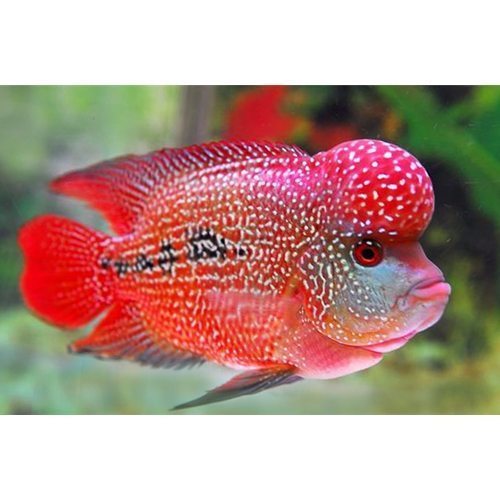
Flowerhorns show many color patterns. Red, pink, orange, and blue shades are common. Some have sparkling scales that shine under light. Each fish displays different color mixes. This variety makes every Flowerhorn unique and attractive.
Distinctive Head Shape
The most famous trait is the big, bumpy head. Called a “kok,” it looks like a rounded bump above the eyes. This head shape is a sign of good health and maturity. The bigger the kok, the more prized the fish is.
Size And Growth
Flowerhorns grow fast and can reach 12 to 16 inches. They need enough space to swim and grow strong. Their size depends on diet and tank conditions. Healthy Flowerhorns show steady growth and bright colors.
Tank Setup
Setting up the right tank for your Flowerhorn Cichlid is very important. It helps keep the fish healthy and happy. This fish is active and large. It needs space to swim and a clean environment. Proper tank setup supports its bright colors and unique shape.
Tank Size
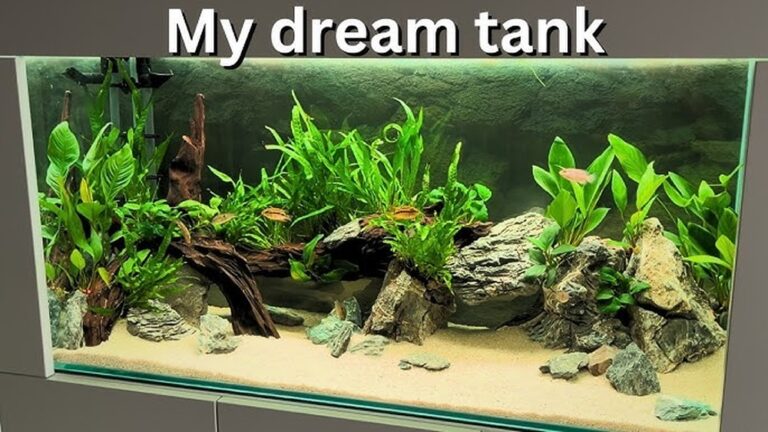
A Flowerhorn needs a big tank. At least 55 gallons is best for one fish. Bigger tanks are better if you want more fish. The tank should be long and wide. This allows plenty of swimming room.
Water Conditions
Keep water clean and stable. Flowerhorns prefer water temperature between 78°F and 85°F. pH should be around 7.4 to 8.0. Use a good filter to remove waste. Change water regularly to keep it fresh. Stable water helps reduce fish stress.
Decor And Substrate
Choose smooth rocks and sturdy plants. Flowerhorns like to dig, so avoid fragile plants. Sand or fine gravel works well for the substrate. Provide hiding spots with caves or decorations. Keep decorations simple to allow swimming space.
:strip_icc()/GettyImages-453251263-71432989c4a145ba81527f75b2e2ae46.jpg)
Credit: www.thesprucepets.com
Diet And Feeding
Feeding Flowerhorn Cichlids properly helps them grow strong and stay healthy. Their diet affects their color and energy. Flowerhorns need a mix of proteins, vitamins, and minerals. This section explains what to feed them, how often, and special treats to offer.
Preferred Foods
Flowerhorn Cichlids enjoy high-protein foods. Pellets made for cichlids work well as a main food. Live or frozen foods like bloodworms, brine shrimp, and krill boost their diet. You can also give small pieces of fish or shrimp. Avoid feeding only one type of food. Variety keeps them healthy and colorful.
Feeding Schedule
Feed your Flowerhorn twice a day. Give small amounts they can eat in 2-3 minutes. Overfeeding causes water problems and health issues. Young Flowerhorns may eat more often, about 3 times daily. Adults need less food but still regular meals. Watch their behavior to adjust feeding as needed.
Supplements And Treats
Vitamins and minerals help Flowerhorns stay bright and active. Use supplements made for aquarium fish occasionally. You can add spirulina powder to enhance color naturally. Treats like earthworms or insect larvae provide extra protein. Offer treats once or twice a week only. Too many treats can upset their digestion.
Behavior Traits
Flowerhorn Cichlids are known for their unique and strong behavior traits. These fish show bold and active personalities. Understanding their behavior helps keep them happy and healthy in your tank.
Aggression Levels
Flowerhorns have high aggression. They often challenge other fish. They do not shy away from fights. This makes them less suitable for community tanks. Aggression varies by individual fish. Some are calmer but still need space.
Compatibility With Other Fish
Flowerhorns are not very friendly with other fish. They may attack smaller or weaker tank mates. Larger, equally aggressive fish might coexist. It is safer to keep them alone. Careful monitoring is needed when mixing species.
Territorial Habits
These fish are very territorial. They defend their area strongly. Marking and guarding space is common. Territorial fights can cause stress or injury. Providing enough space reduces conflicts. Use decorations to create hiding spots.
Breeding Flowerhorns
Breeding Flowerhorns can be a rewarding experience for aquarium enthusiasts. These unique fish are known for their vibrant colors and distinctive head shapes. Breeding them requires patience, proper care, and a suitable environment. Understanding their needs helps increase the chances of success.
Breeding Requirements
Choose healthy, mature Flowerhorns for breeding. The tank should be at least 55 gallons. Maintain water temperature between 80-86°F (27-30°C). Keep the pH level near 7.4 for best results. Provide hiding spots with rocks or caves. Use a separate breeding tank to avoid aggression. Feed the pair high-quality food like pellets and live treats. Observe their behavior to identify mating readiness.
Egg Care
After spawning, parents often guard the eggs closely. Eggs stick to flat surfaces inside the tank. Remove aggressive parents to protect the eggs if needed. Keep the water clean by changing 20% daily. Avoid strong water currents to prevent egg damage. Use a gentle air stone for oxygen circulation. Eggs hatch within 3 to 5 days. Monitor them for fungus or discoloration.
Raising Fry
Once hatched, fry need special care. Feed them infusoria or liquid fry food at first. After a week, introduce baby brine shrimp or finely crushed flakes. Keep water temperature stable around 82°F (28°C). Change water regularly to maintain cleanliness. Separate fry into smaller groups to reduce stress. Watch for signs of illness or slow growth. Growth is fast with proper feeding and care.
Common Health Issues
Flowerhorn Cichlids are beautiful, but they can face health problems. These issues affect their colors, behavior, and lifespan. Knowing common health problems helps keep your fish strong and happy.
Flowerhorns often suffer from water quality problems, parasites, and bacterial infections. Stress also weakens their immune system, leading to disease. Early care and observation are key to avoiding serious illness.
Disease Prevention
Keep water clean and stable. Test water regularly for ammonia, nitrites, and pH. Feed a balanced diet made for cichlids. Avoid overcrowding the tank to reduce stress and disease spread. Quarantine new fish before adding them to the main tank.
Signs Of Illness
Look for changes in swimming or hiding more than usual. Check for white spots, redness, or swelling on the body. Notice if the fish stops eating or has trouble breathing. Cloudy eyes or torn fins also indicate sickness.
Treatment Options
Use medication designed for specific diseases, like anti-parasitic or antibacterial drugs. Change water often and keep the tank clean during treatment. Separate sick fish to avoid infecting others. Follow instructions carefully for safe and effective care.
Maintenance Tips
Keeping a Flowerhorn Cichlid healthy and happy needs steady care. Regular maintenance helps avoid illness and keeps the tank clean. Simple daily tasks make a big difference in your fish’s life.
Regular Cleaning
Clean the tank glass to remove algae and dirt. Use a soft cloth or an algae scraper. Avoid harsh chemicals that can harm your fish. Clean decorations and substrate to stop waste buildup. This keeps the environment safe and healthy.
Water Changes
Change 20-30% of the water every week. Use a water conditioner to remove chlorine and harmful substances. Fresh water keeps the tank stable and clear. It helps remove toxins that harm the Flowerhorn’s health.
Monitoring Parameters
Check water temperature, pH, and ammonia levels often. Flowerhorns prefer warm water between 78°F and 84°F. Keep pH around 7.4 to 8.0 for best results. Ammonia and nitrites must stay near zero. Testing kits make this easy and quick.
How Smart Pets Lover Can Help You with Flowerhorn Cichlid
Learning Through Caring for Your Flowerhorn Cichlid
Getting to know your Flowerhorn Cichlid is more than just admiring its vibrant colors or unique head shape. It’s an opportunity to deepen your understanding of aquatic life, especially when you consider their behavior traits and tank setup needs. These fish are intelligent and interactive, offering a hands-on way to observe how environment influences mood and activity.
By paying close attention to their diet and feeding habits, you not only ensure their health but also gain insight into balanced nutrition for tropical fish. This practical knowledge can spark curiosity about aquatic ecosystems and responsible pet care, reinforcing the joy and commitment behind keeping such a remarkable species.
- Observe how your Flowerhorn responds to changes in tank conditions.
- Experiment thoughtfully with diet variations to support vitality.
- Note behavioral cues that may indicate health or stress.
At Smart Pets Lover, we believe that every interaction with your pet fish is a chance to grow as a pet parent—cultivating confidence and connection. If you ever need guidance or want to share your experience, reaching out to fellow enthusiasts or consulting trusted resources can make all the difference.
Your Flowerhorn’s story is part of a larger journey, where every wag, purr, and chirp (or swim!) tells a story worth exploring.
Frequently Asked Questions
What Is A Flowerhorn Cichlid Fish?
Flowerhorn Cichlid is a hybrid aquarium fish known for its vivid colors and prominent head hump. It is popular among aquarium enthusiasts for its unique appearance and interactive behavior. Flowerhorns require specific care to thrive, including proper tank conditions and diet.
How Do I Care For A Flowerhorn Cichlid?
Flowerhorn Cichlids need a large tank with clean, warm water (78-86°F). Use a good filtration system and maintain pH between 7. 4 and 8. 0. Feed them high-quality pellets and occasional live food. Regular water changes and monitoring are essential for their health.
What Do Flowerhorn Cichlids Eat?
Flowerhorns are omnivores and eat high-protein pellets, frozen or live foods like bloodworms and brine shrimp. A balanced diet helps maintain their vibrant colors and health. Avoid overfeeding to prevent water quality issues and obesity.
Are Flowerhorn Cichlids Aggressive Fish?
Yes, Flowerhorn Cichlids are known for their territorial and aggressive behavior. They may attack other fish, so it’s best to keep them alone or with robust tank mates. Providing ample space and hiding spots can reduce aggression.
Conclusion
Flowerhorn Cichlids bring color and life to any aquarium. They need proper care and attention to thrive. Feeding them well and keeping the water clean are essential. These fish show unique personalities and can be quite friendly. Watching their bright colors and lively behavior is rewarding.
With patience and care, they become great pets. Enjoy the beauty and charm Flowerhorns add to your home. Keep learning and improving your fish care skills. Your Flowerhorn will thank you with vibrant health and energy.