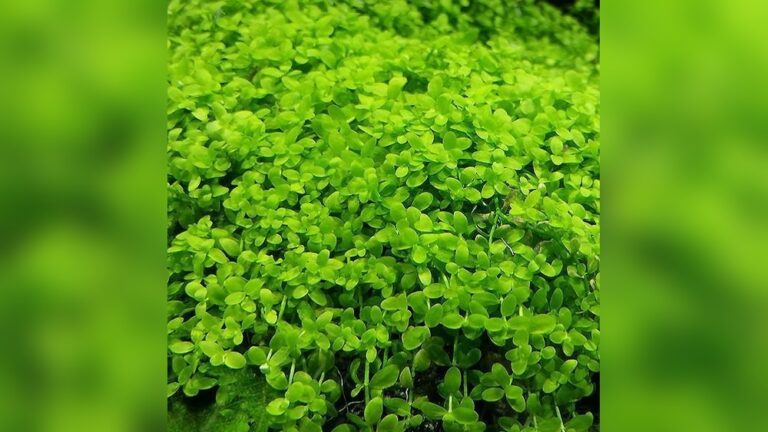
Floating Aquarium Plants
Are you looking to add a fresh and vibrant touch to your aquarium? Floating aquarium plants might be just what your underwater world needs.
These plants don’t just look beautiful—they also help keep your water clean and your fish happy. Imagine watching your fish swim through lush green leaves gently drifting on the surface. Curious how these plants can transform your tank and make your fish thrive?
Keep reading to discover the best floating plants and easy tips to care for them. Your aquarium will never be the same!
Benefits Of Floating Aquarium Plants
Floating aquarium plants bring many benefits to your fish tank. They help keep the water clean and healthy. These plants add beauty and create a natural look. They also support the life inside the aquarium in several ways.
Choosing floating plants can make a big difference in your aquarium’s environment. Their positive effects help fish and other aquatic creatures thrive.
Natural Filtration
Floating plants absorb harmful chemicals from the water. They take in excess nutrients, like nitrates and phosphates. This helps prevent algae growth. The plants act as a natural filter, improving water quality. Cleaner water means healthier fish and fewer problems.
Shade And Shelter
These plants provide shade to reduce bright light. This creates a calm space for shy or small fish. Floating plants also offer hiding spots from predators. Fish feel safer and less stressed. Shade helps control algae by limiting sunlight as well.
Oxygenation
Floating plants release oxygen into the water during the day. This oxygen is vital for fish and beneficial bacteria. Healthy oxygen levels support a balanced aquarium ecosystem. Oxygen helps fish breathe easily and stay active. Good oxygenation leads to a lively and vibrant tank.
Credit: himadriaquatics.com
Popular Floating Plant Types
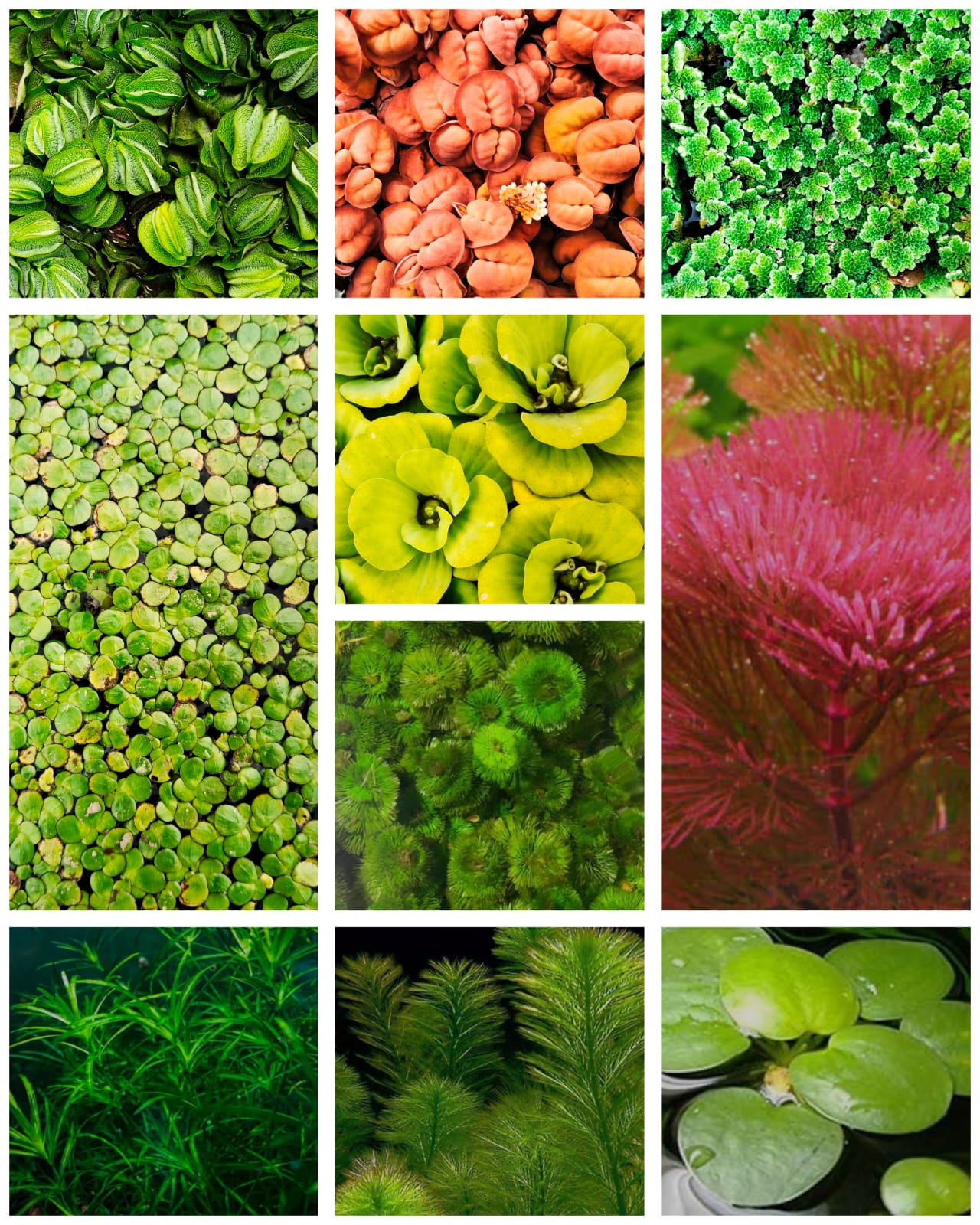
Floating aquarium plants bring life and beauty to any tank. They provide shade, reduce algae, and offer hiding spots for fish. Some types float freely, while others have roots that dangle in the water. Here are some popular floating plants that many aquarists enjoy.
Duckweed
Duckweed is a tiny green plant that floats on the water surface. It grows quickly and can cover large areas fast. This plant helps reduce light and controls algae growth. Fish love to hide under its shade. Duckweed is easy to care for and needs minimal nutrients.
Water Lettuce
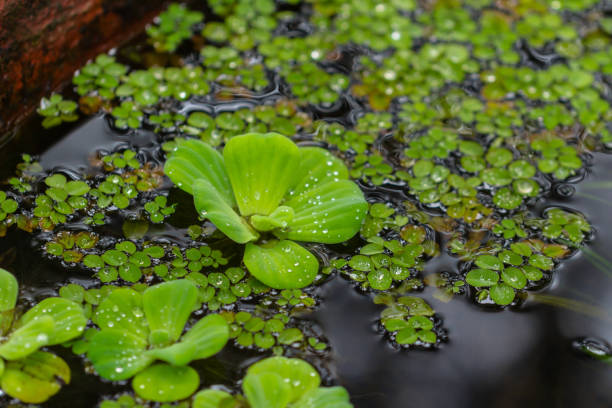
Water Lettuce looks like a small, green lettuce head. Its soft leaves float on the water, with roots hanging below. This plant absorbs excess nutrients, keeping water clean. It provides shelter for small fish and shrimp. Water Lettuce prefers warm water and moderate light.
Amazon Frogbit
Amazon Frogbit has round leaves that float on top of the water. It grows roots that hang into the tank, offering hiding places. This plant helps oxygenate water and reduce algae. It adapts well to various aquarium conditions. Amazon Frogbit adds a natural look to tanks.
Salvinia
Salvinia is a small, fern-like plant that floats on the surface. Its leaves repel water and stay dry. This plant grows fast and forms dense mats. Salvinia helps control algae by blocking light. It is low-maintenance and thrives in many water types.
Plant Care Tips
Floating aquarium plants add beauty and life to your tank. They also help keep water clean and provide shelter for fish. Proper care is important to keep these plants healthy. Understanding their needs makes a big difference.
Here are some simple tips on how to care for floating aquarium plants. Focus on light, water, and nutrients. These factors affect plant growth and overall health.
Light Requirements
Floating plants need moderate to bright light. Too little light slows growth and makes plants weak. Too much light can cause algae to grow. Use a timer to keep light on for 8 to 10 hours each day. Natural sunlight can work but avoid direct sun on the tank.
Water Conditions
Floating plants prefer clean, calm water. Test water regularly to keep pH between 6.0 and 7.5. Avoid strong currents that can push plants around. Change water weekly to prevent buildup of waste. Keep water temperature steady, usually between 72°F and 82°F.
Nutrient Needs
Floating plants absorb nutrients directly from water. Use liquid fertilizers designed for aquarium plants. Add nutrients slowly to avoid harming fish. Watch for yellow or brown leaves, a sign of nutrient deficiency. Remove dead or decayed parts to keep plants healthy.
Controlling Plant Growth
Floating aquarium plants add beauty and oxygen to your tank. Controlling their growth keeps your aquarium healthy and balanced. Proper care avoids overcrowding and ensures light reaches all plants.
Trimming Techniques
Trim floating plants regularly to keep size in check. Use sharp scissors to cut dead or excess leaves. Cut stems carefully without damaging the main plant. Regular trimming promotes healthy and compact growth.
Managing Spread
Floating plants can spread quickly across the water surface. Remove some plants to prevent covering the entire tank. Use floating barriers to limit their movement. Manage plant density to allow light and air circulation.
Preventing Overgrowth
Overgrowth can block light and reduce oxygen in the tank. Remove excess plants weekly to avoid this problem. Avoid overfeeding fish, as it encourages fast plant growth. Keep a balance between plants and fish for a healthy aquarium.
Compatibility With Aquarium Inhabitants
Floating aquarium plants add beauty and function to any tank. They create shade and hiding spots for fish. Their presence affects how fish and invertebrates behave. Understanding how these plants fit with your tank’s residents is important. It helps keep all inhabitants happy and healthy.
Fish Preferences
Some fish like to swim among floating plants. They feel safe in shaded areas. Small fish often hide under leaves from bigger fish. Others prefer open space and avoid dense plant cover. Fish that nibble on plants may damage floating species. Choosing plants that match your fish’s habits prevents problems.
Invertebrate Interactions
Shrimp and snails enjoy floating plants as resting spots. Plants provide surfaces for algae, their food source. Some invertebrates use plants to lay eggs safely. Certain species may eat or damage delicate plant parts. Observing how your invertebrates interact helps maintain plant health.
Avoiding Plant Damage
Strong fish can uproot or tear floating plants. Aggressive nibblers may eat leaves quickly. Avoid plants with fragile stems if you have such fish. Place floating plants where they won’t block filters or lights. Regular checks help spot any damage early. Replacing or trimming plants keeps the tank balanced.
Credit: www.co2art.eu
Setting Up A Floating Plant Aquarium
Setting up a floating plant aquarium creates a peaceful, natural look. Floating plants add beauty and help keep water clean. They offer shade and shelter for fish. This setup needs careful planning to keep plants and fish healthy.
Choosing The Right Tank
Pick a tank size that fits your space and goals. Small tanks work well for few plants and fish. Larger tanks hold more plants and create a stable environment. Clear glass tanks show plants and fish clearly. Avoid tanks with strong currents. Floating plants do best in calm water.
Balancing Plants And Fish
Select fish that live well with floating plants. Small, peaceful fish usually do best. Too many fish can harm plants by eating or disturbing them. Add enough plants to provide hiding spots for fish. Balance is key to keep water healthy and fish calm.
Maintaining Water Quality
Floating plants help absorb excess nutrients from water. Check water quality often with simple test kits. Remove dead leaves to stop decay and pollution. Change part of the water every week. Clean filters regularly to keep water clear and fresh. Healthy water supports both plants and fish well.
:strip_icc()/GettyImages-1270555572-1afcc69ffd234775a0e63aadcd9e20a7.jpg)
Credit: www.thesprucepets.com
How Smart Pets Lover Can Help You with Floating Aquarium Plants
Exploring Floating Aquarium Plants as a Hands-On Learning Experience
Understanding floating aquarium plants offers more than just beautifying your tank—it’s a practical gateway to deepening your connection with aquatic life. As you set up your floating plant aquarium, you naturally develop skills in plant care and controlling growth, which are essential for maintaining a balanced ecosystem. Observing how different floating plant types interact with your aquarium inhabitants teaches you about compatibility and encourages responsible pet ownership.
- Experiment with adjusting light and nutrient levels to see firsthand how plants respond.
- Monitor how floating plants provide shelter or influence fish behavior, enriching your understanding of aquatic dynamics.
- Practice pruning techniques to keep growth in check while promoting healthy development.
At Smart Pets Lover, we believe every step you take in caring for your aquatic companions is a story worth sharing. If you ever need guidance or want to exchange tips with fellow enthusiasts, feel free to reach out via our contact page—because learning together makes every wag, purr, and splash even more meaningful.
Frequently Asked Questions
What Are The Best Floating Aquarium Plants?
The best floating aquarium plants include Amazon Frogbit, Water Lettuce, Hornwort, and Duckweed. They provide shade and absorb excess nutrients, improving water quality and creating a natural habitat for fish.
How Do Floating Plants Benefit Aquarium Health?
Floating plants improve aquarium health by reducing algae growth, oxygenating water, and providing shelter for fish. They also absorb harmful nitrates and help maintain stable water conditions.
Can Floating Plants Survive Without Substrate?
Yes, floating plants do not require substrate. They absorb nutrients directly from the water, making them ideal for aquariums without soil or gravel. This also allows easy maintenance and repositioning.
How To Care For Floating Aquarium Plants?
Floating plants need moderate lighting, clean water, and occasional trimming. Avoid overcrowding to ensure good water circulation. Regularly remove debris and monitor nutrient levels for healthy growth.
Conclusion
Floating aquarium plants bring life and beauty to any tank. They provide shade and help keep water clean. These plants create a natural home for fish and small creatures. Caring for floating plants is simple and rewarding. Choose the right plants for your aquarium size and light.
Enjoy watching your tank transform with these gentle, floating greens. A small change can make a big difference in your aquatic world. Try adding floating plants to see the benefits yourself.