Fish Therapy How Aquariums Help Children And The Elderly
Imagine a simple, calming activity that can brighten your day and improve your well-being. Fish therapy, using aquariums, offers just that.
Whether you’re caring for children or elderly loved ones, watching colorful fish swim gently can reduce stress, boost mood, and even improve focus. If you want to discover how this natural, soothing experience can make a real difference in your home or care setting, keep reading.
You’ll learn why fish therapy is more than just watching fish—it’s a powerful way to support health and happiness for all ages.
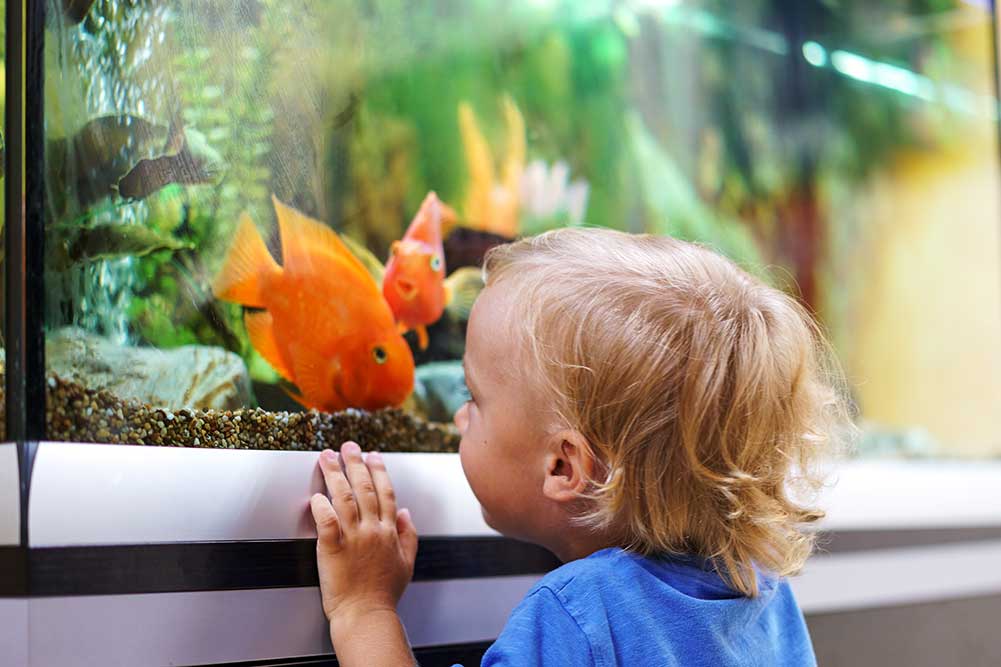
Credit: www.aqueon.com
Benefits Of Fish Therapy
Fish therapy offers many benefits for both children and the elderly. Watching fish swim in aquariums can create a peaceful environment. This simple activity helps improve mood and mental health. The gentle movement of fish captures attention and brings calmness. It also supports emotional balance and reduces anxiety.
Calming Effects On Children
Children often feel restless or anxious. Aquariums provide a soothing focus for their eyes and mind. The slow swimming of fish helps lower hyperactivity. It gives children a quiet moment to relax and breathe deeply. This calm feeling can improve concentration and patience.
Stress Relief For The Elderly
Elderly people face many stressors and worries. Watching fish helps lower blood pressure and heart rate. The peaceful aquarium environment reduces feelings of tension. This simple activity offers a gentle distraction from pain or loneliness. It creates a sense of comfort and safety.
Improved Emotional Well-being
Fish therapy supports better emotional health in all ages. It encourages mindfulness and being present in the moment. People feel happier and less depressed while watching fish swim. The colorful fish and water sounds bring joy and peace. This natural therapy helps balance emotions and lift spirits.
How Aquariums Engage The Mind
Aquariums offer more than just visual pleasure. They create a unique space that actively engages the mind. Watching fish swim slowly can calm thoughts and spark curiosity. This simple activity can help both children and elderly people stay mentally active. The gentle movement and colors of the fish encourage the brain to focus and relax at the same time.
This mental engagement supports learning, memory, and emotional balance. Aquariums provide a natural way to stimulate the brain without stress or pressure. They invite quiet observation and thoughtful reflection, which benefits people of all ages.
Sensory Stimulation
Aquariums stimulate several senses at once. The soft colors of fish and plants catch the eye. The gentle sound of bubbling water calms the ear. This mix of sights and sounds helps the brain stay alert and active. Sensory stimulation can improve mood and reduce anxiety. It also helps children develop better sensory processing skills. For elderly people, it can slow cognitive decline by keeping the brain engaged.
Encouraging Focus And Attention
Watching fish swim requires gentle attention. The slow, rhythmic movement draws the mind in. This helps children learn to concentrate for longer periods. For older adults, it offers a peaceful way to practice focus. The aquarium becomes a quiet place for the mind to rest yet stay active. Focus and attention skills improve with regular observation. This can support learning and memory in both young and old.
Promoting Mindfulness
Aquariums encourage mindfulness by inviting calm observation. People learn to notice small details, like fish colors or movements. This helps bring the mind to the present moment. Mindfulness reduces stress and supports emotional health. Children can gain better self-control and patience. Elderly individuals find peace and reduce feelings of loneliness. The aquarium acts as a gentle reminder to slow down and breathe.
Physical Advantages Of Aquariums
Aquariums offer more than just beauty and calm. They provide real physical benefits for children and older adults. Watching and caring for fish helps improve body movement and coordination. These activities support healthy physical development and keep the elderly active.
Enhancing Motor Skills
Interacting with aquariums can boost hand-eye coordination. Tasks like feeding fish or cleaning the tank require gentle, precise movements. These actions help improve fine motor skills in children and seniors. Handling small tools or fish food strengthens fingers and hands. This practice aids daily activities like writing or buttoning clothes.
Encouraging Movement And Interaction
Aquariums encourage gentle physical activity. Reaching to touch the glass or moving around the tank promotes body movement. Children often get curious and walk closer to observe fish. Older adults may stand or sit near the tank for longer periods. These simple actions help maintain muscle strength and balance. Regular interaction can reduce stiffness and increase mobility.

Credit: health.clevelandclinic.org
Social Benefits For Users
Fish therapy offers more than calm and relaxation. It creates spaces where people connect and share moments. This is especially true for children and older adults. Aquariums bring users together, helping them feel less alone. The social benefits of fish therapy support mental health and wellbeing.
Watching fish can spark conversations and build friendships. This shared interest helps people open up. It breaks down barriers and encourages interaction. Many find comfort in talking about the fish and their behavior. This simple activity makes socializing easier and more natural.
Fostering Communication
Aquariums invite questions and stories. Children ask about the fish and learn new words. Elderly users share memories and experiences linked to water or pets. This exchange improves language skills and boosts confidence. Fish therapy creates a gentle way to practice speaking.
Group sessions around fish tanks promote teamwork. Users talk about feeding times and fish care. These chats help shy or quiet people join in. Over time, users feel more comfortable expressing themselves. Communication grows through shared curiosity.
Building Connections Through Shared Interest
Fish therapy forms a common ground for users. It brings children and elders together in one space. They bond over watching fish swim or discussing colors and shapes. Shared interest helps users feel part of a community.
These connections reduce feelings of loneliness. They create friendships that last beyond therapy sessions. Users support each other and find joy in simple activities. Aquariums become a place of friendship and trust.
Setting Up Therapeutic Aquariums
Setting up a therapeutic aquarium creates a calm and healing space. It helps children and the elderly relax and feel happy. Careful planning makes the aquarium both beautiful and beneficial. Simple steps guide you to build the perfect aquatic environment.
Choosing The Right Fish And Plants
Select peaceful fish that swim slowly and gently. Small species like guppies or tetras work well. Avoid aggressive or fast-moving fish that might stress viewers. Add live plants to improve water quality and create natural hiding spots. Easy plants like java fern or anubias need little care. These choices make the aquarium safe and soothing.
Designing An Engaging Environment
Use natural decorations like smooth stones and driftwood. Arrange plants and decorations to create layers and depth. Provide open swimming spaces and cozy corners for fish. Bright but soft lighting helps fish and plants thrive. A visually pleasing layout keeps viewers interested and calm. Change the design gently over time to maintain curiosity.
Maintenance Tips For Longevity
Clean the tank regularly but avoid disturbing fish too much. Change 10-20% of the water every week for health. Check water temperature and pH to keep conditions stable. Feed fish small amounts daily to prevent overfeeding. Remove dead leaves and uneaten food promptly. Proper care ensures the aquarium stays clear and lively for years.
Scientific Evidence Behind Fish Therapy
Fish therapy uses aquariums to improve well-being. Many studies show benefits for both children and the elderly. Watching fish calm the mind and reduce stress. Scientific research helps explain these positive effects.
Studies On Mental Health Improvements
Researchers found that aquariums lower anxiety and stress levels. People feel calmer while watching fish swim. This effect helps reduce symptoms of depression. Children with attention problems show better focus near aquariums. Elderly patients report less loneliness and sadness. These mental health improvements come from simple, natural interaction.
Research On Cognitive Benefits
Studies reveal aquariums boost brain function in many ways. Watching fish can improve memory and attention span. Children develop better concentration during learning activities. Older adults experience slower mental decline with aquarium exposure. The moving fish stimulate the brain gently but effectively. This cognitive boost supports daily activities and social interaction.
Practical Applications In Care Settings
Fish therapy uses aquariums to support well-being in care settings. Watching fish swim creates calm and joy. This simple activity helps both children and the elderly. It improves mood, focus, and social interaction. Care centers use aquariums in many practical ways. These applications make therapy more natural and effective.
Use In Pediatric Therapy
Aquariums provide a peaceful focus for children in therapy. They help reduce anxiety and stress during treatment. Children with autism or ADHD often respond well to fish tanks. The movement of fish can improve attention and relaxation. Therapists use aquariums to create a soothing environment. This setting encourages children to open up and engage more.
Aquariums In Elder Care Facilities
Many elder care homes add aquariums to common areas. Watching fish helps reduce feelings of loneliness and agitation. It offers a gentle distraction from pain or discomfort. Aquariums encourage social interaction among residents and staff. They also support memory and cognitive skills in dementia care. The calming effect of fish tanks improves overall mood.
Community And Educational Programs
Community centers and schools use aquariums for therapy and learning. They teach responsibility and care through fish maintenance. Aquariums create a quiet space for reflection and focus. Children and seniors join programs that involve fish observation. These sessions build empathy, patience, and social skills. Aquariums connect generations and promote mental wellness in groups.

Credit: www.xcaret.com
How Smart Pets Lover Can Help You with Fish Therapy How Aquariums Help Children And The Elderly
Practical Learning Through Fish Therapy and Aquariums
Understanding how aquariums engage the mind opens exciting doors for practical learning, especially for children and the elderly. Fish therapy isn’t just about watching colorful fins glide by; it’s a hands-on opportunity to nurture curiosity and responsibility. Observing fish behavior can enhance focus and mindfulness, while setting up and maintaining a therapeutic aquarium offers gentle physical activity and routine-building—key benefits highlighted earlier.
For families and caregivers, incorporating aquariums into daily life creates a shared social experience, encouraging communication and empathy. It’s a wonderful way to introduce children to biology and ecology in a calming environment, while elders can find comfort and cognitive stimulation through this interactive hobby.
- Encourage journaling or sketching fish to boost observation skills.
- Use feeding times to teach routines and empathy.
- Discuss the scientific evidence behind fish therapy to spark curiosity.
At Smart Pets Lover, we believe that each aquatic moment tells a story—connecting generations through learning and care. For more insights on therapeutic aquariums and practical tips, you can reach out to our community experts anytime.
Frequently Asked Questions
What Is Fish Therapy And How Does It Work?
Fish therapy involves watching or interacting with fish in aquariums. It promotes relaxation and reduces stress by calming the mind. This natural method helps improve mental health, especially for children and the elderly, by providing sensory stimulation and emotional comfort.
How Do Aquariums Benefit Children’s Development?
Aquariums help children improve focus and reduce anxiety. Watching fish encourages curiosity and learning about nature. The calming effect of aquariums supports emotional regulation and social skills, making it a valuable tool for child development and wellbeing.
Can Aquariums Improve Elderly Mental Health?
Yes, aquariums help reduce loneliness and stress in the elderly. The soothing movement of fish stimulates memory and cognitive function. This therapy offers comfort and companionship, enhancing mood and overall mental wellness in seniors.
Are There Physical Health Benefits From Fish Therapy?
Fish therapy can lower blood pressure and heart rate. The calming effect helps reduce physical symptoms of stress and anxiety. Regular interaction with aquariums promotes relaxation, contributing to better cardiovascular health and overall physical wellbeing.
Conclusion
Fish therapy offers calm and joy to both children and older adults. Watching fish swim can reduce stress and improve mood. Aquariums create a peaceful space that invites relaxation and focus. They also encourage gentle social interaction and curiosity. Simple moments of watching fish bring comfort and mental rest.
This natural therapy supports emotional health in easy, quiet ways. Families and care centers can benefit from adding aquariums. Small, peaceful changes can make a big difference every day. Fish therapy truly helps minds and hearts feel better.