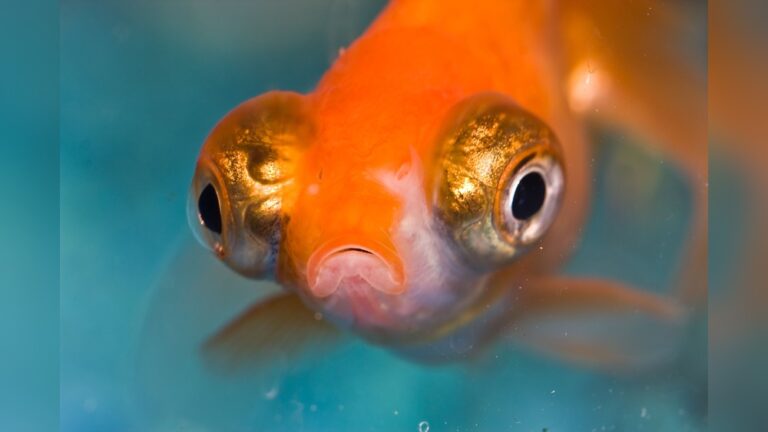
Fish Fungus
Have you ever noticed strange white or fuzzy patches on your fish and wondered what’s wrong? Fish fungus is a common problem that can quickly harm your aquatic pets if left untreated.
Understanding what fish fungus is, how it develops, and the signs to watch for can save your fish from serious health issues. You’ll discover simple ways to spot fish fungus early and effective steps to keep your underwater friends healthy and thriving.
Keep reading—your fish depend on it!
Causes Of Fish Fungus
Fish fungus is a common problem in both freshwater and saltwater aquariums. It often appears as white or grayish patches on a fish’s body or fins. Understanding what causes fish fungus helps prevent and treat this issue effectively.
Fish fungus develops from a combination of biological and environmental factors. These create perfect conditions for fungal spores to grow and infect fish. Stress and poor water quality also play important roles in triggering infections.
Common Fungal Pathogens
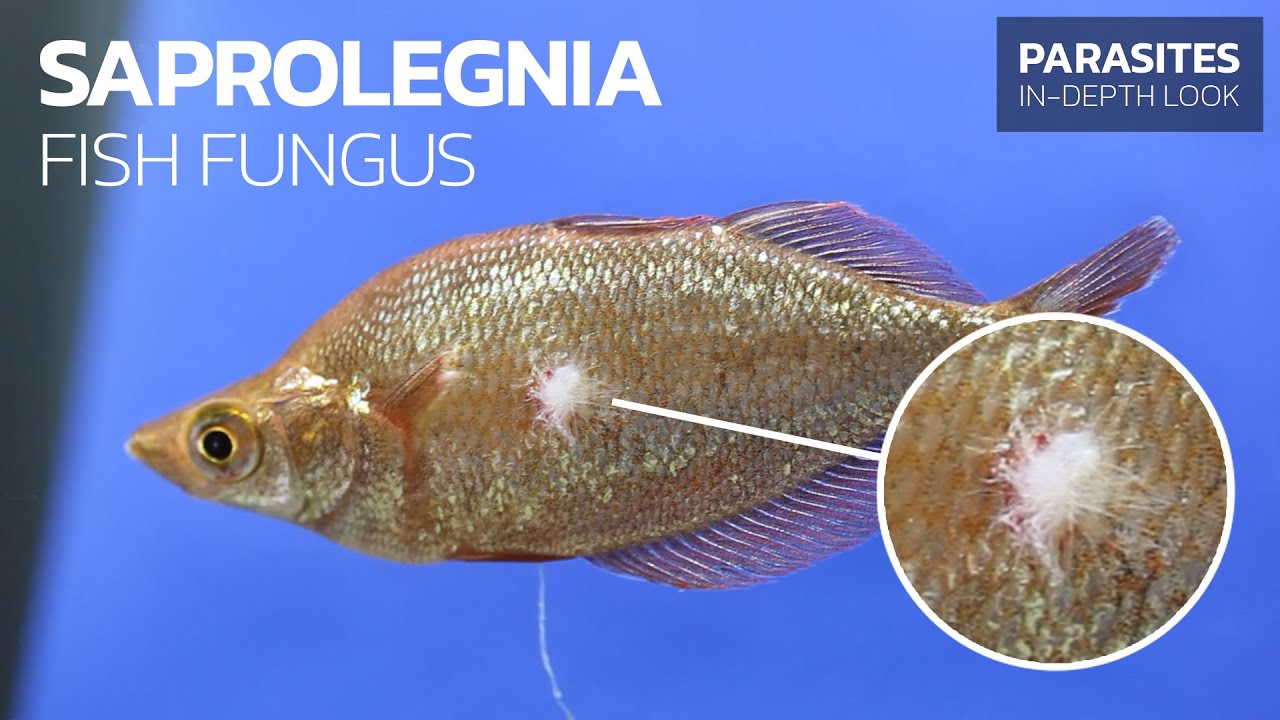
Several fungi cause infections in fish. The most common is Saprolegnia, a water mold that appears as cotton-like growth. Other fungi include Achlya and Fusarium species. These pathogens attach to fish skin or gills, causing damage and illness.
Environmental Triggers
Dirty water and poor filtration encourage fungal growth. High levels of ammonia, nitrites, and nitrates weaken fish defenses. Low oxygen levels and sudden temperature changes also stress fish. These conditions create an ideal environment for fungi to thrive.
Stress Factors In Fish
Stress lowers fish immunity, making them vulnerable to infections. Overcrowding, rough handling, and sudden moves cause stress. Improper diet and lack of hiding places also increase stress. Stressed fish cannot fight off fungal spores effectively.
Credit: interpet.co.uk
Symptoms To Spot
Fish fungus can harm your fish quickly. Early detection helps save your fish. Watch closely for signs on skin and behavior. Catching symptoms early makes treatment easier and more effective.
Visible Signs On Skin And Fins
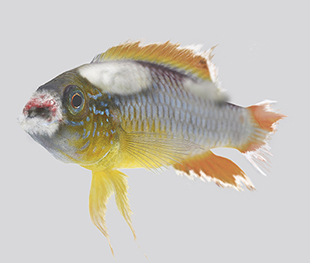
White or gray patches appear on fish skin. These patches may look fuzzy or cotton-like. Fins may become ragged or discolored. Look for redness or inflammation around affected areas. Scales might lift or fall off in spots.
Behavioral Changes
Fish may swim slower than usual. They might hide more often or stay at the tank bottom. Loss of appetite is common with fungus infection. Fish could scratch themselves against tank surfaces. These behaviors show discomfort and stress.
Advanced Infection Indicators
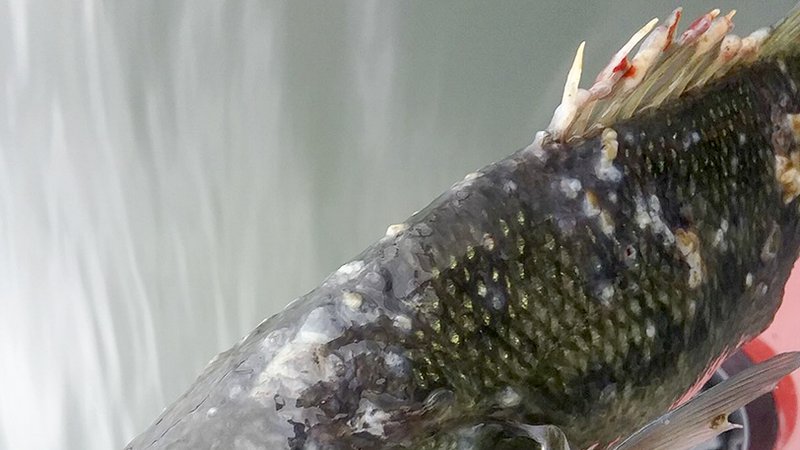
Severe fungus can cause ulcers or open wounds. Fish may lose more scales and show swelling. Breathing might become rapid or labored. The fish could become lethargic and unresponsive. Immediate action is critical at this stage.
Prevention Tips
Preventing fish fungus is easier than treating it. Good habits keep fish healthy and reduce fungal risks. Simple steps protect your fish and tank environment.
Maintaining Water Quality
Clean water stops fungus growth. Test water regularly for ammonia, nitrites, and nitrates. Change 10-20% of water weekly. Use a good filter to remove waste. Avoid overcrowding to keep water fresh. Clear water helps fish stay strong.
Quarantine Practices
New fish can bring fungus. Keep new fish in a separate tank for 2 weeks. Watch for signs of illness before adding them to the main tank. Quarantine stops fungus from spreading to other fish. Clean equipment between tanks to avoid cross-contamination.
Balanced Diet For Fish
Healthy fish resist fungus better. Feed a varied diet with vitamins and minerals. Avoid overfeeding to prevent water pollution. High-quality food supports fish immune systems. Strong fish recover faster from stress and infections.
Treatment Options
Fish fungus can harm your pet fish quickly. Treating it fast helps save their health. Various options exist to fight fish fungus. Choose one that fits your tank and budget. Understanding each treatment helps you act wisely.
Over-the-counter Remedies
Many pet stores sell medicines for fish fungus. These medicines often come as powders, liquids, or tablets. They work by killing the fungus on the fish’s body. Use the product as the label says for safety. Change water often to keep fish healthy during treatment.
Natural And Home Treatments
Some natural options can help fight fish fungus. Salt baths can reduce fungus growth and soothe fish. Use aquarium salt, not table salt. Warm water can also slow fungus spread. Clean the tank and remove dead plants or fish. Good tank hygiene helps prevent fungus return.
When To Consult A Vet
See a vet if fungus stays after treatment. If fish seem weak or stop eating, get help fast. Vets can prescribe stronger medicines or special care. Early vet advice can stop fungus from spreading. Protect your fish by acting quickly and carefully.
Impact On Fish Health
Fish fungus can cause serious problems for fish health. It affects their bodies and weakens their immune systems. This leads to slower growth and shorter life spans. Fish become less active and more prone to diseases. The impact spreads beyond the fungus itself.
Effects On Growth And Longevity
Fungus infections slow down fish growth. Infected fish use energy to fight the fungus. This leaves less energy for growing and staying healthy. Over time, fish may stop growing completely. Their lifespan shortens due to constant stress and damage.
Secondary Infections
Fungus creates open wounds on fish skin. These wounds invite bacteria and other germs. Secondary infections often follow fungal attacks. These infections can be more dangerous than the fungus. They cause more pain and increase death risk.
Recovery Challenges
Healing from fish fungus is difficult. Fish need clean water and good food. Stress from poor environment slows recovery. Treatment must be consistent and timely. Otherwise, the fungus returns or worsens. Recovery takes patience and careful care.
Fungal Life Cycle
The fungal life cycle of fish fungus explains how this disease grows and spreads. Understanding this cycle helps protect fish and control infections. The cycle has clear stages that show how the fungus survives and infects fish.
Spore Formation
Fungi produce spores to reproduce and spread. Spores are tiny and light, able to float in water. They form in special structures made by the fungus. These spores can survive in harsh conditions until they find a host.
Infection Process
The spores attach to the fish’s skin or gills. They begin to grow and invade the fish’s tissues. The fungus feeds on the fish, causing damage and illness. The infection often starts in areas with injuries or weak spots.
Survival Mechanisms
Fish fungus can survive without a host for some time. The spores resist drying and temperature changes. The fungus can hide in debris or water plants. These survival traits help the fungus persist in the environment.
Common Myths
Fish fungus is a common problem for aquarium and pond owners. Many myths surround this disease. These myths cause confusion and wrong treatments. Understanding the truth helps keep fish healthy.
Misconceptions About Transmission
Some believe fish fungus spreads through water only. It can also spread through infected plants and tools. Not all fish in the tank will get the fungus. Healthy fish with strong immune systems often resist infection.
Treatment Myths
Many think quick fixes like salt alone cure fungus. Salt helps but is not enough by itself. Some use antibiotics, but fungus is not caused by bacteria. Proper antifungal medication is required for effective treatment.
Fungus Vs. Other Diseases
Fish fungus looks like white cottony patches. Some confuse it with bacterial infections or parasites. Each disease needs a different approach. Correct diagnosis is key to avoid wasting time and harming fish.
Credit: www.youtube.com
Credit: www.agfc.com
How Smart Pets Lover Can Help You with Fish Fungus
Turning Fish Fungus Knowledge into Practical Care
Understanding the fungal life cycle and spotting early symptoms of fish fungus is more than just theory—it’s a powerful tool for every caring pet parent. When you notice those telltale white patches or fuzzy growths, it’s a sign to act swiftly, using prevention tips that keep your aquatic friends healthy and vibrant. Practical learning means regularly monitoring water quality, maintaining clean tanks, and recognizing how stress or injuries can open the door to fungal infections.
At Smart Pets Lover, we believe that informed pet parents build stronger bonds with their pets. By combining insights about causes and treatment options with hands-on aquarium care, you create a safer environment that supports your fish’s wellbeing. If you ever feel uncertain, reaching out to aquatic vets or reputable online communities can provide additional guidance—because every wag, purr, and fin deserves the best care possible.
Frequently Asked Questions
What Causes Fish Fungus In Aquarium Fish?
Fish fungus is caused by waterborne fungi, often Saprolegnia species. It infects fish through injuries or poor water conditions. Stress and weakened immunity increase vulnerability to fungal infections.
How Can I Identify Fish Fungus Symptoms Early?
Look for white or gray cotton-like patches on fish skin or fins. Fish may show lethargy, loss of appetite, or abnormal swimming. Early detection helps effective treatment and prevents spread.
What Are The Best Treatments For Fish Fungus?
Common treatments include antifungal medications like methylene blue or malachite green. Improving water quality and removing infected fish helps control fungus. Always follow dosage instructions carefully for safety.
Can Fish Fungus Spread To Other Aquarium Inhabitants?
Yes, fish fungus is contagious and can spread via water contact. Quarantine infected fish to prevent transmission. Regular tank cleaning and water changes reduce fungal growth risks.
Conclusion
Fish fungus can harm your fish and tank health. Watch for white or gray patches on fish skin. Clean water and good tank care help prevent fungus. Treat fish quickly to stop spreading. Healthy fish grow strong and live longer.
Keep learning to care for your fish well. Protect your tank from fungus today. Small steps make a big difference.