Fish Feeding Times
Are you wondering when the best times are to feed your fish? Getting the feeding schedule right can make a huge difference in your fish’s health and happiness.
If you feed them too much or at the wrong times, it can lead to problems like poor water quality or stressed fish. But don’t worry—understanding fish feeding times is easier than you think. You’ll discover simple tips to help you create the perfect feeding routine that keeps your fish vibrant and thriving.
Keep reading, and you’ll learn exactly when and how to feed your fish for the best results.
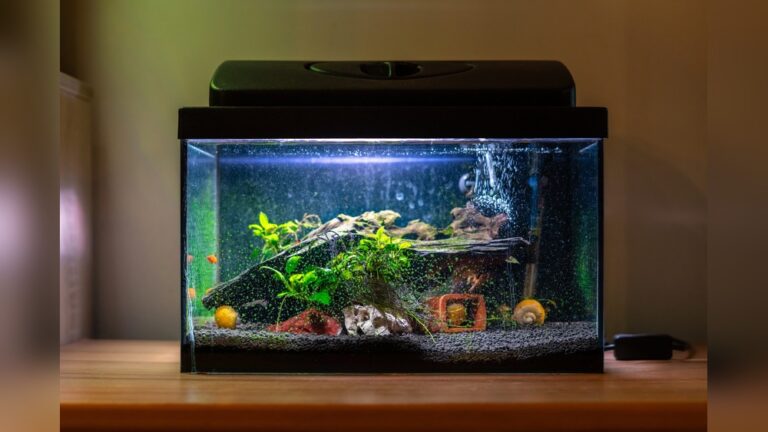
:strip_icc()/how-much-and-how-often-should-you-feed-aquarium-fish-1380923-FINAL-5bed830946e0fb0026f2a7f1-1ac0073c3fba4aee8e88637675dcae13.jpg)
Credit: www.thesprucepets.com
Ideal Feeding Hours
Feeding fish at the right time helps keep them healthy and active. Fish follow natural rhythms. Feeding during their best hours supports their digestion and growth.
Ideal feeding hours depend on the fish species and their environment. Most fish eat best during cooler parts of the day. This usually means morning and evening are perfect times.
Morning Feeding Benefits
Feeding fish in the morning gives them energy for the day. They are more active and ready to eat after resting all night. Morning feeding helps set a routine that fish can trust. It also prevents overfeeding by starting the day with a measured meal.
Evening Feeding Tips
Evening feeding helps fish prepare for the night. Fish slow down after sunset, so smaller portions work better. Feeding too late can cause food to decay in the tank. Feed fish an hour before lights go off for best results.
Factors Affecting Feeding Times
Fish feeding times vary widely due to several important factors. Understanding these factors helps in feeding fish at the right time. It supports their health and natural behavior. The feeding schedule depends on species, environment, and conditions.
Species-specific Habits
Different fish species eat at different times. Some prefer feeding in the morning. Others feed mostly at night. Predatory fish may hunt during twilight hours. Herbivores often graze throughout the day. Knowing your fish species helps set proper feeding times.
Water Temperature Influence
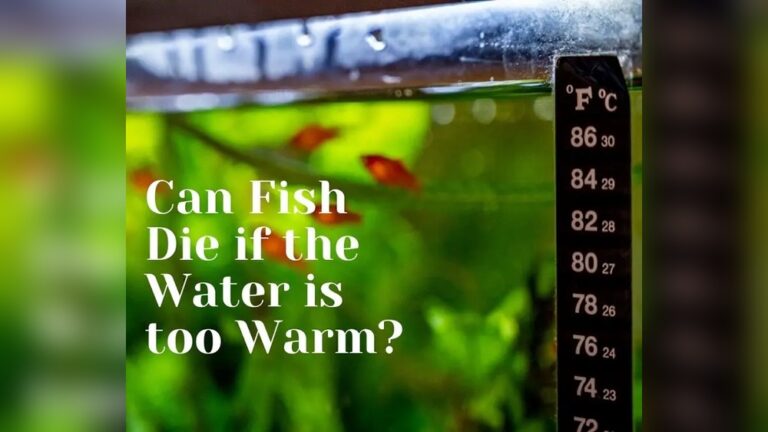
Water temperature affects fish metabolism and appetite. Cold water slows down digestion and activity. Fish eat less in cooler temperatures. Warmer water speeds up metabolism. Fish need more food and feed more often in warm water. Check water temperature to adjust feeding times.
Light And Feeding
Light controls fish feeding behavior. Most fish feed during daylight hours. Some species feed better in low light or darkness. Light affects their internal clocks and hunger signals. Using a consistent light schedule helps regulate feeding times and fish health.
Signs Of Hunger In Fish
Knowing the signs of hunger in fish helps you feed them at the right time. Fish show clear signals when they need food. Observing these signs keeps your fish healthy and happy. It also prevents overfeeding, which can harm your tank.
Behavioral Indicators
Hungry fish often swim actively near the tank surface. They may follow your movements or the sound of feeding. Fish might gather quickly when you approach the tank. Some tap on the glass or nudge decorations. These behaviors show eagerness to eat.
Physical Cues
Thin or sunken bellies indicate hunger in fish. Their fins may look clamped or less vibrant. Sometimes, fish appear restless or less colorful. Look for increased gill movement, which means they want food. These signs help you understand their needs.
Feeding Frequency Guidelines
Feeding fish at the right times helps keep them healthy and active. Fish need food regularly, but the amount and timing depend on their type and size. Following clear feeding frequency guidelines ensures they get the right nutrition without overfeeding. This section explains how often to feed fish for best results.
Daily Feeding Schedules
Most fish do well with two feedings per day. Morning and evening are good times to feed. This routine matches their natural habits. Smaller fish might need more frequent, smaller meals. Avoid feeding too much at once. Leftover food can pollute the water and harm fish.
Adjusting For Growth Stages
Young fish need food more often than adults. They grow fast and burn energy quickly. Feed fry three to four times daily with tiny portions. Adult fish only need feeding once or twice a day. Adjust the amount as fish grow to keep them healthy. Watch their behavior to find the best feeding plan.
Common Feeding Mistakes
Feeding fish sounds simple but many make common mistakes. These errors can harm fish health and water quality. Understanding these mistakes helps keep fish happy and safe.
Overfeeding Risks
Giving too much food causes leftover waste. This waste pollutes the tank water quickly. Fish may eat too much and get sick. Overfeeding also leads to obesity in fish. It can reduce their lifespan and energy.
Excess food attracts harmful bacteria and algae. These can make the water cloudy and smell bad. Cleaning the tank more often becomes necessary. Feeding small amounts is better than too much.
Underfeeding Consequences
Not feeding enough makes fish weak and stressed. They may lose color and become less active. Fish need food for energy and growth. Without enough food, their immune system weakens.
Underfed fish compete aggressively for food. This can cause injury or bullying in the tank. Fish need balanced meals to stay healthy and strong. Regular feeding at correct times supports their well-being.

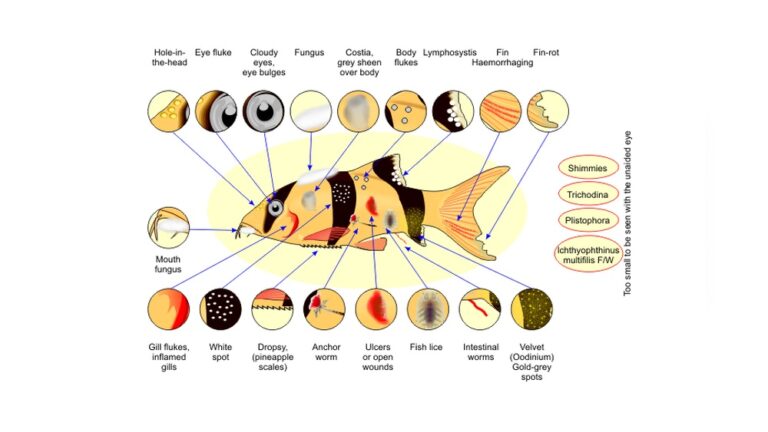
Credit: www.researchgate.net
Tips For Feeding Wild Fish
Feeding wild fish can be a rewarding experience. It helps you connect with nature and observe fish behavior closely. To do this safely and effectively, follow some simple tips. These tips protect the fish and the environment. They also make your outdoor feeding time more enjoyable.
Safe Feeding Practices
Always use natural foods that fish eat in the wild. Avoid bread or processed snacks that can harm fish. Feed small amounts to prevent water pollution. Do not overfeed, as leftover food can attract pests. Keep a safe distance to avoid stressing the fish. Use clean hands or tools to avoid spreading diseases. Respect local rules about feeding wildlife to protect habitats.
Best Times To Feed Outdoors
Feed fish during early morning or late afternoon hours. These times match fish natural feeding habits. Avoid feeding at midday when water is warm. Fish are less active in hot conditions. Choose calm days with little wind for better results. Fish feel safer and come closer during these times. Observe the fish to find their preferred feeding moments.
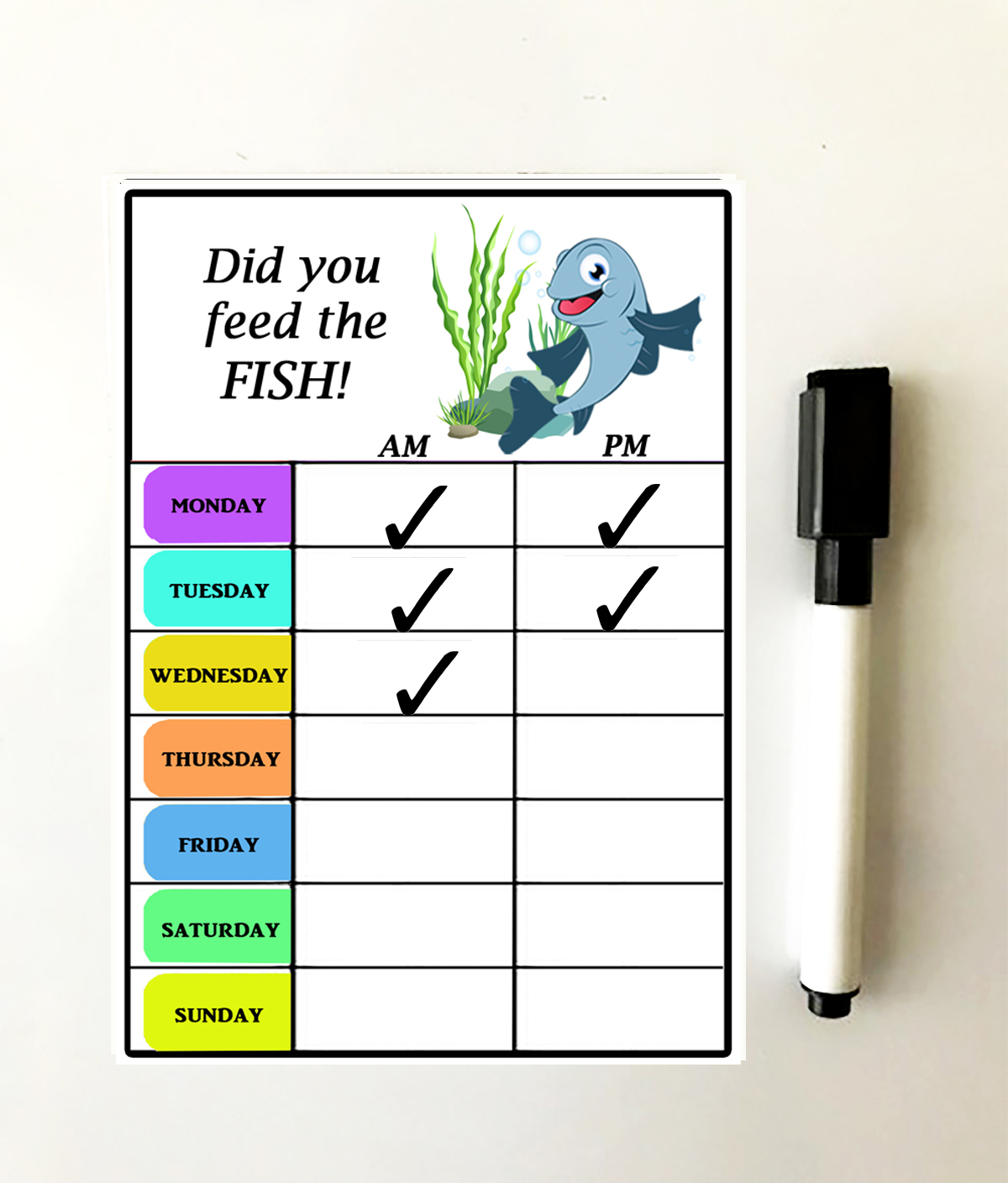
Credit: car-pets.co.uk
How Smart Pets Lover Can Help You with Fish Feeding Times
Turning Fish Feeding Times into Practical Learning Moments
Understanding the ideal feeding hours and recognizing the signs of hunger in your fish opens up more than just a routine—it’s a chance to deepen your connection with these fascinating pets. Observing when your fish are most active can teach you about their natural behaviors and needs, reinforcing the importance of feeding frequency guidelines that keep them healthy and happy.
By paying close attention to factors affecting feeding times, such as water temperature and species-specific habits, you transform everyday care into a mindful practice. This approach not only avoids common feeding mistakes but also helps you respond thoughtfully to your fish’s cues, fostering trust and wellbeing.
- Note subtle behavioral changes during feeding times
- Adjust feeding schedules based on activity levels
- Use feeding as an opportunity to monitor health and vitality
At Smart Pets Lover, we believe that every moment with your pet is a chance to learn and grow together. If you’re ever unsure, reaching out to aquatic care experts or local pet communities can provide personalized insights. Remember, feeding your fish isn’t just about nutrition—it’s about nurturing a story of care and companionship.
For more tailored advice, you can contact us anytime at [email protected]. We’re here to help you feel confident and connected, one fish feeding time at a time.
Frequently Asked Questions
What Are The Best Times To Feed Fish Daily?
Feeding fish early morning and late afternoon is ideal. These times mimic their natural feeding habits and improve digestion. Avoid overfeeding by sticking to scheduled times. Consistency helps maintain water quality and fish health.
How Often Should I Feed My Aquarium Fish?
Most aquarium fish need feeding once or twice daily. Overfeeding can cause water pollution and health issues. Juvenile fish may require more frequent feedings. Monitor fish behavior to adjust feeding frequency appropriately.
Can Feeding Times Affect Fish Growth?
Yes, regular feeding times promote steady fish growth. Consistent nutrition supports metabolism and energy levels. Irregular feeding can stress fish and stunt growth. Proper timing ensures optimal health and development.
Should Feeding Times Vary For Different Fish Species?
Yes, feeding schedules depend on species and habitat. Diurnal fish eat during the day, nocturnal at night. Research your fish type for best feeding times. Tailoring feeding enhances fish wellbeing and reduces waste.
Conclusion
Feeding fish at the right times keeps them healthy and active. Fish eat best during cooler parts of the day, like morning or evening. Overfeeding can harm fish and water quality. Watch your fish to learn their favorite feeding moments.
Consistent feeding routines help fish grow strong and happy. Remember, small meals several times a day work best. Good feeding habits make your fish tank a lively place. Keep it simple, stay consistent, and enjoy watching your fish thrive.