Fish Diseases
Are you worried about the health of your fish? Whether you have a small home aquarium or a large pond, fish diseases can strike unexpectedly and cause serious problems.
Knowing how to spot the signs early and understand common illnesses can save your fish from suffering and keep your water full of life. You’ll discover the most common fish diseases, how they affect your fish, and simple steps you can take to protect your underwater friends.
Keep reading to make sure your fish stay healthy and happy!

Credit: www.amazon.com
Common Fish Diseases
Fish diseases are common problems in aquariums and ponds. They affect fish health and can cause death. Knowing common fish diseases helps in early detection. Early treatment can save many fish.
Bacterial Infections
Bacterial infections are frequent in fish. They cause redness, ulcers, and fin rot. Fish may stop eating and swim strangely. Poor water quality often leads to these infections. Treatment includes antibiotics and improving tank cleanliness.
Parasitic Diseases
Parasites live on or inside fish. They cause itching, spots, and slow movement. Common parasites include ich and flukes. These diseases spread quickly in crowded tanks. Medicines and quarantine help control parasites.
Fungal Infections
Fungal infections look like cotton or white patches. They usually occur after injuries or stress. Fish may lose scales or appear dull. Antifungal treatments and clean water reduce fungal problems.
Viral Diseases
Viruses cause serious fish illnesses. Symptoms vary but include swelling and abnormal behavior. Viral infections have no direct cure. Prevention through good hygiene and quarantine is vital to protect fish.
Symptoms To Watch For
Fish diseases often show clear signs before becoming severe. Watching for symptoms helps catch problems early. Early detection can save your fish and keep your tank healthy.
Behavioral Changes
Fish may act differently when sick. They might swim slower or hide more often. Loss of appetite is common. Some fish may rub against surfaces to ease irritation. Sudden aggression or lethargy also signals trouble.
Physical Signs
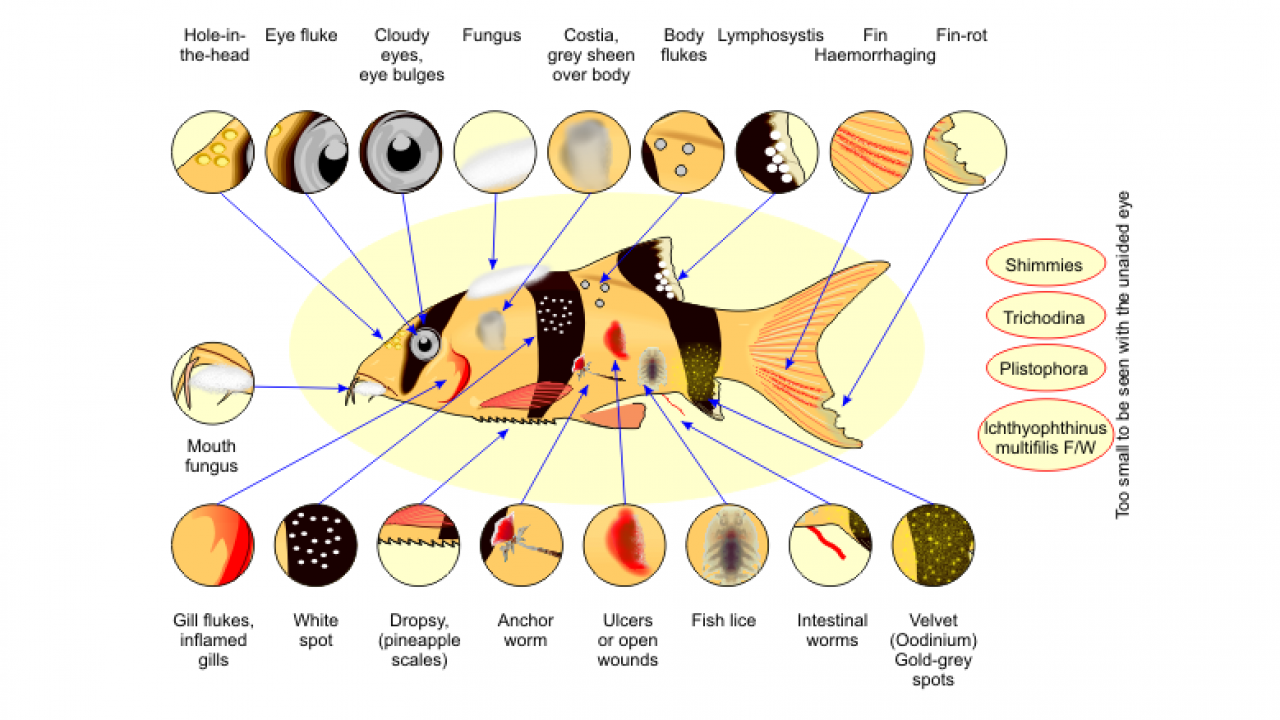
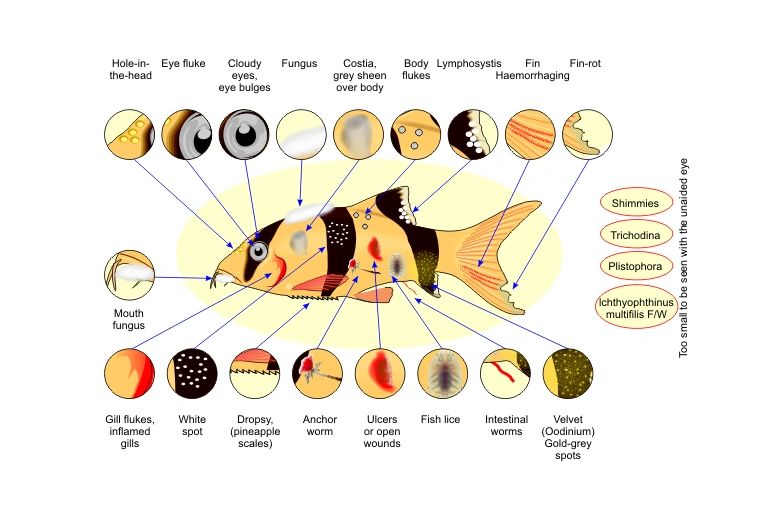
Look for spots, discoloration, or swelling on the fish. Torn fins or unusual lumps can appear. White patches or fuzzy growths often mean infection. Red or inflamed gills show breathing problems. Cloudy eyes or missing scales are warning signs.
Water Quality Indicators
Water plays a big role in fish health. Check for cloudy or foul-smelling water. High ammonia or nitrite levels stress fish and cause disease. Sudden changes in water temperature hurt fish too. Proper water testing helps prevent illness. Clean water keeps fish strong and happy.
Causes Of Fish Diseases
Fish diseases often start from common causes found in many aquariums and ponds. Knowing these causes helps keep fish healthy and lively. Fish are sensitive to their environment. Small changes can cause big problems.
Poor Water Conditions
Dirty water harms fish. High levels of ammonia, nitrites, and nitrates cause illness. Low oxygen and wrong pH levels stress fish and weaken their immune system. Regular water changes and good filtration keep water clean and safe.
Overcrowding
Too many fish in one tank cause stress and disease. Overcrowding leads to poor water quality and fights among fish. Each fish needs enough space to swim and grow healthy. Avoid crowding to prevent sickness.
Stress Factors
Stress weakens fish defenses. Sudden changes in temperature or light cause stress. Loud noises and rough handling also hurt fish health. Calm and stable conditions help fish stay strong and disease-free.
Introduction Of Infected Fish
New fish may carry diseases. Introducing infected fish spreads germs to others. Quarantine new fish before adding them to the main tank. This step protects all fish from illness.
Credit: www.bunnycart.com
Prevention Strategies
Preventing fish diseases is key to keeping your aquarium healthy. Good care stops many common problems before they start. Simple habits help fish live longer and stay strong.
Here are some easy ways to protect your fish from illness.
Maintaining Water Quality
Clean water is the best defense against disease. Test water often for pH, ammonia, and nitrate levels. Keep these in safe ranges for your fish type. Change part of the water regularly. Avoid sudden changes in temperature or chemicals. Clear, fresh water lowers stress and stops germs from growing.
Quarantine Practices
Isolate new fish for two weeks before adding them. Watch for signs of illness during this time. Quarantine helps stop infections from spreading to your main tank. Use a separate tank with similar water conditions. Treat sick fish in quarantine to protect others.
Proper Nutrition
Feed fish a balanced diet made for their species. Good food boosts their immune systems. Avoid overfeeding to keep water clean. Remove leftover food quickly. Healthy fish resist diseases better and recover faster if sick.
Regular Tank Maintenance
Clean the tank and decorations often. Remove algae and waste to reduce harmful bacteria. Check filters and pumps to ensure they work well. Regular care keeps the environment safe and comfortable for fish. A tidy tank helps prevent many common fish diseases.
Treatment Options
Fish diseases require prompt and careful treatment to restore health. Choosing the right treatment depends on the disease type and severity. Some treatments work quickly, while others take more time. Proper care improves fish survival and water quality.
Medications And Remedies
Medications often treat bacterial, fungal, and parasitic infections. Antibiotics help fight bacteria. Antifungal medicines stop fungus growth. Anti-parasitic drugs remove harmful parasites. Use the correct dose and follow instructions. Overuse may harm fish and beneficial bacteria.
Natural Treatments
Natural methods support fish healing without chemicals. Salt baths reduce parasites and improve gill function. Herbal extracts like garlic boost immunity. Clean water and good diet prevent diseases. Natural treatments are gentle but may need more time.
When To Seek Professional Help
Some fish diseases need expert care. Contact a vet if fish show severe symptoms or do not improve. Professionals can diagnose correctly and suggest strong treatments. Early expert help prevents disease spread and fish loss.
Impact On Aquaculture
Fish diseases pose a serious challenge to aquaculture. They reduce fish health and slow growth. Many farms face outbreaks that damage their stock. This affects the whole aquaculture industry worldwide.
Diseases spread quickly in crowded fish farms. They cause death and poor fish quality. This leads to less production and income loss. Managing fish health is key to a strong aquaculture business.
Economic Losses
Fish diseases cause big financial problems for farmers. Sick fish grow slowly or die. This means fewer fish to sell. Farms spend more money on medicine and treatment. Sometimes they must destroy entire fish batches. These losses can put small farms out of business.
Sustainable Management
Good management helps prevent fish diseases. Clean water and proper feeding keep fish healthy. Farms use vaccines to protect fish from illness. Reducing fish stress lowers disease risk. Sustainable practices save money and protect the environment. Healthy fish mean better harvests and stronger farms.
Disease Monitoring Techniques
Early detection of fish diseases is crucial. Farmers use regular fish checks to find signs of sickness. Water quality tests help spot harmful changes. Lab tests identify specific fish diseases fast. New tools include sensors and cameras for constant monitoring. Quick action stops disease spread and saves fish lives.
Credit: aquascapingsupply.com
How Smart Pets Lover Can Help You with Fish Diseases
Turning Fish Diseases Knowledge Into Practical Care
Understanding common fish diseases, their symptoms, and causes is only the beginning of becoming a confident fish parent. At Smart Pets Lover, we believe that learning is most valuable when it empowers you to take action with care and compassion. For example, recognizing early symptoms like unusual swimming patterns or discoloration allows you to implement prevention strategies quickly and effectively.
Keeping your aquatic friends healthy involves ongoing observation and gentle intervention, whether that means adjusting water quality or exploring treatment options suited to your fish’s specific needs. Remember, the impact of diseases on aquaculture highlights the importance of a proactive approach—not just for your home aquarium but also in larger ecosystems.
- Regularly monitor water parameters to prevent disease onset.
- Isolate affected fish promptly to minimize spread.
- Consult trusted resources or aquatic veterinarians when in doubt.
If you ever feel uncertain or want to deepen your understanding, don’t hesitate to reach out to fish care experts or local aquatic centers. After all, where every wag, purr, and chirp tells a story, your fish’s health journey is part of the beautiful narrative of responsible pet ownership.
Frequently Asked Questions
What Are Common Symptoms Of Fish Diseases?
Common symptoms include lethargy, loss of appetite, abnormal swimming, spots, and discoloration. Early detection helps in effective treatment and prevents spread.
How Can I Prevent Fish Diseases In My Aquarium?
Maintain clean water, avoid overcrowding, provide a balanced diet, and quarantine new fish. Regular monitoring and water tests reduce disease risks significantly.
Which Treatments Work Best For Common Fish Diseases?
Treatment varies by disease type but often includes medicated baths, antibiotics, or salt baths. Always follow dosage instructions carefully for best results.
What Causes Fish Diseases In Home Aquariums?
Poor water quality, stress, overcrowding, and introducing infected fish are common causes. Maintaining hygiene and proper care minimizes disease outbreaks.
Conclusion
Fish diseases can affect health and water quality. Early detection helps keep fish safe and healthy. Regular tank cleaning reduces risks of illness. Watch fish behavior closely for any signs of trouble. Proper diet supports strong immune systems in fish.
Treating diseases quickly prevents spread to other fish. Healthy fish create a better environment for all. Taking simple steps protects your aquatic pets well. Stay informed and care for your fish daily. Good habits lead to happy, thriving fish tanks.