Firemouth Cichlid
If you’re looking to add a splash of vibrant color to your aquarium, the Firemouth Cichlid is a perfect choice. This fish is not just stunning with its fiery red throat and bold patterns, but it also has a personality that makes it a fascinating pet.
Whether you’re new to fish keeping or an experienced hobbyist, understanding the Firemouth Cichlid can help you create a lively and healthy home for it. Keep reading to discover everything you need to know to make your tank a vibrant, thriving environment that brings out the best in your Firemouth Cichlid.

Credit: nas.er.usgs.gov
Firemouth Cichlid Basics
The Firemouth Cichlid is a popular fish among aquarium lovers. It is known for its bright colors and active nature. Understanding its basics helps keep it healthy and happy in a tank. This section covers its physical features, natural habitat, and behavior traits.
Physical Features
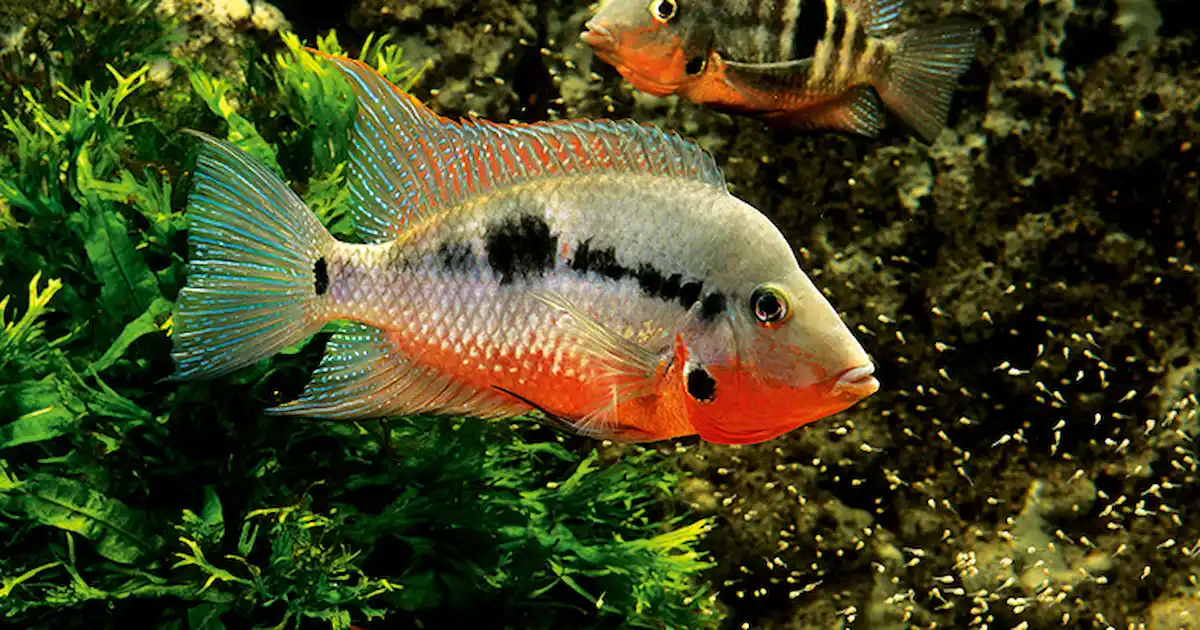
The Firemouth Cichlid has a bright red throat and belly. Its body is usually olive or blue-green. Males often have longer fins and more intense colors. It grows up to 6 inches long. The fish has a strong, laterally compressed body shape. Its eyes are large and alert, adding to its vibrant look.
Natural Habitat
This fish comes from Central America. It lives in slow-moving rivers and lakes in countries like Mexico and Belize. The water there is warm and slightly acidic. Firemouth Cichlids prefer sandy or rocky bottoms. They hide among plants and stones to feel safe. These conditions help them stay calm and healthy.
Behavior Traits
Firemouth Cichlids are known for their bold and curious nature. They defend their territory with flared gill covers, showing their red throat. Males can be territorial, especially during breeding. They are mostly peaceful with other fish but can be aggressive if crowded. These fish enjoy digging and rearranging tank decorations. They often recognize their owners and respond to feeding times.
Tank Setup
Creating the right tank environment is key for Firemouth Cichlids. Their colors and behavior show best in a well-prepared tank. This section covers how to set up a tank that keeps them healthy and happy.
Tank Size And Shape
Choose a tank that is at least 30 gallons for one Firemouth Cichlid. Larger tanks help reduce aggression between fish. A long and wide tank offers more swimming space. Avoid tall tanks, as these fish prefer horizontal space to explore.
Water Conditions
Maintain water temperature between 75°F and 86°F. Keep pH levels slightly acidic to neutral, around 6.5 to 7.5. Water hardness should be soft to medium, near 8-15 dGH. Use a good filter to keep water clean and oxygen-rich. Regular water changes improve fish health.
Decor And Substrate
Use sand or fine gravel as substrate to mimic their natural habitat. Provide rocks and caves for hiding and territory marking. Avoid sharp objects that can hurt your fish. Add some sturdy plants, but expect some to be uprooted. Decor helps reduce stress and encourages natural behavior.
Feeding Firemouths
Feeding Firemouths properly keeps them healthy and colorful. These fish need a balanced diet to stay active and grow well. Understanding their feeding habits helps you care for them better.
Diet Types
Firemouth Cichlids eat both plants and animals. They are omnivores. Offer high-quality flakes or pellets made for cichlids. Include live or frozen foods like brine shrimp and bloodworms. Fresh vegetables like spinach or peas can also help.
Feeding Frequency
Feed Firemouths small amounts two times a day. Avoid overfeeding to prevent water problems. Give only what they can eat in 2-3 minutes. Remove any leftover food quickly to keep the tank clean.
Supplements And Treats
Occasional treats boost Firemouth health. Use vitamin-enriched foods or spirulina flakes. Live foods stimulate their natural hunting instincts. Avoid feeding too many fatty or processed treats. Variety keeps their diet interesting and balanced.
Credit: www.practicalfishkeeping.co.uk
Compatibility
The Firemouth Cichlid is a bold and colorful fish. Its compatibility with other fish depends on careful choices. This fish can be territorial and sometimes aggressive. Knowing which tank mates to avoid and which ones work well helps create a peaceful aquarium.
Tank Mates To Avoid
Avoid small, slow, or shy fish with the Firemouth Cichlid. These fish can become targets of aggression. Also, avoid other aggressive or large cichlids that may fight. Fish that live near the bottom may get bullied too. Keep away from fish that require very different water conditions.
Good Tank Mates
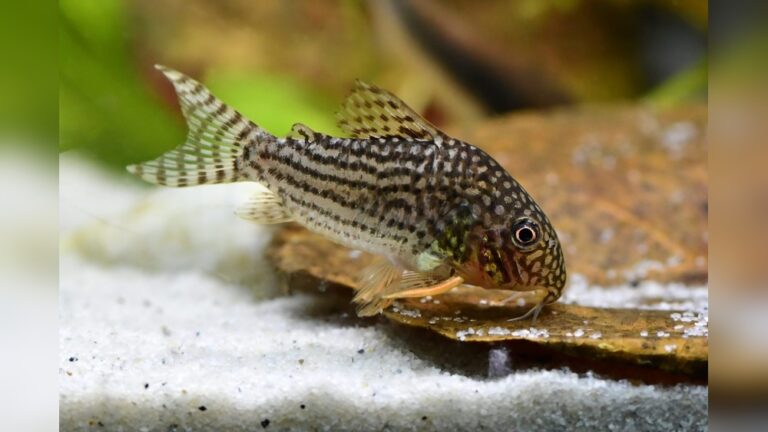
Choose peaceful but sturdy fish that can hold their own. Medium-sized fish like silver dollars or larger tetras work well. Other Central American cichlids with similar temperaments are good options. Catfish and plecos that stay on the bottom make good companions. Always pick fish with matching water needs.
Managing Aggression
Provide plenty of hiding spots using rocks and plants. This reduces stress and fights between fish. Keep the tank spacious to give each fish room. Monitor the Firemouth’s behavior closely. Separate fish if aggression grows too strong. Feeding regularly can also help keep peace.
Breeding Firemouths
Breeding Firemouth Cichlids can be a rewarding experience for aquarium hobbyists. These fish show interesting behaviors during spawning and care for their young. Understanding their breeding needs helps ensure success and healthy fry growth.
Spawning Setup
Choose a tank of at least 20 gallons for a breeding pair. Provide flat rocks or broad leaves for egg laying. Keep water temperature around 78°F to 82°F. Maintain clean water with mild filtration. Soft, slightly acidic water helps mimic natural conditions. Add hiding spots with plants or caves for security.
Egg Care
Firemouths guard their eggs carefully after spawning. The parents fan the eggs to keep them oxygenated. Remove any fungus-infected eggs promptly to protect others. Avoid disturbing the tank during this period. Keep the lighting dim to reduce stress. The eggs hatch in about 3 to 5 days.
Raising Fry
Once hatched, fry stay close to their parents for protection. Feed them tiny foods like infusoria or liquid fry food at first. Gradually introduce crushed flakes or baby brine shrimp as they grow. Change water regularly to maintain quality. Separate fry if aggression occurs. Watch for healthy growth and activity daily.

Credit: www.youtube.com
Health And Common Issues
Keeping your Firemouth Cichlid healthy is key to a happy fish. These colorful fish can face health problems if their tank conditions are poor. Understanding common health issues helps you act fast. Early care can prevent serious illness and death.
Signs Of Illness
Watch for changes in your Firemouth’s behavior. Loss of appetite is a common sign. Fish may hide more than usual. Look for unusual spots or white patches on the body. Clamped fins or rapid breathing show distress. Swollen bellies or red marks can signal infection. Monitor swimming patterns for any odd movements.
Preventive Measures
Keep the tank clean by changing water regularly. Test water for proper pH and temperature. Provide a balanced diet with quality fish food. Avoid overcrowding to reduce stress and disease. Quarantine new fish before adding them to the tank. Use a good filter to maintain water quality. Keep decorations free of sharp edges to prevent injuries.
Treatment Options
Isolate sick fish to stop disease spread. Use aquarium salt to reduce stress and fight infections. Treat infections with appropriate medicine from pet stores. Follow dosage instructions carefully to avoid harm. Perform water changes to improve tank conditions. Consult a vet for severe or unknown illnesses. Always remove uneaten food to prevent water pollution.
How Smart Pets Lover Can Help You with Firemouth Cichlid
Learning Through the Firemouth Cichlid Experience
Bringing a Firemouth Cichlid into your home isn’t just about adding a splash of color to your tank—it’s a wonderful chance to deepen your practical knowledge about aquarium care. By focusing on tank setup and compatibility, you learn how to create a balanced aquatic environment that respects the unique needs of this vibrant species. Observing their feeding habits and social interactions offers insights into their behavior, making you a more attentive and responsive pet parent.
At Smart Pets Lover, we believe every pet journey—whether with dogs, cats, birds, or fishes—is an opportunity to grow and connect. Understanding common health issues in Firemouth Cichlids encourages proactive care, turning potential challenges into learning moments. If questions arise, reaching out to aquarium communities or experts can further enhance your confidence in caring for these spirited fish.
Remember, the key to a thriving Firemouth Cichlid lies in patience and informed care—qualities that make every interaction meaningful and rewarding.
Frequently Asked Questions
What Is The Ideal Tank Size For Firemouth Cichlids?
A minimum of 30 gallons is recommended for one Firemouth Cichlid. Larger tanks are better for multiple fish to reduce aggression. They need ample space to swim and establish territories.
What Do Firemouth Cichlids Eat In Captivity?
Firemouth Cichlids are omnivores. Feed them high-quality pellets, flakes, and live or frozen foods like brine shrimp and bloodworms. A varied diet ensures good health and vibrant colors.
How Aggressive Are Firemouth Cichlids Towards Other Fish?
Firemouth Cichlids show moderate aggression, especially during breeding. They can coexist with similarly sized, robust fish but avoid very small or passive tank mates to prevent stress or injury.
What Water Conditions Suit Firemouth Cichlids Best?
They thrive in water with pH 6. 5-8. 0 and temperature between 75-86°F (24-30°C). Clean, well-filtered water with moderate hardness is essential for their health and coloration.
Conclusion
Firemouth Cichlids are colorful and lively fish. They add life to any freshwater aquarium. Caring for them is simple with the right setup. They enjoy hiding spots and clean water. Their behavior is fun to watch and learn. These fish thrive in a peaceful tank community.
Remember to feed them a balanced diet daily. Enjoy their bright colors and unique personalities. Firemouth Cichlids make great pets for beginners. A beautiful, healthy tank starts with good care.