Fire Shrimp
If you’re looking to add a splash of vibrant color and fascinating activity to your aquarium, the Fire Shrimp might be just what you need. These tiny, fiery-red creatures are not only beautiful but also play a helpful role in keeping your tank clean.
Imagine watching your shrimp glide gracefully across the rocks, actively removing unwanted pests and algae. You’ll discover everything about Fire Shrimp—from their care needs to why they’re a favorite among aquarium enthusiasts. Keep reading to find out how you can bring this stunning and useful addition into your underwater world.
Appearance And Identification
The Fire Shrimp is a striking marine creature easy to spot in coral reefs. Its vibrant look makes it popular among aquarium hobbyists. Understanding its appearance helps in proper identification and care.
Color Patterns
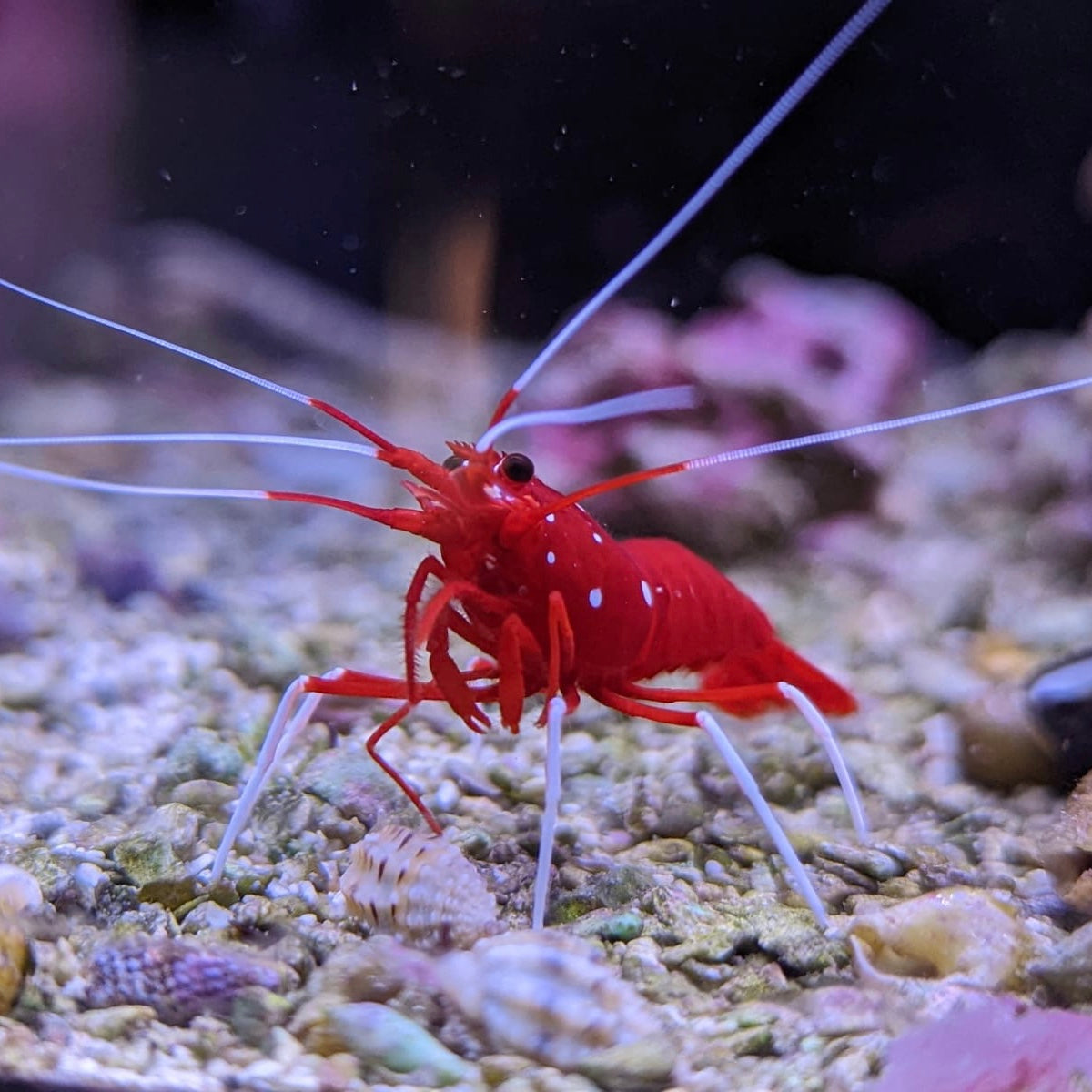
Fire Shrimp shows bright red colors with white spots. The red is deep and eye-catching. White dots scatter across its body, creating a unique pattern. This contrast helps it stand out in its environment.
Size And Shape
Typically, Fire Shrimp grows up to 2 inches long. Its body is slender and slightly curved. The shrimp has long, thin legs and antennae. These features allow it to move quickly and easily among coral.
Distinctive Features
One key feature is its large white claws. These claws have a smooth, glossy look. The shrimp’s eyes are black and round, adding to its sharp appearance. Its antennae are long and move constantly, sensing its surroundings.
Natural Habitat
The natural habitat of the Fire Shrimp reveals much about its behavior and care needs. This shrimp thrives in specific ocean environments that provide shelter and food. Understanding its habitat helps in creating a suitable home in aquariums.
Fire Shrimp live in warm, tropical waters. They prefer places where they can hide and find small food easily. Their bright red color stands out in these environments, serving both as a warning and camouflage among corals.
Geographic Distribution
Fire Shrimp are found mainly in the Indo-Pacific region. Their range includes the Red Sea, East Africa, and many Pacific Islands. These areas have warm waters and rich coral reefs. Such locations offer safety and plenty of food sources.
Preferred Environments
These shrimp favor coral reefs and rocky crevices. They often hide under ledges or among coral branches. The environment must have stable temperatures between 72 and 78 degrees Fahrenheit. Clear water with good flow is also important for their survival.
Symbiotic Relationships
Fire Shrimp form helpful partnerships with certain fish. They clean parasites from fish skin and gills. This mutual benefit keeps both shrimp and fish healthy. Fish recognize the shrimp’s cleaning role and allow close contact without aggression.
Behavior And Lifestyle
The Fire Shrimp is a fascinating marine creature known for its bright colors and unique behavior. Understanding its behavior and lifestyle helps aquarists provide the best care. This section explores how Fire Shrimp feed, interact, and spend their days.
Feeding Habits
Fire Shrimp are omnivores. They eat small particles and leftover food from the tank. They also consume parasites and dead skin on fish. This cleaning habit benefits other tank inhabitants. Feeding them with small pieces of shrimp or fish food ensures they stay healthy.
Social Behavior
These shrimp are generally peaceful. They often form pairs or small groups. They show cleaning behavior, helping fish by removing parasites. Fire Shrimp can be territorial but usually avoid fights. Providing enough space reduces stress and aggression.
Daily Activity Patterns
Fire Shrimp are mostly active during the day. They spend time cleaning and searching for food. At night, they hide in crevices or coral. Their bright colors make daytime activity safer. This pattern helps them avoid predators and rest well.

Credit: iwarnaaquafarm.com
Aquarium Care
Fire Shrimp are bright and active creatures that bring life to any aquarium. Proper care helps them stay healthy and show their best colors. Setting up the right environment is important for their well-being.
Understanding their needs makes aquarium care easier and more fun. This guide covers key points for keeping Fire Shrimp happy and thriving.
Tank Setup
Choose a tank of at least 10 gallons for Fire Shrimp. Provide plenty of hiding spots using rocks and plants. A sandy or fine gravel substrate works best. Include live plants to create a natural habitat. Good water flow keeps the tank clean and oxygen-rich. Avoid strong currents that can stress the shrimp.
Water Conditions
Maintain water temperature between 72°F and 78°F. Keep pH levels between 7.5 and 8.4 for best health. Regular water changes keep ammonia and nitrate low. Use a quality filter to keep water clear. Test water parameters weekly to avoid sudden changes. Stable water conditions reduce stress and disease risks.
Diet And Feeding
Feed Fire Shrimp a varied diet for strong health. Offer algae wafers, shrimp pellets, and vegetable flakes. Supplement with small pieces of fish or shrimp food. Feed once or twice daily in small amounts. Remove uneaten food to prevent water pollution. They also enjoy biofilm and natural algae in the tank.
Tank Mates
Choose peaceful tank mates that do not harm shrimp. Small fish like gobies and blennies work well. Avoid large or aggressive fish that may eat Fire Shrimp. Snails and other non-aggressive invertebrates are good companions. Monitor interactions to keep all species safe. A calm community supports the shrimp’s natural behavior.
Breeding Fire Shrimp
Breeding Fire Shrimp can be a rewarding experience for aquarium hobbyists. These vibrant shrimp bring color and life to tanks. Understanding their breeding process helps increase success rates. Fire Shrimp require specific conditions to reproduce successfully. Their larvae need special care during early stages. Raising juveniles also demands attention to water quality and feeding.
Breeding Conditions
Fire Shrimp prefer warm water between 75°F and 80°F. Stable water parameters boost breeding chances. Keep pH around 8.0 to 8.4 for best results. Provide plenty of hiding spots with live rock. They need a peaceful tank without aggressive fish. A well-fed shrimp is more likely to breed. Feed them small, protein-rich foods daily.
Larval Development
After spawning, Fire Shrimp release tiny larvae into the water. Larvae are very delicate and need calm water. Strong currents can harm them. Use a separate rearing tank with gentle water flow. Feed larvae with special plankton or liquid foods. Larvae will molt several times before becoming juveniles. This stage lasts about two to three weeks.
Raising Juveniles
Juvenile Fire Shrimp need clean, stable water conditions. Keep water temperature steady and avoid sudden changes. Feed juveniles finely crushed food or algae. Provide small hiding places to reduce stress. Monitor water quality closely to prevent disease. Regular partial water changes help maintain good conditions. Juveniles grow quickly and develop their bright colors.
Common Health Issues
Fire Shrimp are hardy creatures but face some common health issues. Knowing these problems helps keep them healthy. Early care can prevent serious illness and loss.
Water quality, stress, and poor diet often cause health problems. Detecting illness early makes treatment easier. Watch your shrimp daily for any changes.
Signs Of Illness
Look for changes in color or spots on the body. Slow or no movement can signal sickness. Loss of appetite is a common warning. Shrimp hiding more than usual may feel unwell. White patches or fuzzy growths indicate fungal infections.
Preventive Measures
Keep water clean and stable to avoid stress. Test water parameters regularly for ammonia and nitrites. Feed a balanced diet with fresh and varied food. Avoid overcrowding to reduce fights and stress. Quarantine new shrimp before adding to the tank.
Treatment Options
Isolate sick shrimp in a separate tank for care. Use aquarium salt to help fight parasites and fungus. Medications can treat bacterial infections, follow instructions carefully. Improve water quality to support shrimp recovery. Remove uneaten food to prevent harmful bacteria growth.
Role In Reef Ecosystems
The Fire Shrimp plays an important role in reef ecosystems. This small creature helps keep the reef clean and healthy. Its actions support many other animals in the reef community. Understanding its role helps us appreciate how reefs stay balanced.
Fire Shrimp is known for its unique behaviors and interactions. These actions shape the environment and influence the reef’s health. Let’s explore how this shrimp contributes to the reef ecosystem.
Cleaning Behavior
Fire Shrimp acts as a cleaner for fish and other reef animals. It removes parasites and dead skin from their bodies. This cleaning helps keep fish healthy and free from diseases. Many fish visit Fire Shrimp stations regularly. The shrimp waves its long antennae to signal readiness to clean. This behavior creates a mutual benefit for shrimp and fish.
Interactions With Other Species
Fire Shrimp forms close relationships with various reef creatures. It often lives near anemones, gaining protection from predators. The shrimp defends its territory by chasing away small intruders. Fish benefit from the shrimp’s cleaning, leading to peaceful coexistence. These interactions increase the diversity and balance of the reef community.
Environmental Impact
Fire Shrimp helps maintain reef health by reducing parasite loads. Its cleaning supports fish populations and overall reef vitality. This shrimp also serves as food for larger predators. Its presence indicates a healthy and balanced reef environment. Losing Fire Shrimp could disrupt these natural processes and harm the reef.
Credit: www.barrierreefaquariums.com

Credit: www.reefcleaners.org
How Smart Pets Lover Can Help You with Fire Shrimp
Exploring Fire Shrimp: A Hands-On Learning Experience
Getting to know Fire Shrimp beyond their stunning appearance opens up rewarding practical learning opportunities. Observing their behavior and lifestyle in a home aquarium allows you to witness their unique cleaning habits and social interactions firsthand. This kind of engagement not only deepens your understanding of their role in reef ecosystems but also sharpens your skills in aquarium care and maintenance.
- Track their behavior to better anticipate their needs and health concerns.
- Experiment gently with tank setups that mimic their natural habitat to see what helps them thrive.
- Document breeding attempts, noting how environmental factors influence success rates.
At Smart Pets Lover, we believe that every pet parent’s journey with creatures like Fire Shrimp is a story worth sharing—where learning meets compassion. If you ever want to chat about your experiences or need guidance on best practices, connecting with fellow enthusiasts or experts can make all the difference. Remember, nurturing curiosity helps build confident, caring pet owners who truly understand the delicate balance of aquatic life.
Frequently Asked Questions
What Is A Fire Shrimp In Aquariums?
Fire Shrimp, also known as Lysmata debelius, is a popular saltwater shrimp. It is prized for its bright red color and white spots. Fire Shrimp helps keep aquariums clean by eating parasites and dead tissue from fish.
How To Care For Fire Shrimp Properly?
Fire Shrimp needs stable water conditions with temperatures between 72-78°F. They require a saltwater tank with hiding spots. Feed them a varied diet including meaty foods. Avoid aggressive tank mates to prevent stress and harm.
Are Fire Shrimp Peaceful With Other Marine Life?
Yes, Fire Shrimp are peaceful and usually coexist well with other fish. They act as cleaner shrimp, removing parasites from fish. However, avoid housing them with large predatory species that may see them as food.
What Do Fire Shrimp Eat In Captivity?
Fire Shrimp eat small meaty foods such as brine shrimp, mysis shrimp, and chopped seafood. They also scavenge leftover food and parasites from tank mates. A balanced diet ensures their vibrant color and health.
Conclusion
Fire shrimp add bright colors and life to any aquarium. They help keep tanks clean by eating algae and debris. These shrimp are peaceful and easy to care for. Their unique look makes them a favorite for many hobbyists. Watching their behavior can be both fun and relaxing.
Choosing fire shrimp can improve your tank’s health and beauty. Give them a proper home, and they will thrive. Small creatures with big charm. A great addition to your underwater world.