Fighting Conch: Ultimate Guide to Identification & Conservation
Have you ever heard of the fighting conch? This fascinating sea creature holds secrets that can surprise and captivate you.
Whether you’re curious about marine life or looking for something new to explore, understanding the fighting conch will change the way you see the ocean. Keep reading, and you’ll discover why this shell is more than just a pretty shell—it’s a story of strength, survival, and nature’s clever design.
Your next favorite ocean fact is right here.
Fighting Conch Features
The Fighting Conch is a fascinating sea creature known for its unique features. Its shell and body have distinct traits that help it survive in coastal waters. Understanding these features gives us insight into its behavior and habitat.
Shell Shape And Size
The Fighting Conch has a strong, spiral shell. Its shape is thick and sturdy, which protects it from predators. The shell grows up to 6 inches long. Its size makes it easy to spot on sandy sea floors.
Color Patterns
The shell shows colors like pink, orange, and brown. These colors blend well with the ocean floor. The patterns help the conch hide from enemies. Each shell has a unique look, like a fingerprint.
Distinctive Markings
Look for ridges and spikes on the shell’s edge. These markings give the conch a rough texture. They make the shell harder to break. The sharp edges also help the conch move through sand.
Anatomy Basics
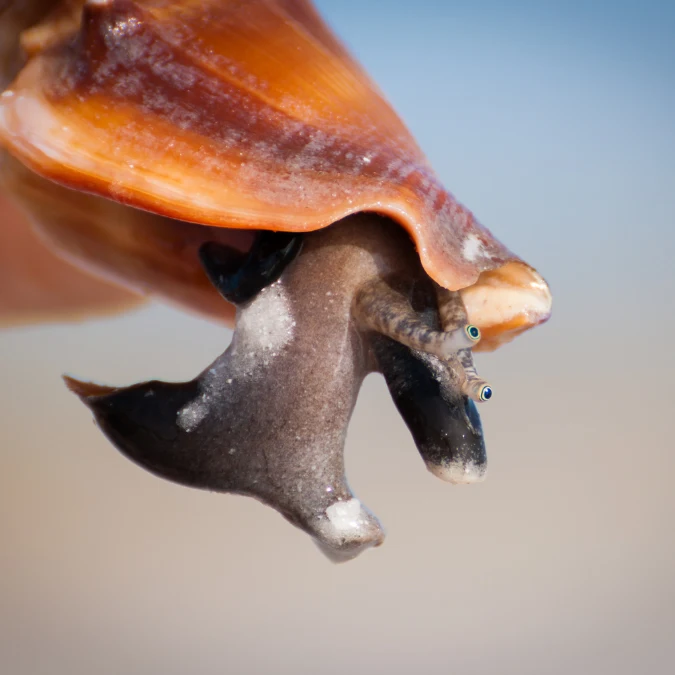
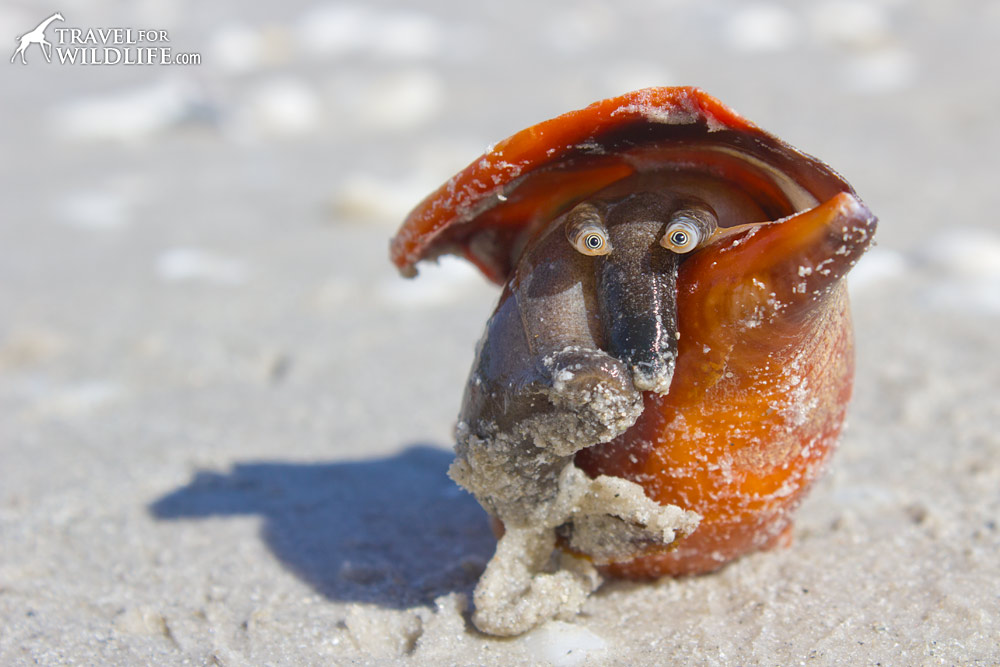
The Fighting Conch has a soft body inside the shell. It uses a strong foot to walk and dig. Its eyes sit on stalks to see around. A long siphon helps it breathe while buried in sand.
Habitat And Range
The Fighting Conch is a marine snail known for its strong shell and beautiful colors. It lives in warm ocean waters and prefers specific types of environments. Understanding where these conchs live helps us learn about their lifestyle and survival.
Preferred Environments
Fighting Conchs favor shallow waters with sandy or muddy bottoms. They often live near coral reefs and seagrass beds. These areas provide food and protection from predators. The water is usually clear and warm, ideal for their growth.
Geographic Distribution
These conchs are found mainly in the Caribbean Sea and the Gulf of Mexico. Their range includes the coasts of Florida, the Bahamas, and parts of Central America. They stay close to tropical and subtropical shorelines, avoiding cold waters.
Migration Patterns
Fighting Conchs do not migrate long distances. They move slowly around their habitat to find food and mates. During breeding seasons, they may shift slightly to safer or richer feeding areas. This movement is usually local and limited.
Behavior And Diet
The Fighting Conch is a fascinating sea creature with unique behavior and diet. Understanding how it feeds, moves, and reproduces helps us appreciate this marine animal better. Its habits are simple but important for its survival in coastal waters.
Feeding Habits
Fighting Conchs eat mostly algae and small plants. They scrape algae off rocks and sea grass using their strong mouth parts. Their diet helps keep the ocean floor clean and healthy. They feed mostly during the day when light is available.
Movement And Activity
These conchs move by pushing their muscular foot on the sand. Movement is slow but steady. They can also swim short distances by flapping their shells. Fighting Conchs are more active in warm water and calm conditions. They hide under sand or rocks to avoid predators.
Reproductive Behavior
Fighting Conchs reproduce by external fertilization in shallow waters. Males and females release eggs and sperm into the water. Eggs develop into free-swimming larvae before settling on the sea floor. This process ensures new generations grow in safe habitats.
Credit: keysmarinelifedirect.com
Threats To Fighting Conch
The fighting conch faces many threats in the wild. These threats reduce their numbers and harm their environment. Protecting these creatures means understanding the dangers they face. The following sections explain the main threats to fighting conch.
Overharvesting
People collect fighting conchs for food and shells. Overharvesting takes too many from the wild. This lowers their population quickly. When many conchs are removed, they cannot reproduce well. This causes fewer young conchs to grow.
Habitat Loss
Fighting conchs live in shallow waters and sandy bottoms. Coastal development destroys these habitats. Buildings, roads, and tourism reduce safe places for conchs. Without their homes, conchs struggle to survive. Habitat loss also means less food for them.
Pollution Effects
Pollution harms fighting conchs and their waters. Chemicals and trash make the water unsafe. Polluted water can kill young conchs and adults. It also damages the plants and animals they eat. Clean water is essential for their health.
Climate Change Impact
Climate change warms ocean waters and raises sea levels. These changes harm conch habitats and food sources. Warmer water can cause stress and disease. Rising seas flood coastal areas where conchs live. Climate change makes survival harder for fighting conchs.
Conservation Efforts
Conservation efforts for the Fighting Conch aim to protect this important marine species. These efforts focus on preserving its habitat and ensuring its population stays healthy. Several strategies help maintain the balance between nature and human activities.
Protected Areas
Protected areas serve as safe zones for the Fighting Conch. These zones limit fishing and other harmful activities. By creating marine reserves, the conch can breed and grow without disturbance. This protection helps increase their numbers over time.
Sustainable Harvesting
Sustainable harvesting means collecting Fighting Conch in a way that does not harm their population. Rules set limits on the size and amount that can be taken. This ensures the conch have time to reproduce. It also allows fishermen to keep using this resource in the future.
Community Involvement
Local communities play a key role in conch conservation. They help monitor and follow fishing rules. Education programs teach why protecting the conch matters. When people care about their environment, they work harder to protect it.
Research And Monitoring
Scientists study Fighting Conch to understand their life cycle and threats. Regular monitoring tracks population changes and health. This data guides better conservation policies. It also helps spot problems early, so actions can be taken quickly.
How To Identify Fighting Conch
Identifying the Fighting Conch can be simple with the right tips. This sea snail stands out with unique features. Knowing how to spot it helps in beachcombing and marine studies.
Look closely at its shell, shape, and colors. Each detail tells a story about the species. Understanding these details makes it easy to tell it apart from similar snails.
Comparing Similar Species
The Fighting Conch resembles other conchs but has key differences. Its shell is thick and sturdy. Other species may have thinner, smoother shells.
The lip of the Fighting Conch’s shell flares out and is often pink inside. Similar species might show a white or pale lip. Also, the shell’s spines are sharper and more pronounced.
Key Identification Tips
Check the shell size; Fighting Conchs grow up to 6 inches long. Notice the shell’s color, usually brown with orange or pink highlights. The shell surface has ridges and small bumps.
Another sign is the animal’s foot, which is large and muscular. It uses this foot to move quickly. The operculum, a small door-like part, is thick and oval-shaped.
Using Field Guides
Field guides are helpful tools to identify Fighting Conchs. They show pictures and details for easy comparison. Choose guides focused on marine life or sea shells.
Use the guide to match shell features and colors. Pay attention to notes about habitat and behavior. This helps confirm the identification with confidence.
Role In Ecosystems
The fighting conch plays a vital role in its ecosystem. This sea snail helps keep marine environments healthy and balanced. Its actions impact many other species and the overall habitat.
Understanding the fighting conch’s role shows why it is important to protect them. These creatures contribute to the health of coral reefs and sandy ocean floors.
Ecological Importance
Fighting conchs help clean the ocean floor by eating algae and dead plants. This keeps the water clear and the coral reefs safe from overgrowth. Their grazing prevents algae from smothering corals.
They also recycle nutrients by breaking down organic matter. This process supports the growth of other marine life. Without fighting conchs, ecosystems could become unbalanced and less diverse.
Interactions With Other Species
Fighting conchs serve as food for many predators like fish, crabs, and sea turtles. This makes them an important link in the food chain. Their presence supports a variety of ocean animals.
These conchs also create habitats for small creatures by moving shells and stirring the sand. Their shells provide shelter after they die. Many small animals rely on these shells for protection.
Legal Protections
The fighting conch is a sea snail found in tropical waters. Its population faces threats from overharvesting and habitat loss. Legal protections help keep this species safe. These laws control how people can collect and use fighting conchs. They aim to balance human use with conservation. Understanding these rules is key to protecting the species.
International Laws
The fighting conch benefits from several international laws. These laws regulate trade across countries. The Convention on International Trade in Endangered Species (CITES) lists the fighting conch. This listing controls its export and import. It requires permits for any international trade. This helps reduce illegal harvesting and trafficking.
International agreements encourage cooperation between countries. They share information about the species and threats. Countries work together to enforce laws and protect the conch’s habitat. These efforts support the species’ survival worldwide.
Local Regulations
Local laws vary by region but often include fishing limits. Many places set size limits to protect young conchs. Only adults above a certain size can be collected. Some areas have closed seasons to allow breeding. These rules help maintain a healthy population.
Marine protected areas also safeguard the fighting conch. These zones restrict or ban harvesting. Local governments monitor these areas closely. Community involvement in conservation boosts compliance. Respecting local regulations ensures the fighting conch can thrive.
Supporting Conservation
Supporting conservation of the Fighting Conch is crucial for its survival. These sea creatures face threats from overharvesting and habitat loss. Efforts to protect them help keep the ocean ecosystem healthy. Everyone can play a part in saving this important species.
Here are some ways people and communities contribute to Fighting Conch conservation.
Responsible Tourism
Tourists can enjoy nature without harming conch populations. Avoid collecting conchs or disturbing their habitats. Choose tours that follow local conservation rules. Support businesses that protect marine life. Responsible tourism helps keep conch numbers stable for future visitors.
Citizen Science
People can help scientists by reporting conch sightings. Simple apps and websites allow easy data sharing. This information shows where conchs live and how many exist. More data helps create better conservation plans. Anyone interested in nature can join these efforts.
Advocacy And Education
Raising awareness about Fighting Conch issues is powerful. Schools and communities can teach why conchs matter. Sharing facts reduces harmful practices like illegal fishing. Advocates push for laws to protect conchs and their homes. Education builds respect and care for marine life.
Credit: www.travel4wildlife.com

Credit: www.reefcleaners.org
How Smart Pets Lover Can Help You with Fighting Conch
Learning from the Fighting Conch: A Practical Approach
Understanding the Fighting Conch’s unique behavior and its role in marine ecosystems opens a wonderful avenue for practical learning. Observing how this fascinating mollusk navigates its habitat and interacts with its environment can teach us about resilience and adaptation—valuable lessons for any pet lover.
If you’re curious about identification or want to support conservation efforts, consider joining local marine education programs or citizen science projects. These hands-on experiences deepen your connection to nature while reinforcing the importance of protecting threatened species like the Fighting Conch.
- Explore how diet and habitat preferences affect their survival
- Learn to recognize signs of environmental stress and threats
- Engage with community-driven conservation initiatives
At Smart Pets Lover, we believe that every story of an animal—from dogs and cats to fishes like the Fighting Conch—helps build empathy and informed stewardship. For more guidance or to connect with experts passionate about marine life, you might reach out to organizations specializing in marine conservation or your local aquarium’s education department.
By embracing these learning opportunities, you’re not only enriching your understanding but also contributing to a healthier planet—one small shell at a time.
Frequently Asked Questions
What Is A Fighting Conch?
The Fighting Conch is a large sea snail found in the Caribbean. It has a sturdy shell and strong foot, used for defense and movement. These conchs are known for their aggressive behavior when disturbed.
Where Do Fighting Conchs Live?
Fighting Conchs mainly inhabit shallow sandy and seagrass areas in warm Caribbean waters. They prefer clear, warm coastal environments with abundant vegetation for food and shelter.
How Do Fighting Conchs Defend Themselves?
They use their hard, spiny shells and strong foot to resist predators. When threatened, they can deliver powerful kicks to deter attackers and quickly retreat into their shells.
What Do Fighting Conchs Eat?
Fighting Conchs primarily feed on algae and detritus found on the sea floor. Their diet helps maintain healthy seagrass beds and contributes to the marine ecosystem balance.
Conclusion
The fighting conch is a fascinating sea creature. It plays an important role in ocean life. Watching its unique shell and movements can be fun. Protecting its habitat helps keep ocean balance. Learning about the fighting conch shows nature’s beauty.
Small creatures like this matter a lot. Respecting them keeps our waters healthy. Take time to appreciate these ocean dwellers. Nature has many wonders waiting to be seen.