Fiddler Crab
Have you ever noticed a tiny crab waving one claw wildly, almost like it’s trying to get your attention? That’s a fiddler crab, a fascinating little creature with a unique way of communicating and surviving.
If you think crabs are all the same, think again. Understanding fiddler crabs can change how you see nature’s small wonders—and maybe even inspire you to look closer at the world around you. Keep reading, and you’ll discover surprising facts about these lively crabs that you won’t want to miss.
Credit: www.carolina.com
Fiddler Crab Basics
Fiddler crabs are small, interesting creatures often found near the shore. They have a unique look and behavior that make them easy to spot. Understanding their basics helps appreciate their role in nature and their fascinating habits.
These crabs are not just small; they have special features and live in specific places. Knowing about their physical traits, where they live, and the different types helps us learn more about them.
Physical Features
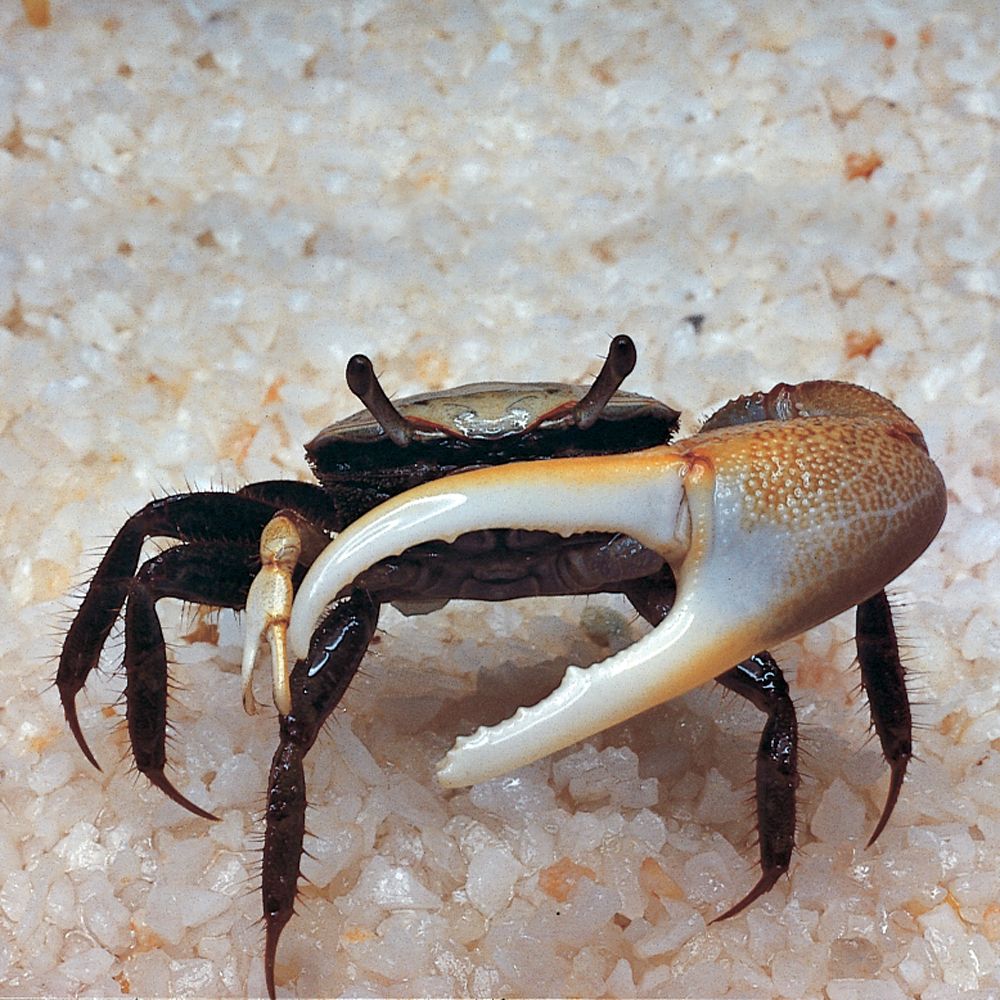
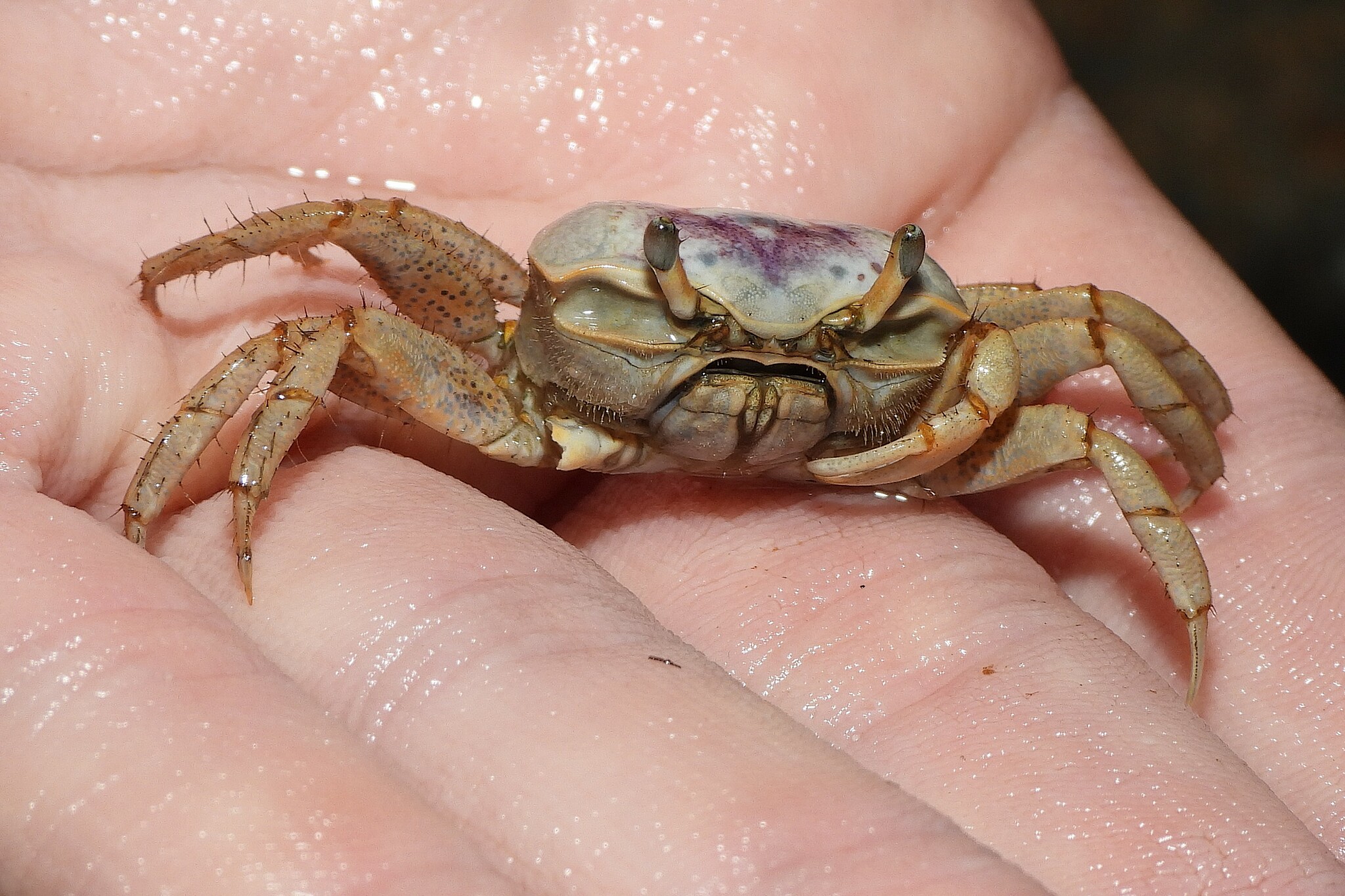
Fiddler crabs have one claw much larger than the other. This big claw is usually on the male and is used for waving to attract mates. Their bodies are small and round, with colors that blend into sandy or muddy shores. The smaller claw helps them eat and dig.
Habitat And Range
These crabs live mostly in coastal areas. They prefer mudflats, sandy beaches, and mangroves where they can dig burrows. Fiddler crabs are found in warm regions worldwide, including parts of the Americas, Africa, and Asia. They need wet soil to survive and breathe.
Species Variations
There are many types of fiddler crabs. Each species has differences in claw size, color, and behavior. Some wave their claws faster or slower, and others live in slightly different habitats. These variations help them adapt to their environment and avoid predators.
Credit: www.marylandbiodiversity.com
Behavior And Lifestyle
Fiddler crabs have unique behaviors that make them interesting to watch. Their lifestyle revolves around feeding, mating, and shelter. Each activity plays a key role in their survival and daily routine. These small creatures show clear patterns in how they live and interact.
Feeding Habits
Fiddler crabs feed mainly on algae and detritus found in mud. They use their small claw to scoop up food particles. Then, they sift through the mud to find edible bits. Their feeding helps clean the shore and recycle nutrients. They often feed during low tide when mudflats are exposed. This behavior keeps them safe from predators.
Mating Rituals
Male fiddler crabs have one large claw used for attracting females. They wave this claw in a specific pattern to show strength. This waving signals readiness to mate and scares off rivals. Females watch and choose males with the best displays. Once chosen, the pair stays close for breeding. This ritual happens mostly during warmer months.
Burrowing And Shelter
Fiddler crabs dig burrows in soft mud or sand. These burrows protect them from heat and predators. The crabs retreat inside during high tide or danger. Burrows also serve as places to mate and raise young. Each crab maintains its own burrow carefully. These shelters are vital for their safety and comfort.
Role In The Ecosystem
Fiddler crabs play an important role in their ecosystem. These small crabs live in coastal areas like mudflats and mangroves. Their activities help keep the environment healthy and balanced. Understanding their role shows how nature depends on even tiny creatures.
Soil Aeration
Fiddler crabs dig burrows in the soil. These burrows allow air to reach deep underground. This process is called soil aeration. It helps plants grow better by improving oxygen flow to their roots. The digging also moves nutrients around in the soil. This keeps the ground fertile and healthy.
Food Chain Position
Fiddler crabs are both prey and scavengers. They eat algae and decaying plants on the mud. This cleans up the environment and recycles nutrients. Many birds and fish hunt fiddler crabs for food. This makes crabs an important part of the food chain. Their presence supports many other animals.
Interactions With Other Species
Fiddler crabs share their habitat with many species. Their burrows provide shelter for small animals. These crabs also compete with other creatures for food. Their movements help spread seeds and microorganisms. This creates a balanced and lively ecosystem. Every action by fiddler crabs affects other life forms.
:strip_icc()/fiddler-crab-134252510-57ffec745f9b5805c2b0f356.jpg)
Credit: www.thesprucepets.com
Fiddler Crab Adaptations
Fiddler crabs have unique features that help them live well in their habitats. Their bodies and behaviors are shaped by the need to survive in changing environments. These adaptations make fiddler crabs interesting and important creatures in coastal ecosystems.
Each adaptation plays a key role in their daily life. From how they use their claws to how they hide from danger, fiddler crabs show clever ways to stay safe and find food.
Claw Function And Significance
Male fiddler crabs have one claw much larger than the other. This big claw is used to attract females and fight rivals. It also helps in communication by waving to other crabs. The smaller claw is for eating and digging. This difference in claws is vital for their survival and reproduction.
Camouflage And Defense
Fiddler crabs can blend into sandy or muddy areas easily. Their shell colors often match the ground. This camouflage hides them from birds and other predators. When threatened, they quickly retreat into burrows. Their burrows offer safety and a place to stay cool and moist.
Environmental Adaptations
Fiddler crabs live in areas with changing tides. They can survive both underwater and on land. Their gills help them breathe in water and air. They also store water in their shells to keep gills wet when on land. These adaptations allow them to move between water and land with ease.
Conservation And Threats
Fiddler crabs face many challenges that threaten their survival. These small creatures depend on coastal areas for food and shelter. Changes in their environment put them at risk. Understanding these threats helps protect fiddler crabs better.
Habitat Loss
Fiddler crabs live in mudflats and mangroves. These habitats are shrinking due to human activities. Building roads, houses, and ports destroys their homes. Without safe places to live, crab populations fall sharply.
Pollution Effects
Pollution harms fiddler crabs in many ways. Chemicals from factories and farms enter the water. These toxins affect crab health and breeding. Plastic waste also clogs their habitats, making it hard to survive.
Conservation Efforts
People work to save fiddler crabs by protecting habitats. Some areas become safe zones where crabs can live freely. Cleanup projects remove trash and pollutants from the environment. Education helps people understand why crabs matter.
Fiddler Crabs In Research
Fiddler crabs play an important role in scientific research. They help scientists learn about animal behavior, environmental health, and biology. These small crabs live in coastal areas and have unique habits. Their bright claws and movements make them easy to study. Researchers observe fiddler crabs to understand natural processes and changes in ecosystems.
Behavioral Studies
Scientists watch fiddler crabs to study animal behavior. The crabs use their large claw to communicate and attract mates. Researchers note how crabs respond to threats or rivals. These behaviors reveal how animals interact in their environment. Studying fiddler crabs helps explain social signals in nature.
Environmental Indicators
Fiddler crabs act as indicators of environmental health. Their presence shows good water quality and balanced ecosystems. Changes in crab populations warn about pollution or habitat loss. Scientists track these crabs to monitor coastal environments. This helps protect wetlands and shorelines from damage.
Scientific Discoveries
Research on fiddler crabs has led to new scientific knowledge. Studies on their physiology reveal how animals adapt to stress. Scientists learn about animal vision and movement by watching these crabs. Fiddler crabs also help in understanding the impact of climate change. Their simple yet effective systems offer clues for broader science.
How Smart Pets Lover Can Help You with Fiddler Crab
Exploring Fiddler Crabs: Hands-On Learning from Nature’s Little Engineers
For those captivated by the fascinating behavior and lifestyle of fiddler crabs, there’s a wonderful opportunity to turn curiosity into practical learning. Observing their unique adaptations—like the oversized claw used for communication—can spark a deeper understanding of animal behavior and ecosystem roles. This firsthand experience helps pet lovers appreciate how fiddler crabs contribute to coastal environments, reinforcing why conservation efforts matter.
Setting up a simple habitat mimicking their natural surroundings allows you to witness these creatures’ burrowing and social interactions up close. It’s a rewarding way to connect with nature, especially for families seeking educational activities that blend science with empathy.
- Track their behavior patterns to notice social cues.
- Research the impact of environmental changes on their survival.
- Reflect on how human actions affect these delicate ecosystems.
At Smart Pets Lover, we believe that understanding such creatures enriches your journey as a responsible pet parent. For more insights or questions about caring for unique pets like fiddler crabs, feel free to reach out via our contact page. After all, every wag, purr, and chirp—and even a tiny claw wave—tells a story worth learning from.
Frequently Asked Questions
What Is A Fiddler Crab?
A fiddler crab is a small crab known for its distinctively large claw. Males use this claw for communication and mating displays. They live in mudflats and sandy shores, primarily in tropical and subtropical regions. Fiddler crabs play a vital role in coastal ecosystems by aerating the soil.
Why Do Fiddler Crabs Have One Large Claw?
Male fiddler crabs have one large claw to attract females and intimidate rivals. This claw also helps in digging burrows. The size and wave of the claw signal strength and fitness to potential mates. It is a unique adaptation used for social and reproductive purposes.
Where Do Fiddler Crabs Live?
Fiddler crabs inhabit coastal mudflats, mangroves, and sandy beaches. They prefer warm, shallow waters and are commonly found in tropical and subtropical regions worldwide. Their burrows provide shelter and protection from predators and harsh environmental conditions.
What Do Fiddler Crabs Eat?
Fiddler crabs mainly feed on detritus, algae, and organic matter in the soil. They use their small claw to scoop up sediment and extract nutrients. This feeding behavior helps clean and recycle nutrients in their habitat, benefiting the ecosystem.
Conclusion
Fiddler crabs are small but very interesting creatures. They live in sandy or muddy places near water. Males have one big claw, which they wave to attract mates. These crabs help keep their homes clean by eating dead plants and animals.
Watching them can teach us about nature’s balance. Their simple life shows how even small animals play a big role. Next time you visit a beach or marsh, look closely. You might spot a fiddler crab waving its claw at you.
Nature’s little wonders are everywhere.