Fantail Goldfish
If you’ve ever wanted a beautiful, graceful pet that brightens up your aquarium, the Fantail Goldfish might be just what you’re looking for. With its flowing tail and vibrant colors, this fish is not only eye-catching but also surprisingly easy to care for.
Imagine watching your Fantail Goldfish glide smoothly through the water, adding a peaceful, lively touch to your space. You’ll discover everything you need to know to keep your Fantail Goldfish happy and healthy. Ready to dive in and become the best fish owner you can be?
Let’s get started!
Credit: pontiacflyingservice.com
Origins And History
The Fantail Goldfish is a favorite among aquarium lovers worldwide. Its unique shape and flowing fins make it stand out. Understanding its origins helps appreciate this beautiful fish more deeply.
The history of the Fantail Goldfish stretches back many centuries. It is one of the oldest types of goldfish bred for its shape and color. The journey of this fish is full of interesting facts.
Early Beginnings In China
The Fantail Goldfish first appeared in China over a thousand years ago. Ancient Chinese breeders started selecting goldfish with round bodies and split tails. This process slowly shaped the Fantail’s distinct look.
Goldfish were considered symbols of wealth and good luck. Breeding them became an art form in Chinese culture. The Fantail was prized for its beauty and calm nature.
Development Through Selective Breeding
Breeders carefully chose goldfish with certain traits. They focused on the tail’s shape and the body’s roundness. Over time, this led to the smooth, fan-shaped tail seen today.
Colors also changed with breeding. Fantails now come in many colors, such as red, orange, and white. Selective breeding improved their fins, making them longer and more elegant.
Spread To The Western World
The Fantail Goldfish reached Europe and America in the 1800s. Traders and explorers brought them from Asia. Fish enthusiasts quickly grew interested in this exotic pet.
Western breeders worked to keep the Fantail’s beauty. They also aimed to make the fish stronger and healthier. This helped the Fantail become a common household fish worldwide.
Physical Features
Fantail Goldfish have a unique look that many fish lovers enjoy. Their physical features make them stand out in any aquarium. These fish have a round body, flowing tails, and bright colors. Each part of their body shows their beauty and health.
Body Shape And Size
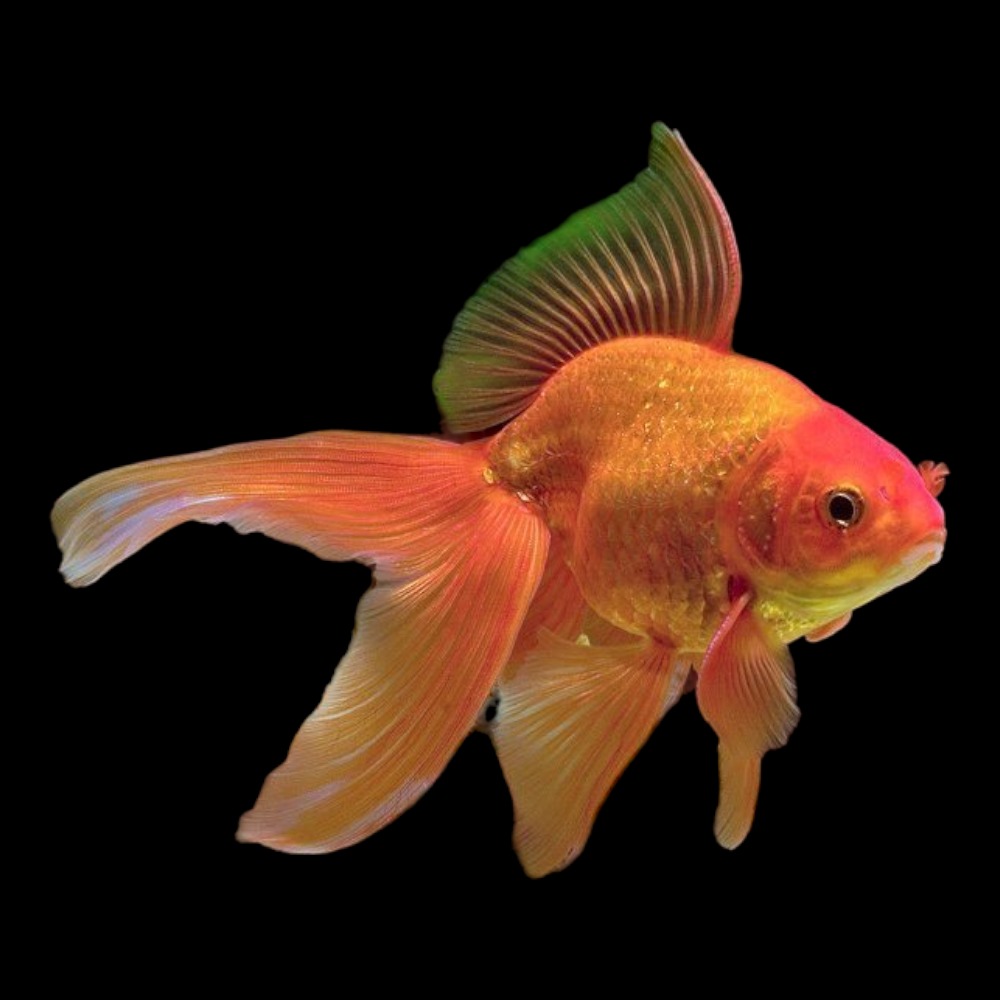
Fantail Goldfish have a round, egg-shaped body. They look chubby and smooth. Their body is shorter than common goldfish. Usually, they grow up to 6 to 8 inches long. Their thick body makes them swim slowly and elegantly.
Tail Characteristics
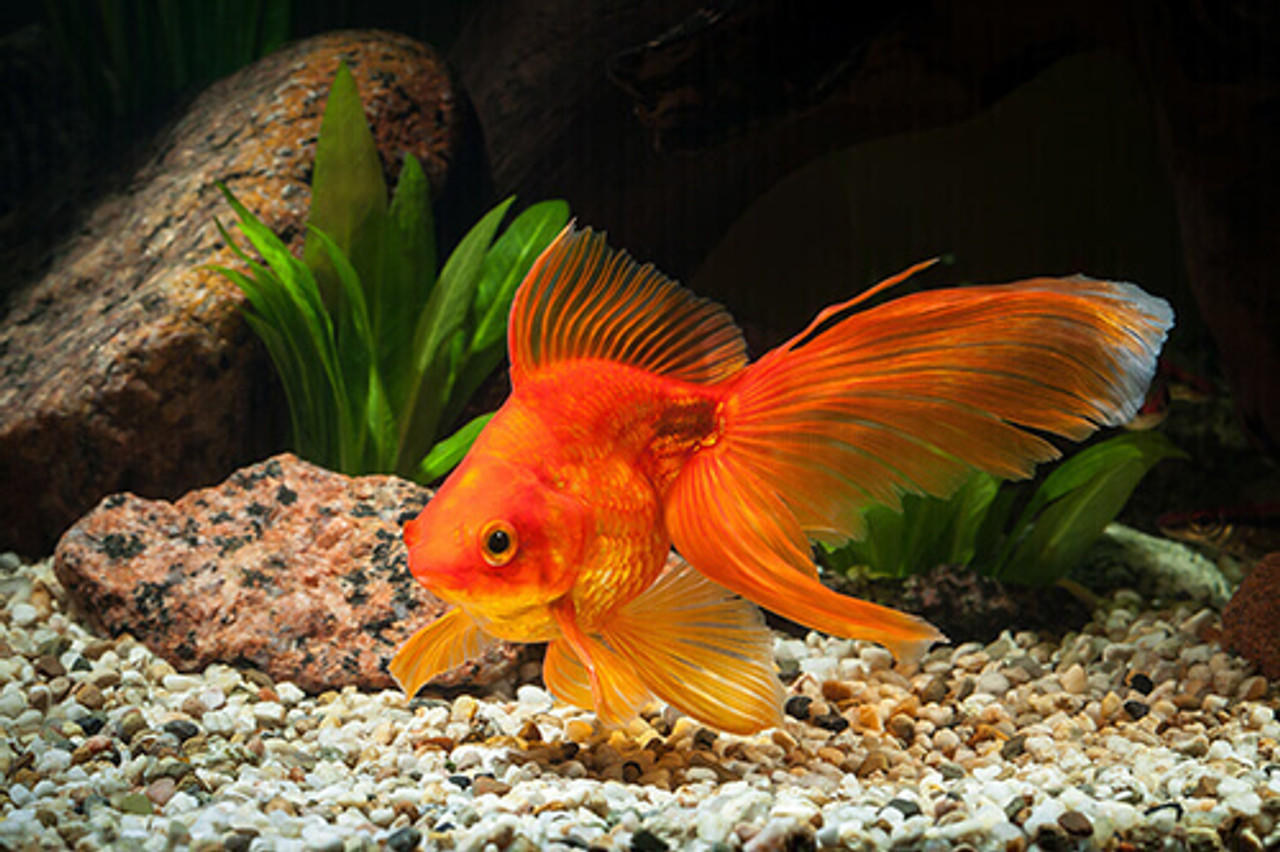
The tail is the most eye-catching feature. It is double-lobed and fan-shaped. The tail spreads wide like a fan behind them. It moves gently in the water, creating a graceful look. The tail also helps with balance and swimming control.
Color Variations
Fantail Goldfish come in many colors. Common colors include orange, red, white, and black. Some fish have mixed colors, making them more attractive. Their bright colors shine under aquarium lights. Healthy fish show the best colors, so color tells about their care.
Behavior And Temperament
Fantail goldfish are popular pets because of their unique look and calm nature. Their behavior and temperament make them a joy to watch and care for. These fish are peaceful and enjoy a quiet tank environment.
They interact gently with other fish and often swim slowly around their tank. Understanding their habits helps provide a better home for them.
Calm And Friendly Nature
Fantail goldfish are calm swimmers. They rarely show aggression toward other fish. This makes them great for community tanks. They prefer peaceful tank mates that do not nip fins.
Social Behavior
These goldfish like company. They often swim in groups or pairs. Being social helps reduce stress for them. Alone, they might become shy or inactive.
Feeding Habits
Fantails eagerly eat small flakes and pellets. They also enjoy occasional treats like bloodworms or peas. Their feeding is slow and gentle. They do not fight over food but may compete if too many fish share the tank.
Activity Levels
Their activity peaks during feeding and cooler parts of the day. Fantails spend much time exploring their environment slowly. They avoid sudden movements or bright lights.
:strip_icc()/GettyImages-1253300574-a5ca41b3d423428a8202421d052fb5c5.jpg)
Credit: www.thesprucepets.com
Tank Setup
Setting up the right tank for your Fantail Goldfish is very important. A good tank helps keep your fish healthy and happy. It also makes your fish look more beautiful. Here are some key points about the tank setup you must know.
Tank Size Requirements
Fantail Goldfish need a lot of space to swim. A tank of at least 20 gallons is best for one fish. For each extra fish, add 10 more gallons. Small tanks cause stress and poor health. Bigger tanks keep the water clean longer and give your fish more room.
Water Conditions
Keep the water cool, between 65 and 75 degrees Fahrenheit. Fantails like clean water with a pH between 6.5 and 7.5. Change 25% of the water every week. Use a good filter to remove waste. Avoid sudden changes in water temperature or chemistry.
Decor And Plants
Use smooth decorations to avoid hurting your fish’s fins. Fantails like hiding spots, so add caves or tunnels. Live plants help clean the water and give shade. Choose plants that grow well in cool water, like Java fern or Anubias. Keep decorations easy to clean and place them securely.
Feeding Guidelines
Proper feeding keeps your Fantail Goldfish healthy and happy. Good nutrition supports their growth and bright colors. It also helps prevent common health problems. Understanding what and how much to feed matters a lot.
Below are simple guidelines to make feeding easy and effective for your fish.
Diet Options
Fantail Goldfish eat a variety of foods. High-quality flakes or pellets made for goldfish work well. These foods have the right nutrients. Supplement their diet with fresh vegetables like peas or spinach. These add fiber and help digestion. Live or frozen foods like brine shrimp or bloodworms provide extra protein. Offer treats in small amounts to keep the diet balanced.
Feeding Frequency
Feed your Fantail Goldfish two to three times daily. Give only what they can eat in two minutes. Overfeeding causes water pollution and health issues. Young goldfish need more frequent meals than adults. Observe your fish and adjust feeding based on their activity and appetite. Regular feeding times help keep their routine steady.
Credit: fitzfishponds.com
Health Issues
Fantail goldfish are beautiful but delicate pets. They face some health challenges that owners must know about. Understanding these issues helps keep them happy and healthy.
Good care lowers the chances of illness and improves their life span. Knowing symptoms early helps catch problems before they get worse.
Common Diseases
Fantail goldfish often suffer from swim bladder disorder. It makes them float or sink oddly. Ich, a white spot disease, is also common. It causes tiny white dots on the skin and fins.
Fin rot damages the edges of fins, making them look ragged. Dropsy causes swelling and raised scales. It is a serious sign of infection or organ failure.
Prevention Tips
Keep the tank clean with regular water changes. Use a good filter to remove waste and toxins. Feed your goldfish a balanced diet without overfeeding. Avoid sudden temperature changes in the water.
Quarantine new fish before adding them to the tank. Watch your goldfish daily for any signs of illness. Early action can stop disease from spreading fast.
Breeding Fantail Goldfish
Breeding Fantail Goldfish can be a rewarding experience for any fish keeper. These fish are beautiful and produce many fry. Breeding them requires the right conditions and care. Understanding their needs helps ensure a healthy batch of young fish.
Breeding Conditions
Fantail Goldfish breed best in clean, warm water. The temperature should be around 68-74°F (20-23°C). Use a separate breeding tank to keep adults safe. Add plants or spawning mops for egg laying. Provide a balanced diet with live or frozen food. This helps prepare the fish for breeding. Light should be moderate, about 12 hours per day. Remove adult fish after eggs are laid. This prevents them from eating the eggs.
Raising Fry
Fry hatch in about 4-7 days. Keep water clean and well oxygenated. Feed fry tiny foods like infusoria or powdered fry food. Gradually introduce baby brine shrimp after a week. Feed small amounts several times daily. Change water regularly but gently. Avoid strong water currents to protect fry. Watch for signs of healthy growth and activity. Remove any dead fry quickly to prevent disease. With proper care, fry grow fast and strong.
Choosing Healthy Fish
Choosing a healthy Fantail Goldfish is important for a happy aquarium. Healthy fish live longer and adapt well to new environments. Spotting signs of good health helps avoid illness and stress in your tank.
Check The Fish’s Appearance
Look for bright colors and smooth scales. The fins should be whole and spread out, not clamped. Avoid fish with spots, sores, or torn fins. Clear eyes without cloudiness show good health.
Observe The Fish’s Behavior
Active swimming is a good sign. Healthy Fantails move confidently and explore their tank. Watch for fish that hide or float oddly. Lethargy or gasping at the surface may mean sickness.
Inspect The Fish’s Body Shape
Fantail Goldfish have round, full bodies. Avoid fish that look thin or bloated. The tail should be split and fan-shaped. A curved or twisted spine can signal health problems.
Ask About The Fish’s History
Find out how long the fish has been in the store. New arrivals may be stressed or weak. Ask if the fish has shown signs of illness. A healthy fish usually comes from a clean tank with good care.
How Smart Pets Lover Can Help You with Fantail Goldfish
Learning Through Caring for Your Fantail Goldfish
Welcoming a Fantail Goldfish into your home offers more than just a splash of color—it’s a chance to deepen your understanding of aquatic life and responsible pet care. Observing their unique behavior and temperament helps you appreciate how environment and diet, like the feeding guidelines you’ve read about, directly influence their health and happiness.
Setting up the right tank isn’t just about aesthetics; it’s a practical lesson in creating a balanced ecosystem. It teaches patience and attention to detail, skills that echo through many aspects of pet parenting. Plus, recognizing early signs of health issues sharpens your observational skills, ensuring your finned friend thrives.
- Track water quality and tank maintenance routines for hands-on learning.
- Experiment with feeding schedules to see what suits your Fantail best.
- Document behavior changes to catch health concerns early.
At Smart Pets Lover, we believe every pet journey is a story worth sharing, where learning and connection go fin in fin. For more nuanced tips or to share your experiences, feel free to reach out at [email protected]—because informed pet parents make the happiest companions.
Frequently Asked Questions
What Is A Fantail Goldfish?
A Fantail Goldfish is a popular ornamental fish with a double tail fin. It has a rounded body and vibrant colors, making it a favorite among aquarium enthusiasts.
How Do I Care For Fantail Goldfish?
Provide a spacious tank with clean water and moderate filtration. Feed a balanced diet of flakes and pellets. Maintain water temperature between 65-75°F.
What Is The Lifespan Of Fantail Goldfish?
Fantail Goldfish typically live 10 to 15 years with proper care. Good water quality and a nutritious diet help extend their lifespan.
Can Fantail Goldfish Live With Other Fish?
Yes, they are peaceful and can live with other non-aggressive fish. Avoid fin-nipping species and overcrowding to reduce stress and health issues.
Conclusion
Fantail goldfish make great pets for beginners and experts alike. They bring color and life to any aquarium. Their gentle nature and unique fins attract many fish lovers. Proper care and a clean tank keep them healthy and happy. Feeding them balanced food helps them grow strong.
Watching their playful movements can brighten your day. Enjoy the beauty and calm they add to your home. Simple steps create a joyful experience with fantail goldfish.