Elephant Nose Fish
Have you ever seen a fish that looks like it has a long, wrinkled nose? The Elephant Nose Fish is one of the most unusual and fascinating creatures in the water.
If you think you know all about fish, this one will surprise you. Its unique shape and special abilities make it stand out from the crowd. Keep reading, and you’ll discover what makes the Elephant Nose Fish so special and why it might be the perfect addition to your aquarium or a topic worth exploring.
Are you ready to dive into the world of this extraordinary fish?
Elephant Nose Fish Traits
The Elephant Nose Fish has many interesting traits. These traits make it unique and easy to spot in freshwater tanks. Its special features help it survive and find food.
Below, you will learn about its physical features, the unique nose it has, and its size and colors.
Physical Features
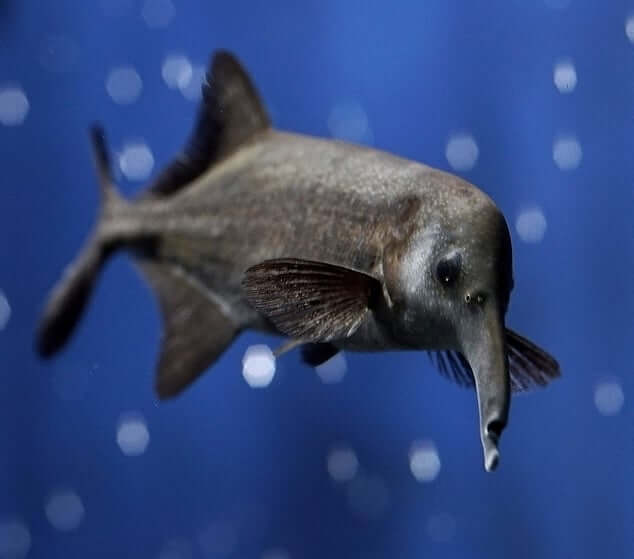
The Elephant Nose Fish has a long, slender body. It looks smooth and has a shiny skin. Its eyes are small but sharp. The fish moves with a gentle, waving motion. This helps it swim quietly in water.
Unique Nose Function
Its nose looks like an elephant’s trunk. This “nose” is actually a long, thin organ called a proboscis. It is full of nerves. The fish uses it to sense electricity. This helps it find food in dark or muddy water. The nose also helps the fish avoid danger.
Size And Colors
The Elephant Nose Fish grows up to 9 inches long. Its colors vary from dark brown to black. Some have light spots or stripes. The colors help the fish blend into the water plants. This makes it harder for predators to see.

Credit: aquadiction.world
Natural Habitat
The natural habitat of the Elephant Nose Fish is unique and fascinating. These fish thrive in specific conditions that suit their lifestyle and survival needs. Understanding their habitat helps in caring for them properly in captivity.
They prefer environments that provide plenty of hiding spots and soft water. Their habitat influences their behavior and health significantly.
Geographic Locations
Elephant Nose Fish are native to West Africa. They live mainly in rivers and streams in countries like Ghana, Nigeria, and Togo. These areas have slow-moving water and dense vegetation.
Water Conditions
The water where Elephant Nose Fish live is usually warm, between 24 to 28 degrees Celsius. It is soft with low mineral content and slightly acidic. The water must be clean and well-oxygenated for their survival.
Typical Environment
The typical environment includes riverbeds with sandy or muddy bottoms. There are many plants and submerged roots. These fish use their strong electric sense to navigate in murky waters and find food.
Behavior And Diet
The Elephant Nose Fish shows unique behavior and diet patterns. This fish uses its long, trunk-like nose to sense the environment. It lives in rivers and lakes in West Africa. Understanding its behavior and diet helps in caring for this fish in aquariums.
Feeding Habits
The Elephant Nose Fish is a nocturnal feeder. It uses its nose to find small insects and worms. It eats live food like bloodworms and small crustaceans. This fish searches the river bottom for food. It prefers fresh, protein-rich meals to stay healthy.
Social Interaction
This fish is shy and prefers to hide during the day. It usually stays alone or in small groups. The Elephant Nose Fish communicates through electric signals. These signals help them find mates and avoid threats. They avoid aggressive fish and need calm tank mates.
Activity Patterns
The Elephant Nose Fish is most active at night. It rests during the day in dark places. It moves slowly and carefully to avoid predators. This fish explores its surroundings using its sensitive nose. Nighttime activity helps it find food safely.
Electric Abilities
The Elephant Nose Fish has a unique electric ability. It uses electric signals to interact with its environment. These signals help it survive in dark, murky waters. The fish generates weak electric fields around its body. These fields serve multiple purposes. They help the fish sense objects and communicate with others.
Electric Organ Use
The fish has a special electric organ in its tail. This organ creates weak electric pulses. These pulses spread around the fish’s body. The fish senses changes in the electric field. This helps it detect nearby objects and prey. It works like a natural radar system. The electric organ is crucial for the fish’s survival.
Communication Signals
The Elephant Nose Fish sends electric signals to talk to other fish. Each fish has a unique signal pattern. These patterns help them identify each other. They use electric signals to show aggression or attract mates. The signals carry important messages under water. This electric communication is silent and effective.
Navigation Aid
Electric signals help the fish find its way in dark water. The fish senses obstacles through changes in the electric field. It moves safely even in muddy, low-visibility areas. This ability is vital for hunting and avoiding predators. The electric sense guides the fish through its habitat. It is a natural navigation tool.
Care In Aquariums
The Elephant Nose Fish is a fascinating species to keep in home aquariums. Its unique shape and gentle nature make it a favorite among fish lovers. Caring for this fish requires attention to its specific needs. Understanding how to set up the tank, feed it properly, and watch for health issues is important.
Tank Setup
Choose a tank of at least 30 gallons. Elephant Nose Fish need plenty of space to swim. Use soft, sandy substrate to protect their sensitive noses. Include hiding spots with plants or caves. Keep the water temperature between 75 and 82°F. The water should be clean and well-filtered. Maintain a pH level of 6.0 to 7.5. Avoid strong currents; they prefer calm water.
Diet Requirements
Elephant Nose Fish eat mostly live or frozen foods. Feed them bloodworms, brine shrimp, or small insects. Offer food once or twice daily. They may also accept high-quality sinking pellets. Avoid overfeeding to keep the tank clean. Variety in their diet helps keep them healthy.
Common Health Issues
Watch for signs of stress or illness. Common problems include fin rot and skin infections. Poor water quality often causes health issues. Keep the tank clean and monitor water parameters. Treat diseases early with proper medication. Stress from tank mates can harm the fish, so choose companions carefully.

Credit: www.fishlore.com
Breeding Challenges
Breeding Elephant Nose Fish is not easy. These fish have special needs and habits that make breeding a challenge. Understanding their behavior and care is important for success. It takes patience and careful attention to detail.
Mating Behavior
Elephant Nose Fish use electric signals to communicate. They perform a quiet courtship dance before spawning. Males build nests with plants or small caves. Females choose the best nest for laying eggs. This process can take several days.
Egg Care
After laying, parents guard the eggs carefully. The eggs stick to surfaces and need clean water. Parents fan the eggs to give oxygen. Keeping the tank free of debris helps prevent fungus. The eggs hatch in about three to four days.
Raising Fry
Fry are very small and delicate. They eat tiny live foods like baby brine shrimp. Water quality must be perfect for their growth. Parents may eat the fry if stressed or crowded. Separate tanks are often needed to keep fry safe.
Conservation Status
The conservation status of the Elephant Nose Fish is a key topic for aquatic life enthusiasts. This unique fish plays an important role in its ecosystem. Protecting its population helps maintain balance in freshwater habitats. Understanding threats and efforts to protect this species is essential.
Population Threats
Elephant Nose Fish faces several risks. Habitat loss is a major problem. Pollution in rivers harms their health. Overfishing also reduces their numbers. These threats cause population declines in some areas.
Protection Efforts
Some countries have started protecting this fish. Creating safe zones in rivers helps. Laws limit fishing and pollution near habitats. Research programs study their behavior and needs. These efforts aim to keep populations stable.
Sustainable Practices
Fishermen use better methods to avoid overcatching. Communities promote clean water to protect habitats. Breeding programs in aquariums support wild populations. Sustainable practices ensure the fish can thrive long-term. Everyone’s role matters in conservation.
Credit: www.aquariumsource.com
How Smart Pets Lover Can Help You with Elephant Nose Fish
Learning from the Elephant Nose Fish: A Hands-On Experience
For anyone fascinated by the unique traits and electric abilities of the Elephant Nose Fish, diving deeper into their natural habitat and behavior offers a rewarding learning opportunity. Observing how these fish use their electric fields to navigate murky waters can spark curiosity about bioelectricity and animal adaptation. This can be especially engaging for families and pet enthusiasts eager to understand the intricate balance of nature and aquarium care.
- Start by researching their diet and behavior to mimic natural conditions if you plan to care for one.
- Explore the challenges of breeding these sensitive fish, which highlights the importance of conservation efforts.
- Engage with communities like Smart Pets Lover, where passionate pet parents share insights on responsible fish care and environmental stewardship.
By blending knowledge from their electric abilities and habitat needs with practical aquarium care tips, you’ll not only nurture a healthier environment for your Elephant Nose Fish but also deepen your connection to these fascinating creatures. If you have questions or need guidance, reaching out to experts and trusted pet resources can make your learning journey smoother and more enjoyable.
Frequently Asked Questions
What Is An Elephant Nose Fish?
The Elephant Nose Fish is a freshwater species from West Africa. It has a long, trunk-like mouth used for sensing food in murky waters. This fish is popular in aquariums due to its unique appearance and electric organ for navigation.
How Does Elephant Nose Fish Navigate Underwater?
It uses an electric organ to generate weak electric fields. These fields help the fish detect objects and prey around it. This ability is called electrolocation, allowing navigation in dark or murky waters where vision is limited.
What Does Elephant Nose Fish Eat?
Elephant Nose Fish primarily eat small invertebrates, insect larvae, and worms. They use their sensitive trunk-like mouth to find hidden prey in the substrate. In captivity, they accept frozen or live foods like bloodworms and brine shrimp.
How Big Do Elephant Nose Fish Grow?
Elephant Nose Fish can grow up to 9 inches (23 cm) in length. They require a spacious aquarium to swim comfortably. Their size and peaceful nature make them suitable for medium to large community tanks.
Conclusion
The Elephant Nose Fish is truly unique and fascinating. Its long nose helps it find food in dark waters. This fish adds beauty to any aquarium. Caring for it needs patience and proper knowledge. Watching its movements can be very calming.
Many fish lovers enjoy keeping this species. It teaches us about nature’s amazing variety. A small effort brings great joy with this fish. Consider adding an Elephant Nose Fish to your collection. It will surely brighten your aquatic world.