Dwarf Water Lettuce
Are you looking to add a fresh, vibrant touch to your aquarium or pond? Dwarf Water Lettuce could be exactly what you need.
This small, floating plant not only looks beautiful but also helps keep your water clean and healthy. Imagine having a natural filter that brightens up your space and supports your aquatic life at the same time. Keep reading to discover how Dwarf Water Lettuce can transform your water environment and why it might be the perfect choice for you.

Credit: www.theshrimpfarm.com
Characteristics
Dwarf Water Lettuce is a small floating plant popular in aquariums and ponds. It has unique traits that help it thrive in water environments. Understanding its characteristics helps in proper care and use.
Physical Appearance
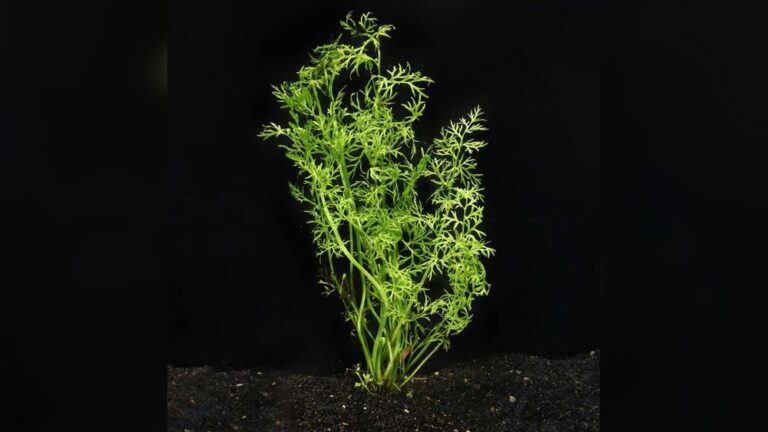
This plant looks like tiny green rosettes. Its leaves are thick, soft, and velvety. Each leaf has fine hairs that trap air, helping it float. The plant rarely grows taller than 2 inches. Roots hang below the water, long and stringy.
Growth Patterns
Dwarf Water Lettuce spreads quickly on the water surface. It reproduces by producing small plantlets on the edges. These new plants break off and float away to start new colonies. Growth depends on light and temperature. Warmer water speeds up growth.
Habitat Preferences
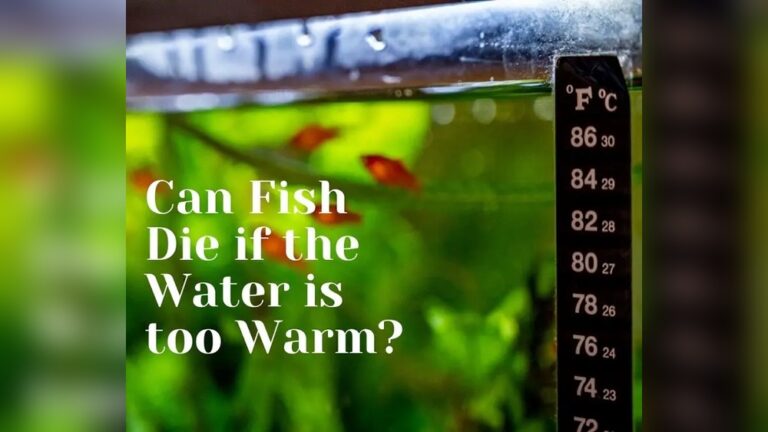
This plant prefers calm, fresh water bodies. It grows well in ponds, aquariums, and slow-moving streams. It needs moderate sunlight but can tolerate some shade. Water temperature between 70-85°F suits it best. Clean water helps maintain healthy growth.

Credit: www.amazon.com
Cultivation Tips
Dwarf Water Lettuce is a charming aquatic plant. It grows well in many water gardens and aquariums. Knowing the right way to care for it helps it thrive. This section covers simple tips for growing this plant successfully.
Understanding water, light, temperature, and propagation is key. These factors affect the plant’s health and growth. Follow these easy guidelines to keep your Dwarf Water Lettuce green and healthy.
Ideal Water Conditions
Dwarf Water Lettuce prefers clean, still water. Water should be free of strong chemicals. The pH level needs to stay between 6.5 and 7.5. Water temperature should be warm but not hot, around 70 to 82°F (21 to 28°C). Changing water regularly prevents algae and keeps the plant fresh.
Light And Temperature Needs
This plant loves bright, indirect light. Avoid direct sunlight, which can burn the leaves. A shaded spot with filtered light works best. The temperature should stay steady, not dropping below 60°F (15°C). Warm temperatures boost growth and keep the plant happy.
Propagation Methods
Propagation is simple with Dwarf Water Lettuce. It produces small baby plants at the base. These can be gently separated and placed in new water. Floating them in shallow water helps roots grow faster. Propagation keeps your plant collection growing healthy and full.
Benefits In Aquariums
Dwarf Water Lettuce offers many benefits in aquariums. It helps keep the water clean and healthy. This plant is easy to care for and grows quickly. Many aquarium owners choose it for its practical uses and beauty. It supports fish and other aquatic life in several ways.
Oxygenation And Filtration
Dwarf Water Lettuce produces oxygen during the day. This oxygen is vital for fish and beneficial bacteria. The plant also absorbs harmful chemicals from the water. It filters out nitrates and other waste products. This natural filtration keeps the tank water clearer and safer. It reduces the need for frequent water changes.
Algae Control
The plant shades the water surface, reducing sunlight inside the tank. Less sunlight means algae grow slower. Dwarf Water Lettuce competes with algae for nutrients. This competition helps stop algae from taking over. Controlling algae keeps the aquarium clean and fish healthy. It creates a better living environment for all aquatic life.
Aesthetic Appeal
Dwarf Water Lettuce has a soft, green look. Its rosette shape floats gently on the water. This adds a natural and peaceful feel to any aquarium. The plant creates hiding spots for shy fish. It makes the tank look fuller and more lively. Many hobbyists enjoy the calm beauty it brings to their tanks.
Common Challenges
Dwarf Water Lettuce is a popular aquatic plant. It adds beauty and helps water quality. Yet, some common challenges affect its health and growth. Understanding these issues helps keep the plant healthy and vibrant. Below are key problems many growers face with this plant.
Overgrowth Management
Dwarf Water Lettuce grows fast in good conditions. It can cover the water surface quickly. Too much growth blocks sunlight for other plants. It also lowers oxygen levels in the water. Regular thinning or removal prevents these problems. Use a net or scoop to remove excess plants. Keep balance for a healthy pond environment.
Pest And Disease Issues
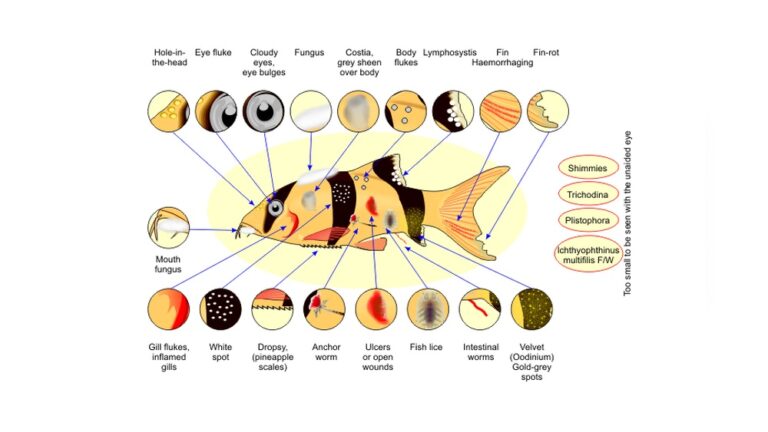
Insects like aphids and snails often attack this plant. They eat leaves and cause damage. Fungal infections can also occur in wet, warm areas. Look for yellow spots or wilting leaves. Treat pests with safe insecticides or natural predators. Remove infected plants to stop disease spread. Good water circulation reduces disease risk.
Nutrient Deficiencies
Dwarf Water Lettuce needs nutrients like nitrogen and iron. Lack of nutrients causes yellow or pale leaves. Slow growth and weak plants are common signs. Test water to check nutrient levels. Use balanced aquatic plant fertilizers carefully. Avoid overfeeding to prevent algae growth. Healthy plants have bright green leaves and strong roots.
Compatibility With Other Plants
Dwarf Water Lettuce is a small floating plant popular in aquariums and ponds. Its compatibility with other plants is key for a healthy aquatic environment. Choosing the right plants together helps keep the water clean and balanced. It also supports the growth of all plants involved.
Not all plants thrive well with Dwarf Water Lettuce. Some may compete for nutrients or block sunlight. Understanding these relationships improves the overall look and health of your water garden or tank.
Suitable Plant Combinations
Dwarf Water Lettuce pairs well with submerged plants like Anacharis and Hornwort. These plants grow underwater and do not compete for surface space. Floating plants like Duckweed and Frogbit also work well. They share the floating space without overcrowding.
Adding rooted plants such as Java Fern and Cryptocoryne creates variety. These plants grow from the bottom and use different nutrients. This mix prevents any one plant from dominating the space.
Avoiding Competition
Avoid placing Dwarf Water Lettuce with fast-growing floating plants like Water Hyacinth. They quickly cover the surface and block sunlight. This can starve the Dwarf Water Lettuce of light and slow its growth.
Also, avoid dense planting of tall plants that shade the surface. Dwarf Water Lettuce needs light to thrive. Give each plant enough space to grow and access sunlight.
Balancing Ecosystem
Balancing plants creates a natural ecosystem in your aquarium or pond. Dwarf Water Lettuce helps shade the water and reduce algae growth. Submerged plants produce oxygen and absorb nutrients.
Floating and rooted plants together support fish and beneficial microbes. This balance keeps water clean and healthy. It also makes your water garden look natural and vibrant.
Credit: www.reddit.com
Environmental Impact
The environmental impact of Dwarf Water Lettuce is important to understand. This small floating plant affects water bodies in several ways. It can change the balance of ecosystems and influence water quality. The plant’s rapid growth can both help and harm the environment. Exploring its invasive potential, ecological benefits, and control measures reveals its complex role.
Invasive Potential
Dwarf Water Lettuce grows quickly and spreads easily. It can cover the surface of ponds and lakes fast. This thick cover blocks sunlight from reaching underwater plants. Fish and other aquatic life may suffer from low oxygen levels. The plant can crowd out native species and reduce biodiversity. Many regions list it as an invasive species. Careful monitoring is needed to prevent uncontrolled growth.
Ecological Benefits
The plant also offers some ecological benefits. Its leaves provide shelter for small fish and insects. It helps reduce algae growth by shading the water. The roots absorb excess nutrients, improving water quality. This plant can help stabilize sediment at the bottom. It plays a role in natural water filtration. These benefits support healthy aquatic habitats.
Control Measures
Controlling Dwarf Water Lettuce is key to protecting ecosystems. Manual removal works in small areas. Mechanical harvesters help in larger water bodies. Using biological controls, like certain insects, can reduce growth. Chemical treatments may be necessary but require caution. Preventing spread includes cleaning boats and equipment. Early detection and quick action limit its impact.
How Smart Pets Lover Can Help You with Dwarf Water Lettuce
Practical Learning with Dwarf Water Lettuce
Understanding Dwarf Water Lettuce goes beyond just knowing its characteristics or cultivation tips. For many pet parents and aquatic hobbyists, it offers a hands-on way to explore plant compatibility and environmental impact within your aquarium. Observing how this floating plant interacts with other species can teach valuable lessons about ecosystem balance and the subtle challenges of managing aquatic greenery.
At Smart Pets Lover, we believe that caring for plants like Dwarf Water Lettuce strengthens your connection to the living world beneath the water’s surface—something that resonates with our mission to make every pet parent feel confident and informed. Whether you’re experimenting with its growth or troubleshooting common issues, these practical experiences deepen your appreciation for responsible pet and plant care.
- Monitor water quality and nutrient levels while cultivating the plant
- Notice how it supports or competes with other aquarium plants
- Reflect on its environmental role, especially in small aquatic habitats
For questions or more insights, reaching out to aquatic plant experts or communities can be a great resource. Remember, every little leaf contributes to the bigger story of your aquatic pet’s home.
Frequently Asked Questions
What Is Dwarf Water Lettuce?
Dwarf Water Lettuce is a small, floating aquatic plant. It features rosette-shaped leaves and helps improve water quality. It’s popular in aquariums and ponds for its decorative appeal and natural filtration benefits.
How To Care For Dwarf Water Lettuce?
Provide bright, indirect sunlight and maintain water temperature between 70-85°F. Keep water clean and avoid overcrowding. Regularly trim excess growth to prevent decay and ensure healthy plant development.
Can Dwarf Water Lettuce Survive Indoors?
Yes, Dwarf Water Lettuce can thrive indoors in aquariums or water containers. Ensure proper lighting, clean water, and moderate temperature. Indoor care mimics its natural environment for healthy growth.
Is Dwarf Water Lettuce Safe For Fish?
Yes, Dwarf Water Lettuce is non-toxic and safe for fish. It offers shade and shelter, improving fish comfort. However, avoid excessive coverage to maintain oxygen levels in the water.
Conclusion
Dwarf Water Lettuce adds beauty to any water garden or aquarium. It grows quickly and helps keep water clean. This plant provides shelter for small fish and insects. It needs moderate light and still water to thrive. Regular care keeps it healthy and vibrant.
Small size makes it easy to manage and move. A great choice for beginners and experts alike. Try adding Dwarf Water Lettuce to your aquatic space today. You’ll enjoy its fresh, green look all year round.