Dwarf Sagittaria
If you’re looking to add a touch of vibrant green to your aquarium or pond, Dwarf Sagittaria might be exactly what you need. This small but powerful plant can transform your underwater space, giving it a fresh and natural look.
You’ll love how easy it is to care for and how quickly it grows, making your aquatic environment healthier and more beautiful. Keep reading to discover everything you need to know about Dwarf Sagittaria and how it can bring new life to your water garden.

Credit: aquariumtidings.com
Plant Description
Dwarf Sagittaria is a popular aquatic plant often used in aquariums and ponds. It adds green beauty and a natural feel to water spaces. This plant is easy to care for and grows well in many conditions.
Appearance And Size
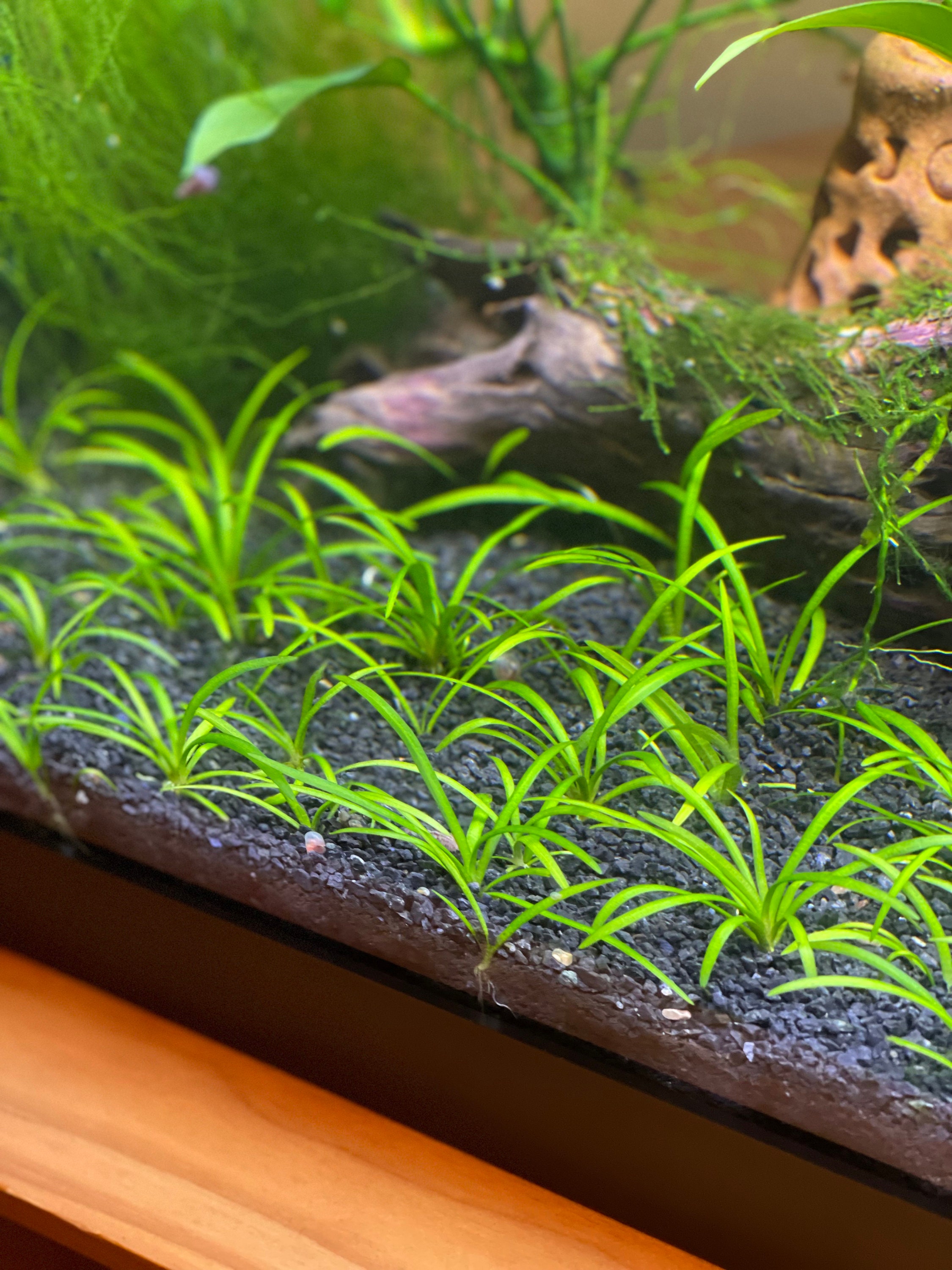
Dwarf Sagittaria grows in small clusters. It usually reaches about 4 to 8 inches in height. The plant forms a dense carpet on the bottom of the tank or pond. Its compact size makes it ideal for foreground planting.
Leaf Characteristics
The leaves are narrow and bright green. They have a smooth surface and pointed tips. Leaves grow upright from short stems. Each leaf measures about 1 to 2 inches long. This plant’s leaves help oxygenate the water.
Flower Features
Dwarf Sagittaria produces small white flowers. Flowers appear above the water surface on thin stalks. They have three petals and a delicate look. Flowering is rare in indoor tanks but common in outdoor ponds.

Credit: www.amazon.com
Ideal Growing Conditions
Dwarf Sagittaria thrives best in certain conditions. These conditions help it grow healthy and strong. Understanding these needs makes caring for this plant easier.
Small changes in water, light, or soil can affect its growth. Providing the right environment leads to vibrant leaves and steady growth.
Water Parameters
Dwarf Sagittaria prefers clean, fresh water. The ideal pH level is between 6.5 and 7.5. Soft to moderately hard water suits this plant well. Regular water changes keep the environment stable. Avoid water with high chlorine or heavy metals.
Lighting Needs
This plant grows well under moderate light. About 8 to 10 hours of light daily is enough. Avoid direct sunlight, which can burn the leaves. Fluorescent or LED aquarium lights work perfectly. Balanced light helps the plant stay green and healthy.
Temperature Range
Dwarf Sagittaria prefers temperatures between 68°F and 82°F. Temperatures outside this range slow growth. Keep the water temperature stable for best results. Sudden changes can stress the plant. Use a reliable heater or chiller as needed.
Substrate Preferences
This plant grows best in fine gravel or sandy substrate. A nutrient-rich substrate supports strong root development. Adding root tabs can boost nutrient supply. Avoid large, sharp gravel that can damage roots. Keep the substrate clean to prevent buildup.
Planting And Propagation
Dwarf Sagittaria is a popular aquatic plant for freshwater aquariums. It adds vibrant green color and a natural look. Knowing how to plant and propagate it helps keep it healthy and growing well.
This section explains simple planting techniques and easy ways to propagate the plant. It also covers the growth rate to help you plan your aquarium layout.
Planting Techniques
Choose a fine gravel or sand substrate. Plant Dwarf Sagittaria by gently pushing the roots into the substrate. Leave the crown, the center part, above the substrate. Avoid burying it to prevent rot. Space plants a few inches apart for room to grow. Use tweezers for precise planting in small tanks.
Propagation Methods
Dwarf Sagittaria spreads through runners. These runners grow new plantlets at their tips. Cut the runners with a sharp tool when plantlets form roots. Replant the new plants in the substrate. Propagation is easy and fast. You can also divide mature plants by separating their root clumps.
Growth Rate
Dwarf Sagittaria grows at a moderate pace. Expect visible growth in 2 to 3 weeks. It prefers moderate light and nutrients. Strong light speeds growth but watch for algae. Regular trimming helps keep the plant compact and healthy. Growth slows in low light or poor water conditions.
Care And Maintenance
Dwarf Sagittaria is a popular aquatic plant. It adds green beauty to aquariums and ponds. Proper care keeps it healthy and growing well. Follow simple steps to maintain this plant easily.
Trimming And Pruning
Trim dead or yellow leaves regularly. This helps the plant stay healthy. Prune long runners to control spreading. Use sharp scissors to avoid damage. Remove debris from the substrate around the plant.
Nutrient Requirements
Dwarf Sagittaria needs nutrients to grow strong. Use aquarium plant fertilizers with iron and potassium. Add root tabs near the base for better absorption. Change water regularly to prevent nutrient buildup. Avoid overfeeding fish to reduce excess waste.
Algae Control
Algae can harm Dwarf Sagittaria’s growth. Keep light exposure moderate, about 8 to 10 hours daily. Clean tank walls and decorations often. Add algae-eating fish or snails for natural control. Avoid excess nutrients, which encourage algae growth.
Common Issues
Dwarf Sagittaria is a popular aquatic plant for aquariums. It is easy to care for but can face some common problems. Knowing these issues helps keep your plant healthy and vibrant.
Problems often appear as changes in leaf color or slow growth. Pests and diseases may also affect the plant’s health. Identifying these troubles early helps to treat them quickly.
Pests And Diseases
Pests like snails and algae can harm Dwarf Sagittaria. Snails may eat the leaves, leaving holes. Algae can cover the leaves, blocking light. Diseases are rare but root rot can happen in poor water conditions. Clean water and regular checks help prevent these issues.
Yellowing Leaves
Yellow leaves are a common sign of stress. This often means a lack of nutrients like iron or potassium. Poor lighting also causes leaves to turn yellow. Removing old yellow leaves keeps the plant healthy. Using liquid fertilizers can restore green color.
Slow Growth
Slow growth happens when the plant lacks light or nutrients. Low carbon dioxide levels in water can also slow growth. Make sure the aquarium light is strong enough. Adding root tabs or liquid fertilizer boosts growth. Regular trimming encourages new leaves to form.
Aquascaping Tips
Dwarf Sagittaria is a popular choice for aquascaping. It adds a fresh, green look to aquariums. This plant is easy to care for and fits many styles. Using it well can brighten your tank and make it look natural.
Here are some tips to place and pair Dwarf Sagittaria. These ideas help create a balanced and beautiful underwater scene. Small changes can make a big difference in your aquascape.
Placement Ideas
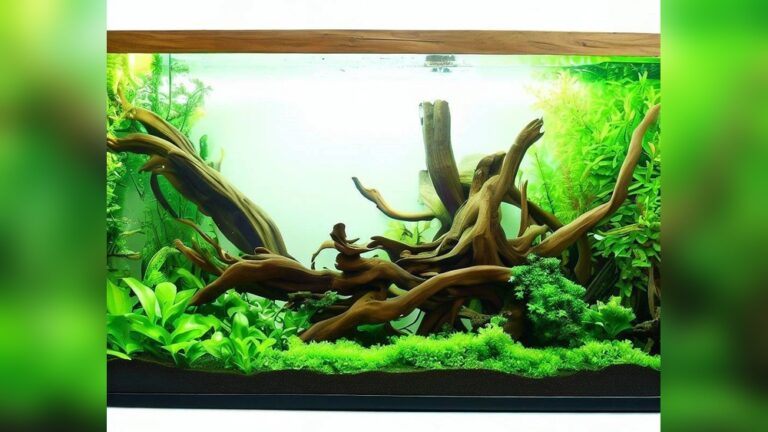
Plant Dwarf Sagittaria in the foreground or midground. It forms a green carpet that looks soft and full. Group several plants close together for a lush effect. Use it near rocks or wood to soften hard edges. Avoid placing it in strong currents as it prefers calm water.
Compatibility With Other Plants
Dwarf Sagittaria works well with many aquatic plants. Pair it with taller plants like Vallisneria or Java Fern. Choose plants with different leaf shapes for contrast. Avoid plants that grow too fast and block light. This helps Dwarf Sagittaria get enough light to thrive.
Design Inspirations
Use Dwarf Sagittaria to create natural scenes. Design a meadow look with scattered plants and small stones. Or create a soft green carpet covering the tank floor. Combine with colorful fish for a bright, lively tank. Simple layouts often look the best and feel calm.
Credit: www.etsy.com
How Smart Pets Lover Can Help You with Dwarf Sagittaria
Learning Through Growing Your Dwarf Sagittaria
Getting hands-on with Dwarf Sagittaria offers more than just a beautiful aquatic plant in your tank—it’s a chance to deepen your understanding of aquascaping and aquatic plant care. As you set up the ideal growing conditions, like the right substrate and lighting, you’ll naturally learn how these factors influence plant health and growth. Watching your Sagittaria thrive with proper care and maintenance teaches patience and observation, essential skills for any pet or plant enthusiast.
Encountering common issues such as algae or nutrient deficiencies becomes a practical lesson in troubleshooting, reminding us that every pet parent’s journey includes learning moments. At Smart Pets Lover, where every wag, purr, and chirp tells a story, we believe these experiences strengthen the bond between you and your aquatic companions.
- Observe how adjusting light affects leaf growth
- Practice propagation techniques to multiply your plants
- Maintain water quality for a healthier environment
If questions arise, connecting with fellow hobbyists or experts can be invaluable. Feel free to reach out to Smart Pets Lover’s community or resources for support as you nurture your green underwater friends.
Frequently Asked Questions
What Is Dwarf Sagittaria Plant?
Dwarf Sagittaria is a small aquatic plant ideal for freshwater aquariums. It features grass-like leaves and grows quickly. It helps oxygenate water and provides shelter for fish. It thrives in moderate light and nutrient-rich substrate.
How To Care For Dwarf Sagittaria?
Provide moderate lighting and a nutrient-rich substrate for healthy growth. Maintain temperature between 68-82°F (20-28°C). Regularly trim leaves to encourage bushier growth. Avoid strong water currents to prevent uprooting. Fertilize occasionally for best results.
Can Dwarf Sagittaria Grow Submerged?
Yes, Dwarf Sagittaria grows well fully submerged in aquariums. It adapts easily to underwater conditions and spreads quickly. Submerged growth helps improve water quality and offers hiding spots for aquatic creatures.
Is Dwarf Sagittaria Suitable For Beginners?
Dwarf Sagittaria is perfect for beginners due to its low maintenance. It tolerates a range of water conditions and lighting levels. Its fast growth and resilience make it easy to care for in home aquariums.
Conclusion
Dwarf Sagittaria adds life to any aquarium or pond. It grows quickly and stays small, fitting well in tight spaces. This plant helps keep water clean and fish happy. It needs moderate light and simple care to thrive. Perfect for beginners and experienced hobbyists alike.
Try adding Dwarf Sagittaria to your water garden today. Watch your underwater world become more green and lively. A simple plant with many benefits. Easy to grow and beautiful to see.