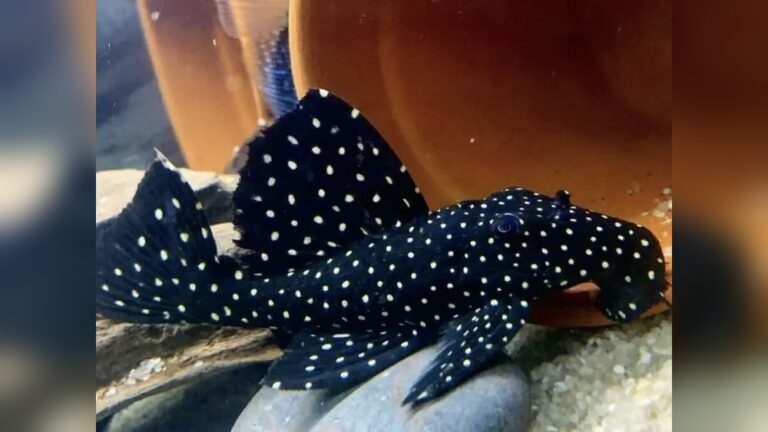
Dwarf Rasbora
If you’re looking to add a splash of color and life to your aquarium, the Dwarf Rasbora might be exactly what you need. These tiny, vibrant fish are not just beautiful—they’re easy to care for and perfect for both beginners and experienced hobbyists.
Imagine watching your tank come alive with their energetic swimming and shimmering scales. You’ll discover everything you need to know about keeping Dwarf Rasboras happy and healthy. Ready to transform your aquarium into a lively underwater paradise? Keep reading to learn how!
Credit: azgardens.com
Dwarf Rasbora Basics
Dwarf Rasboras are small, peaceful fish popular in home aquariums. They add color and life to tanks with their lively movements. These fish are easy to care for, making them great for beginners. Understanding their basics helps create a healthy environment for them.
Physical Traits
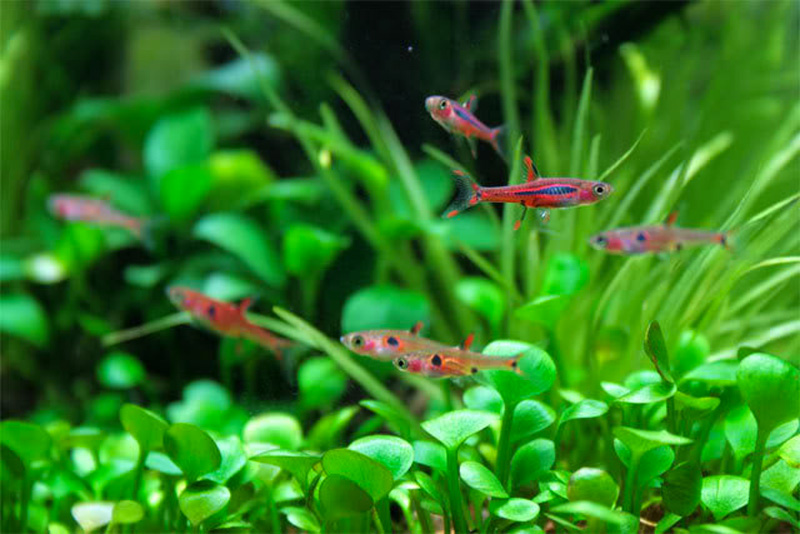
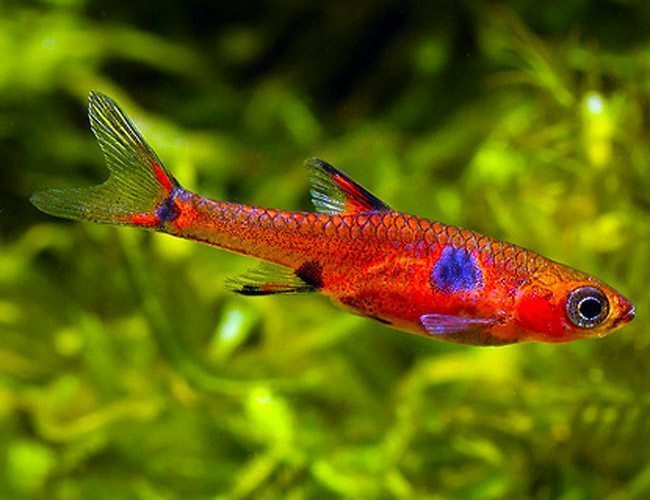
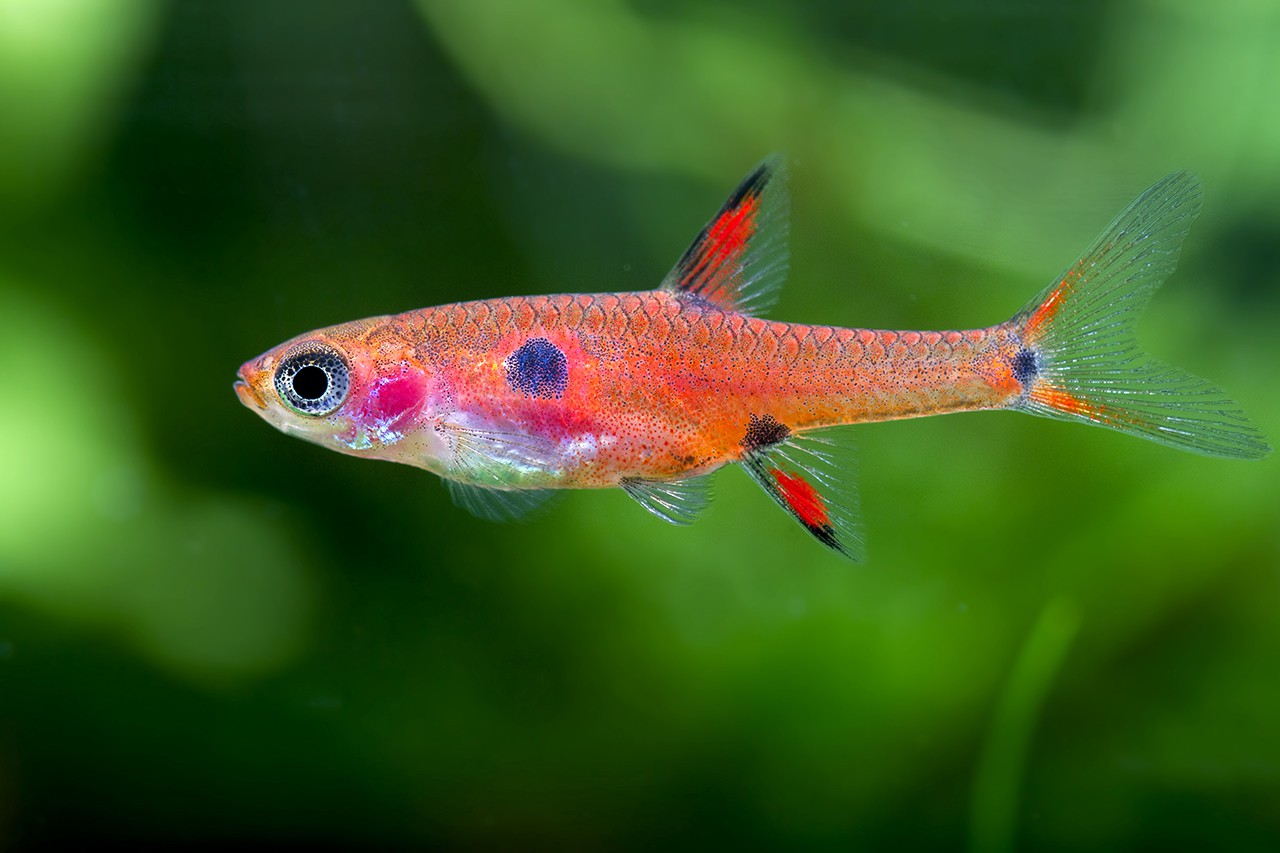
Dwarf Rasboras grow up to 1.5 inches long. They have slender, elongated bodies. Their color ranges from pale silver to light brown. A thin black line runs along their sides. Their fins are small and translucent. Males often show brighter colors than females.
Natural Habitat
These fish come from Southeast Asia. They live in slow-moving streams and ponds. The water is usually clear and soft. Plants and roots provide shelter. The environment is calm with little current. Warm temperatures between 75 to 82 degrees Fahrenheit suit them best.
Behavior Patterns
Dwarf Rasboras are social and prefer groups. They swim actively in the middle water layer. They stay close to plants or hiding spots. These fish are peaceful and avoid fights. They feed on small insects and larvae. Their calm nature makes them tank-friendly companions.
Setting Up The Aquarium
Setting up an aquarium for Dwarf Rasboras is simple but important. A well-prepared tank helps these small fish stay healthy and happy. Each element in the tank needs careful thought. This includes tank size, water quality, plants, and decorations.
Tank Size And Shape
A tank of at least 10 gallons suits Dwarf Rasboras well. They are small but active swimmers. A longer tank offers more swimming space than a tall one. Keep the tank covered to prevent jumping. A rectangular tank is ideal for their movement.
Water Conditions
Dwarf Rasboras need soft, slightly acidic water. Aim for a pH between 6.0 and 7.0. Keep water temperature between 72°F and 78°F. Regular water changes keep the water clean and safe. Use a gentle filter to avoid strong currents.
Plant And Decoration Choices
Live plants create a natural home and improve water quality. Use plants like Java moss, Anubias, or Cryptocoryne. Add smooth stones and driftwood for hiding spots. Avoid sharp decorations that may hurt the fish. Plants and decorations help reduce stress and encourage natural behavior.
Feeding Dwarf Rasboras
Dwarf Rasboras are small, active fish that need the right food to stay healthy. Feeding them well helps keep their colors bright and their energy high. This section explains what to feed, how often to feed, and their favorite foods.
Diet Types
Dwarf Rasboras eat mainly small live or frozen foods. They like tiny insects and larvae. Flake food made for small tropical fish also works well. A mix of live, frozen, and dry food keeps them balanced and happy.
Feeding Frequency
Feed Dwarf Rasboras two times a day. Give only what they can eat in two minutes. Overfeeding can cause water problems. Small, regular meals help their digestion and growth.
Favorite Foods
They love brine shrimp and daphnia the most. Bloodworms are also a great treat. These foods are small enough for their tiny mouths. Using a variety keeps them interested and healthy.
Tank Mates Compatibility
The Dwarf Rasbora is a peaceful fish. It thrives best with tank mates that share similar temperaments. Choosing the right companions helps keep the aquarium calm and healthy. Compatibility is key to prevent stress and aggression.
Many fish fit well with the Dwarf Rasbora. Small, non-aggressive species usually do best. It is important to avoid larger or aggressive fish that may harm them.
Best Companion Fish
Good companions include small tetras, guppies, and neon rasboras. Corydoras catfish are also peaceful bottom dwellers that work well. These fish share similar water needs and peaceful behavior. They live comfortably together and create a lively tank environment.
Avoiding Aggression
Avoid fish known for nipping fins or bullying. Larger cichlids and aggressive barbs can cause stress. Keep groups of Dwarf Rasboras in schools of six or more. This reduces the chance of bullying. Watch fish behavior closely to spot any issues early.
Community Tank Tips
Provide plenty of hiding spots with plants and decorations. This helps shy fish feel safe. Maintain clean water and stable temperature for all species. Feed a balanced diet suitable for all tank mates. Regular monitoring ensures peace and health in the community tank.
Breeding Dwarf Rasboras
Breeding Dwarf Rasboras is a rewarding task for aquarium enthusiasts. These small fish are peaceful and produce many eggs. Their breeding process is simple but needs care and the right environment.
Creating the perfect setup helps increase the chance of successful spawning. Watching the eggs hatch and raising the tiny fry is exciting. It also helps maintain a healthy fish community in your tank.
Spawning Setup
Choose a separate tank for breeding to protect eggs and adults. Keep the water temperature around 78°F (25°C). Use soft, slightly acidic water with pH near 6.5. Add fine-leaved plants or spawning mops where the fish can lay eggs. Dim lighting creates a calm environment for spawning. Feed the adult fish with live or frozen foods to encourage breeding.
Egg Care
Remove the adult fish after spawning to prevent egg eating. Keep the water clean by changing 10% daily with fresh, conditioned water. Avoid strong water flow to protect delicate eggs. Eggs usually hatch in 24 to 36 hours. Use a small air stone to provide gentle oxygenation. Watch for fungus and remove infected eggs carefully.
Raising Fry
Feed fry with infusoria or liquid fry food at first. Later, offer newly hatched brine shrimp or finely crushed flakes. Keep water temperature stable and clean for healthy growth. Provide hiding places using plants or small decorations. Avoid overfeeding to prevent water pollution. Fry grow fast and need careful attention during first weeks.
Credit: azgardens.com
Common Health Issues
Dwarf Rasboras are small, colorful fish that brighten any aquarium. They are mostly hardy but still face some health issues. Knowing common problems helps you keep them healthy. Early signs of illness can save your fish from harm.
Disease Symptoms
Watch for changes in behavior. Fish may stop eating or swim oddly. White spots on the body often mean ich. A faded color or clamped fins suggest stress. Look for swelling or redness on the skin. Gasping at the surface shows low oxygen or illness.
Preventive Measures
Keep the tank clean and stable. Regular water changes reduce harmful bacteria. Avoid overfeeding to prevent water pollution. Quarantine new fish to stop disease spread. Provide a balanced diet to boost immunity. Maintain proper temperature and pH for their comfort.
Treatment Options
Isolate sick fish to prevent spreading disease. Use medicines specific to the problem, like anti-ich treatments. Follow dosage instructions carefully to avoid harm. Increase aeration to improve oxygen in the water. Remove uneaten food and debris during treatment. Monitor fish closely for improvement or worsening.
Tips For Longevity
Dwarf Rasboras are small fish with big charm. They live longer with good care. Follow simple tips to help your fish stay healthy and active. These tips focus on water quality, stress reduction, and regular checks.
Maintaining Water Quality
Clean water is key for Dwarf Rasbora health. Change 20-30% of the tank water every week. Use a good filter to keep water clear. Test water regularly for ammonia, nitrites, and nitrates. Keep the water temperature steady, between 22-28°C (72-82°F). Avoid sudden changes in water conditions.
Stress Reduction
Stress weakens Dwarf Rasboras and shortens their life. Provide plenty of hiding spots with plants and decorations. Keep the tank in a quiet place, away from loud noises. Avoid overcrowding the tank; small groups of 6 or more work best. Feed them small amounts of food two times daily. Use gentle lighting to create a calm environment.
Regular Monitoring
Watch your Dwarf Rasboras daily for any signs of illness. Look for changes in color, swimming, or appetite. Act fast if you see unusual behavior. Check the filter and equipment often to ensure they work well. Keep a log of water tests and tank maintenance. Early action helps prevent serious problems.
Credit: www.fishi-pedia.com
How Smart Pets Lover Can Help You with Dwarf Rasbora
Learning from Your Dwarf Rasbora Journey
Welcoming Dwarf Rasboras into your home is more than just setting up an aquarium—it’s a hands-on lesson in responsibility and care. As you fine-tune the tank environment and master feeding routines, you deepen your understanding of aquatic life’s delicate balance. Observing their interactions with compatible tank mates offers insights into social behavior and ecosystem harmony.
Breeding these tiny swimmers presents a unique opportunity to witness life cycles firsthand, encouraging patience and attentiveness, especially when monitoring for common health issues. Each challenge and success enriches your experience as a pet parent, aligning perfectly with the values cherished by Smart Pets Lover—building confident, informed connections with your pets.
- Document your tank setup and adjustments to track what works best
- Note feeding preferences and growth patterns to optimize care
- Stay aware of health signs to intervene early and protect your fish
If questions arise, don’t hesitate to reach out to trusted pet care communities or experts to support your journey. Remember, every small step with your Dwarf Rasbora is part of a bigger story—one where understanding and empathy swim side by side.
Frequently Asked Questions
What Is A Dwarf Rasbora Fish?
Dwarf Rasbora is a small, colorful freshwater fish popular in aquariums. It’s known for its peaceful nature and vibrant appearance. Ideal for community tanks, it thrives in well-planted environments with stable water conditions and moderate lighting.
How Big Do Dwarf Rasboras Grow?
Dwarf Rasboras typically grow up to 1 inch (2. 5 cm) in length. Their small size makes them perfect for nano aquariums and crowded community tanks. Despite their size, they are active swimmers and enjoy plenty of space to explore.
What Is The Ideal Tank Setup For Dwarf Rasboras?
A tank of at least 10 gallons is ideal, with soft, slightly acidic water. Provide plenty of plants, hiding spots, and gentle filtration. Moderate lighting and stable temperatures between 72-79°F (22-26°C) help keep Dwarf Rasboras healthy and stress-free.
What Do Dwarf Rasboras Eat In Captivity?
Dwarf Rasboras are omnivores and eat a varied diet of flakes, micro pellets, and live foods. They enjoy small insects, daphnia, and brine shrimp. Feeding twice daily in small portions keeps them healthy and vibrant.
Conclusion
Dwarf Rasboras make great additions to small aquariums. They are peaceful and easy to care for. Their bright colors bring life to any tank. Keep water clean and stable for best health. These fish enjoy swimming in groups of six or more.
Watching them swim creates a calm and happy space. Choosing Dwarf Rasboras means choosing beauty and simplicity. A perfect choice for beginners and experts alike. Simple care leads to many joyful moments with these fish.