Dwarf Lilies
Are you looking to add a splash of color and charm to your garden without overwhelming your space? Dwarf lilies might be exactly what you need.
These petite beauties bring the elegance and vibrant hues of traditional lilies but in a smaller, more manageable size. Imagine having stunning flowers that fit perfectly in your pots, window boxes, or small garden beds. Keep reading to discover how dwarf lilies can transform your outdoor space and why they’re the perfect choice for both beginners and seasoned gardeners like you.
Credit: www.gardenia.net
Types Of Dwarf Lilies
Dwarf lilies bring charm to small gardens and containers. They offer many colors and shapes. Knowing the types helps pick the best fit for your space.
Asiatic Dwarf Lilies
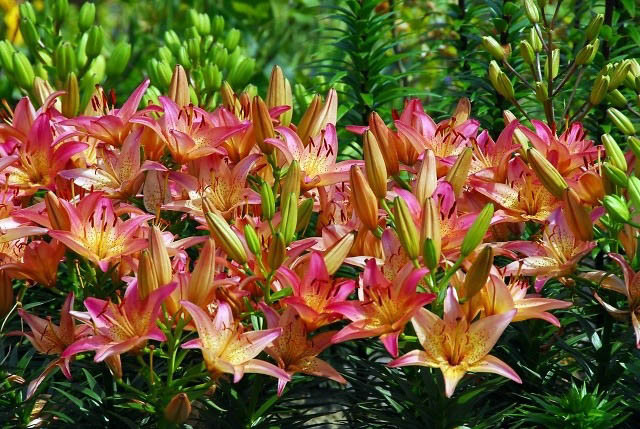
Asiatic dwarf lilies grow strong and bloom early. Their flowers show bright colors like red, orange, and yellow. These lilies need plenty of sunlight to thrive. They are low maintenance and resist pests well.
Trumpet Dwarf Lilies
Trumpet dwarf lilies have large, trumpet-shaped flowers. Their scent is sweet and strong. These lilies prefer cool climates and partial shade. They add elegance with their tall, slender stems.
Oriental Dwarf Lilies
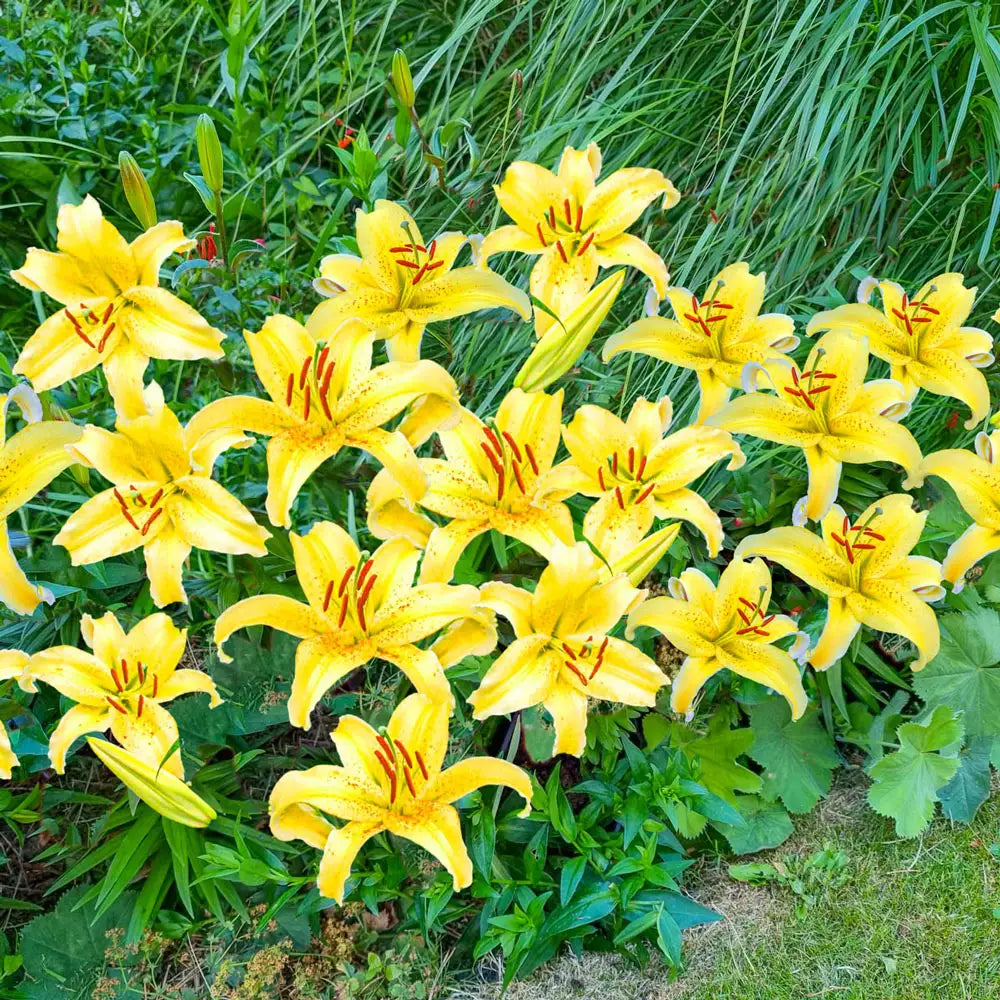
Oriental dwarf lilies are famous for their fragrance. Their petals often have spots or stripes. These lilies bloom later in the season. They like rich soil and moderate sunlight.
Martagon Dwarf Lilies
Martagon dwarf lilies feature nodding flowers with curled petals. They grow well in shady areas. These lilies are hardy and can survive cold winters. Their unique shape attracts butterflies and bees.
Credit: www.dutchbulbs.com
Planting Tips
Planting Dwarf Lilies requires some care to help them grow strong. Choosing the right spot, preparing the soil well, and planting at the correct depth are key steps. These tips make sure your lilies bloom beautifully and stay healthy.
Choosing The Right Location
Dwarf Lilies need a sunny place. At least six hours of sunlight helps them bloom. Avoid areas with strong winds to protect the delicate flowers. A spot with some shade during the hottest part of the day works well too.
Soil Preparation
Good soil is important for Dwarf Lilies. Use loose, well-drained soil. Mix in organic matter like compost to add nutrients. Avoid heavy clay or waterlogged soil because it can cause bulbs to rot. Light soil helps roots grow easily.
Planting Depth And Spacing
Plant bulbs about 3 to 4 inches deep. This depth keeps them safe from frost and helps roots develop. Space bulbs 4 to 6 inches apart. Enough space allows air to flow and prevents disease. Proper spacing also gives each plant room to grow.
Care And Maintenance
Dwarf Lilies are small but charming plants. They need simple care to grow well and bloom beautifully. Taking care of them involves watering, feeding, and protecting from pests. Knowing these basics helps keep your plants healthy and vibrant.
Watering Requirements
Dwarf Lilies prefer moist soil but not waterlogged. Water the plants deeply once or twice a week. Let the soil dry slightly between watering. Avoid wetting the leaves to prevent diseases. Adjust watering frequency in hot or dry weather.
Fertilizing Schedule
Feed Dwarf Lilies with a balanced fertilizer every four weeks. Use a fertilizer with equal parts nitrogen, phosphorus, and potassium. Apply fertilizer in spring and summer during the growing season. Stop feeding in fall to let the plant rest.
Pest And Disease Control
Watch for common pests like aphids and spider mites. Remove pests by hand or use mild insecticidal soap. Keep plants spaced well for good air flow to prevent fungal diseases. Remove any damaged or diseased leaves immediately to stop spread.

Credit: www.tulipworld.com
Design Ideas With Dwarf Lilies
Dwarf lilies are small, charming flowers that brighten any garden space. Their compact size makes them perfect for many design styles. They bring color and life without needing much room. Explore simple ways to use dwarf lilies in your garden for a fresh look.
These lilies grow well in different settings. They fit nicely in containers, borders, and rock gardens. Each option offers a unique way to enjoy their beauty all season long.
Container Gardening
Dwarf lilies thrive in pots and containers. Use small pots to create colorful displays on patios or balconies. Group several pots with different lily colors for variety. Containers allow easy movement to catch sunlight. This method suits small spaces and adds charm to any corner.
Border Plantings
Plant dwarf lilies along garden edges for neat borders. Their low height creates a soft, colorful line. Use them to frame walkways or flower beds. Mixing lilies with other low plants adds texture. Borders with dwarf lilies look tidy and inviting.
Rock Gardens
Dwarf lilies add life to rock gardens. Their small size fits well between stones. They bring bright spots of color among rocks and gravel. Choose lily colors that contrast with the rocks. Rock gardens with lilies feel natural and peaceful.
Seasonal Growth Cycle
Dwarf Lilies follow a clear seasonal growth cycle that gardeners find easy to track. Each phase of their growth shows distinct changes. Knowing these phases helps in caring for the plants well. The cycle includes spring emergence, summer blooming, and fall dormancy.
Spring Emergence
In spring, Dwarf Lilies begin to sprout from the soil. Small green shoots push through the ground. This signals the end of their winter rest. The plant gathers energy to prepare for flowering. Gardeners can spot the fresh growth early in the season.
Summer Blooming
Summer brings the peak of Dwarf Lilies’ beauty. Their flowers open fully, showing bright colors. This is the main time for pollination. The plants need full sun and regular watering now. Flowering may last several weeks, attracting bees and butterflies.
Fall Dormancy
As fall arrives, Dwarf Lilies slow down. Leaves start to yellow and dry out. The plant stores energy in its bulb underground. This prepares it for the cold winter months. Gardeners should reduce watering and avoid disturbing the bulbs.
Popular Dwarf Lily Varieties
Dwarf lilies are small but full of charm. Their compact size fits well in gardens and pots. Many gardeners enjoy their bright colors and delicate shapes. Here are some popular dwarf lily varieties to consider.
Tiny Dessert
Tiny Dessert is a petite lily with soft pink petals. It blooms in late spring. Its sweet fragrance fills the air gently. This variety stays low, perfect for small spaces.
Pixie
Pixie is known for its bright orange color. It grows up to 12 inches tall. The flowers have a bold, spotted pattern. Pixie brings a lively touch to any garden.
Little Kiss
Little Kiss offers creamy white flowers with a hint of pink. It blooms in early summer. This variety attracts butterflies and bees. Its subtle beauty fits well in mixed borders.
Dwarf Stargazer
Dwarf Stargazer has striking red and white petals. It is a smaller version of the classic Stargazer. The flowers have a strong, sweet scent. This lily brightens any corner with its bold look.
How Smart Pets Lover Can Help You with Dwarf Lilies
Learning Through Dwarf Lilies: A Hands-On Garden Classroom
For pet parents and nature lovers alike, diving into the world of dwarf lilies offers a wonderful chance to connect with your surroundings while sharpening practical gardening skills. Whether you’re exploring popular dwarf lily varieties or mastering their seasonal growth cycle, these petite blooms make a perfect subject for hands-on learning.
Start by observing how different types respond to sunlight and soil conditions—this ties directly into planting tips and care and maintenance practices you’ve already discovered. Notice how their growth patterns change through the seasons; this can teach patience and attentiveness, qualities valuable not only in gardening but also in responsible pet care.
- Track watering schedules and soil moisture, much like monitoring a pet’s daily needs.
- Experiment with design ideas, arranging lilies to create inviting, vibrant spaces that foster relaxation and mindfulness.
- Document your observations—taking notes or photos helps build a deeper connection and understanding.
At Smart Pets Lover, we believe that nurturing any living thing—plants or pets—enriches our lives and teaches empathy. For further guidance on creating harmonious environments for your plants and pets, feel free to reach out through our contact page. Remember, every small bloom or wagging tail tells a story worth cherishing.
Frequently Asked Questions
What Are Dwarf Lilies And Their Key Features?
Dwarf lilies are compact lily varieties that grow under 12 inches tall. They have vibrant, small blooms and suit container gardens well. These lilies are perfect for borders, rock gardens, and small spaces due to their size and colorful flowers.
How Do You Care For Dwarf Lilies?
Dwarf lilies need well-drained soil, moderate watering, and full to partial sunlight. Fertilize lightly during growing season. Protect bulbs from frost by mulching in winter. Regular deadheading promotes longer blooming and healthier plants.
When Is The Best Time To Plant Dwarf Lilies?
Plant dwarf lily bulbs in early spring or fall. Spring planting allows summer blooms, while fall planting encourages early blooms next year. Choose a sunny spot with well-drained soil for best growth and flowering.
Can Dwarf Lilies Grow Indoors Successfully?
Yes, dwarf lilies can grow indoors with enough light. Place them near a sunny window and maintain moderate humidity. Use well-draining pots and water sparingly to prevent root rot. Indoor growth may slightly delay blooming.
Conclusion
Dwarf lilies add charm to any garden or pot. They stay small but bloom bright and lovely. These plants need little space and care. Perfect for beginners and small areas alike. Growing dwarf lilies brings joy and color every day.
Try them to brighten your home or garden. Their beauty makes any spot feel special. Simple to grow, they suit all gardeners well. Give dwarf lilies a place in your green space. You’ll enjoy their flowers and easy care.