Dwarf Hairgrass
Are you looking to add a lush, vibrant touch to your aquarium? Dwarf Hairgrass might be exactly what you need.
This small but stunning plant can transform your tank into a green underwater carpet that looks natural and inviting. Imagine your fish swimming through soft, flowing grass that brings life and color to your setup. You’ll discover why Dwarf Hairgrass is a favorite among aquarists, how easy it is to care for, and the best tips to help it thrive in your aquarium.
Keep reading to learn how you can create a beautiful, healthy environment your fish will love.
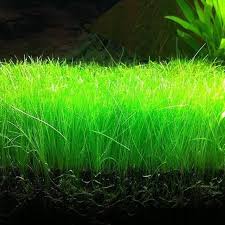
Credit: marcusfishtanks.com
Dwarf Hairgrass Basics
Dwarf Hairgrass is a popular choice for aquariums. It adds a natural look and creates a green carpet effect. This plant is easy to care for and grows well underwater. Understanding its basics helps you keep it healthy and beautiful.
This section explains the origin and habitat of Dwarf Hairgrass. It also describes its physical features. These details help in identifying and caring for the plant properly.
Origin And Habitat
Dwarf Hairgrass comes from South America. It grows naturally in slow-moving rivers and ponds. This plant thrives in soft, slightly acidic water. It prefers places with moderate light. Its natural habitat is warm and humid.
In the wild, Dwarf Hairgrass forms dense mats on riverbeds. These mats protect small aquatic animals. The plant also helps keep water clean by absorbing nutrients.
Physical Characteristics
Dwarf Hairgrass has thin, bright green leaves. Each leaf looks like a fine blade of grass. The leaves grow in small clumps from short roots. The plant usually reaches about 4 inches tall.
It spreads quickly by sending out runners under the soil. These runners help create a thick carpet in an aquarium. The plant’s bright green color adds freshness to any tank setup.
Planting Tips
Dwarf Hairgrass is a popular choice for aquariums. It creates a lush, green carpet that enhances any tank. Planting it correctly helps it grow strong and healthy. Follow these tips to give your Dwarf Hairgrass the best start.
Choosing The Right Substrate
Pick a fine, nutrient-rich substrate. Sand or small gravel works well. Nutrients in the substrate help roots grow. Avoid large gravel that can block root growth. A soft substrate lets the grass anchor firmly.
Lighting Requirements
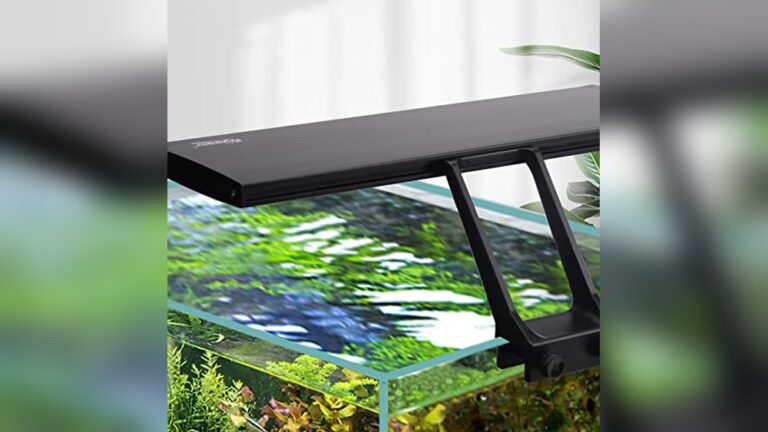
Dwarf Hairgrass needs moderate to high light. It grows best with 8 to 10 hours of light daily. Use full-spectrum aquarium lights for healthy leaves. Too little light makes the grass thin and weak. Bright light encourages thick, green growth.
Water Conditions
Keep water temperature between 68°F and 78°F. pH should be neutral or slightly acidic, around 6.5 to 7.5. Regular water changes keep nutrients balanced. Avoid strong currents that can uproot the grass. Stable water conditions support steady growth.
Growth And Maintenance
Dwarf Hairgrass is a popular choice for aquariums due to its vibrant green color and carpet-like appearance. It grows steadily under the right conditions. Maintaining it is simple but requires regular care to keep it healthy and lush.
Proper growth depends on light, nutrients, and water quality. Trimming helps control its spread and encourages new growth. Fertilizing supplies essential nutrients for strong roots and leaves. Algae can compete with the grass, so managing it keeps the tank clean and the grass thriving.
Trimming Techniques
Trim Dwarf Hairgrass regularly to prevent overgrowth. Use sharp scissors and cut just above the roots. This promotes fresh, dense growth. Remove dead or yellowing blades to keep the plant healthy. Trimming also helps maintain the carpet effect in your tank.
Fertilizing Needs
Dwarf Hairgrass needs nutrients to grow well. Use liquid fertilizers rich in iron and potassium. Root tabs can boost nutrient delivery at the base. Fertilize weekly or as directed on the product label. Avoid over-fertilizing to prevent algae growth.
Managing Algae
Algae can harm Dwarf Hairgrass by blocking light. Keep algae in check by controlling light duration. Use algae-eating fish or snails as natural cleaners. Regular water changes reduce excess nutrients that feed algae. Clean the tank surfaces and remove visible algae promptly.

Credit: www.reddit.com
Aquascaping Uses
Dwarf Hairgrass is a popular choice in aquascaping for its fine texture and bright green color. It helps create natural and attractive underwater scenes. This plant is easy to grow and fits well in many aquarium styles. Its uses in aquascaping vary from forming green carpets to mixing with other plants for contrast and depth.
Creating Lush Carpets
Dwarf Hairgrass grows low and spreads quickly. It forms thick, green carpets that cover the substrate. These carpets give the aquarium a fresh and natural look. The grass creates a soft base that makes other plants and decorations stand out. It also provides hiding spots for small fish and shrimp.
Carpet formation requires regular trimming. This keeps the grass dense and healthy. The result is a vibrant, green floor that brightens the whole tank.
Combining With Other Plants
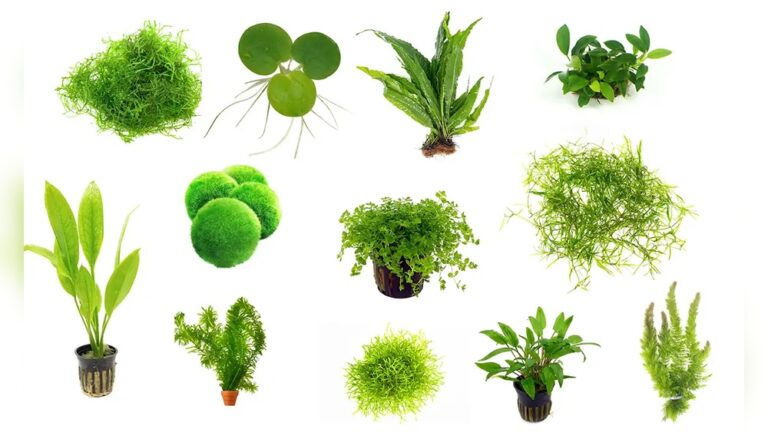
Dwarf Hairgrass pairs well with many aquarium plants. It contrasts nicely with taller plants like Anubias or Java Fern. This mix creates layers and depth in the tank. The fine leaves of the grass balance broad leaves of other plants.
Use Dwarf Hairgrass near rocks or driftwood. It softens hard edges and adds a natural feel. Mixing plants also helps mimic real underwater environments. This variety supports healthy fish behavior and improves tank aesthetics.
Common Challenges
Dwarf Hairgrass is a popular choice for aquariums. It creates a lush, green carpet effect. Despite its beauty, it faces some challenges. These issues can affect its growth and appearance. Understanding these problems helps keep your plant healthy. Below are common challenges and tips to handle them.
Dealing With Melting
Melting happens when Dwarf Hairgrass leaves turn slimy and die. This usually occurs after planting or changing conditions. Stress causes the plant to lose leaves quickly. To reduce melting, keep water stable and clean. Avoid sudden temperature or light changes. Trim dead leaves to encourage new growth. Patience is key as the plant recovers over time.
Preventing Yellowing Leaves
Yellow leaves show a lack of nutrients or light. Low iron or poor lighting causes this problem. Ensure your aquarium has enough light for at least 8 hours daily. Add liquid fertilizers or root tabs to supply nutrients. Test water regularly to keep nutrient levels balanced. Remove yellow leaves to avoid spreading decay. Healthy green leaves mean a thriving Dwarf Hairgrass.
Propagation Methods
Dwarf Hairgrass spreads easily in aquariums. It grows quickly and creates lush green carpets. Two simple ways help you propagate this grass. These methods suit beginners and experts alike. The grass stays healthy and looks great with proper care.
Dividing Clumps
Start by gently removing a clump of Dwarf Hairgrass. Use clean hands or tweezers for this step. Separate the clump into smaller parts. Each part should have roots and leaves. Plant these smaller clumps in the substrate. Space them evenly to allow room for growth. This method helps the grass spread faster.
Encouraging Runners
Dwarf Hairgrass grows runners, thin stems that spread underground. These runners produce new plants nearby. To encourage runners, keep the substrate soft and nutrient-rich. Light plays a key role; provide moderate to high lighting. Avoid disturbing the substrate too often. Patience is important as runners take time to grow. Soon, you will see a natural spread of grass.
Popular Varieties
Dwarf Hairgrass is a favorite plant for many aquarium lovers. It creates a beautiful green carpet that brings life to any tank. Several varieties of Dwarf Hairgrass exist, each with unique features and care needs. Knowing these popular types helps you pick the best one for your aquarium.
These varieties differ in leaf size, growth speed, and appearance. They all add a natural look and help create a healthy environment for fish and other aquatic life.
Japan Dwarf Hairgrass
Japan Dwarf Hairgrass is known for its thin, bright green leaves. It grows tall and forms dense mats. This variety prefers moderate light and clean water. It spreads quickly but stays neat. Japan Dwarf Hairgrass fits well in small and large aquariums.
It is easy to trim and shape. Its fine leaves sway gently in water currents. This movement adds a calm, natural feel to the tank. Japan Dwarf Hairgrass also helps improve water quality by absorbing nutrients.
Mini Dwarf Hairgrass
Mini Dwarf Hairgrass has smaller, shorter leaves than other types. It grows slowly and stays low to the ground. This makes it perfect for foreground planting. Mini Dwarf Hairgrass creates a soft, lush green carpet look.
This variety needs moderate to high light. It enjoys nutrient-rich water and regular trimming. Mini Dwarf Hairgrass is great for aquariums with small fish or shrimp. Its compact growth gives a neat and tidy appearance.

Credit: www.reddit.com
How Smart Pets Lover Can Help You with Dwarf Hairgrass
Learning Through Growing: Embracing Dwarf Hairgrass in Your Aquarium Journey
Getting hands-on with Dwarf Hairgrass opens a wonderful practical learning path for any fish enthusiast. As you explore planting tips and maintenance routines, you’ll develop a deeper understanding of aquatic ecosystems and the delicate balance required to keep your underwater world thriving. For instance, mastering propagation methods not only boosts your confidence but also teaches patience and observation, essential traits for responsible pet care.
At Smart Pets Lover, we believe every pet parent’s journey is unique, and embracing challenges like algae control or nutrient management becomes part of a rewarding learning curve. Watching your Dwarf Hairgrass carpet flourish offers more than just visual joy—it’s an opportunity to connect emotionally with your aquarium’s living habitat.
- Experiment with different popular varieties to see which fits your setup best
- Document growth patterns to fine-tune your aquascaping skills
- Reach out to trusted communities or contact us for shared experiences and advice
Remember, every step you take with your aquatic plants is a story of care and discovery—just like every wag, purr, and chirp in your pet family. For more insights or questions, feel free to connect with Smart Pets Lover, where knowledge meets passion for all things pet-related.
Frequently Asked Questions
What Is Dwarf Hairgrass In Aquariums?
Dwarf Hairgrass is a popular aquatic plant used for aquarium carpeting. It creates a lush, green carpet effect and provides shelter for fish. It’s easy to grow and helps maintain water quality by absorbing excess nutrients.
How Do You Care For Dwarf Hairgrass Properly?
Dwarf Hairgrass requires moderate light and nutrient-rich substrate. Regular trimming promotes dense growth. CO2 injection is beneficial but not mandatory. Keep water clean with stable parameters, ideally 68-82°F and pH 6. 5-7. 5 for best results.
Can Dwarf Hairgrass Grow Without Co2 Injection?
Yes, Dwarf Hairgrass can grow without CO2 injection. However, CO2 boosts growth rate and plant health. Without CO2, growth is slower and less dense. Adequate lighting and nutrients are essential to support healthy growth in low CO2 setups.
How Fast Does Dwarf Hairgrass Grow In Aquariums?
Dwarf Hairgrass grows moderately fast under optimal conditions. It can spread and cover substrate in 4 to 6 weeks. Growth speed depends on lighting, nutrients, and CO2 availability. Regular trimming helps maintain a neat carpet appearance.
Conclusion
Dwarf Hairgrass adds beauty and life to any aquarium. It grows fast and creates a green carpet effect. This plant helps keep water clean and oxygen-rich. It works well with many fish and other plants. Easy to care for, it suits beginners and experts alike.
Try Dwarf Hairgrass to make your tank look natural and fresh. A simple way to bring nature indoors.