Dwarf Gourami
If you’re looking to add a splash of vibrant color and peaceful charm to your aquarium, the Dwarf Gourami might be just what you need. These small, striking fish are not only beautiful but also easy to care for, making them perfect for both beginners and experienced hobbyists.
Imagine watching your tank come alive with their graceful movements and dazzling hues every day. Curious to learn how to keep your Dwarf Gourami happy and healthy? Keep reading, and you’ll discover simple tips that can transform your aquarium into a lively underwater paradise.

Credit: aquariumfishonline.com.au
Dwarf Gourami Basics
Dwarf Gouramis are popular fish for home aquariums. They are small, colorful, and peaceful. Many beginners choose them because they are easy to care for. Understanding their basics helps in keeping them healthy and happy.
This section covers their appearance, natural habitat, and lifespan. These facts give a clear picture of what to expect from Dwarf Gouramis.
Appearance And Size
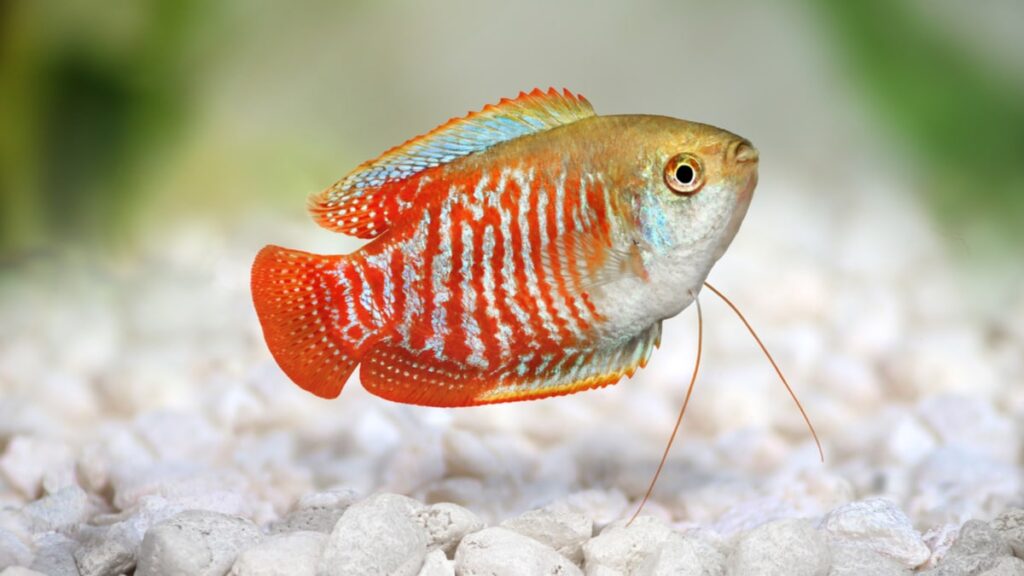
Dwarf Gouramis have bright colors like red, blue, and orange. Males are usually more colorful than females. Their bodies are oval-shaped and flattened on the sides. They grow up to 3.5 inches long. Their fins are long and flowy, adding to their charm.
Natural Habitat
Dwarf Gouramis come from India, Bangladesh, and Pakistan. They live in slow-moving waters like ponds and streams. These waters often have plants and calm areas. The plants provide hiding spots and places to build nests. The water is usually warm and soft.
Lifespan
Dwarf Gouramis live about 4 to 6 years in good care. Their lifespan depends on water quality and diet. Clean water and a balanced diet help them live longer. Stress and illness can shorten their life. Regular tank maintenance keeps them healthy.
Credit: www.chewy.com
Tank Setup
Setting up the right tank for your Dwarf Gourami is key to its health and happiness. A well-planned tank mimics their natural habitat and helps them thrive. Each part of the setup matters, from tank size to water quality and decorations.
Here is how to create a perfect environment for your Dwarf Gourami.
Tank Size Requirements
Dwarf Gouramis need enough space to swim freely. A tank of at least 10 gallons is ideal for one fish. For a small group, choose a larger tank, around 20 gallons. More space helps reduce stress and aggression among fish.
Water Conditions
Keep the water temperature between 72°F and 82°F (22°C – 28°C). Maintain a pH level from 6.0 to 7.5 for a balanced environment. Regular water changes are important to keep the water clean and healthy. Use a gentle filter to avoid strong currents that stress the fish.
Decor And Plants
Use live plants to provide hiding spots and improve water quality. Floating plants are perfect as they create shade and reduce light intensity. Add smooth rocks and driftwood to simulate a natural habitat. Avoid sharp objects that can injure your fish.
Feeding Habits
Dwarf Gouramis have specific feeding habits that keep them healthy and active. Understanding what and how often to feed them is key to their well-being. Their diet needs variety and balance to meet nutritional needs. Feeding habits also affect their color and energy levels.
Diet Types
Dwarf Gouramis are omnivores. They eat both plant and animal matter. Their diet includes flakes, pellets, and live foods. Offering a mix helps meet their nutritional needs. Vegetables like spinach or peas are good too. Variety keeps them interested and healthy.
Feeding Frequency
Feed Dwarf Gouramis small amounts twice a day. Overfeeding can cause water problems and health issues. Only offer what they can eat in two minutes. Remove any leftover food to keep the tank clean. Regular feeding supports steady growth and vibrant colors.
Recommended Foods
High-quality flakes or pellets designed for tropical fish work well. Live foods like brine shrimp or bloodworms are excellent treats. Frozen foods can be used as a substitute for live ones. Blanched vegetables like zucchini or cucumber provide extra nutrients. A balanced diet helps maintain their bright colors and energy.
Behavior And Temperament
Dwarf Gouramis are known for their bright colors and peaceful nature. Their behavior makes them a favorite among aquarium enthusiasts. Understanding their temperament helps create a calm tank environment. These small fish enjoy interaction but have unique social traits.
They can be lively and curious, exploring their surroundings actively. Observing their behavior reveals much about their mood and health. Knowing their temperament aids in choosing the right tank mates and setup.
Social Behavior
Dwarf Gouramis often swim alone or in pairs. They like calm and quiet tanks without too many fish. Males may show bright colors when happy or during mating. These fish enjoy plants and hiding spots to feel safe. They sometimes hover near the water surface, watching the environment.
Compatibility With Other Fish
Dwarf Gouramis usually get along with peaceful fish. Small tetras, rasboras, and guppies can be good tank mates. Avoid housing them with aggressive or very fast fish. They prefer a calm tank without much competition for food. Keep the tank well-planted to reduce stress and hiding spots.
Common Aggression Issues
Male Dwarf Gouramis may show aggression toward each other. Fighting happens when two males share the same tank. Signs include chasing, fin nipping, and color changes. Separate males or keep only one per tank. Stress and poor water conditions can increase aggression. Watch your fish closely to prevent injuries.
Breeding Dwarf Gouramis
Breeding Dwarf Gouramis can be a rewarding experience for aquarium hobbyists. These small, colorful fish have interesting behaviors during mating. Successful breeding requires attention to their environment and habits.
Breeding Setup
Choose a small tank of about 10 gallons for breeding. Keep the water temperature between 78 and 82°F. Use soft, slightly acidic water with a pH around 6.5 to 7.0. Add plenty of plants and floating leaves. These provide hiding spots and support bubble nests. Keep lighting dim to reduce stress. Use a gentle filter or none at all to avoid disturbing the nest.
Courtship Behavior
The male builds a bubble nest at the water surface. He collects plant bits and air bubbles for the nest. The male shows bright colors to attract the female. He flares his fins and swims in circles. The female approaches when ready to spawn. The male wraps around the female to release eggs. He catches the eggs and places them in the nest. Courtship can last several days before spawning.
Raising Fry
After spawning, remove the female to avoid aggression. The male guards and cares for the eggs. Eggs hatch in about 24 to 36 hours. Fry become free-swimming after 3 to 4 days. Feed them infusoria or liquid fry food first. Then offer newly hatched brine shrimp or finely crushed flakes. Keep water clean with gentle changes. Remove the male once fry start swimming freely to prevent harm.
Common Health Issues
Dwarf Gouramis are beautiful and peaceful fish. They brighten home aquariums with their vibrant colors. Like all fish, they face health challenges. Knowing these common health issues helps keep them healthy and happy. Early detection and care improve their life quality.
Signs Of Illness
Watch for changes in behavior. A sick Dwarf Gourami may stop eating. It might hide more than usual. Look for faded colors or spots on its body. Clamped fins and labored breathing are warning signs. Swelling or bloating also signals health problems. Quick action is essential when these signs appear.
Preventative Care
Maintain clean water in the aquarium. Test water regularly for pH and ammonia levels. Provide a balanced diet with quality fish food. Avoid overcrowding to reduce stress and disease. Quarantine new fish before adding them to the tank. Keep temperature stable between 75°F and 82°F. These steps help prevent most illnesses.
Treatment Options
Isolate sick fish to stop disease spread. Use aquarium salt to improve gill function. Medications can treat bacterial and parasitic infections. Follow package instructions carefully for dosage. Change water frequently during treatment for best results. Consult a vet or expert if unsure. Early treatment increases chances of recovery.
Choosing Healthy Dwarf Gouramis
Choosing healthy Dwarf Gouramis is key to a happy aquarium. These colorful fish need good care from the start. Picking strong, active fish helps avoid illness and stress. Healthy fish live longer and show bright colors. This section guides you on how to spot healthy Dwarf Gouramis and where to buy them safely.
What To Look For
Check the fish’s body for clear, smooth scales. Avoid fish with torn fins or white spots. Bright, even colors show good health. Watch the fish swim. Healthy Gouramis move actively and steadily. Look for clear eyes without cloudiness. Breathing should be calm, not fast or heavy.
Where To Buy
Buy from reputable pet stores or trusted breeders. These places often keep fish in clean tanks. Ask staff about the fish’s care history. Avoid buying from street vendors or markets. Fish from poor conditions may carry diseases. Online stores with good reviews can be safe too.
Avoiding Common Mistakes
Do not buy fish that hide all the time. Hiding can mean stress or sickness. Avoid crowded tanks where fish look weak. Do not pick fish with clamped fins. Quarantine new fish before adding them to your tank. This step helps stop disease spread. Always check water quality at the store.

Credit: flipaquatics.com
How Smart Pets Lover Can Help You with Dwarf Gourami
Learning Through Care: Practical Insights with Your Dwarf Gourami
Welcoming a Dwarf Gourami into your home isn’t just about creating a beautiful tank—it’s an opportunity to deepen your understanding of aquatic life. Observing their unique behavior and temperament can teach you valuable lessons in patience and attentiveness. For example, watching how your gourami interacts in its carefully set-up environment helps you appreciate the importance of tank setup and water conditions.
Feeding habits also offer practical learning moments. By tailoring a balanced diet, you not only support your fish’s health but also develop mindful feeding routines that prevent overfeeding—a common mistake among new fish keepers.
- Notice subtle changes in behavior that might hint at health issues.
- Apply breeding tips to explore nature’s lifecycle firsthand.
- Choose healthy specimens by recognizing signs of vitality.
At Smart Pets Lover, we understand how these experiences build confidence and a heartfelt connection with your pet. For further guidance, reaching out to local aquatic specialists or forums can provide personalized support tailored to your specific setup and community.
Frequently Asked Questions
What Is A Dwarf Gourami Fish?
Dwarf Gourami is a small, colorful freshwater fish popular in home aquariums. It grows up to 3. 5 inches and thrives in peaceful tank environments.
How To Care For Dwarf Gourami Fish?
Maintain clean water, stable temperature (72-82°F), and a balanced diet. Provide plants and hiding spots for comfort and stress reduction.
What Do Dwarf Gouramis Eat?
They eat flakes, pellets, live, or frozen foods like brine shrimp and bloodworms. A varied diet ensures their health and vibrant colors.
Are Dwarf Gouramis Good For Community Tanks?
Yes, they are peaceful and compatible with small, non-aggressive fish. Avoid housing them with fin-nipping or aggressive species to prevent stress.
Conclusion
Dwarf Gouramis make great pets for small aquariums. They are colorful, peaceful, and easy to care for. Keep their tank clean and provide plants for hiding spots. Feed them a balanced diet to keep them healthy. Watch their behavior to spot any problems early.
Enjoy their calm presence and bright colors every day. These fish bring life and charm to any home aquarium. Consider adding Dwarf Gouramis to your fish collection today.