Dropsy Betta
If you keep bettas, you know how beautiful and lively these fish can be. But what happens when your colorful friend starts looking swollen and sluggish?
That’s often a sign of dropsy, a serious condition that can quickly become life-threatening if not treated. You want to protect your betta and keep it healthy, right? Understanding dropsy is the first step to saving your fish and giving it the care it needs.
Keep reading to learn what dropsy betta means, how to spot it early, and what you can do to help your betta bounce back. Your fish’s health depends on the choices you make now.
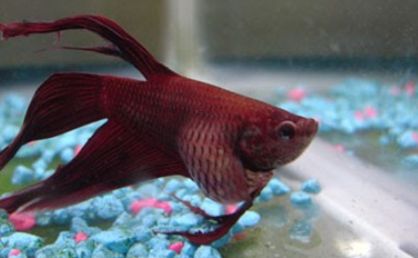
Credit: aquariumscience.org
What Is Dropsy In Bettas
Dropsy is a serious condition affecting betta fish. It causes swelling of the fish’s body and scales. This illness signals a deeper health problem inside the fish.
Understanding dropsy helps fish owners act quickly. Early recognition can improve the chance of saving your betta.
What Causes Dropsy In Bettas?
Dropsy is not a disease itself but a symptom of other issues. It often results from bacterial infections. These infections attack the fish’s kidneys and organs.
Poor water quality and stress can trigger dropsy. These factors weaken the betta’s immune system. Sometimes, dropsy appears due to internal organ failure.
Signs And Symptoms Of Dropsy
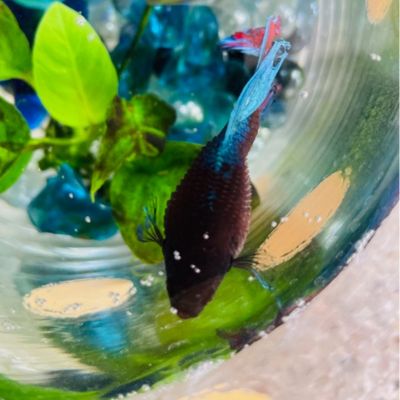
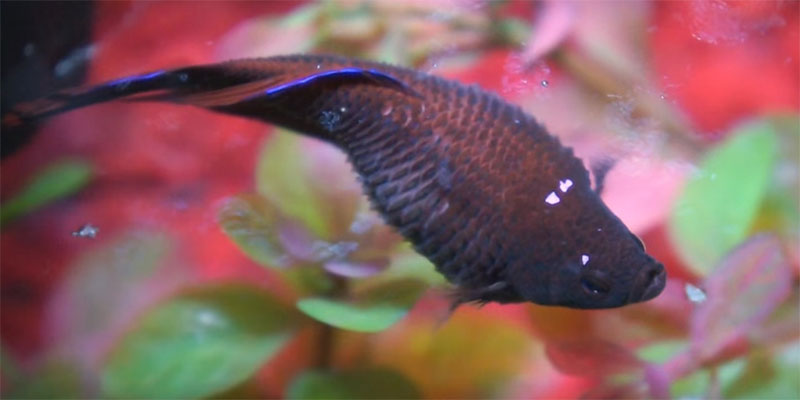
The most visible sign is swelling or bloating of the body. Scales may stick out like pinecone spikes. The fish may have cloudy eyes and lethargy.
Loss of appetite and difficulty swimming are common. The tail and fins might curl or rot. These signs help identify dropsy early.
Why Dropsy Is Dangerous For Bettas
Dropsy usually means serious internal damage. The swelling puts pressure on organs. This can cause organ failure and death.
Treatment is difficult because the infection spreads inside. Without quick care, the fish’s health worsens fast. Many bettas do not survive advanced dropsy.
Credit: bettafish.org
Signs And Symptoms
Dropsy in bettas is a serious illness that affects their body. It causes clear signs and symptoms. Spotting these early can help save your fish. Knowing what to watch for is key.
Physical Changes
Dropsy makes the betta’s body swell up. Their scales may stick out, looking like a pinecone. The belly often looks bloated and tight. Eyes might bulge or appear cloudy. Fins can become clamped or torn. The fish may show pale or discolored patches on the skin.
Behavioral Indicators
Bettas with dropsy often act weak and tired. They may hide more than usual. Swimming becomes slow or awkward. The fish might lose interest in food. Gasping at the water surface happens sometimes. These behaviors show the fish is in distress.
Causes Of Dropsy
Dropsy is a serious condition affecting betta fish. Understanding its causes helps prevent it. Several factors can lead to dropsy, each affecting the fish in different ways. Identifying the root cause is key to protecting your betta’s health.
Bacterial Infections
Bacterial infections are a common cause of dropsy in bettas. Harmful bacteria invade the fish’s body, causing swelling and organ failure. These infections often start after minor injuries or poor tank conditions. Treating bacterial infections early can save your fish.
Poor Water Quality
Dirty or unbalanced water harms betta health. High ammonia, nitrite, or nitrate levels stress the fish. Poor water can damage fins and skin, allowing infections. Regular water changes and testing keep the tank safe and clean.
Diet And Stress Factors
Improper diet weakens the betta’s immune system. Overfeeding or low-quality food causes health problems. Stress from overcrowding or sudden changes also triggers dropsy. A balanced diet and calm environment support strong fish health.
Diagnosing Dropsy
Diagnosing dropsy in bettas requires careful observation and testing. Early detection helps improve treatment chances. Betta owners should be alert to changes in their fish’s appearance and environment. Understanding the signs and causes is vital.
Visual Inspection
Look closely at your betta’s body. Dropsy causes swelling and raised scales. The fish may appear bloated or puffy. Eyes might look cloudy or bulging. Fins can become clamped or frayed. Notice any unusual behavior like lethargy or loss of appetite. These signs suggest a problem.
Testing Water Parameters
Check the water quality immediately. Poor water conditions often cause stress and illness. Test for ammonia, nitrites, and nitrates levels. Also measure pH and temperature. Keep parameters within safe ranges for bettas. Clean water helps prevent and manage dropsy. Regular testing is essential for healthy fish.
Treatment Options
Treating dropsy in betta fish requires quick action and care. The condition causes swelling and can be deadly. Early treatment improves the chances of recovery. Several methods can help manage this illness. These include isolating the fish, using medicines, and providing good care.
Isolation And Quarantine
Isolate the sick betta immediately. This stops the disease from spreading to other fish. Use a separate tank with clean water. Keep the water temperature stable, around 78°F to 80°F. Avoid overcrowding to reduce stress. Observe the fish closely for any changes.
Medications And Antibiotics
Antibiotics may help fight the infection causing dropsy. Use medicines designed for fish, like those with kanamycin or tetracycline. Follow the instructions carefully to avoid harm. Antibiotics work best in early stages. Consult a vet or fish expert before starting treatment.
Supportive Care
Good supportive care aids healing. Feed the betta high-quality, easy-to-digest food. Keep the tank clean and change water regularly. Add aquarium salt in small amounts to reduce swelling. Maintain low stress by dimming lights and minimizing noise. Supportive care helps the fish’s immune system fight illness.
Preventing Dropsy
Dropsy is a serious health problem for betta fish. Preventing it is easier than treating it. Keeping your betta healthy means stopping dropsy before it starts. Three key steps help protect your fish: clean water, a balanced diet, and regular tank care.
Maintaining Clean Water
Clean water is vital for your betta’s health. Change 25% of the water weekly. Use a water conditioner to remove harmful chemicals. Test the water for ammonia, nitrites, and nitrates. These can stress your fish and cause illness. A good filter helps keep the water clear and safe.
Balanced Diet
Feed your betta a varied diet. Use high-quality pellets or flakes made for bettas. Include frozen or live foods like brine shrimp or bloodworms. Avoid overfeeding. Give small amounts twice a day. A good diet strengthens the immune system. Strong fish resist diseases like dropsy better.
Regular Tank Maintenance
Check your tank daily for problems. Remove uneaten food and waste. Clean the tank walls to stop algae growth. Inspect plants and decorations for dirt or mold. Keep the tank temperature steady, around 78-80°F. Healthy tank conditions reduce stress and keep your betta safe.
Common Mistakes To Avoid
Dropsy is a serious illness for betta fish. Many owners make mistakes that can worsen the condition. Avoiding these errors can help your betta survive and recover. Knowing what not to do is as important as knowing what to do.
This section points out common mistakes that cause more harm than good. Learn these to protect your fish better.
Improper Water Changes
Skipping regular water changes lets toxins build up. Dirty water weakens the betta’s immune system. Changing too much water at once can also stress the fish. Aim for small, frequent water changes to keep the tank clean and safe.
Ignoring Water Parameters
Not testing water parameters can harm your betta. Dropsy often relates to poor water quality. Check temperature, pH, and ammonia levels regularly. Stable water conditions help your betta fight illness faster.
Overfeeding The Betta
Giving too much food causes water pollution. Uneaten food rots and releases harmful chemicals. Feed your betta small portions once or twice daily. This keeps the water clean and the fish healthy.
Using Wrong Medications
Not all medicines work for dropsy. Using antibiotics without advice can harm your fish. Some treatments may cause more stress or damage. Consult a vet or expert before starting any medication.
Delaying Treatment
Waiting too long to act reduces recovery chances. Dropsy spreads inside the fish quickly. Early treatment improves the chance of survival. Watch your betta closely and act at the first sign.
Credit: bettafish.org
How Smart Pets Lover Can Help You with Dropsy Betta
Learning from Dropsy Betta: Practical Steps for Every Pet Parent
Understanding Dropsy in Bettas goes beyond just recognizing the signs and symptoms; it opens a door to becoming a more attentive and confident fish keeper. By carefully diagnosing and addressing the causes of Dropsy, you develop sharper observation skills that can help prevent future health issues. Smart Pets Lover believes that every pet parent can deepen their connection with their aquatic companions by embracing this hands-on learning experience.
- Regular tank maintenance and water quality checks are practical habits that keep your Betta healthy and reduce the risk of Dropsy.
- Knowing common mistakes to avoid—like overfeeding or neglecting quarantine—empowers you to create a safer environment for your fish.
- When treatment options arise, being informed helps you make thoughtful decisions that prioritize your Betta’s well-being.
If ever in doubt, reaching out to local aquatic veterinarians or fish care communities can provide valuable support. Remember, caring for a Betta with Dropsy is a journey that enriches your understanding and strengthens your bond, one careful step at a time.
Frequently Asked Questions
What Causes Dropsy In Betta Fish?
Dropsy in betta fish is caused by bacterial infections. Poor water quality, stress, and weakened immune systems increase the risk. It leads to fluid buildup and swollen scales. Early detection and treatment are crucial for recovery.
How Can I Treat Dropsy In Betta Fish?
Treat dropsy by isolating the fish in a hospital tank. Use antibacterial medications and improve water quality. Maintain clean water and stable temperature. Providing nutritious food supports immune recovery. Treatment success depends on early intervention.
Can Dropsy In Betta Fish Be Prevented?
Yes, dropsy can be prevented with proper care. Maintain clean, well-filtered water and avoid overcrowding. Feed a balanced diet and reduce stressors. Regular tank maintenance and observation help catch health issues early.
How Do I Identify Dropsy Symptoms In Betta Fish?
Look for swollen, pinecone-like scales and a bloated belly. Betta may show lethargy, loss of appetite, and difficulty swimming. Early signs include pale gills and clamped fins. Prompt action improves chances of recovery.
Conclusion
Dropsy in bettas is a serious health issue. Early signs help you act fast. Clean water and good care reduce risks. Always watch your fish closely for changes. Treating dropsy quickly can save your betta. Healthy habits keep your fish happy and safe.
Remember, patience and care make all the difference. Keep learning and caring for your betta daily. Small steps lead to better fish health.