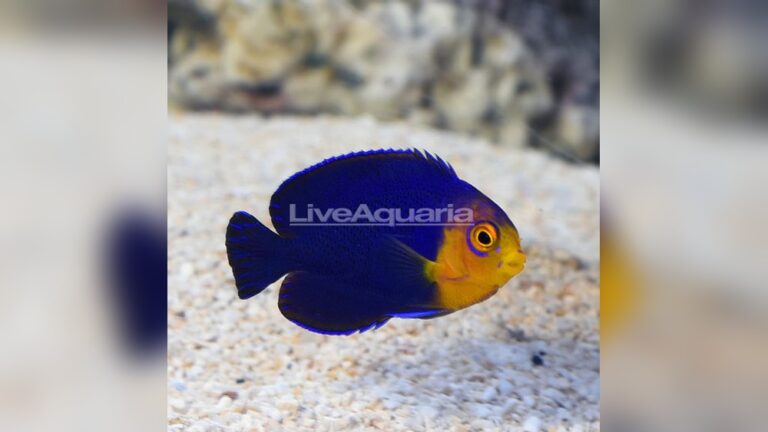
Dragon Wrasse
Have you ever seen a fish that looks like it belongs in a fantasy story? The Dragon Wrasse is just that—a stunning, colorful creature that can transform your aquarium into a vibrant underwater world.
If you want to learn how to care for this unique fish and discover what makes it so special, you’re in the right place. Keep reading, and you’ll find everything you need to know to bring the magic of the Dragon Wrasse into your home.
Dragon Wrasse Traits
The Dragon Wrasse is a fascinating fish with unique traits. These traits make it stand out in the ocean and in home aquariums. Understanding these features helps appreciate this species more.
Its behavior and looks attract many fish lovers. Let’s explore the key traits of the Dragon Wrasse.
Physical Appearance
The Dragon Wrasse has a long, slender body. It has a pointed head with sharp teeth. Its fins are strong and help it swim fast. The body shape is perfect for quick movements.
The fish has a rough texture on its scales. This texture looks like dragon skin, giving the fish its name. Its eyes are large and alert, helping it spot food easily.
Size And Growth
Dragon Wrasses can grow up to 12 inches long. They start small but grow steadily over time. Growth depends on their diet and environment.
They reach full size in about two years. In a good habitat, they live longer and stay healthy. Size can vary slightly between males and females.
Color Variations
Colors of Dragon Wrasse vary widely. They may show shades of green, blue, and brown. Some have bright spots or lines on their bodies.
Color changes can happen with age or mood. Bright colors often appear during mating seasons. These variations make each Dragon Wrasse unique.
Natural Habitat
The Dragon Wrasse is a vibrant fish known for its striking colors and unique behavior. Understanding its natural habitat helps us appreciate where it thrives best. This fish lives in specific marine areas that offer the perfect conditions for its survival and growth.
Geographic Range
Dragon Wrasse is native to the Indo-Pacific region. It can be found from the eastern coast of Africa to the islands of the central Pacific. Countries like Indonesia, the Philippines, and Australia are common locations. This wide range shows how adaptable the species is.
Preferred Environment
These fish prefer coral reefs and rocky areas. They live in shallow waters, usually between 1 to 20 meters deep. Warm water temperatures suit them best. The reefs provide shelter and food, making it an ideal home.
Behavior In The Wild
In the wild, Dragon Wrasse is active during the day. It swims around the coral, searching for small invertebrates to eat. This fish is shy and often hides among rocks. It uses its bright colors to blend with the reef environment.
Diet And Feeding
The Dragon Wrasse is a colorful fish that thrives on a varied diet. Proper feeding is vital for its health and vibrant colors. Understanding its natural diet and feeding habits helps maintain this fish in home aquariums.
Natural Diet
In the wild, Dragon Wrasses eat small animals found on the ocean floor. Their diet includes crustaceans, mollusks, and small fish. They also consume worms and other tiny marine creatures. This diverse diet provides essential nutrients.
Feeding Habits
Dragon Wrasses are active hunters. They search the sand and rocks for food. They use their strong jaws to crush shells. Feeding usually happens during the day. These fish prefer fresh, moving prey.
Aquarium Feeding Tips
Offer a mix of frozen and live foods. Examples include brine shrimp, mysis shrimp, and chopped seafood. Feed small amounts twice daily. Avoid overfeeding to keep water clean. Variety keeps Dragon Wrasses healthy and happy.

Credit: harrysmarinelife.com
Tank Setup
Setting up a tank for a Dragon Wrasse needs care and attention. This fish thrives best in a well-prepared environment. The tank must meet specific needs to keep the fish healthy and active. Proper water conditions and space are important. Creating hiding spots helps the Dragon Wrasse feel safe and reduces stress.
Tank Size Requirements
The Dragon Wrasse needs a large tank due to its size and activity. At least 75 gallons is best for one adult. More space helps reduce aggression and allows swimming. A bigger tank keeps the water stable. Crowded tanks can cause stress and health issues.
Water Parameters
Water quality affects the health of the Dragon Wrasse. Keep the temperature between 72 and 78 degrees Fahrenheit. The pH should stay from 8.1 to 8.4. Salinity needs to be around 1.020 to 1.025 specific gravity. Regular testing and water changes keep the tank safe and clean.
Decor And Hiding Spots
Decor is important for Dragon Wrasse comfort. Use live rock to build caves and crevices. These hiding spots reduce stress and mimic their natural habitat. Sand substrate is ideal for burrowing. Avoid sharp decorations to prevent injuries. The tank should offer plenty of places to explore and hide.
Compatibility
The Dragon Wrasse is a vibrant fish with unique behavior. Understanding its compatibility helps create a peaceful tank. This fish has specific needs when it comes to other tank mates and space. Knowing these details ensures a happy environment for all fish.
Suitable Tank Mates
Choose tank mates that are calm and non-aggressive. Small fish that swim in the middle or top levels work well. Avoid tiny fish that the Dragon Wrasse might see as food. Other wrasses and peaceful community fish can live together peacefully. Bright colors and similar sizes help reduce stress.
Aggression And Territoriality
The Dragon Wrasse can show territorial behavior. It defends its space from similar species or intruders. Aggression is usually mild but can increase in small tanks. Providing plenty of hiding spots reduces fights. Keep only one male Dragon Wrasse in the tank to avoid rivalry.

Credit: www.aquariumofpacific.org
Health And Care
Proper health and care are key to keeping your Dragon Wrasse happy and thriving. These fish need clean water, good food, and a calm environment. Paying attention to their health helps prevent problems and ensures they live long lives.
Common Diseases
Dragon Wrasses can face diseases like ich, fin rot, and bacterial infections. Ich shows as white spots on the fish’s body. Fin rot causes torn or ragged fins. Bacterial infections may cause red sores or swelling. Treating diseases early is crucial to avoid serious harm.
Preventive Measures
Keep the tank clean and stable to prevent illness. Test water regularly for pH, ammonia, and nitrate levels. Feed high-quality food to boost the fish’s immune system. Quarantine new fish before adding them to the tank. Avoid overcrowding to reduce stress and disease spread.
Signs Of Stress
Watch for color changes or dullness in your Dragon Wrasse. If it hides more or stops eating, it may be stressed. Rapid breathing or erratic swimming are warning signs. Stress weakens the fish and can lead to illness. Fix problems quickly to help your fish recover.
Breeding Insights
Breeding Dragon Wrasse can be a rewarding experience for aquarium enthusiasts. Understanding their natural behaviors and needs is key to success. This section explains important details about their breeding habits.
Knowing what triggers spawning and how to care for the young helps create a healthy environment. Patience and careful observation make a big difference.
Breeding Behavior
Dragon Wrasse show vibrant colors and active movements during breeding times. Males often display bright patterns to attract females. They perform dances and chase each other around the tank.
Pairs form strong bonds before spawning. The male guards the female closely. Aggression can rise toward other fish during this period.
Spawning Conditions
Spawning usually happens at dusk or night. Water temperature around 75-78°F helps encourage breeding. Slightly increased water flow mimics natural reef conditions.
Provide plenty of hiding spots and flat surfaces for eggs. Low light and calm water reduce stress and improve chances of spawning.
Raising Fry
Dragon Wrasse fry are tiny and need special care. Feed them small live foods like baby brine shrimp. Keep the tank clean and monitor water quality closely.
Separate fry from adult fish to avoid predation. Frequent small feedings support fast growth. Patience is vital during the early stages.

Credit: harrysmarinelife.com
How Smart Pets Lover Can Help You with Dragon Wrasse
Learning Through Caring for Your Dragon Wrasse
Welcoming a Dragon Wrasse into your aquatic family offers more than just vibrant colors and lively movement—it opens a window to hands-on learning about marine life. Observing their natural behaviors in a carefully designed tank setup helps deepen your understanding of their diet and feeding patterns, fostering a stronger connection with your finned friend.
By tuning into their unique traits and compatibility needs, you cultivate patience and attentiveness—key qualities for responsible pet ownership. This kind of practical experience aligns beautifully with what we value at Smart Pets Lover: empowering pet parents to feel confident and emotionally connected to their animals.
- Keep a journal of your Dragon Wrasse’s feeding habits to notice subtle changes in health.
- Experiment with tank environment tweaks to mirror their natural habitat more closely.
- Engage with community forums or experts when questions arise, ensuring your care approach evolves thoughtfully.
Remember, every moment spent learning about your Dragon Wrasse adds to the rich story you share with your pet. For additional insights or support, don’t hesitate to reach out to aquatic care specialists or visit trusted resources—because informed care makes all the difference in a thriving underwater world.
Frequently Asked Questions
What Is A Dragon Wrasse Fish?
The Dragon Wrasse is a colorful marine fish known for its vibrant scales and long body. It inhabits coral reefs and rocky areas in tropical waters. This species is popular in marine aquariums due to its striking appearance and active behavior.
Where Can Dragon Wrasse Be Found Naturally?
Dragon Wrasse are native to the Indo-Pacific region. They are commonly found in coral reefs around Australia, Japan, and the Philippines. These fish prefer warm, shallow waters with plenty of hiding spots among rocks and corals.
What Does A Dragon Wrasse Eat?
Dragon Wrasse primarily feed on small invertebrates, crustaceans, and mollusks. They use their sharp teeth to crack shells and hunt prey among coral crevices. In captivity, they accept a diet of frozen or live seafood such as shrimp and brine shrimp.
How Big Do Dragon Wrasse Grow?
Dragon Wrasse can grow up to 10-12 inches (25-30 cm) in length. Their size depends on their habitat and diet. In aquariums, they tend to reach their full size with proper care and nutrition.
Conclusion
The Dragon Wrasse is a fascinating fish to observe. Its bright colors and lively movements attract many hobbyists. Caring for this fish requires understanding its needs and environment. A healthy tank helps the Dragon Wrasse thrive and stay active. Watching its unique behavior adds joy to any aquarium.
This fish brings life and color to underwater spaces. Consider the Dragon Wrasse for a vibrant and interesting pet. It can be a rewarding addition to your aquatic collection.