Dragon Goby
Are you curious about a unique and fascinating fish that can brighten up your aquarium? The Dragon Goby might be just what you’re looking for.
With its striking appearance and interesting behavior, this fish can become a captivating addition to your underwater world. You’ll discover everything you need to know about caring for a Dragon Goby, from its habitat and diet to tips that will help it thrive.
Keep reading to unlock the secrets of this amazing creature and make your aquarium truly stand out.

Credit: www.aqua-imports.com
Dragon Goby Basics
The Dragon Goby is a fascinating fish that many aquarium lovers admire. It has unique features and interesting behaviors. Understanding its basics helps in caring for this special species properly.
This section covers important facts about the Dragon Goby. Learn about its species profile, natural habitat, and physical traits. These details give a clear picture of what makes this fish stand out.
Species Profile
The Dragon Goby belongs to the Oxudercidae family. Its scientific name is Gobioides broussonnetii. This fish is also called the Violet Goby. It grows up to 18 inches long. Dragon Gobies live mostly in brackish water. They are peaceful and slow-moving creatures. They prefer calm waters and soft bottoms.
Natural Habitat
Dragon Gobies come from coastal areas in the Americas. They are found from Florida to Brazil. These fish live in estuaries, mangroves, and river mouths. They enjoy water with low salt levels. Muddy or sandy bottoms suit them best. Hiding places like plants and rocks are important. These spots protect them from predators and stress.
Physical Characteristics
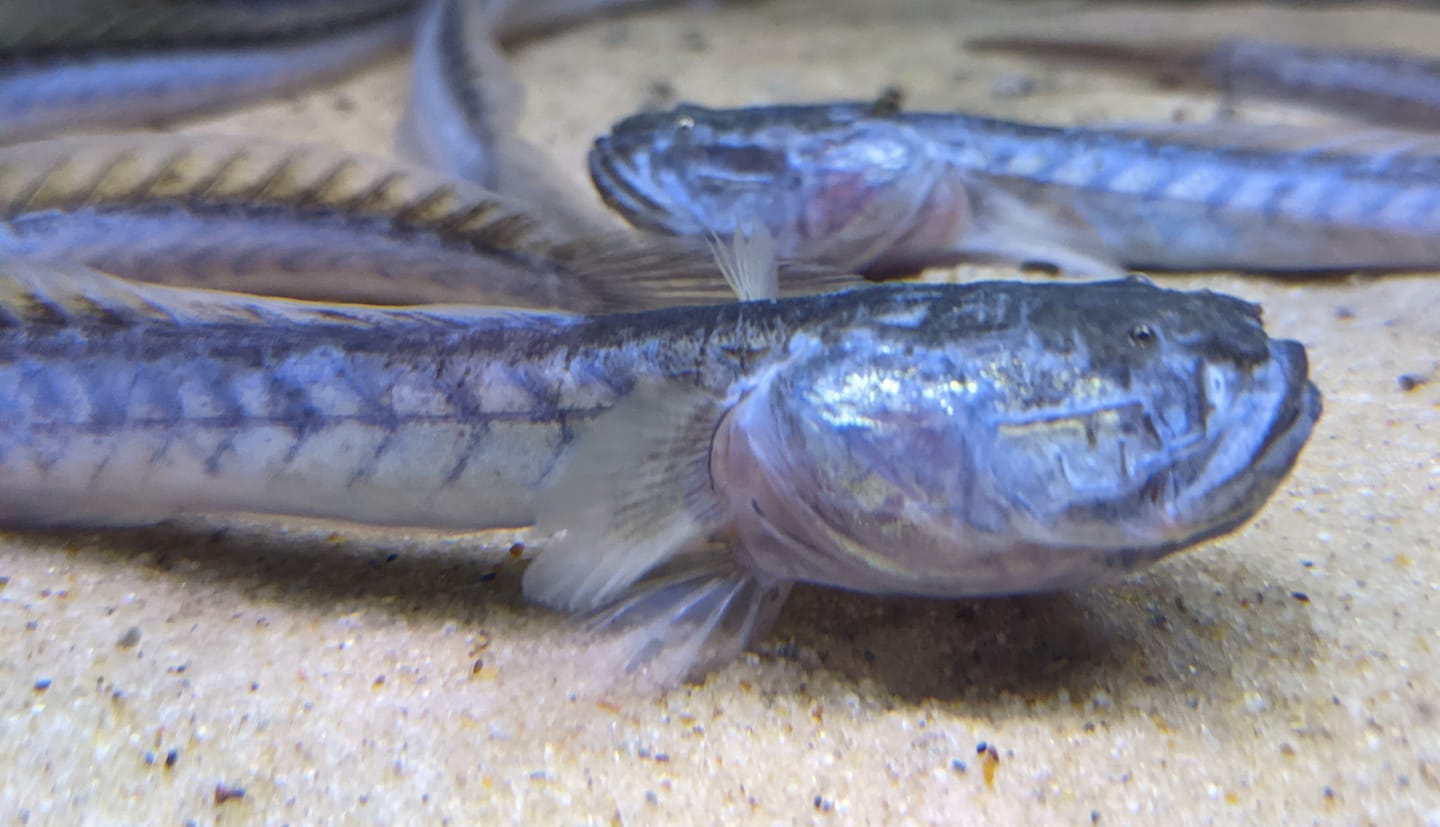
The Dragon Goby has a long and slender body. Its head is flat with a wide mouth. The body color ranges from brown to gray. Sometimes, purple or violet shades appear. Its fins are large and fan-like. The tail fin is rounded. The fish’s eyes sit high on its head. It uses these to watch for food and danger.

Credit: en.wikipedia.org
Tank Setup
Setting up the right tank for your Dragon Goby is key to its health and happiness. This fish needs space, clean water, and a safe environment. The tank should mimic its natural habitat to keep it active and stress-free.
Proper setup helps prevent disease and promotes natural behavior. Here are the main points to focus on for a perfect Dragon Goby tank.
Tank Size And Shape
Choose a tank of at least 30 gallons. Dragon Gobies grow up to 6 inches long. A longer tank is better than a tall one. They like to swim near the bottom and need space to explore. A tank with more floor space gives them room to move.
Water Conditions
Maintain water temperature between 72°F and 82°F. Keep pH levels from 6.5 to 7.5. Water hardness should be soft to moderate. Use a gentle filter to avoid strong currents. Regular water changes keep the tank clean and healthy.
Substrate And Decorations
Use fine sand or smooth gravel as substrate. Dragon Gobies like to dig and hide in the sand. Add caves, driftwood, and plants for hiding spots. Decorations should have no sharp edges. Create a natural look that makes your fish feel safe.
Feeding Needs
Dragon Gobies need proper feeding to stay healthy and active. Their diet affects their color, growth, and energy. Feeding them right supports their natural behavior and keeps them happy.
Understanding their feeding needs helps create a good routine. It also prevents overfeeding or underfeeding, which can harm their health.
Diet Types
Dragon Gobies eat mostly small animals. They enjoy live foods like brine shrimp, bloodworms, and small insects. These foods give them proteins and nutrients.
They also accept frozen or freeze-dried foods. These options are convenient and safe. Some may eat pellets designed for carnivorous fish.
A varied diet keeps their nutrition balanced and prevents boredom. Mixing live, frozen, and pellet foods works best.
Feeding Frequency
Feed your Dragon Goby two times a day. Small meals avoid water pollution and digestion problems. Young fish may need three meals daily.
Observe their eating habits to adjust meal size. Remove uneaten food after feeding to keep the tank clean.
Supplements And Treats
Occasional treats like chopped earthworms or mosquito larvae add variety. These snacks boost their health and energy.
Vitamin supplements can help during breeding or stress. Use them sparingly and follow instructions carefully.
Natural foods are best for long-term health. Treats and supplements support but do not replace their main diet.
Behavior And Temperament
The Dragon Goby is a unique fish with interesting behavior and temperament. Understanding these traits helps keep them happy in home aquariums. They show distinct social habits, how they interact with other fish, and their daily activity patterns. Each aspect plays a role in their well-being.
Social Behavior
Dragon Gobies are generally peaceful but can be shy. They like to hide in caves or plants during the day. These fish prefer living alone or in pairs rather than large groups. They often stay near the bottom of the tank. Their calm nature makes them good pets for quiet tanks.
Interaction With Other Fish
They do not bother other fish and rarely show aggression. Smaller fish might scare them, so choose tank mates carefully. Dragon Gobies avoid conflict and usually swim away if disturbed. They get along best with slow-moving, peaceful species. Avoid putting them with aggressive or fast fish.
Activity Patterns
Dragon Gobies are mostly active during twilight hours. They rest during the bright daylight and come alive at dawn and dusk. These fish enjoy digging and exploring the tank bottom. They use their mouths to sift through sand for food. Watching their slow, curious movements can be very relaxing.
Health And Care
Taking care of a Dragon Goby ensures it stays healthy and lives longer. This fish needs clean water and a good diet. Proper care helps prevent many health problems. Watching for signs of illness helps catch problems early.
Common Diseases
Dragon Gobies can get bacterial infections and parasites. Fin rot and skin ulcers are common issues. Swim bladder disease can affect their movement. Poor water quality often causes these diseases. Quick treatment helps the fish recover faster.
Preventive Measures
Keep the tank clean with regular water changes. Use a good filter to maintain water quality. Feed a balanced diet rich in nutrients. Avoid overcrowding the tank to reduce stress. Quarantine new fish before adding them to the tank.
Signs Of Stress
Look for changes in color or hiding more often. Loss of appetite is a common sign. Erratic swimming or gasping at the surface may happen. Clamped fins or rubbing against objects show discomfort. Stress lowers the fish’s immunity to diseases.
Breeding Dragon Gobies
Breeding Dragon Gobies can be rewarding for aquarium hobbyists. These fish have unique needs during breeding. Understanding their requirements helps increase success rates.
Patience and careful observation are key. The process demands clean water and stable conditions. Let’s explore the breeding conditions, spawning process, and raising fry.
Breeding Conditions
Dragon Gobies need soft, slightly acidic water for breeding. Keep the temperature around 75-82°F (24-28°C). Provide plenty of hiding spots with plants or caves.
Water changes improve breeding chances by mimicking rainy season conditions. Lowering the water level slightly can encourage spawning. Maintain gentle water flow to avoid stressing the fish.
Spawning Process
The male builds a bubble nest near the water surface. He guards the nest fiercely against intruders. The female lays eggs inside the nest after courtship.
Spawning happens mostly at night or early morning. The male fertilizes the eggs and protects them until they hatch. Remove the female after spawning to prevent aggression.
Raising Fry
Dragon Goby fry hatch in about two days. They are very small and fragile at first. Feed them infusoria or liquid fry food initially for best growth.
After a week, introduce baby brine shrimp or finely crushed flakes. Keep water clean and temperature stable for healthy development. Avoid strong water currents to protect the tiny fry.
Troubleshooting
Troubleshooting common problems with Dragon Goby helps keep your fish healthy. Early action solves many issues. Understanding behavior, water quality, and diet is key. This guide covers main concerns and fixes.
Behavioral Issues
Dragon Gobies may hide too much or act aggressive. Stress causes unusual behavior. Check tank conditions and companions. Boredom leads to restlessness. Provide hiding spots and a soft substrate. Avoid sudden changes in the environment.
Water Quality Problems
Dirty water harms Dragon Gobies quickly. Test water regularly for ammonia, nitrites, and nitrates. Maintain a stable pH around 7.0 to 8.0. Temperature should stay between 72°F and 82°F. Perform partial water changes weekly. Use a good filter to keep water clean.
Dietary Concerns
Dragon Gobies need a varied diet to thrive. Offer live or frozen foods like bloodworms and brine shrimp. Avoid overfeeding to prevent water issues. Remove uneaten food after feeding. Supplement diet with sinking pellets designed for bottom feeders.
Credit: www.pieraquatics.com
How Smart Pets Lover Can Help You with Dragon Goby
Learning Through Caring for Your Dragon Goby
Bringing a Dragon Goby into your home is more than just setting up a tank; it’s an opportunity to deepen your understanding of aquatic life and responsible pet care. As you master the nuances of tank setup and meet their specific feeding needs, you’ll gain hands-on experience that sharpens your observation skills and patience. Watching their unique behavior and temperament unfold can teach valuable lessons in empathy and respect for different species.
At Smart Pets Lover, we believe every pet journey enriches your connection with nature and yourself. Remember, the health and care of your Dragon Goby are reflections of your commitment—learning to troubleshoot common issues not only keeps your fish thriving but builds confidence as a pet parent. If questions arise, reaching out to fellow enthusiasts or local experts can provide insightful support, making your Dragon Goby experience truly rewarding.
Frequently Asked Questions
What Is A Dragon Goby Fish?
A Dragon Goby is a freshwater fish known for its dragon-like appearance. It has a long body and unique colors. It is popular in home aquariums due to its peaceful nature and interesting behaviors.
How Big Do Dragon Goby Fish Grow?
Dragon Gobies typically grow up to 12 inches (30 cm) in length. They require large tanks to accommodate their size comfortably. Proper tank size helps maintain their health and well-being.
What Habitat Do Dragon Gobies Prefer?
Dragon Gobies thrive in brackish water with low to moderate salinity. They prefer sandy or muddy substrates and plenty of hiding spots. Maintaining stable water conditions is essential for their survival.
What Do Dragon Gobies Eat In Captivity?
Dragon Gobies are omnivores and eat a varied diet. They accept sinking pellets, live or frozen foods like bloodworms, and vegetables. A balanced diet keeps them healthy and active.
Conclusion
Dragon Gobies are unique fish with interesting behaviors. They need care and a proper environment to thrive. Watching their movements can bring calm and joy. Keeping them healthy means learning about their needs. Small tanks with soft sand work best.
Feeding them right keeps them active and strong. These fish add life to any home aquarium. Enjoy the quiet beauty and charm of Dragon Gobies every day. They make a great choice for beginner fish keepers.