Discus Fish
Are you looking to add a splash of color and elegance to your aquarium? Discus fish might be exactly what you need.
These stunning fish are known for their vibrant colors and unique round shape, making them a favorite among fish enthusiasts. But keeping discus fish isn’t just about their beauty—it’s about understanding their needs to help them thrive. If you want to learn how to care for these fascinating creatures and create a healthy environment for them, keep reading.
This guide will give you all the tips and secrets to make your discus fish flourish.

Credit: tropicflow.com
Discus Fish Basics
Discus fish are one of the most beautiful freshwater fish. They are popular in aquariums due to their bright colors and round shape. Understanding their basics helps keep them healthy and happy. This section covers their physical traits, natural homes, and behavior.
Physical Characteristics
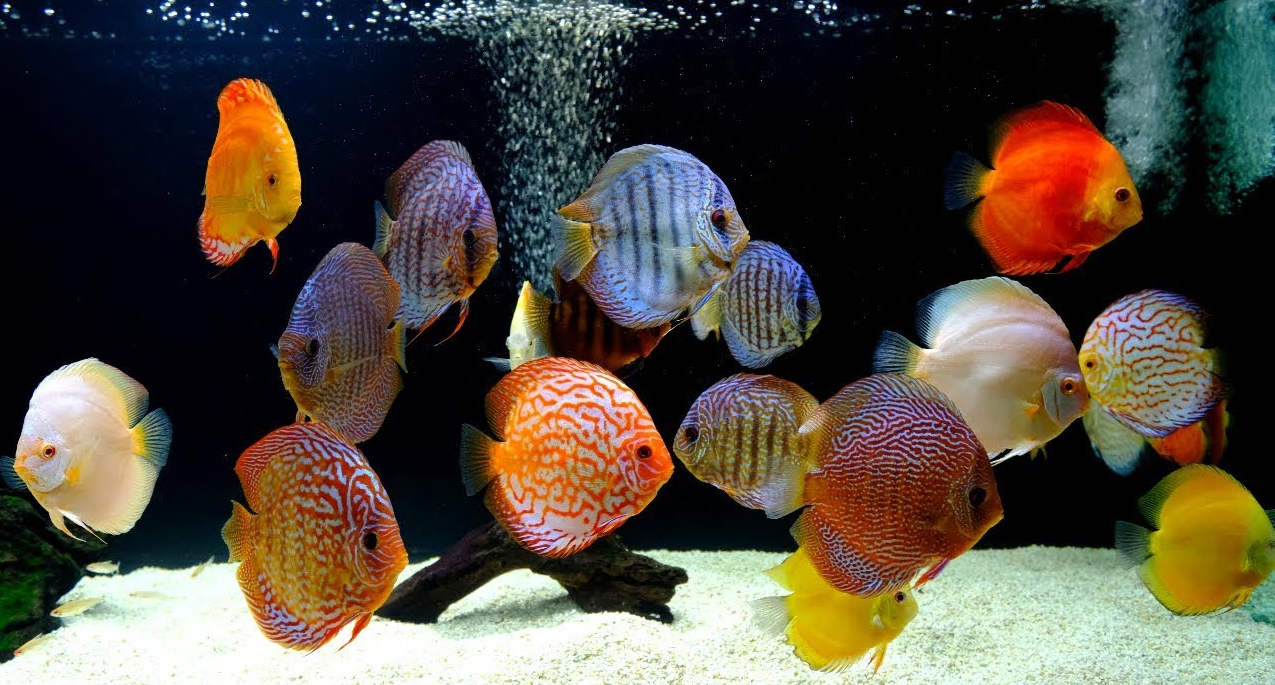
Discus fish have a unique round and flat body shape. Their colors range from blue, red, green to yellow. They have patterns like stripes and spots. These fish grow up to 8 inches long. Their fins are long and flow smoothly. The bright colors make them stand out in any tank.
Natural Habitat
Discus fish come from the Amazon River basin. They live in slow-moving waters with lots of plants. The water is warm and soft, with low pH levels. They hide among roots and leaves to feel safe. This environment keeps them calm and healthy.
Behavior Traits
Discus fish are peaceful and social creatures. They like to swim in groups called schools. These fish communicate by changing colors and body movements. They are shy around loud noises and sudden movements. They need a calm tank to thrive. Feeding time is active and fun to watch.
Tank Setup
Setting up a tank for Discus fish needs care and attention. These fish need a calm and stable environment to thrive. Proper tank setup helps them stay healthy and show their beautiful colors. The right tank size, water conditions, and decorations make a big difference.
Tank Size Requirements
Discus fish need plenty of space to swim. A tank should be at least 50 gallons for a small group. Bigger tanks help keep water stable and clean. Keep in mind, Discus are social and do best in groups of five or more.
Water Parameters
Discus fish prefer warm water between 82°F and 86°F. The pH level should be slightly acidic, around 6.0 to 7.0. Soft water with low hardness works best. Regular water changes keep the tank healthy. Stable conditions reduce stress and disease risks.
Decor And Plants
Choose smooth decorations to prevent injuries. Driftwood and rocks create hiding spots and shade. Live plants add natural beauty and help with water quality. Use plants that tolerate warm water and low light. Avoid sharp objects that can harm the fish.
Feeding Discus Fish
Feeding Discus fish requires careful attention to their diet and feeding habits. These fish need good nutrition to stay healthy and show their beautiful colors. Proper feeding helps them grow strong and live longer in your aquarium.
Discus fish have specific needs. Their diet should be balanced and varied. Understanding what to feed and how often makes a big difference in their health.
Diet Types
Discus fish eat both animal and plant-based foods. High-quality flakes and pellets work well as a staple diet. Live foods like bloodworms and brine shrimp add protein. Frozen foods are a good option too. Variety keeps discus healthy and active.
Feeding Frequency
Young discus need to eat more often than adults. Feed them three to four times a day in small amounts. Adult discus do well with two meals daily. Avoid overfeeding to keep the water clean. Watch their eating habits to adjust feeding times.
Supplements And Treats
Supplements help keep discus strong and colorful. Vitamins and minerals can be added to their food. Treats like chopped shrimp or peas add variety. Use treats sparingly to avoid health problems. Always choose fresh and safe options for treats.
Health And Diseases
Discus fish are beautiful but sensitive pets. Their health needs careful attention to keep them happy. Knowing about common diseases helps you act fast. This section covers key health issues and how to handle them.
Common Illnesses
Discus fish often get diseases like Ich, fin rot, and hole-in-the-head. Ich shows as white spots on the fish’s body. Fin rot causes fins to look ragged or torn. Hole-in-the-head creates small pits on the fish’s head. These problems weaken the fish and can spread quickly.
Prevention Tips
Keep water clean and stable. Change water regularly and check temperature daily. Avoid overcrowding the tank to reduce stress. Feed a balanced diet to boost the immune system. Quarantine new fish before adding them to the main tank. These steps lower the chance of sickness.
Treatment Options
Use medicine made for aquarium fish to treat infections. Follow the instructions carefully for best results. Remove sick fish to a separate tank if possible. Increase water temperature slightly to help fight parasites like Ich. Always keep monitoring your fish during treatment to ensure recovery.
Breeding Discus Fish
Breeding discus fish is a rewarding experience for aquarium enthusiasts. These fish are known for their beautiful colors and unique shape. Breeding them takes patience and care. Understanding their needs helps ensure success in raising healthy fry.
Breeding Conditions
Discus fish need clean, warm water to breed. The ideal temperature is 82-86°F (28-30°C). Keep the water soft and slightly acidic, with a pH of 6.0 to 6.5. Use a separate breeding tank to reduce stress. Provide flat surfaces like leaves or breeding cones for egg laying. Maintain stable water conditions by doing small, frequent water changes.
Spawning Process
Discus pairs form strong bonds during spawning. The female lays eggs on a chosen surface. The male fertilizes the eggs soon after. Parents clean and fan the eggs to keep them oxygenated. Eggs hatch in about 48 to 60 hours. Watch for signs of eggs turning white, which means they are not healthy.
Raising Fry
Once hatched, fry feed on their parents’ mucus for the first week. This is vital for their growth. Afterward, start feeding them finely crushed flake food or baby brine shrimp. Keep the tank clean and maintain water quality. Remove any uneaten food to prevent pollution. Fry grow fast with proper care and feeding.
Tank Mates
Choosing the right tank mates for Discus fish is key to a peaceful aquarium. These fish are calm and need companions that match their gentle nature. Careful selection helps keep stress low and health high.
Compatible Species
Good tank mates for Discus include small, peaceful fish. Tetras like Cardinal and Rummy Nose work well. Corydoras catfish are bottom dwellers that stay out of the way. Dwarf cichlids such as Apistogramma also fit nicely. These species do not bother Discus and share similar water needs.
Aggressive Fish To Avoid
Avoid aggressive fish that may stress Discus. Species like Angelfish can be territorial and nip fins. Large cichlids often chase smaller fish. Barbs tend to be too active and aggressive. Such fish disrupt the calm environment Discus require.
Community Tank Tips
Keep the tank spacious to reduce stress and fights. Provide plenty of hiding spots with plants and decorations. Maintain stable water conditions for all species. Watch fish behavior daily to spot problems early. A peaceful community tank helps Discus thrive long term.
Maintenance Tips
Taking care of Discus fish requires regular attention to their environment. Proper maintenance keeps them healthy and active. It also helps avoid common problems in the aquarium. Here are some essential tips to keep your Discus fish happy.
Water Changes
Change 25% to 50% of the water weekly. Use dechlorinated water at the right temperature. This keeps the water clean and safe. Regular water changes remove toxins and waste. It helps maintain stable water conditions.
Filter Care
Clean the filter every two to four weeks. Do not use soap or chemicals on filter parts. Rinse with tank water only. A clean filter works better and supports good bacteria. Replace filter media as needed to maintain efficiency.
Monitoring Fish Health
Watch your Discus fish daily for any changes. Look for unusual spots, behavior, or breathing. Early detection of illness can save your fish. Quarantine new fish before adding them to the tank. Keep a close eye on water quality and fish activity.
Credit: nextaaqua.com

Credit: en.wikipedia.org
How Smart Pets Lover Can Help You with Discus Fish
Learning Through the Art of Caring for Discus Fish
Owning Discus Fish opens up a rewarding world of practical learning that goes beyond just admiring their beauty. As you dive deeper into tank setup and maintenance, you’ll develop patience and attention to detail—skills that resonate with responsible pet ownership. Understanding their feeding needs and recognizing early signs of health issues enhances your ability to nurture and respond thoughtfully, creating a strong bond with your aquatic companions.
At Smart Pets Lover, we believe these experiences enrich not only your knowledge but also your emotional connection with your pets. Managing the delicate balance of water conditions and choosing compatible tank mates cultivates a mindful approach to creating a harmonious environment. If you ever need guidance or have questions, reaching out to communities or experts can be incredibly helpful. Remember, every step taken with care brings you closer to truly understanding these fascinating fish—and the joy they bring to your home.
Frequently Asked Questions
What Is The Ideal Tank Size For Discus Fish?
Discus fish need at least a 50-gallon tank to thrive. Larger tanks provide stable water conditions and space to swim. Overstocking can stress these fish, so maintain proper fish density for their health and growth.
How Often Should I Feed Discus Fish?
Feed discus fish 2 to 3 times daily with varied diets. Use high-quality flakes, pellets, and frozen foods. Avoid overfeeding to prevent water quality issues and maintain their vibrant colors and good health.
What Water Conditions Do Discus Fish Prefer?
Discus fish thrive in warm, soft, and slightly acidic water. Maintain temperature between 82-86°F and pH around 6. 0-7. 0. Regular water changes and stable parameters are crucial to keep discus healthy and stress-free.
Can Discus Fish Live With Other Fish Species?
Discus fish are peaceful and prefer calm tank mates. Avoid aggressive or fast swimmers. Compatible species include tetras, corydoras, and dwarf cichlids. Proper tank size and hiding spots help reduce stress and aggression.
Conclusion
Discus fish bring beauty and calm to any aquarium. They need clean water and gentle care to thrive. Feeding them well keeps their colors bright and health strong. Watching their graceful movements adds joy to your day. Patience helps you understand their unique needs and habits.
Small changes in their environment can make a big difference. Enjoy the peaceful presence these fish offer in your home. Caring for discus fish can be a relaxing, rewarding hobby.