Dinosaur Bichir
Have you ever seen a fish that looks like it swam straight out of the age of dinosaurs? Meet the Dinosaur Bichir—a fascinating, prehistoric-looking creature that’s turning heads in the aquarium world.
If you’re curious about what makes this fish so unique and why it could be the perfect addition to your tank, you’re about to discover some surprising facts. Keep reading, and you’ll find out everything you need to know to understand, care for, and appreciate this ancient marvel.
Credit: www.reddit.com
Dinosaur Bichir Basics
The Dinosaur Bichir is a unique fish that fascinates many aquarium lovers. It stands out because of its ancient look and interesting traits. Knowing the basics helps you understand why this fish is special. This section covers its physical features, natural habitat, and behavior patterns.
Physical Features
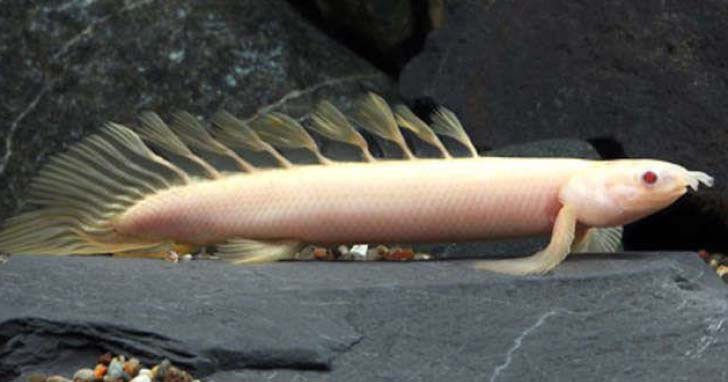
The Dinosaur Bichir has a long, slender body covered in thick, bony scales. Its color ranges from olive green to brown, blending well with its surroundings. The fish has a pair of strong, paddle-like pectoral fins that help it move on land and water. Its head is flat with sharp, visible teeth. Small, fin-like structures run along its back, giving it a prehistoric look.
Natural Habitat
This fish lives mostly in slow-moving rivers and swamps in West Africa. It prefers waters with lots of plants and hiding spots. The water is usually warm and low in oxygen. The Dinosaur Bichir can breathe air through a lung-like organ, which helps it survive in poor water conditions. It often hides under logs or rocks during the day.
Behavior Patterns
The Dinosaur Bichir is mostly active at night. It hunts small fish and insects using its keen sense of smell. It moves slowly but can strike fast when catching prey. This fish is a solitary creature and likes to stay hidden. It breathes air from the surface, coming up regularly to gulp air. It also shows curiosity but avoids bright light and sudden movements.

Credit: en.wikipedia.org
Diet And Feeding Habits
The Dinosaur Bichir is a unique fish with special eating habits. It lives in rivers and lakes, hunting food with patience. Understanding its diet helps keep it healthy in tanks and in the wild.
This fish eats meat and small animals. It uses its senses to find food. Its feeding habits show how it survives in nature.
Typical Diet
The Dinosaur Bichir mainly eats small fish, insects, and worms. It also consumes crustaceans and larvae. This carnivorous diet gives it the energy to grow strong.
It rarely eats plants or algae. Its body is built for catching moving prey. It prefers live food but sometimes eats frozen or prepared meals.
Hunting Techniques
This fish hunts by hiding near plants or rocks. It waits quietly for prey to come close. Its sharp teeth help grab and hold slippery food.
It uses its sense of smell to detect food in dark water. Quick strikes and surprise are key to catching prey. It often hunts at night when it is safer.
Feeding In Captivity
In aquariums, Dinosaur Bichirs accept frozen or live food. They enjoy bloodworms, shrimp, and small fish. Feeding small portions keeps them healthy and active.
Feed them two to three times a week. Overfeeding can cause health problems. Clean water helps them digest food well.
Care And Maintenance
Taking care of a Dinosaur Bichir requires some specific attention. Their unique needs mean you must prepare their environment carefully. Proper care keeps them healthy and active in your tank.
Tank Setup
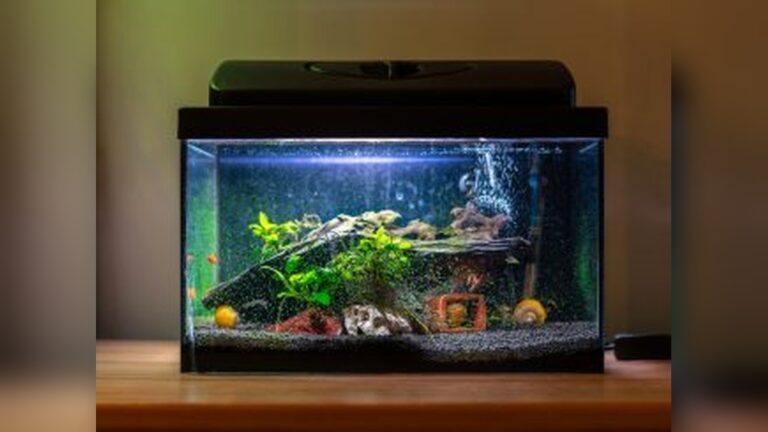
Choose a large tank. At least 50 gallons is best for one Dinosaur Bichir. Use a soft sandy substrate to protect their belly. Provide hiding spots with rocks and driftwood. Make sure the tank has a secure lid. These fish can escape if the lid is loose.
Water Conditions
Maintain water temperature between 75 and 82 degrees Fahrenheit. Keep pH levels slightly acidic to neutral, around 6.5 to 7.5. Regular water changes of 20% each week help keep water clean. Use a gentle filter to avoid strong currents. Bichirs prefer calm water similar to their natural habitat.
Health Tips
Feed a varied diet including live or frozen foods like bloodworms and shrimp. Avoid overfeeding to prevent water pollution. Watch for signs of illness such as spots or sluggishness. Keep the tank clean to reduce stress and disease risk. Quarantine new fish before adding them to the tank.
Breeding Dinosaur Bichirs
Breeding Dinosaur Bichirs is an exciting challenge for fish keepers. These ancient-looking fish have unique habits. Understanding their breeding needs helps in successful reproduction. Patience and proper care create the best chance for raising fry.
Mating Behavior
Dinosaur Bichirs show interesting courtship behavior. Males become more colorful and active. They swim closely around females, nudging their sides. This helps stimulate the female to release eggs. The process is slow and careful. Aggression is rare during mating.
Spawning Process
Spawning usually happens at night or early morning. Females lay eggs on flat surfaces or plants. Males release sperm to fertilize the eggs externally. Eggs are sticky and attach well to surfaces. Keeping water clean and stable is important. Remove any unfertilized eggs to avoid fungus.
Raising Fry
Fry hatch in about three days. They start swimming freely after a few more days. Feed them tiny live food like baby brine shrimp. Change water regularly but gently to avoid stress. Provide hiding spots with plants or small caves. Watch growth closely and separate fry if needed.
Common Challenges
Dinosaur Bichirs are fascinating fish but come with challenges. Knowing these helps keep them healthy and happy. This section covers common issues owners face.
Disease Prevention
Dinosaur Bichirs are prone to bacterial infections. Poor water quality often causes these diseases. Regular water changes reduce risk. Clean tanks prevent harmful bacteria buildup. Watch for signs like faded color or slow movement. Early treatment stops serious health problems. Quarantine new fish before adding them to the tank.
Compatibility With Other Fish
Dinosaur Bichirs are mostly peaceful but can eat small fish. Avoid tank mates smaller than their mouth size. Choose calm, larger fish to avoid stress. Aggressive fish can harm or stress them. Keep enough hiding spots for all fish. Monitor fish behavior to prevent fights.
Environmental Stressors
Sudden changes in water temperature stress Dinosaur Bichirs. Keep temperature stable between 75°F and 82°F. Poor water flow can also cause stress. Provide gentle water movement for comfort. Avoid loud noises near the tank. Stress weakens their immune system and leads to illness.
Credit: www.liveaquaria.com
Unique Traits And Adaptations
The Dinosaur Bichir stands out due to its rare and fascinating traits. These features help it live in tough environments. It has special adaptations that make it unique among fish. Understanding these traits shows how it survives and thrives.
Its body and behavior reveal much about its long history. Each adaptation plays a role in its survival. These traits make the Dinosaur Bichir a subject of interest for many fish lovers and scientists.
Evolutionary History
The Dinosaur Bichir belongs to an ancient group of fish. They have existed for over 100 million years. Their body structure has changed little over time. This shows strong survival through many ages. Their lungs allow them to breathe air outside water. This helped them survive in oxygen-poor waters long ago.
Survival Mechanisms
This fish has tough scales that protect its body. Its ability to breathe air helps it live in shallow water. It can move on land for short times to find new water. Its sharp teeth help catch small prey easily. Slow, steady movements keep it hidden from predators.
Comparison With Other Bichirs
The Dinosaur Bichir is larger than many other bichirs. It has a more robust body and stronger fins. Its scales are thicker and more armor-like. Other bichirs may have more colorful patterns. This species focuses on strength and defense over bright colors.
How Smart Pets Lover Can Help You with Dinosaur Bichir
Learning from the Dinosaur Bichir: Practical Insights for Pet Parents
Understanding the Dinosaur Bichir goes beyond just knowing its unique traits or feeding habits—it offers a hands-on learning opportunity for any fish enthusiast. Observing its care and maintenance routines teaches patience and attention to detail, essential qualities for responsible pet ownership. For example, managing water quality and diet reflects how delicate aquatic ecosystems are, reinforcing the importance of consistency and research-backed care.
Exploring breeding Dinosaur Bichirs can also deepen your appreciation for natural cycles and animal behavior, encouraging a respectful connection with your aquatic companion. At Smart Pets Lover, where every wag, purr, and chirp tells a story, we believe these experiences build confidence and empathy, turning pet care into a meaningful journey.
- Keep a journal of your Bichir’s feeding and behavior patterns to notice subtle changes.
- Engage with fellow pet parents for shared advice on common challenges.
- Consult trusted resources or reach out to experts if unsure about care specifics.
If you ever need guidance or want to share your experiences, feel free to contact us at [email protected]. Remember, nurturing a Dinosaur Bichir is as much about learning as it is about companionship.
Frequently Asked Questions
What Is A Dinosaur Bichir Fish?
The Dinosaur Bichir is a prehistoric-looking freshwater fish. It belongs to the Polypteridae family and is native to Africa. Known for its elongated body and dinosaur-like appearance, it is popular in aquariums due to its unique look and hardy nature.
How Big Does A Dinosaur Bichir Grow?
Dinosaur Bichirs can grow up to 18-24 inches in length. Their size depends on the environment and diet. In captivity, proper care ensures they reach their maximum size. They require large tanks to accommodate their growth comfortably.
What Tank Conditions Suit Dinosaur Bichir Best?
They thrive in tanks with warm, slightly acidic to neutral water. A temperature range of 75-82°F is ideal. They prefer soft substrate and plenty of hiding spots. Good filtration and moderate water flow help maintain their health.
What Do Dinosaur Bichirs Eat In Captivity?
Dinosaur Bichirs are carnivores. They eat live or frozen foods like bloodworms, shrimp, and small fish. They can also accept high-quality pellets. Feeding them a varied diet ensures proper nutrition and vibrant health.
Conclusion
The Dinosaur Bichir is a fascinating fish with ancient roots. It adapts well to home aquariums and adds unique beauty. Watching its slow movements can be calming and interesting. This fish reminds us of Earth’s distant past. Caring for it requires simple steps anyone can follow.
Many hobbyists enjoy learning about its habits and traits. A Dinosaur Bichir makes a great pet for curious fish lovers. Its blend of history and charm keeps people hooked. Consider this fish if you want something rare and special.