Diamond Tetra
Are you looking to add a splash of sparkle and life to your aquarium? The Diamond Tetra might be exactly what your tank needs.
With its shimmering scales and peaceful nature, this little fish can brighten up your underwater world. But before you bring one home, there are important things you should know to keep your Diamond Tetra healthy and happy. Keep reading, and you’ll discover everything you need to create the perfect environment for these dazzling swimmers.
Diamond Tetra Basics
The Diamond Tetra is a small, bright fish popular in home aquariums. It is known for its shimmering scales and peaceful nature. Understanding its basics helps in caring for this beautiful species.
Diamond Tetras are easy to keep and add sparkle to any tank. They thrive in groups and enjoy a calm environment.
Physical Features
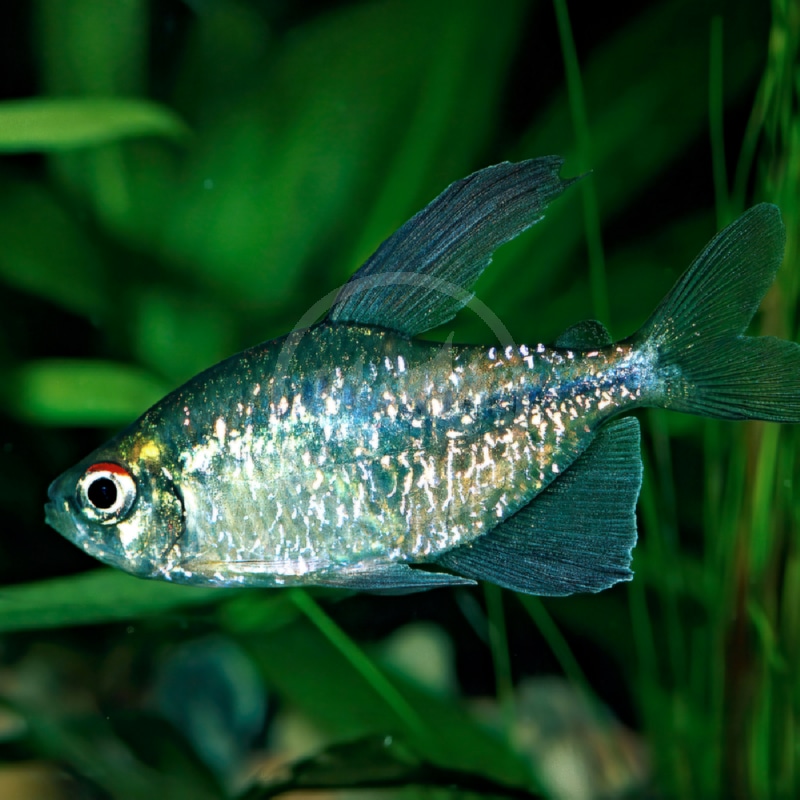
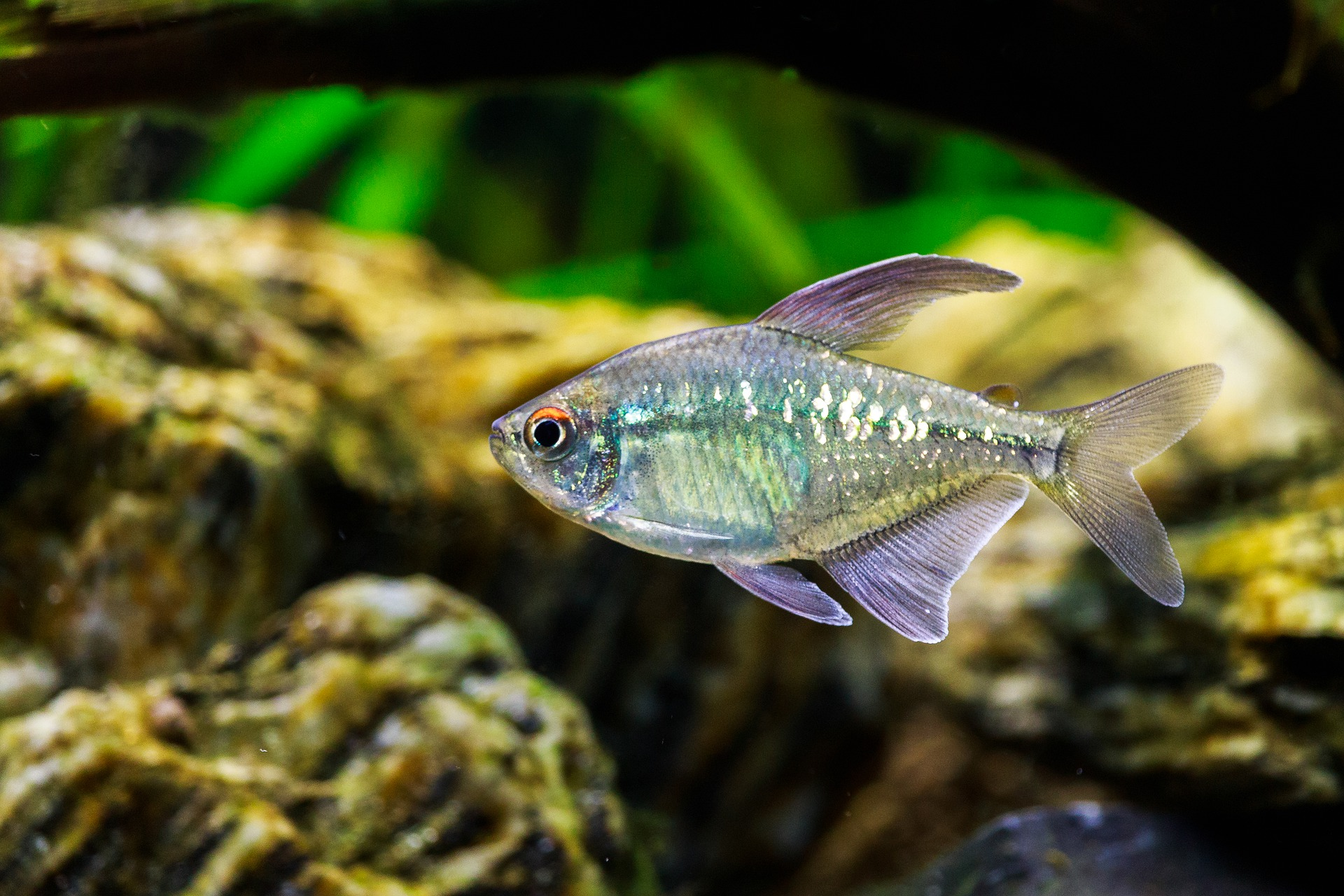
Diamond Tetras have shiny, silver bodies that reflect light. Their scales look like tiny diamonds. They usually grow up to 1.5 inches long. Their fins are small and clear, with a slight hint of color. Males often have longer fins than females.
Natural Habitat
These fish come from slow-moving rivers in South America. They live in warm water with lots of plants. The water is usually soft and slightly acidic. Shade from trees keeps their environment cool and calm. This natural setting helps explain their peaceful behavior.
Behavior Traits
Diamond Tetras are social and like to swim in groups. They are calm and rarely show aggression. They often swim in the middle levels of the tank. These fish enjoy hiding among plants. They stay active during the day and rest at night.
Tank Setup
Setting up the right tank is key for Diamond Tetras to thrive. Their small size and peaceful nature make tank setup simple but important. Proper space, water, and decoration help keep them healthy and happy.
Attention to detail in tank setup creates a natural and safe environment. This supports their bright colors and active swimming habits.
Ideal Tank Size
A 20-gallon tank works well for a small group of Diamond Tetras. They swim in schools, so keep at least six together. More space allows better swimming and social behavior. Taller tanks give them room to explore vertically.
Water Conditions
Diamond Tetras need soft water with a pH between 6.0 and 7.0. Keep temperature steady around 74-82°F (23-28°C). Use a gentle filter to keep water clean without strong currents. Regular water changes maintain good water quality and fish health.
Aquascaping Tips
Use live plants like Java fern and Amazon sword for shelter and comfort. Dark substrate helps show off their sparkling colors. Add driftwood or smooth rocks for hiding spots. Leave open swimming areas to encourage natural movement. Soft lighting mimics their natural habitat and reduces stress.
Diet And Feeding
Diamond Tetras are small, colorful fish that need a balanced diet to stay healthy. Their diet affects their color, energy, and lifespan. Feeding them the right food keeps them active and bright. Understanding what to feed, when to feed, and how to maintain nutrition is essential for their care.
Preferred Foods
Diamond Tetras enjoy a mix of foods. They eat small flakes made for tropical fish. Live foods like brine shrimp and daphnia are favorites. These foods boost their energy and color. Frozen foods also work well as a treat. Variety in their diet helps prevent boredom and health issues.
Feeding Schedule
Feed Diamond Tetras twice a day. Small amounts are best to avoid waste. Give only what they can eat in two minutes. Overfeeding can cause water problems. Regular feeding keeps their metabolism steady and supports growth.
Nutrition Tips
Include protein-rich foods for muscle and color health. Add some vegetable matter to improve digestion. Use high-quality flakes as a staple food. Avoid overfeeding to keep the tank clean. Keep meals consistent to reduce stress in fish.

Credit: www.somethingfishytropicals.com
Health And Diseases
Diamond Tetras are small, lively fish that brighten any aquarium. Their health depends on many factors, including water quality and diet. Knowing common illnesses helps keep these fish happy. Early detection of disease is important for quick treatment. Healthy fish show bright colors and active swimming. Sick fish may hide or eat less.
Common Illnesses
Diamond Tetras often face diseases like Ich, fin rot, and fungal infections. Ich shows as tiny white spots on the body. Fin rot causes torn or ragged fins. Fungal infections appear as cotton-like patches. Stress can lower their immunity, making illness more likely. Poor water conditions often cause these problems.
Prevention Strategies
Keep water clean by doing regular changes. Use a good filter to remove waste. Feed a balanced diet with quality flakes or pellets. Avoid overcrowding; give each fish enough space. Quarantine new fish before adding them to the tank. Monitor water temperature and pH to fit their needs. Healthy fish resist disease better.
Treatment Options
Isolate sick fish to stop disease spread. Use medicines designed for specific illnesses like Ich or fin rot. Follow the instructions on the medicine carefully. Increase water temperature slightly for Ich treatment. Keep water clean during treatment for faster healing. Remove uneaten food to avoid pollution. Consult a vet for severe cases.
Breeding Diamond Tetras
Breeding Diamond Tetras is a rewarding experience for fish hobbyists. These fish are peaceful and can be bred in home aquariums. The process requires some care and attention to create the right environment. Understanding their needs helps increase the chance of successful breeding.
Breeding Setup
Choose a small tank of about 10 gallons for breeding. Use soft, slightly acidic water with a pH of 6.0 to 6.5. Keep the temperature between 78°F and 82°F. Add fine-leaved plants or spawning mops for egg laying. Use dim lighting to reduce stress on the fish. Avoid strong water currents to keep eggs safe.
Spawning Behavior
Diamond Tetras usually spawn early in the morning. The male will chase the female gently. They scatter eggs among plants or spawning mops. The female lays about 100 to 200 eggs. Parents do not guard the eggs and may eat them. Remove adults after spawning to protect the eggs.
Raising Fry
Eggs hatch in about 24 to 36 hours. Fry are very small and need tiny food. Start feeding infusoria or liquid fry food. After a week, offer newly hatched brine shrimp. Keep water clean with gentle changes. Avoid strong light to prevent stress on the fry. Growth is slow but steady with good care.
Tank Mates
Choosing the right tank mates for Diamond Tetras is key to a peaceful aquarium. These small, shimmering fish do best with species that share their calm nature. A well-planned community tank helps everyone thrive and stay healthy.
Compatible Species
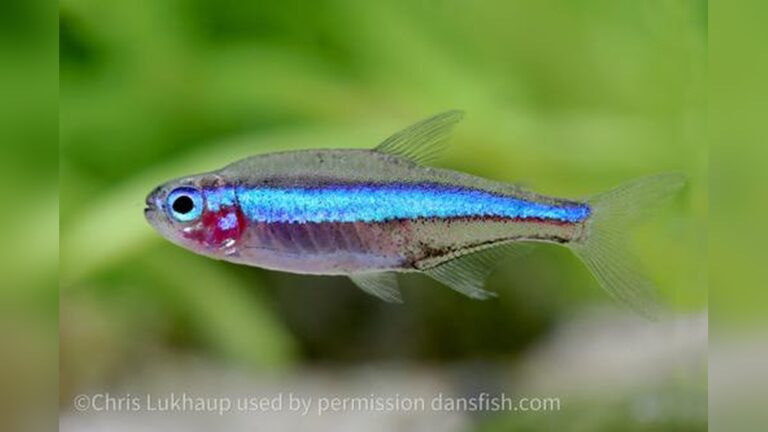
Diamond Tetras get along well with other small, peaceful fish. Good tank mates include neon tetras, guppies, and corydoras catfish. These fish have similar water needs and gentle behavior. They create a calm and colorful tank environment.
Small rasboras and peaceful dwarf gouramis also make good companions. Avoid large or aggressive fish that may stress or harm the tetras.
Aggressive Species To Avoid
Avoid aggressive fish like cichlids and large barbs. These species can bully or eat Diamond Tetras. Fast, territorial fish cause stress and injury.
Also skip fin-nippers such as tiger barbs. They nip at the delicate fins of tetras. Always watch new fish closely for signs of aggression.
Community Tank Tips
Keep Diamond Tetras in groups of six or more. They feel safer and show their best colors in groups. Provide plenty of plants and hiding spots.
Space is important. Crowding leads to stress and fights. Maintain clean water with regular changes. A peaceful, stable environment helps all fish live happily.
Tips For Beginners
Diamond Tetras are beautiful and peaceful fish. They make a great choice for beginners. Taking care of them is simple with the right tips. This guide covers common mistakes, maintenance advice, and ways to keep your fish healthy.
Start by learning what to avoid. Then, follow easy steps for daily care. Keep your tank clean and stable. Healthy fish live longer and shine brighter.
Common Mistakes
One big mistake is overfeeding. Diamond Tetras need small amounts twice a day. Too much food causes water problems. Avoid sudden changes in water temperature. These fish prefer steady, warm water. Do not keep them alone. They are social and need friends. Avoid mixing with aggressive fish. Stress harms their health and colors.
Maintenance Advice
Change 25% of tank water weekly. Use a water conditioner to remove chlorine. Clean the tank glass gently. Check the filter every week. Replace filter parts as needed. Keep the tank plants healthy. Plants help keep water clean. Test water regularly for pH and ammonia. Diamond Tetras like pH between 6.5 and 7.5. Keep the tank covered to stop fish from jumping out.
Enhancing Fish Health
Feed a balanced diet with flakes and live food. Add vitamins to boost immunity. Observe your fish daily for signs of illness. Look for faded colors or strange swimming. Quarantine new fish before adding them. Stress and disease spread quickly in tanks. Provide hiding places like plants and decorations. A calm environment helps reduce stress. Use a heater to keep water at 75-80°F. Stable temperature keeps fish active and healthy.
Credit: aquaticsunlimited.com
Credit: www.co2art.us
How Smart Pets Lover Can Help You with Diamond Tetra
Turning Diamond Tetra Care into a Learning Journey
Welcoming Diamond Tetras into your home is more than just setting up a tank—it’s an opportunity to deepen your understanding of aquatic life and responsible pet care. As you explore the tank setup essentials and fine-tune their diet and feeding routines, you gain hands-on insight into creating a balanced, healthy environment. Watching their behavior and spotting early signs of health issues naturally enhances your skills in fish health and diseases management.
Every step, from selecting compatible tank mates to experimenting with breeding techniques, offers practical lessons that build confidence and connection. At Smart Pets Lover, we believe these experiences transform pet ownership into a meaningful story—one where you become attuned to the needs of your Diamond Tetras and grow as a compassionate caretaker.
For additional guidance or to share your experiences, connecting with fellow enthusiasts and experts can be invaluable. You can reach out via our website contact page or community forums, where your journey is welcomed and supported every fin stroke of the way.
Frequently Asked Questions
What Is A Diamond Tetra Fish?
Diamond Tetras are small, freshwater fish known for their sparkling, diamond-like scales. They are peaceful, schooling fish ideal for community aquariums and easy to care for.
How Big Do Diamond Tetras Grow?
Diamond Tetras typically grow up to 1. 5 to 2 inches in length. Their small size makes them perfect for medium-sized tanks and community setups.
What Water Conditions Do Diamond Tetras Need?
They thrive in soft, slightly acidic to neutral water with temperatures between 72-82°F. Stable water parameters are essential for their health.
What Do Diamond Tetras Eat?
Diamond Tetras are omnivores. They eat high-quality flake food, small live or frozen foods like brine shrimp, and daphnia for balanced nutrition.
Conclusion
Diamond Tetras bring life and color to any aquarium. They are small but full of energy. Caring for them is simple and rewarding. A peaceful tank with plants suits them best. Watching their sparkling scales swim is calming. They fit well with many fish species.
Adding Diamond Tetras makes your tank more lively. Try them for a bright, cheerful underwater world.