Denison Barb
Are you curious about the Denison Barb and why it’s becoming a favorite among fish enthusiasts? Whether you’re setting up your first aquarium or looking to add a splash of color to your tank, the Denison Barb could be exactly what you need.
This vibrant, active fish isn’t just beautiful—it’s also surprisingly easy to care for. Keep reading to discover everything you need to know about keeping Denison Barbs happy and healthy in your home. Your aquarium will never look the same again!
Credit: www.steenfottaquatics.com
Denison Barb Profile
The Denison Barb is a colorful freshwater fish popular in home aquariums. It is known for its striking appearance and active behavior. This profile explores its main traits, natural habitat, and behavior patterns.
Physical Traits
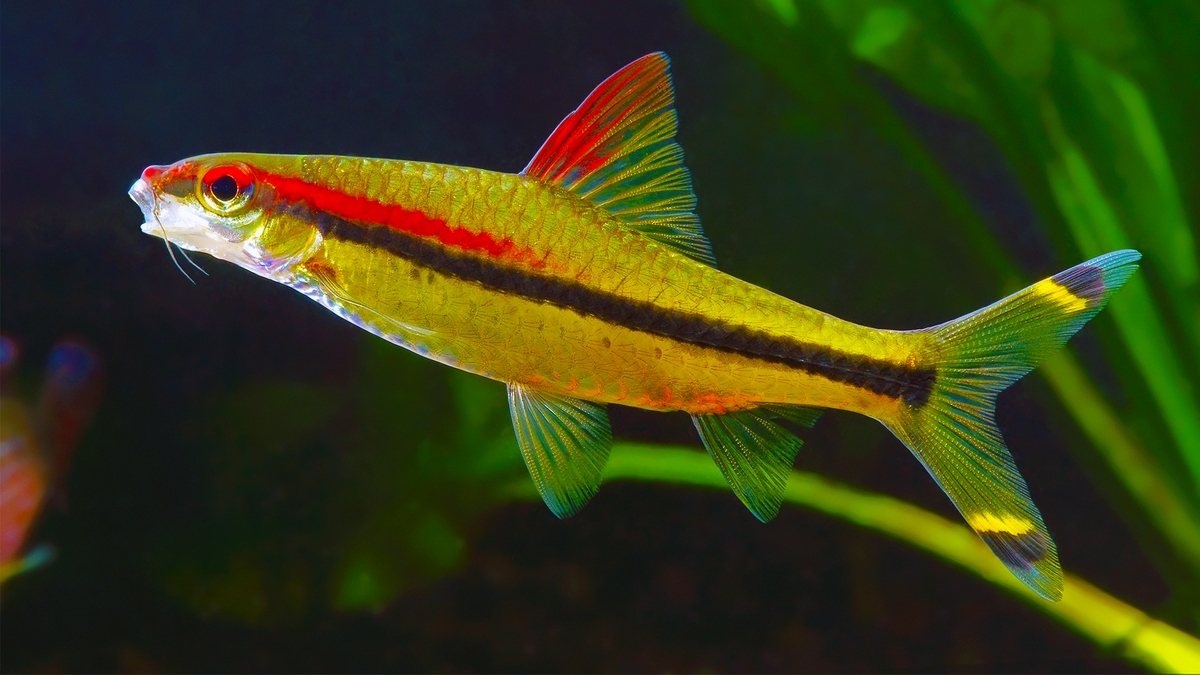
The Denison Barb has a long, slender body. It shows bright red, black, and yellow colors. A red line runs from its nose to the middle of its body. Black and yellow stripes decorate its tail. It grows up to 4 inches long. Its scales shimmer under light, making it stand out in any tank.
Natural Habitat
This fish lives in rivers and streams in India. It prefers fast-moving water with plenty of oxygen. The water is usually clear and cool. Plants and rocks provide hiding spots. The natural environment supports its need for clean, flowing water. It thrives best in places with steady currents and good water quality.
Behavior Patterns
Denison Barbs are active swimmers and very social. They like to live in groups of five or more. This helps them feel safe and lowers stress. They often swim in the middle and top areas of the tank. These fish are peaceful but can be fast and curious. They enjoy exploring and searching for food throughout the day.
:strip_icc()/Puntius_denisonii_Stan_Shebs-56a32fbd5f9b58b7d0d0df45.jpg)
Credit: www.thesprucepets.com
Care Requirements
The Denison Barb is a lively and colorful fish that needs proper care to thrive. Understanding its care requirements helps keep it healthy and happy. This section covers the basics of tank setup, water conditions, and diet.
Tank Setup
The tank should be at least 30 gallons for a small group of Denison Barbs. These fish enjoy swimming in open spaces, so provide plenty of room. Use a secure lid because they can jump. Add plants and hiding spots for comfort and security. Good water flow is important to mimic their natural river habitat.
Water Conditions
Keep the water temperature between 72°F and 79°F. The pH should stay around 6.5 to 7.5, slightly acidic to neutral. Maintain moderate water hardness. Regular water changes of 25% weekly help keep water clean. Use a filter to keep the water clear and healthy.
Diet And Feeding
Denison Barbs are omnivores and need a varied diet. Feed high-quality flakes or pellets as the main food. Add live or frozen foods like bloodworms and brine shrimp for protein. Offer vegetables like spinach or peas occasionally. Feed small amounts twice a day to prevent overfeeding.
Breeding Denison Barbs
Breeding Denison Barbs can be rewarding for aquarium enthusiasts. These fish show beautiful colors and lively behavior. To breed them successfully, you must create the right environment. Understanding their spawning habits helps in raising healthy fry. Let’s explore the key steps involved in breeding Denison Barbs.
Breeding Environment
Set up a separate breeding tank with clean, soft water. Maintain a temperature around 75-80°F (24-27°C). Use fine-leaved plants or spawning mops for egg laying. Provide gentle water flow and good aeration. Keep the tank dimly lit to reduce stress on the fish.
Spawning Process
Introduce a healthy pair or small group into the breeding tank. Males display brighter colors during courtship. Spawning usually occurs early morning. Females scatter sticky eggs on plants or spawning mops. Remove adults after spawning to prevent egg eating.
Raising Fry
Fry hatch within 24-36 hours. Feed tiny foods like infusoria or liquid fry food at first. Gradually add baby brine shrimp as they grow. Perform small water changes daily to keep water clean. Provide hiding spots with plants to protect fry.
Common Health Issues
The Denison Barb is a vibrant and hardy fish. Despite its strength, it faces some common health problems. Knowing these issues helps keep your fish happy and healthy. Early care can prevent many diseases.
Disease Prevention
Clean water is key to preventing diseases. Change the water regularly. Avoid overcrowding the tank. Feed a balanced diet to boost immunity. Use a good filter to keep water clear. Quarantine new fish before adding them to the tank.
Signs Of Illness
Watch for changes in behavior. A sick Denison Barb may swim slowly or hide. Look for faded colors or spots on the body. Loss of appetite is a warning sign. Check for clamped fins or labored breathing. These signs signal a need for action.
Treatment Options
Isolate the sick fish in a separate tank. Use medications designed for freshwater fish. Follow the instructions carefully. Keep the tank clean and maintain good water quality. Provide a stress-free environment to help recovery. Consult a vet or expert if symptoms worsen.
Tank Mates Compatibility
The Denison Barb is a lively and colorful fish that enjoys company. Choosing the right tank mates is key for a peaceful aquarium. It helps keep the fish healthy and active.
Understanding which species get along with the Denison Barb will make your tank more enjoyable. Managing their natural behavior also plays a big role. Let’s explore the best fish companions and tips for a happy community tank.
Suitable Fish Species
Denison Barbs prefer tank mates that share their peaceful nature. Small to medium-sized fish work well. Examples include tetras, rasboras, and danios. These fish swim actively and enjoy similar water conditions.
Avoid slow or shy fish. Denison Barbs are fast swimmers and need space. Bottom dwellers like Corydoras catfish also make good companions. They stay low and do not compete for the same space.
Aggression Management
Denison Barbs can show mild aggression, especially in small groups. Keeping them in schools of at least six reduces bullying. More fish means less focus on one individual.
Watch for signs of stress or injury. Remove any overly aggressive fish quickly. Provide plenty of hiding spots to ease tension. Plants and decorations create safe zones for shy fish.
Community Tank Tips
Maintain clean water with regular changes. Stable water parameters help all fish stay healthy. Feed a varied diet to meet nutritional needs.
Arrange the tank with open swimming areas and shaded spots. This balance suits active Denison Barbs and their peaceful friends. Monitor the tank daily to catch problems early.

Credit: aquadiction.world
Denison Barb Behavior
The Denison Barb is a popular freshwater fish known for its striking colors and lively nature. Understanding its behavior helps keep it happy and healthy. This fish shows unique traits in how it interacts, moves, and reacts to its surroundings.
Social Interaction
Denison Barbs are social fish. They prefer living in groups of five or more. Alone, they may feel stressed or shy. In groups, they swim together and show natural behaviors. They are peaceful but may compete for food sometimes. Keeping them in groups reduces aggression and boosts their confidence.
Activity Levels
This fish is very active and loves to swim. It enjoys exploring different parts of the tank. Denison Barbs need enough space to move freely. They are most active during the day. At night, they rest near plants or decorations. Their constant movement makes them fun to watch.
Response To Environment
Denison Barbs react quickly to changes in their tank. They prefer clean, well-oxygenated water with stable temperatures. Sudden changes can cause stress and hideaway behavior. They enjoy planted tanks with hiding spots. Bright light may make them swim closer to cover. A calm environment helps them feel safe and thrive.
Conservation Status
The conservation status of the Denison Barb is a concern for many fish lovers and environmentalists. This beautiful freshwater fish faces challenges in its natural habitat. Understanding its status helps support efforts to protect it and keep populations healthy.
Wild Population
The Denison Barb lives mainly in rivers of southwestern India. Its wild population has dropped significantly over the years. Limited numbers in the wild make this fish vulnerable to extinction. Tracking these populations helps experts plan better protection strategies.
Threats To Survival
Pollution harms the clean water the Denison Barb needs. Habitat loss due to dam building and deforestation reduces living space. Overfishing also lowers their numbers in the wild. Each of these threats adds pressure on the species’ survival.
Conservation Efforts
Breeding programs in captivity help keep the Denison Barb safe. Protecting river habitats remains a top priority. Educating local communities supports sustainable fishing practices. These efforts work together to save this colorful fish from disappearing.
How Smart Pets Lover Can Help You with Denison Barb
Learning More Through Care and Behavior Observation
When diving into the world of Denison Barbs, practical learning often begins right at home with their care requirements and behavior. Observing how these vibrant fish interact with their tank mates can teach you a lot about social dynamics in aquariums, helping you create a harmonious environment. Paying close attention to their common health issues not only sharpens your skills in early detection but also deepens your bond as a responsible pet parent.
At Smart Pets Lover, we understand how every wag, purr, and chirp tells a story, and with fishes like the Denison Barb, it’s no different. Embracing hands-on care alongside research-backed insights allows you to feel confident in nurturing these delicate creatures. If you ever need a friendly chat or guidance, reaching out to local aquatic clubs or online communities can be a valuable resource, offering shared experiences and support from fellow enthusiasts.
Remember, the more you learn through daily care and observation, the richer your connection with your Denison Barbs becomes — making every splash in the tank a little more meaningful.
Frequently Asked Questions
What Is A Denison Barb Fish?
Denison Barb is a colorful freshwater fish native to India’s fast-flowing rivers. It has a distinctive red stripe along its body. They are popular in aquariums due to their vibrant appearance and active nature. They require well-oxygenated water and a spacious tank.
How To Care For Denison Barb?
Denison Barbs need clean, oxygen-rich water with a temperature between 72-77°F. They thrive in tanks with plants and hiding spots. Feed them a balanced diet of flakes, pellets, and live foods. Regular water changes and tank maintenance are essential for their health.
What Do Denison Barb Fish Eat?
Denison Barbs are omnivores and eat a variety of foods. Their diet includes flakes, pellets, live foods like bloodworms, and vegetables. Feeding a varied diet ensures proper nutrition and vibrant colors. Avoid overfeeding to maintain water quality.
Are Denison Barbs Peaceful Fish?
Denison Barbs are semi-aggressive but generally peaceful with other fish. They do best in groups of six or more to reduce aggression. Avoid keeping them with very small or slow-moving fish. Proper tank mates include other active, similarly sized species.
Conclusion
Denison Barb is a unique fish with bright colors and lively behavior. It adds beauty to any aquarium and is easy to care for. This fish stays active and social, making it fun to watch. Its peaceful nature fits well with many other fish types.
Choose Denison Barb to bring life and color to your tank. Enjoy the calm and charm this fish offers every day.