Dalmatian Molly
Are you looking for a lively and beautiful addition to your aquarium? The Dalmatian Molly might be exactly what your underwater world needs.
With its striking spotted pattern and friendly nature, this fish is easy to care for and a joy to watch. You’ll discover everything you need to know to keep your Dalmatian Molly happy and healthy. Ready to make your tank come alive?
Let’s dive in!
Dalmatian Molly Traits
The Dalmatian Molly is a popular aquarium fish known for its unique traits. This fish stands out due to its appearance and easy care. Understanding its traits helps in keeping it healthy and happy.
Dalmatian Mollies have distinct looks and a friendly nature. They adapt well to home tanks and suit beginners. Let’s explore their key traits in detail.
Appearance And Colors
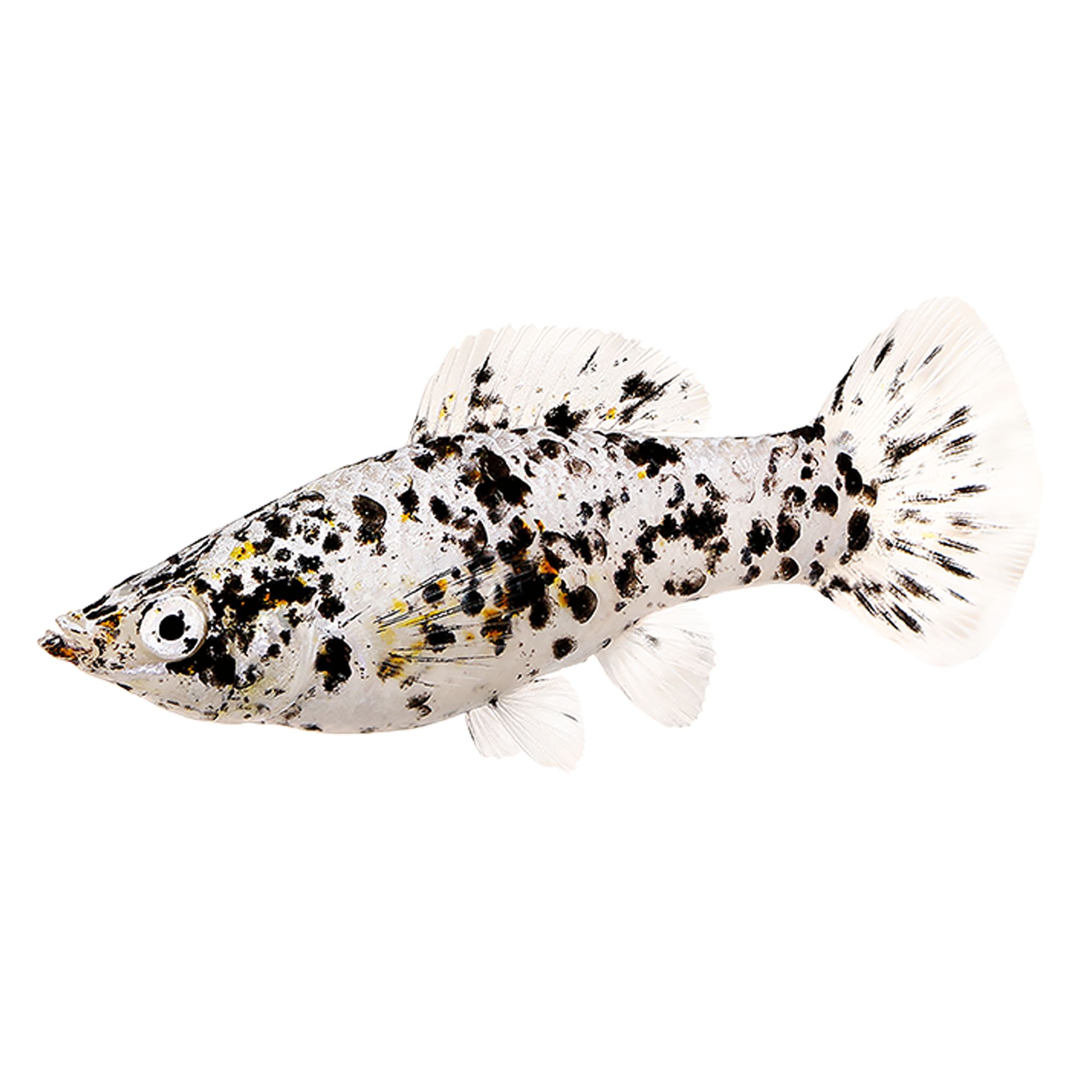
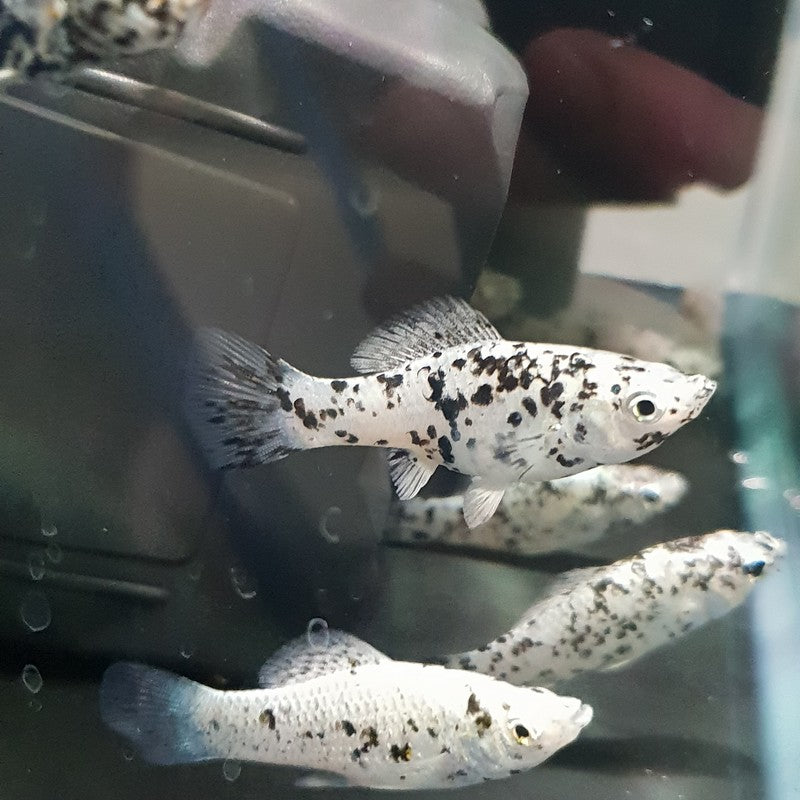
Dalmatian Mollies have a spotted pattern similar to Dalmatian dogs. Their bodies are mostly white or silver with black spots. The spots vary in size and location on each fish.
Their fins are often clear or slightly colored. Some may have a hint of yellow or orange on their fins. Their bright look makes them a great choice for colorful tanks.
Size And Lifespan
Dalmatian Mollies grow to about 3 to 4 inches long. Males are usually smaller and slimmer than females. Females have rounder bodies, especially when pregnant.
These fish live around 3 to 5 years in good conditions. Proper tank care and diet increase their lifespan. They thrive best in warm, clean water.
Credit: www.petsmart.com
Tank Setup
Setting up the right tank for your Dalmatian Molly is key to their health. These fish need space to swim and areas to hide. A good tank setup helps them live longer and stay active.
Ideal Tank Size
Dalmatian Mollies need at least a 20-gallon tank. Bigger tanks give them more room to swim freely. A larger tank also keeps water conditions stable. Small tanks can stress these fish and cause illness.
Water Conditions
Keep water temperature between 72°F and 78°F. Mollies prefer slightly hard and alkaline water. Aim for a pH level around 7.5 to 8.5. Regular water changes help keep water clean. Use a good filter to remove waste.
Plants And Decorations
Include live plants like Java fern or Anubias. Plants provide hiding spots and improve water quality. Add smooth rocks or driftwood for decoration. Avoid sharp objects that can hurt the fish. Open swimming space is important, too.
Feeding Dalmatian Molly
Dalmatian Mollies are lively fish that need a balanced diet. Proper feeding helps them stay healthy and active. Their diet should include a mix of nutrients to support growth and color.
Feeding the right food also boosts their immune system. Overfeeding can harm their health, so portion control is important. Understanding what and how often to feed is key.
Diet Essentials
Dalmatian Mollies eat both plants and meat. They are omnivores. Offer high-quality flake food as a base.
Add fresh vegetables like spinach or peas. These provide fiber and vitamins. Include protein from sources like brine shrimp or bloodworms. This supports muscle development and energy.
Variety keeps their diet balanced and interesting. Avoid foods that are too fatty or low in nutrients. Fresh food helps maintain their bright spots and active nature.
Feeding Frequency
Feed Dalmatian Mollies two times each day. Small portions prevent waste and water pollution. Only give what they can eat within two minutes.
Young fish may need more frequent feeding. Three small meals can support their growth. Adults do well on two meals daily.
Watch their behavior after feeding. Healthy fish swim actively and eat eagerly. Remove leftover food to keep the tank clean.
Behavior And Temperament
The Dalmatian Molly is known for its lively and friendly behavior. This fish brings energy and charm to any aquarium. Understanding its temperament helps in creating a peaceful tank environment. Dalmatian Mollies interact well with their surroundings and other fish.
Social Nature
Dalmatian Mollies are very social fish. They enjoy swimming in groups and feel safer together. Keeping them in schools reduces stress and encourages natural behavior. These fish often explore the tank and play among plants. Their active nature makes them a joy to watch.
Compatibility With Other Fish
Dalmatian Mollies get along with many peaceful fish species. Avoid aggressive or very small fish to prevent conflicts. They thrive with guppies, platies, and tetras. This fish prefers a calm tank with similar-sized companions. Proper tank mates ensure a happy and healthy community.
Breeding Tips
Breeding Dalmatian Mollies can be a fun and rewarding experience. These fish are peaceful and adapt well to home aquariums. Understanding their breeding needs helps ensure healthy fry and a thriving tank.
Spawning Conditions
Dalmatian Mollies prefer warm water between 78°F and 82°F. Keep the pH level slightly alkaline, around 7.5 to 8.0. Provide plenty of plants and hiding places for comfort. Use a separate breeding tank to protect eggs and fry. Soft, slightly hard water is best for egg development. Change 25% of the water weekly to maintain cleanliness. Bright but indirect light encourages spawning activity.
Caring For Fry
Fry need small, frequent feedings. Offer baby brine shrimp or finely crushed flakes. Keep water clean with gentle filtration to avoid stress. Provide hiding spots with dense plants or breeding mops. Remove adult fish to prevent them from eating the fry. Monitor water temperature and quality daily. Feed fry 3 to 4 times a day for healthy growth.
Credit: realaquatics.co.uk
Common Health Issues
Dalmatian Mollies are hardy fish, but they can face health problems. Knowing common health issues helps keep them safe and happy. Early care stops many diseases from spreading or worsening.
Regular tank cleaning and good water quality reduce most risks. Watch your fish closely for any changes in behavior or appearance. Quick action helps your Dalmatian Molly recover faster.
Disease Prevention
Keep the tank clean and water fresh. Change 25% of water weekly to remove waste. Use a water test kit to check pH and ammonia levels. Stable water conditions keep fish healthy.
Feed high-quality food in small amounts. Overfeeding causes water pollution and health problems. Avoid sudden temperature changes in the tank. Stress from temperature swings weakens fish immune systems.
Quarantine new fish for two weeks before adding them. This stops diseases from entering the main tank. Avoid overcrowding to reduce stress and disease spread. Healthy living space supports strong fish immune systems.
Signs Of Illness
Look for changes in swimming or eating habits. A sick fish may hide or float near the surface. Check for white spots or fuzzy patches on skin. These signs may show common infections or parasites.
Gills should move smoothly and look pink. Pale or swollen gills can mean breathing problems. Watch for clamped fins or torn fins edges. These can signal stress or bacterial infection.
Weight loss or bloating are serious signs. Also, note if the fish scratches against tank objects. This behavior can mean irritation or parasites. Early detection helps treat fish before illness worsens.
Credit: www.petsmart.com
How Smart Pets Lover Can Help You with Dalmatian Molly
Practical Learning with Dalmatian Molly Care
Understanding Dalmatian Molly traits and their behavior opens up wonderful opportunities for hands-on learning. For example, setting up the right tank environment not only creates a healthy home but also teaches valuable lessons in water chemistry and aquatic plant care—skills that deepen your connection with these lively fish. Observing their social temperament encourages patience and empathy, qualities every pet parent cherishes.
Feeding Dalmatian Mollies the right diet is another practical way to engage with their wellbeing, reminding us how nutrition directly impacts health and vitality. These experiences align with Smart Pets Lover’s mission to make pet parenting both confident and heartfelt. If you ever want to dive deeper into specific care tips or troubleshoot common health issues, reaching out to knowledgeable communities or pet care experts can be incredibly helpful.
Remember, every moment spent learning about your Dalmatian Molly strengthens the bond you share—because where every wag, purr, and chirp tells a story, so does every splash and swim.
Frequently Asked Questions
What Is A Dalmatian Molly Fish?
A Dalmatian Molly is a popular freshwater aquarium fish. It is known for its white body with black spots. This fish is peaceful, easy to care for, and thrives in community tanks. It adds beauty and activity to home aquariums.
How Big Do Dalmatian Mollies Grow?
Dalmatian Mollies typically grow to about 3-4 inches long. Males are usually smaller and slimmer than females. Proper tank conditions and nutrition support healthy growth. They reach their full size within 6-12 months of age.
What Water Conditions Do Dalmatian Mollies Prefer?
Dalmatian Mollies prefer warm water between 72-82°F (22-28°C). They thrive in slightly alkaline water with pH 7. 5-8. 5. Stable water quality with regular changes is essential. They tolerate moderate hardness but need clean, well-filtered water.
Are Dalmatian Mollies Good For Community Tanks?
Yes, Dalmatian Mollies are peaceful and social fish. They get along well with other non-aggressive species. They require ample swimming space and hiding spots. Avoid aggressive tank mates to ensure harmony in the aquarium.
Conclusion
Dalmatian Mollies make great pets for any aquarium. They are peaceful and easy to care for. These fish add bright colors and life to your tank. Keep their water clean and feed them well. Watch them swim and enjoy their playful nature.
Dalmatian Mollies bring joy and beauty to your home. Simple care helps them stay healthy and happy. A perfect choice for both beginners and fish lovers.