Cryptocoryne Parva
If you’re looking to add a touch of vibrant green to your aquarium, Cryptocoryne Parva could be just what you need. This small but stunning aquatic plant is perfect for creating lush, natural underwater landscapes.
Imagine your tank transformed with a carpet of rich green that stays healthy and grows steadily. Curious about how to care for it, where to place it, and why it’s a favorite among aquarium enthusiasts? Keep reading to discover everything you need to know to make Cryptocoryne Parva thrive in your own aquatic setup.
Credit: blog.cantonaquatics.com
Cryptocoryne Parva Basics
Cryptocoryne Parva is a popular plant in the aquarium hobby. It is small but adds great beauty to tanks. This plant fits well in many aquascapes. It is easy to care for and grows slowly. Understanding its basics helps keep it healthy and attractive.
Below are key points about Cryptocoryne Parva. Learn about its look, home, and how it grows.
Plant Description
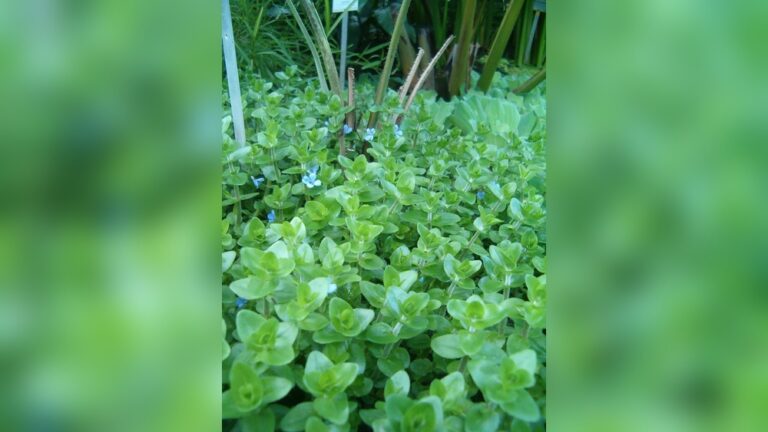
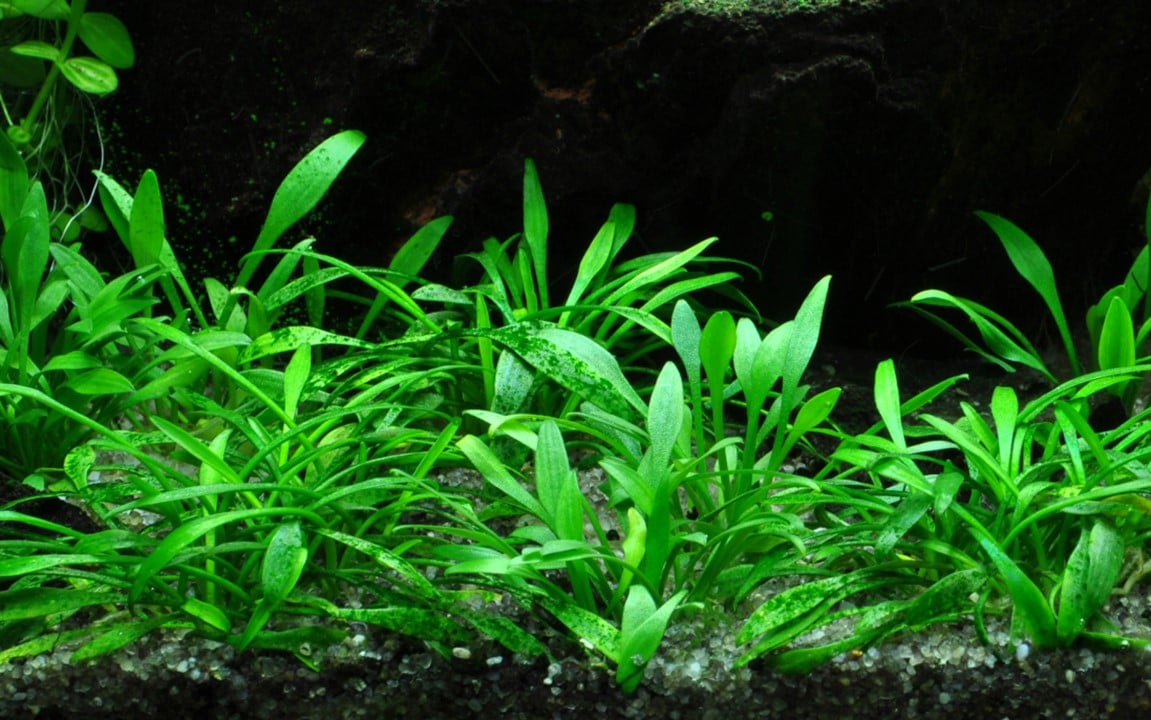
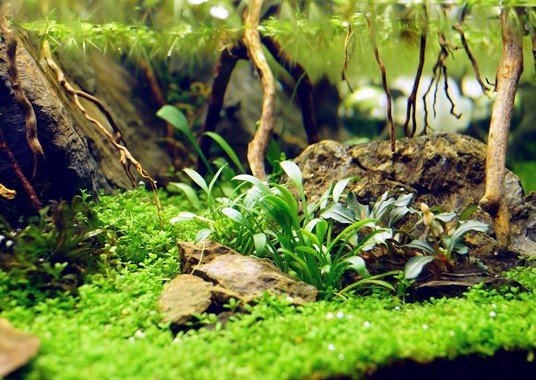
Cryptocoryne Parva is a small aquatic plant. Its leaves are green and oval-shaped. They grow close to the soil. The plant rarely grows taller than 3 inches. It stays compact, making it ideal for foreground planting. The texture of the leaves is smooth and thick. It does not need strong light to thrive.
Natural Habitat
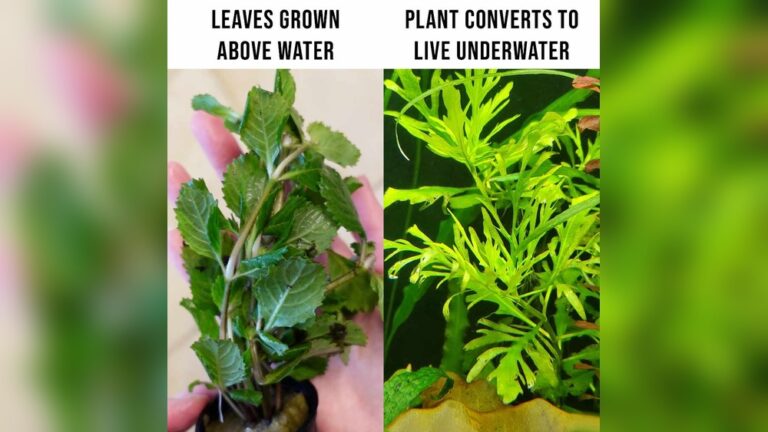
This plant comes from Sri Lanka’s rivers and streams. It grows in slow-moving or still waters. The water is usually soft and slightly acidic. The plant stays rooted in sandy or muddy bottoms. It adapts well to submerged and partially submerged conditions. This environment keeps the plant safe and nourished.
Growth Patterns
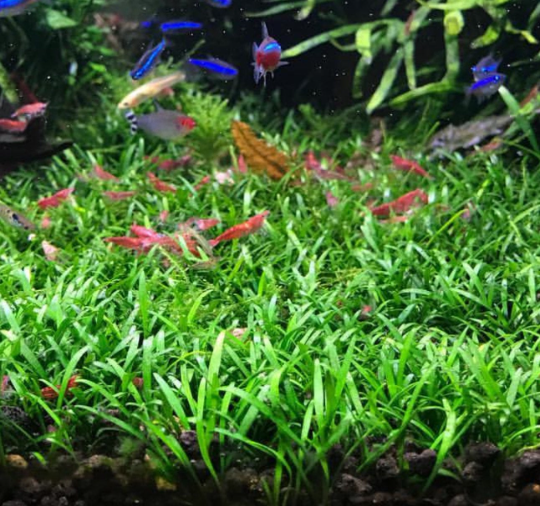
Cryptocoryne Parva grows slowly but steadily. It spreads by sending out runners underground. New plants appear near the parent plant. It does not need much space to grow. The plant prefers stable water conditions. Sudden changes may cause leaf melting. With patience, it forms a dense green carpet.
Credit: marcusfishtanks.com
Aquarium Setup
Setting up an aquarium for Cryptocoryne Parva requires careful attention. This plant is small but needs specific conditions to thrive well. Proper setup ensures healthy growth and vibrant green leaves. The right environment helps it stay strong and beautiful.
Below are key points to prepare the tank perfectly for Cryptocoryne Parva.
Tank Size And Conditions
A tank size of at least 5 gallons is good for Cryptocoryne Parva. It prefers calm water with a temperature between 72°F and 82°F. The pH level should stay between 6.0 and 7.5. Keep the water clean with regular changes. This plant grows slowly but steadily under stable conditions.
Lighting Needs
Cryptocoryne Parva does well under low to medium light. Too much light can cause algae problems. Use soft lighting that mimics natural daylight. Keep the light on for about 8 to 10 hours daily. This balance helps the plant photosynthesize without stress.
Substrate Choices
Choose a fine, nutrient-rich substrate to support root growth. Sand or small gravel works best for Cryptocoryne Parva. Adding root tabs can provide extra nutrition. The substrate should be deep enough for the roots to anchor firmly. Healthy roots mean a healthy plant.
Planting And Care
Cryptocoryne Parva is a small, slow-growing aquatic plant perfect for aquariums. It adds a natural look and stays low, making it ideal for foreground planting. Proper planting and care help it thrive and stay healthy.
Planting Techniques
Plant Cryptocoryne Parva in fine substrate like sand or small gravel. Use tweezers to place the plant gently in the substrate. Leave space between plants for growth. Avoid burying the crown to prevent rot. Plant roots should be fully covered by the substrate.
Water Parameters
Keep water temperature between 72 and 82 degrees Fahrenheit. Maintain pH around 6.5 to 7.5 for best growth. Water hardness should be soft to moderate. Regular water changes keep the environment clean. Stable conditions prevent stress and promote healthy leaves.
Fertilization Tips
Use root tabs or substrate fertilizers for strong root growth. Liquid fertilizers can boost leaf development and color. Feed the plant weekly but avoid over-fertilizing. Healthy Cryptocoryne Parva grows slowly but steadily. Balanced nutrients keep the plant vibrant and green.
Credit: dennerleplants.com
Propagation Methods
Propagating Cryptocoryne Parva is simple and rewarding. This aquatic plant spreads mainly through division. Proper methods help new plants grow healthy and strong. Understanding these methods ensures success in your aquarium.
Division Process
Cryptocoryne Parva grows in small clumps. To propagate, gently remove the plant from the substrate. Look for natural divisions or small shoots. Separate these shoots carefully with your fingers or a sharp tool. Plant each division in nutrient-rich substrate. Keep water clean and stable for best results.
Growth Rate
This plant grows slowly compared to others. Expect new leaves to appear every few weeks. Growth speed depends on light, nutrients, and water conditions. Provide moderate light and regular fertilization. Patience is key to seeing steady progress over time.
Troubleshooting Propagation
Problems can arise during propagation. Watch out for melting leaves or slow growth. These signs show stress or poor water quality. Check water parameters and adjust lighting. Avoid sudden changes in temperature or water chemistry. Healthy plants recover faster and propagate well.
Common Issues
Cryptocoryne Parva is a popular aquarium plant but faces some common problems. These issues can affect its growth and appearance. Knowing how to handle them helps keep the plant healthy and vibrant.
Algae Control
Algae often grows on Cryptocoryne Parva leaves. It blocks light and slows plant growth. Keep light levels moderate to reduce algae. Avoid overfeeding fish to control nutrients. Regular water changes help keep algae at bay. Using algae-eating fish or snails can also assist.
Leaf Melting Causes
Leaf melting is a common problem with Cryptocoryne Parva. It happens when the plant adjusts to new water conditions. Sudden changes in temperature or water chemistry cause stress. Low light or poor water quality also trigger melting. Remove damaged leaves to help new growth. Maintain stable water conditions for recovery.
Pest Management
Pests like snails and aphids can harm Cryptocoryne Parva. They eat leaves and cause damage. Inspect plants regularly for signs of pests. Manual removal works well for small infestations. Use safe treatments designed for aquarium plants if needed. Quarantine new plants before adding them to your tank.
Aquascaping Uses
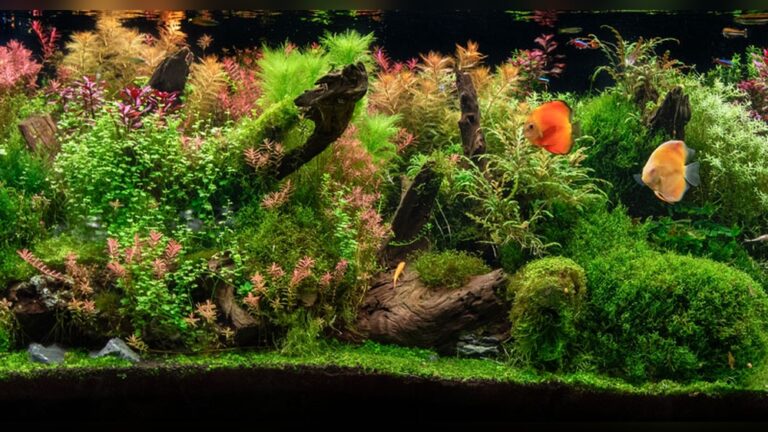
Cryptocoryne Parva is a small aquatic plant perfect for aquascaping. Its compact size and slow growth make it ideal for creating natural underwater scenes. The plant adds texture and depth to aquariums, enhancing visual appeal.
Its versatility allows it to fit many design styles. Placing it correctly and combining it with other plants improves the overall look. Simple ideas can make your tank look stunning.
Foreground Placement
Cryptocoryne Parva works best in the foreground of the aquarium. Its low height keeps the front area neat and tidy. It forms a green carpet that gives a natural floor effect.
Plant it in groups for a fuller look. Space the plants a little to allow growth. This placement highlights the background plants and hardscape.
Combining With Other Plants
Pair Cryptocoryne Parva with taller plants for balance. Use species with different leaf shapes and colors. This contrast adds interest and makes the layout lively.
Good companions include Java fern and Anubias. These plants share similar care needs. Together, they create a harmonious aquatic environment.
Design Ideas
Create pathways using Cryptocoryne Parva to guide the viewer’s eye. Surround the plant with stones or driftwood for natural borders. This technique frames the carpet and adds structure.
Use it in biotope tanks to mimic natural habitats. Its subtle presence keeps the focus on fish and other features. Try mixing it with moss for a lush, green effect.
How Smart Pets Lover Can Help You with Cryptocoryne Parva
Learning Through Growing Cryptocoryne Parva
For many pet parents diving into the world of aquarium plants, Cryptocoryne Parva offers a wonderful chance to learn about aquarium setup and planting care in a hands-on way. This small but hardy plant encourages patience and observation — key skills when managing water conditions and tackling common issues like algae or melting leaves. Watching it propagate can also teach valuable lessons about plant biology and aquascaping design.
At Smart Pets Lover, we understand that every aquarist’s journey is unique, filled with discoveries that deepen your connection to your aquatic companions. Embracing these practical experiences helps build confidence, much like caring for your dogs or cats, where attention to detail makes all the difference.
- Track water parameters regularly to prevent stress.
- Try different propagation methods to see what works best in your tank.
- Experiment with layout to enhance your aquascape’s natural beauty.
If you ever feel stuck or want to share your progress, connecting with fellow enthusiasts or experts can be invaluable. You might consider reaching out to communities or resources like Smart Pets Lover for friendly guidance that keeps your aquarium thriving.
Frequently Asked Questions
What Is Cryptocoryne Parva Used For In Aquariums?
Cryptocoryne Parva is a popular foreground plant in aquariums. It creates a lush green carpet and enhances tank aesthetics. Its small size makes it ideal for nano tanks and aquascaping. It also provides shelter for small fish and invertebrates.
How Fast Does Cryptocoryne Parva Grow?
Cryptocoryne Parva grows slowly compared to other aquatic plants. It typically takes several weeks to establish and spread. Proper lighting and nutrient-rich substrate can encourage steady growth. Patience is key when cultivating this plant.
What Are The Ideal Conditions For Cryptocoryne Parva?
Cryptocoryne Parva thrives in low to moderate light and stable water parameters. It prefers a temperature range of 72-82°F (22-28°C). A nutrient-rich substrate and CO2 injection promote healthy growth. Avoid sudden changes in water conditions to prevent melting.
How Do You Propagate Cryptocoryne Parva?
Cryptocoryne Parva propagates through runners that develop new plantlets. Gently separate the plantlets once they have a few leaves and roots. Replant them in the substrate for continued growth. Propagation is slow but rewarding with patience.
Conclusion
Cryptocoryne Parva is a small, hardy aquatic plant. It fits well in many aquarium styles. It needs low to medium light to grow. This plant adds green beauty and texture to tanks. It grows slowly but stays compact and neat.
Regular care helps it stay healthy and vibrant. Try it in your aquarium for a natural look. Simple to care for, it suits beginners and experts alike. A great choice for anyone who loves planted tanks.