Crowntail Betta
If you’re looking to add a splash of color and personality to your aquarium, the Crowntail Betta is a perfect choice. With its striking, spiky fins and vibrant colors, this fish doesn’t just swim—it commands attention.
You might wonder what makes the Crowntail Betta so special and how to care for it to keep it healthy and happy. Keep reading, because by the end of this article, you’ll know exactly why this fish could be the standout star in your tank and how to make the most of your Betta experience.
Credit: azgardens.com
Crowntail Betta Basics
The Crowntail Betta is one of the most striking types of betta fish. Its unique look stands out in any aquarium. Learning the basics helps you appreciate this fish better. From its shape to its colors, every detail is special.
Understanding its history and features adds to the joy of owning one. Let’s explore what makes the Crowntail Betta so fascinating.
Physical Features
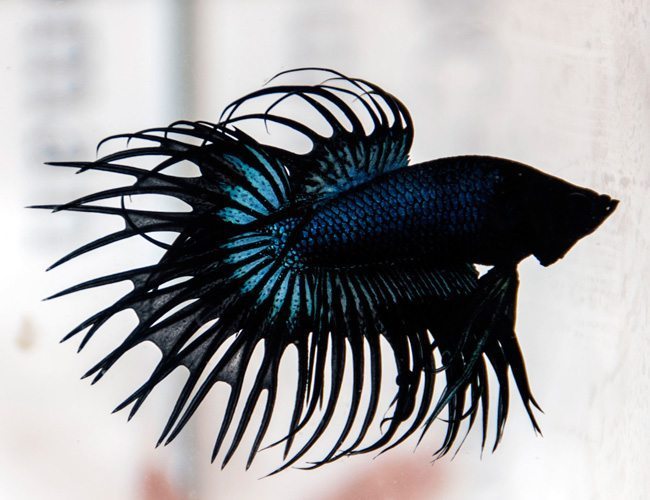
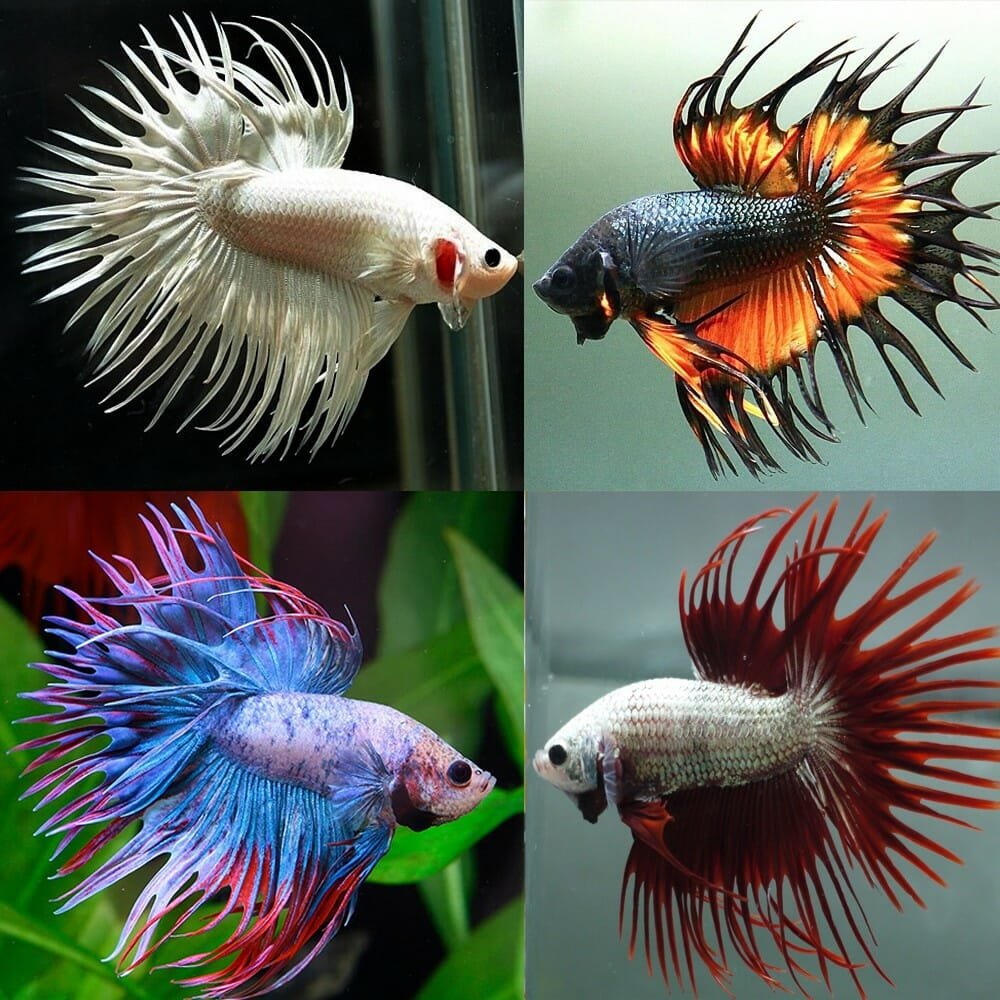
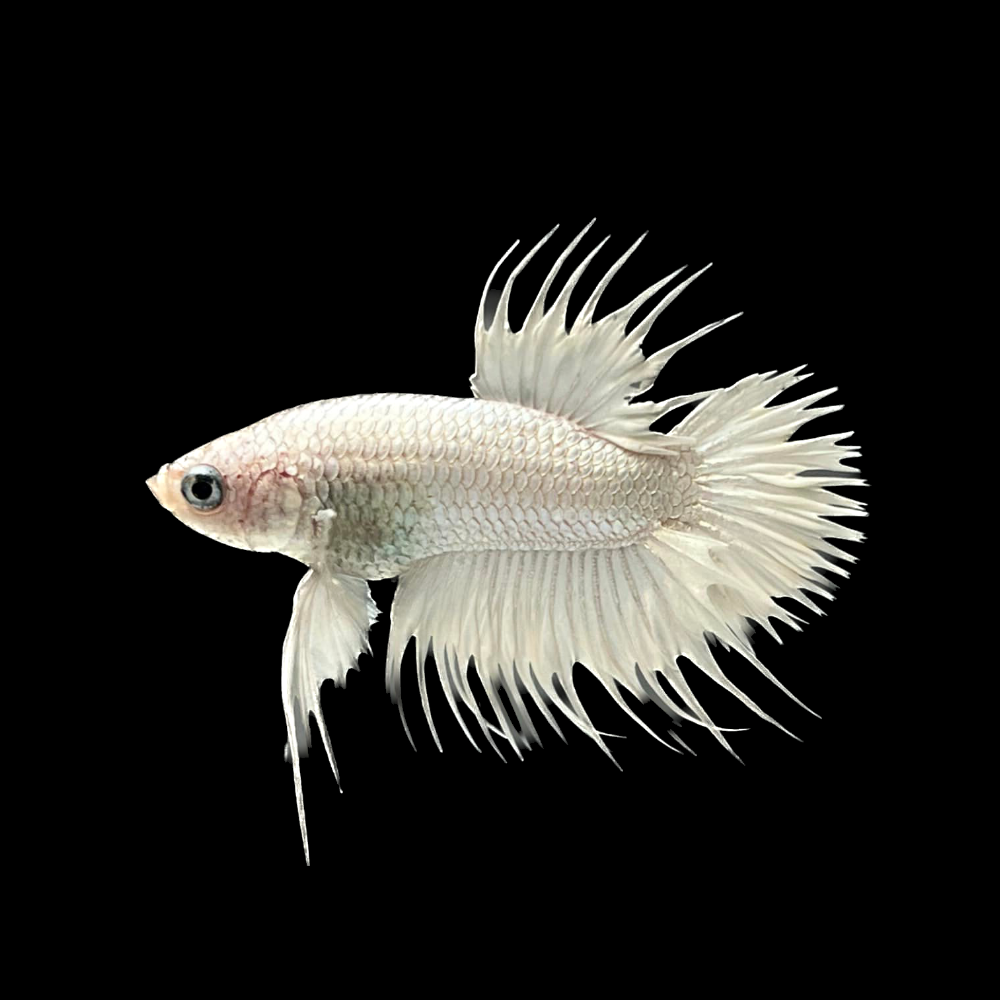
The Crowntail Betta has long, spiky fins. These fins have webbing that looks like a crown. The sharp edges create a dramatic effect. Its body is slender and smooth. This fish moves with elegance in the water.
Its fins spread wide when it flares. This shows off the crown-like rays clearly. The tail fin is the most eye-catching part. It often has deep cuts that form the “crown” shape.
Origins And History
The Crowntail Betta comes from Southeast Asia. It was bred from wild bettas found in Thailand and Cambodia. Breeders wanted to create a fish with unique fins. They selected fish with longer rays and less webbing. This selective breeding gave the Crowntail its distinct look.
Its popularity grew fast among aquarium lovers. Today, it is a favorite for many fishkeepers worldwide. The Crowntail is a symbol of beauty and strength.
Color Variations
Crowntail Bettas come in many colors. Common colors include red, blue, and green. Some have metallic shades that shine under light. Others show solid or mixed colors on their fins and body. These colors can change slightly with age and mood.
Bright colors make the Crowntail stand out in any tank. Some fishkeepers enjoy breeding new color patterns. This variety keeps the Crowntail Betta exciting and fresh.
Credit: vijayaquarium.com
Tank Setup
The right tank setup is key for a healthy Crowntail Betta. It gives them space to swim and explore. Proper setup also helps keep water clean and safe. This section covers tank size, water conditions, and decor tips.
Tank Size And Type
A tank of at least 5 gallons is best for Crowntail Bettas. Small tanks stress fish and limit movement. A glass or acrylic tank works well. Avoid tiny bowls. Bettas need space to show their colors and fins.
Water Conditions
Keep water temperature between 75°F and 80°F. Bettas come from warm waters and need heat. Use a heater to maintain steady warmth. pH should stay near neutral, around 6.5 to 7.5. Regular water changes keep toxins low and fish healthy.
Decor And Plants
Soft decorations protect delicate fins. Avoid sharp edges that can tear fins. Live plants improve water quality and provide hiding spots. Silk plants are a good alternative. Floating plants help reduce light and offer shade. Use smooth gravel or sand as tank substrate.
Feeding Crowntail Bettas
Feeding Crowntail Bettas properly is key to their health and vibrant colors. These fish need a balanced diet that supports their energy and growth. Understanding what to feed and how often helps keep your betta happy and active.
Diet Essentials
Crowntail Bettas are carnivores and need protein-rich food. High-quality betta pellets work well. Include frozen or live foods like brine shrimp and bloodworms. These foods boost their immune system and improve their fins.
Feeding Schedule
Feed your Crowntail Betta twice a day. Give small portions they can eat in two minutes. Overfeeding causes water pollution and health problems. Skip one day each week to help digestion.
Foods To Avoid
Avoid feeding your betta flakes meant for other fish. Do not give bread or plant-based food. These can cause digestive issues. Also, avoid live feeder fish from unknown sources to prevent diseases.
Behavior And Temperament
The Crowntail Betta is known for its unique look and active behavior. These fish are lively and curious. They often explore their tank and react to changes around them. Understanding their behavior helps keep them happy and healthy. Their temperament can vary based on their environment and company.
Interaction With Other Fish
Crowntail Bettas are not very social with other fish. They prefer to live alone or with very peaceful tank mates. Fast or aggressive fish can stress them. Avoid keeping two male Bettas together; they will fight. Female Bettas may tolerate some tank mates if the space is large enough.
Territorial Nature
Crowntail Bettas are highly territorial. They defend their space strongly against intruders. Males especially flare their fins and show bright colors to warn rivals. This behavior is natural and helps protect their area. Providing plenty of hiding spots reduces fights and stress.
Signs Of Stress
Stress in Crowntail Bettas shows in changes in behavior. They may hide more or stop eating. Color can fade, and fins might clench. Erratic swimming or rubbing against objects also signals stress. Spotting these signs early helps prevent illness and keeps the fish calm.
Health Care
Caring for your Crowntail Betta means keeping it healthy and happy. Good health care starts with knowing common diseases and how to prevent them. Early signs of illness help you act fast. Healthy fish live longer and swim better.
Common Diseases
Crowntail Bettas can catch fin rot, velvet, and ich. Fin rot causes torn and ragged fins. Velvet looks like gold dust on the body. Ich shows as white spots all over. These illnesses weaken your fish quickly.
Prevention Tips
Keep the tank clean to stop disease growth. Change water regularly, about 25% each week. Use a good filter and keep water warm, around 78°F. Avoid overfeeding; too much food pollutes water. Quarantine new fish before adding them to the tank.
Treatment Options
Use medicines designed for betta diseases to treat illness. Follow the instructions carefully for best results. Remove sick fish to a separate tank if possible. Increase water temperature slightly to speed healing. Keep the tank clean to help your fish recover.
Breeding Crowntail Bettas
Breeding Crowntail Bettas can be a rewarding hobby. These fish have beautiful, spiky fins that make their offspring stunning. The process requires patience and care. Understanding the right setup and steps helps ensure success.
Breeding Setup
Choose a small tank around 10 gallons. Keep the water warm, between 78 and 80 degrees Fahrenheit. Add a gentle filter to keep water clean. Use plants or hiding spots for the female. A flat leaf or a small cup works well for the male to build a bubble nest. Keep the water level low, about 5 inches, to protect the nest.
Mating Process
Introduce the female to the tank carefully. The male will start building a bubble nest. Watch their behavior closely. The male may flare fins to show dominance. The female shows vertical stripes when ready to mate. The male wraps around the female to help her release eggs. He collects the eggs and places them in the nest. This process can take several hours.
Raising Fry
After spawning, remove the female to avoid aggression. The male guards the eggs until they hatch in about two days. Fry stay attached to the nest for a few more days. Feed the fry with infusoria or special fry food. Change water regularly but carefully. The fry grow fast and need clean water to stay healthy.
Maintaining Crowntail Beauty
The Crowntail Betta is known for its striking fins and vibrant colors. Keeping this fish healthy helps maintain its natural beauty. Proper care ensures its fins stay sharp and colors bright. Small efforts make a big difference in appearance and health.
Care routines focus on fin care, water quality, and tank cleanliness. Each aspect plays a key role in keeping your Crowntail Betta happy. Understanding these steps helps you provide the best environment for your fish.
Fin Care
Crowntail Bettas have delicate, spiky fins. These fins can easily get torn or damaged. Avoid sharp decorations and rough handling to protect them. Trim dead or torn fin parts carefully if needed. Healthy fins show a healthy fish.
Water Quality Maintenance
Clean water keeps your Crowntail vibrant and active. Test water regularly for ammonia, nitrite, and nitrate levels. Keep temperature steady between 75°F and 80°F. Use a gentle filter to avoid strong currents. Good water conditions reduce stress and fin damage.
Regular Tank Cleaning
Clean tanks prevent diseases and keep water fresh. Change 20-25% of the water weekly. Remove uneaten food and waste daily. Clean tank walls and decorations gently. A clean tank supports strong fins and bright colors.
Credit: thailandbettafish.com
How Smart Pets Lover Can Help You with Crowntail Betta
Learning Through Caring: Deepening Your Crowntail Betta Experience
Getting to know your Crowntail Betta isn’t just about setting up a tank or feeding routines; it’s a chance to engage with a living, vibrant personality. Observing their behavior and temperament offers a unique, practical learning opportunity—each flick of their fin tells a story about mood, health, or environment. By tuning into these subtle signals, you develop a deeper empathy for your fish, enhancing your ability to provide the best care.
Maintaining their beauty through proper health care and attentive tank setup isn’t just routine—it’s a hands-on lesson in responsibility and patience. These experiences mirror the mission of Smart Pets Lover: helping pet parents feel confident and connected. If you ever feel uncertain about your Crowntail’s wellbeing, reaching out to trusted pet communities or experts can provide valuable support and guidance.
Remember, every moment spent learning about your Crowntail Betta enriches the bond you share—turning simple care into meaningful companionship.
Frequently Asked Questions
What Is A Crowntail Betta Fish?
A Crowntail Betta is a popular Betta fish variety known for its spiky, crown-like fins. These fins have extended rays with webbing reduced between them, giving a unique, dramatic appearance that stands out in aquariums.
How Do You Care For Crowntail Betta Fish?
Crowntail Bettas need warm water around 78-80°F, a clean tank, and a balanced diet. They thrive in tanks with gentle filtration and regular water changes to maintain health and vibrant colors.
What Size Tank Suits Crowntail Betta Fish?
A minimum 5-gallon tank is ideal for a Crowntail Betta. This size provides enough swimming space and stable water conditions for optimal health and activity.
Are Crowntail Betta Fish Aggressive?
Crowntail Bettas can be aggressive, especially males. It’s best to keep them alone or with peaceful tank mates to prevent fighting and stress.
Conclusion
Crowntail Bettas bring unique beauty to any aquarium. Their spiky fins add charm and movement. These fish need clean water and gentle care. Feeding them a balanced diet keeps them healthy. They enjoy calm tanks with plenty of hiding spots.
Watching their vibrant colors can be very relaxing. Anyone can enjoy keeping Crowntail Bettas with simple steps. A little attention goes a long way. Try adding one to your fish collection today!