Cory Catfish
Are you looking for a peaceful, easy-to-care-for fish to brighten up your aquarium? Cory Catfish might be exactly what you need.
These small, friendly fish bring life and movement to your tank without demanding too much attention. If you want to learn how to keep them happy and healthy, this guide will give you all the tips and tricks you need.
Keep reading to discover why Cory Catfish could be the perfect addition to your underwater world.
Credit: www.aqueon.com
Cory Catfish Basics
Cory Catfish are small, peaceful fish popular in home aquariums. They are easy to care for and add activity to the tank. Understanding their basics helps keep them healthy and happy.
These fish enjoy living in groups and love to explore the tank bottom. They clean leftover food and help keep the tank clean. Learning about their types, looks, and home environment is important for any fish keeper.
Species Varieties
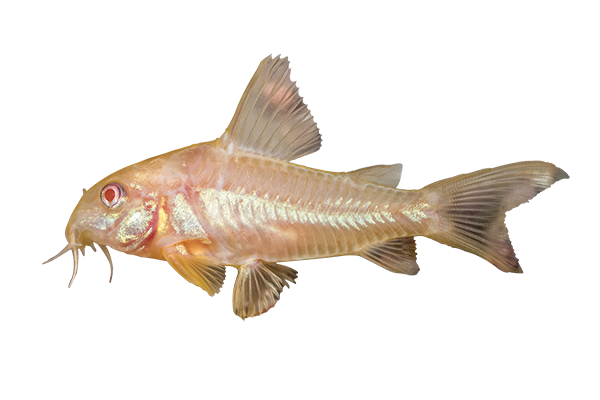
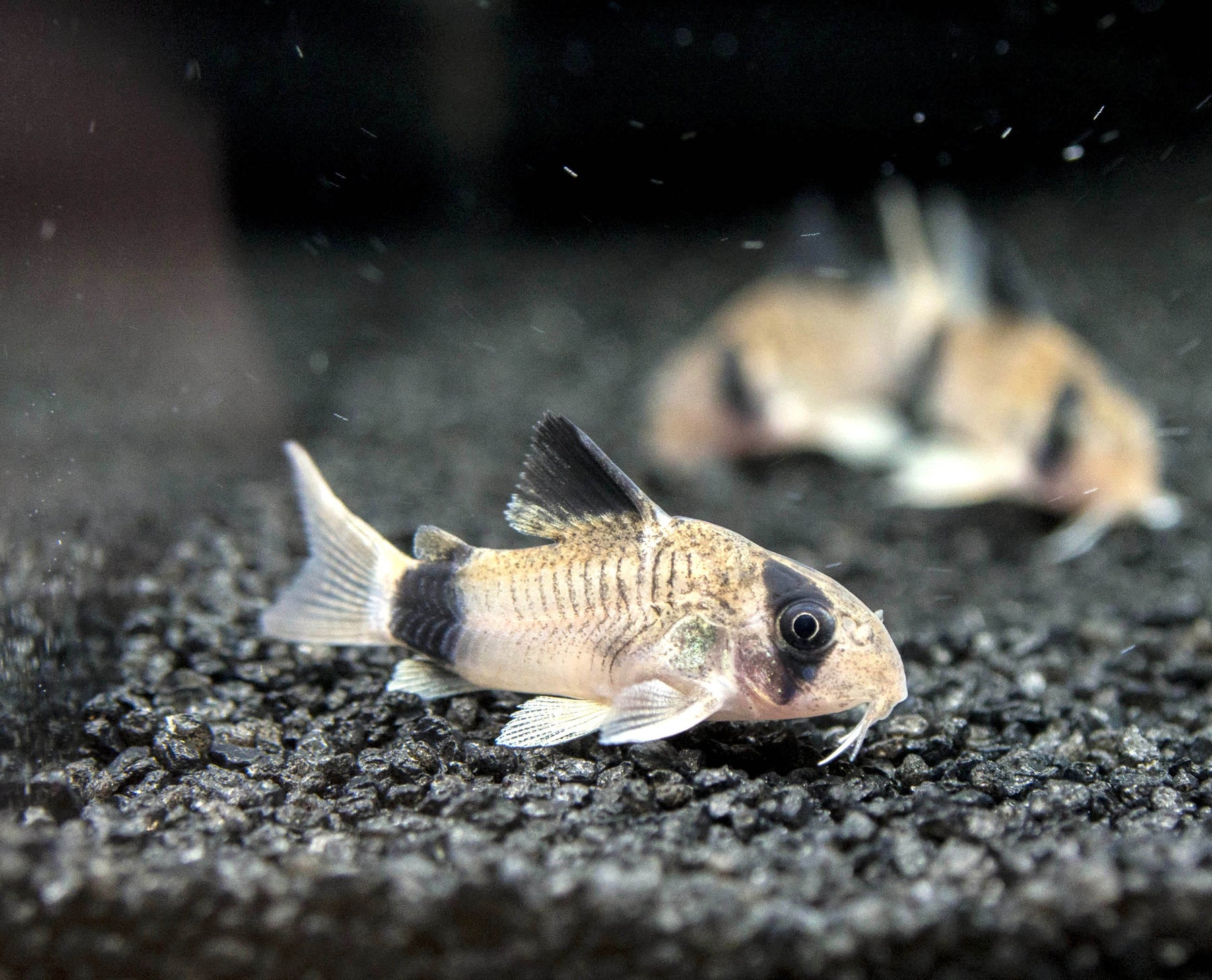
There are over 30 species of Cory Catfish. Some common types include the Bronze Cory, Peppered Cory, and Panda Cory. Each species has unique colors and patterns. Most Cory Catfish grow up to 2.5 inches long. They all share a calm and friendly nature.
Physical Features
Cory Catfish have a round body and flat underside. They have barbels near their mouth to sense food. Their fins are soft and help them swim gently. Colors range from brown to silver with spots or stripes. Their small size fits well in community tanks.
Natural Habitat
Cory Catfish come from slow-moving rivers and streams in South America. They prefer soft, sandy bottoms with plenty of plants. These fish like clean, slightly acidic water. They often hide under leaves and rocks. Mimicking this environment in your tank helps them thrive.
Credit: aquaticarts.com
Tank Setup
Cory Catfish need a well-planned tank setup for a healthy life. Their tank should mimic their natural environment. This helps them stay active and happy. Proper tank setup also reduces stress and illness.
Setting up the tank correctly is simple. Focus on the size, substrate, and water conditions. These elements create a safe and comfortable home for your Cory Catfish.
Tank Size
Cory Catfish live best in tanks of at least 20 gallons. They are social and like to live in groups of six or more. A bigger tank gives them space to swim freely. It also helps keep water quality stable.
Substrate Choice
Soft, smooth substrate is best for Cory Catfish. Sand is ideal because it protects their delicate barbels. Sharp gravel can hurt them. Keep the substrate clean to avoid harmful bacteria buildup.
Water Conditions
Maintain water temperature between 72°F and 78°F. pH should be neutral, around 6.5 to 7.5. Use a good filter to keep water clean and clear. Regular water changes help keep the tank healthy.
Feeding Tips
Feeding Cory Catfish properly keeps them healthy and active. Understanding their diet helps you provide the best care. Follow these feeding tips to support their well-being.
Diet Preferences
Cory Catfish prefer a varied diet. They enjoy both plant and animal foods. These fish are bottom feeders and search for food at the tank floor. They like small, soft foods that are easy to eat. A mix of flakes, pellets, and fresh food works well.
Feeding Frequency
Feed Cory Catfish once or twice a day. Small amounts prevent leftover food from polluting the tank. Watch them eat to avoid overfeeding. Young fish may need more frequent feeding. Keep feeding times consistent for best results.
Suitable Foods
Offer sinking pellets designed for bottom feeders. Live or frozen foods like bloodworms and brine shrimp are great treats. Vegetables such as cucumber or zucchini slices are also suitable. Remove uneaten food to keep the water clean.
Behavior Patterns
Cory Catfish show interesting behavior patterns. These patterns help them live well in home aquariums. Understanding their behavior makes caring for them easier and more fun.
Social Habits
Cory Catfish are very social fish. They like to swim in groups. A group of six or more helps them feel safe. They often rest together at the bottom of the tank. They communicate through small movements and vibrations. Alone, they can become shy or stressed.
Activity Levels
Cory Catfish are active mostly at dawn and dusk. They search the tank floor for food. Their movements are gentle and calm. They use their barbels to find food in the sand. During the day, they rest more but stay alert.
Compatibility
Cory Catfish get along with many other fish. They prefer peaceful tank mates that do not attack them. Avoid aggressive or very large fish. Cory Catfish are bottom dwellers and like calm environments. They help keep the tank clean by eating leftover food.
Health Care
Caring for Cory Catfish ensures they live a healthy and happy life. Good health care starts with knowing common diseases. Early detection helps stop problems fast. Proper care also means taking steps to prevent illness. Knowing treatment options prepares you to act quickly. Healthy Cory Catfish stay active and bright. This section guides you through essential health care tips.
Common Diseases
Cory Catfish often face fungal infections on their skin. Fin rot is another frequent problem. Bacterial infections cause redness and swelling. Parasites like ich can appear as white spots. Poor water quality can lead to stress and illness. Watch for changes in behavior and appetite. Early signs help catch diseases early.
Preventive Measures
Keep the tank clean by changing water regularly. Test water for ammonia, nitrite, and nitrate levels. Provide a balanced diet with quality food. Avoid overcrowding to reduce stress and disease spread. Use a good filter to keep water clear. Quarantine new fish before adding them to the tank. Maintain stable water temperature suited for Cory Catfish.
Treatment Options
Isolate sick fish to stop disease spread. Use antifungal or antibacterial medications as needed. Follow dosing instructions carefully for safety. Improve water conditions to help fish recover. Consult a vet for severe or unclear illnesses. Regular observation helps spot if treatment works. Quick action increases chances of full recovery.
Breeding Guide
Cory Catfish are peaceful and fun fish to breed. Their breeding process is simple and rewarding. Understanding their needs is key to success. This guide explains the main steps to breed Cory Catfish.
Learn about the best water conditions for spawning. Discover how to care for the eggs. Find out how to raise healthy fry in your tank.
Spawning Conditions
Cory Catfish prefer soft, slightly acidic water to spawn. Keep the temperature between 74°F and 78°F (23°C to 26°C). Provide plenty of hiding spots with plants or decorations. Dim lighting helps reduce stress during spawning. Feed the fish well with live or frozen foods. This boosts their energy and encourages spawning behavior.
Egg Care
After spawning, the female lays sticky eggs on flat surfaces. Remove the parents to avoid egg eating. Keep water clean and well-oxygenated. Use gentle water flow to prevent eggs from falling. Watch eggs closely for fungus or damage. Remove any unhealthy eggs carefully to protect the batch.
Raising Fry
Eggs hatch in about three to five days. Fry are tiny and need small food like infusoria or liquid fry food. Add finely crushed flakes or baby brine shrimp later. Keep the water clean with regular small changes. Avoid strong water currents to protect the fry. Watch them grow and feed often for best results.
Tank Mates
Cory Catfish are peaceful and social fish. They enjoy living in groups and thrive with the right tank mates. Choosing suitable companions helps maintain a calm and healthy aquarium. It also prevents stress and fighting among fish.
Best Companions
Small, calm fish make the best tank mates for Cory Catfish. Tetras, guppies, and rasboras match well. These species share similar water needs and temperaments. Bottom dwellers like small loaches also work nicely. They stay out of each other’s way and keep the tank lively.
Avoid large or aggressive fish. They may bully or stress out the Cory Catfish. Peaceful community fish help create a balanced environment. Cory Catfish feel safe and more active with good companions.
Avoiding Conflicts
Watch fish behavior closely to spot any tension. Aggressive chasing or nipping signals trouble. Separate fish that act hostile toward Cory Catfish. Provide plenty of hiding spots using plants and decorations. This reduces stress and gives fish space to retreat.
Keep the tank clean and water stable. Healthy fish show fewer signs of aggression. Feed fish well to prevent competition over food. A peaceful tank means happier, longer-living Cory Catfish and friends.

Credit: www.aquariumcoop.com
How Smart Pets Lover Can Help You with Cory Catfish
Discovering More Through Your Cory Catfish Journey
Bringing Cory Catfish into your home is more than just setting up a tank—it’s an opportunity to deepen your understanding of aquatic life and responsible pet care. Observing their unique behavior patterns, such as their playful bottom-dwelling antics and social interactions, offers practical lessons in patience and attentiveness. These insights can help you fine-tune your tank setup, ensuring a comfortable environment that mimics their natural habitat.
Feeding tips learned along the way—like offering a balanced diet that suits their scavenging habits—also teach valuable lessons about nutrition and routine. Whether you’re refining your approach to health care or exploring breeding guides, each step enriches your connection with these charming fish.
- Monitor water quality regularly to prevent health issues
- Observe social cues to manage tank mates effectively
- Document feeding schedules to maintain optimal nutrition
At Smart Pets Lover, we believe every wag, purr, and chirp tells a story, and your journey with Cory Catfish is no exception. For more detailed advice or to share your experiences, feel free to reach out to us at [email protected]. Embrace these moments—they’re the heart of becoming a confident, caring pet parent.
Frequently Asked Questions
What Is A Cory Catfish’s Natural Habitat?
Cory Catfish naturally live in slow-moving rivers and streams in South America. They prefer soft, sandy bottoms with plenty of hiding spots. These habitats provide the calm waters and food sources Cory Catfish need to thrive.
How Do Cory Catfish Behave In Community Tanks?
Cory Catfish are peaceful and social fish. They prefer living in groups of at least six. Corys help keep the tank clean by scavenging leftover food and rarely bother other fish species.
What Should I Feed My Cory Catfish?
Cory Catfish are omnivores and enjoy sinking pellets, flakes, and live or frozen foods. They also eat algae and detritus. A varied diet helps maintain their health and vibrant coloration.
How Big Do Cory Catfish Grow?
Most Cory Catfish species grow between 1 to 3 inches long. Their small size makes them ideal for community tanks. Proper care can help them reach their full growth potential.
Conclusion
Cory Catfish make great pets for many aquarium lovers. They stay active and help keep the tank clean. These fish enjoy company and do best in groups. Feeding them is simple with regular fish food. Watching their playful behavior brings joy every day.
Choose Cory Catfish for a peaceful and lively tank. They fit well in most freshwater setups. Caring for them is easy, even for beginners. A happy tank means happy fish, and Cory Catfish add charm. Give them a chance, and enjoy their gentle nature.