Coral Banded Shrimp
If you’re fascinated by vibrant underwater creatures, the Coral Banded Shrimp is sure to catch your eye. With its striking red and white stripes and graceful movements, this shrimp isn’t just beautiful—it plays an important role in the ocean’s delicate balance.
Whether you’re a seasoned aquarist or just curious about marine life, learning about the Coral Banded Shrimp can open up a whole new world beneath the waves. Keep reading to discover what makes this little marvel so special and how it can bring life and color to your own aquarium.
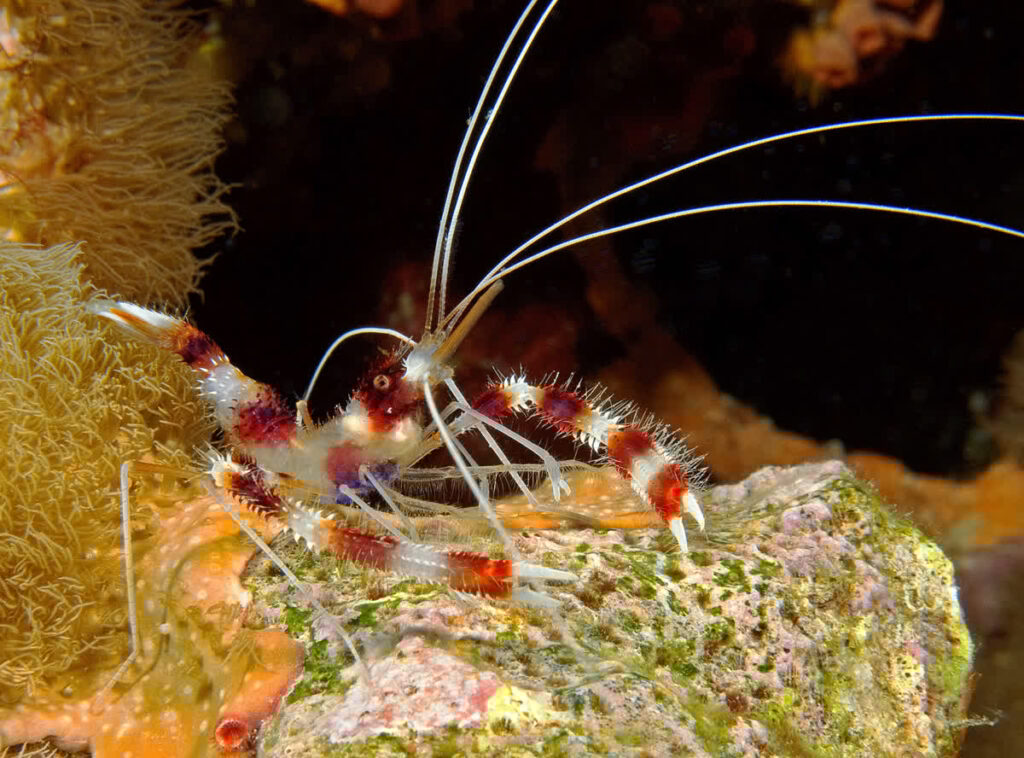
Credit: mote.org
Coral Banded Shrimp Basics
The Coral Banded Shrimp is a striking marine creature. Its unique colors and patterns catch the eye quickly. This shrimp is popular in saltwater aquariums.
Understanding its basics helps in caring for it properly. Below are key facts about its traits, habitat, and behavior.
Physical Traits
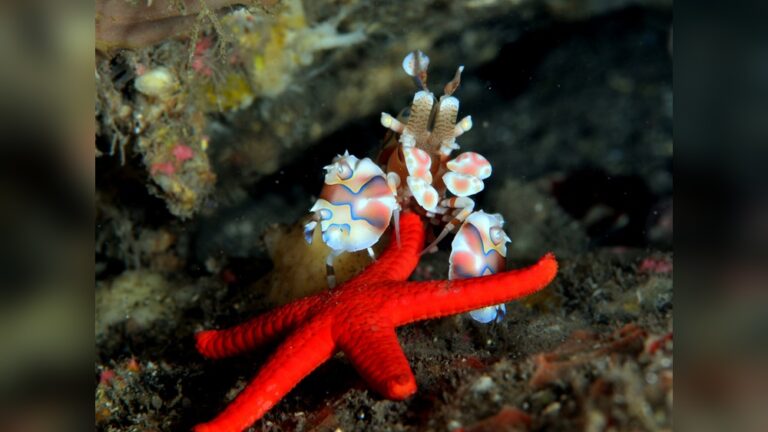
The Coral Banded Shrimp has long, white antennae. Its body shows red and white stripes. Its legs are thin and delicate. The claws are strong and used for cleaning. It grows about 2 inches long. This shrimp looks elegant and colorful.
Natural Habitat
This shrimp lives in warm ocean waters. It prefers coral reefs and rocky areas. Found mostly in the Indo-Pacific region. It hides in small crevices during the day. Nighttime is when it becomes active. The water around it is usually clear and salty.
Behavior Patterns
The Coral Banded Shrimp is known as a cleaner. It removes parasites from fish. It often lives in pairs or groups. The shrimp is shy but curious. It waves its antennae to communicate. It stays close to shelter for safety.
Tank Setup Tips
Setting up a tank for Coral Banded Shrimp requires attention to detail. These shrimp thrive in specific conditions that mimic their natural habitat. Proper setup helps them stay healthy and active.
Each step in the tank setup affects their wellbeing. This guide covers the key points to keep your shrimp happy and safe.
Ideal Aquarium Conditions
Coral Banded Shrimp prefer water temperatures between 72°F and 78°F. Keep the pH level stable, around 8.1 to 8.4. Salinity should be at 1.023 to 1.025 specific gravity. Provide good water flow and regular filtration. Use live rock for hiding spots and natural grazing areas. Maintain clean water by changing 10-20% weekly.
Compatible Tank Mates
Choose peaceful fish that do not harm shrimp. Small gobies, blennies, and clownfish are safe choices. Avoid large or aggressive species like lionfish or large wrasses. Other invertebrates like snails and hermit crabs usually get along well. Keep the shrimp in a tank with enough space to reduce stress. Crowding can cause fighting and injury.
Feeding Requirements
Coral Banded Shrimp eat small pieces of meaty food. Offer mysis shrimp, brine shrimp, or finely chopped seafood. Feed two to three times a week. They also clean detritus and leftover food in the tank. Avoid overfeeding to keep water quality high. Observe their eating habits to adjust the feeding amount.
Health And Care
The health and care of Coral Banded Shrimp are important for their well-being. Healthy shrimp live longer and stay active. Proper care helps avoid stress and diseases. Understanding their needs supports a thriving aquarium environment.
These shrimps need clean water and a stable habitat. Regular checks on water quality improve their health. Feeding them the right diet keeps them strong. Observing their behavior helps detect problems early.
Common Diseases
Coral Banded Shrimp can get shell infections. These infections cause discoloration and slow movement. Parasites may attach to their bodies and legs. Bacterial infections may cause lethargy and loss of appetite. Early detection is key to successful treatment.
Preventive Measures
Keep water clean by changing it often. Use a good filter to remove waste. Avoid overcrowding to reduce stress and disease risk. Provide hiding spots to make shrimp feel safe. Feed a balanced diet with fresh and frozen foods. Quarantine new shrimp before adding them to the tank.
Molting Process
Molting is when shrimp shed their old shell. It happens regularly as they grow. During molting, they are soft and vulnerable. Provide calcium and minerals for a strong new shell. Avoid handling shrimp during this time. Watch for molting problems like stuck shells or delays.
Breeding Insights
Breeding Coral Banded Shrimp can be challenging yet rewarding. These shrimps have specific needs to reproduce successfully. Understanding their breeding habits helps create the right environment. This section covers key points about breeding conditions, larvae development, and raising juveniles.
Breeding Conditions
Coral Banded Shrimp prefer stable water temperatures between 75°F and 82°F. Salinity should be consistent, around 1.023 to 1.025 specific gravity. They need plenty of hiding places and clean water. A peaceful tank with compatible tank mates reduces stress. Feeding them fresh, high-quality food supports reproduction.
Larvae Development
After hatching, larvae float in the water column. They need gentle water flow to stay suspended. Larvae feed on tiny plankton and microalgae. Lighting should mimic natural cycles to encourage growth. It takes several weeks for larvae to grow and settle on the tank bottom.
Raising Juveniles
Juvenile shrimps require small, frequent meals of protein-rich food. Provide fine particles they can easily eat. Keep water conditions stable and clean to avoid disease. Juveniles benefit from hiding spots to feel safe. Growth is slow but steady with proper care.
Role In Reef Ecosystems
The Coral Banded Shrimp plays an important role in reef ecosystems. This small creature helps keep the reef clean and healthy. Its actions support many other sea animals and plants. Understanding its role helps us appreciate how reefs work and stay alive.
Cleaning Behavior
The Coral Banded Shrimp acts as a cleaner on the reef. It removes parasites and dead skin from fish. Fish visit the shrimp for cleaning services. This behavior helps fish stay healthy and reduces disease. The shrimp gets food from this cleaning process.
Symbiotic Relationships
This shrimp forms close bonds with other reef animals. It lives near anemones for protection. The shrimp keeps the anemone free from harmful debris. Both shrimp and anemone benefit from this partnership. This relationship shows teamwork in nature.
Impact On Coral Health
The Coral Banded Shrimp helps corals by reducing harmful organisms. It cleans coral surfaces, preventing algae build-up. This cleaning supports coral growth and strength. Healthy corals create homes for many marine creatures. The shrimp’s role is vital for reef survival.
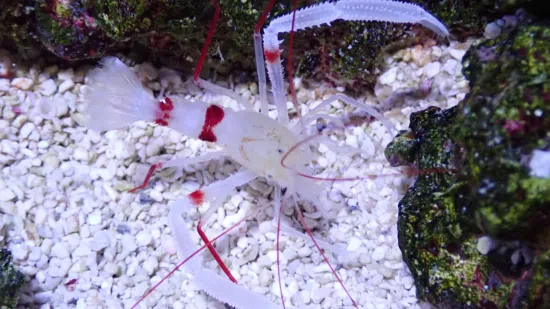
Credit: www.saltwaterfish.com
:strip_icc()/boxer-shrimp-516544953-5c46717b4cedfd0001aab749.jpg)
Credit: www.thesprucepets.com
How Smart Pets Lover Can Help You with Coral Banded Shrimp
Hands-On Learning with Coral Banded Shrimp
Understanding Coral Banded Shrimp goes beyond just knowing their basics or tank setup tips. It offers a wonderful chance to observe the delicate balance of reef ecosystems right in your home. Watching these shrimp interact highlights their vital role in cleaning and maintaining coral health, which can spark curiosity about marine biology and responsible pet care.
Practical learning also happens through caring for their unique health needs and exploring breeding insights. These experiences teach patience, attention to detail, and the importance of creating the right environment for aquatic life to thrive. As a pet parent, embracing these lessons aligns perfectly with the passion we share at Smart Pets Lover—helping you feel confident and connected to every living creature in your care.
- Observe shrimp behavior to understand reef dynamics
- Apply tank setup knowledge to create a stable habitat
- Monitor health signals for proactive care
If you ever want to dive deeper or share your experiences, Smart Pets Lover is a welcoming space where every question or story about your aquatic friends is valued. After all, where every wag, purr, and chirp tells a story, your coral banded shrimp has one too—ready to teach and inspire.
For more personalized advice, feel free to reach out via our website’s contact page.
Frequently Asked Questions
What Is A Coral Banded Shrimp?
A Coral Banded Shrimp is a colorful marine crustacean. It has distinctive red and white bands. It is popular in saltwater aquariums for its beauty and cleaning behavior.
How Do Coral Banded Shrimps Clean Fish?
They use their claws to remove parasites and dead skin. This symbiotic behavior benefits both shrimp and fish. It helps maintain a healthy reef environment.
What Tank Conditions Suit Coral Banded Shrimps?
They thrive in well-established saltwater tanks. Ideal conditions include stable water parameters and hiding spots. They prefer temperatures between 72-78°F and moderate water flow.
Are Coral Banded Shrimps Aggressive To Other Tank Mates?
Generally, they are peaceful but can be territorial. They may fight with similar shrimps or small invertebrates. Proper tank space and hiding places reduce aggression.
Conclusion
Coral Banded Shrimp add beauty and life to any saltwater tank. They help keep the aquarium clean by eating pests. These shrimp are peaceful and can live with many fish. They need a safe place to hide and clean water.
Feeding them well helps them stay healthy and active. Watching their bright colors and movements is a joy. Choose Coral Banded Shrimp to bring color and balance to your reef. They are simple to care for and fun to watch.