Common Goldfish
If you’ve ever thought about adding a splash of life and color to your home, a Common Goldfish might be just what you need. These little swimmers are not only beautiful but also surprisingly easy to care for.
Whether you’re a first-time fish owner or looking to learn more about these popular pets, understanding their needs can help you keep them healthy and happy. Keep reading, and you’ll discover simple tips that can make a big difference for your goldfish and your enjoyment.
Credit: aquariumscience.org
Types Of Common Goldfish
Common goldfish come in several popular types. Each type has unique colors and shapes. These goldfish are easy to care for and great for beginners. Understanding the differences helps you choose the best type for your tank.
Here are three main types of common goldfish you will find in pet stores and ponds.
Comet Goldfish
The Comet goldfish has a long, slender body. Its tail is long and flowing, like a comet’s tail. This goldfish is very active and swims quickly. Comets come in orange, red, white, and mixed colors. They grow up to 12 inches long. Comets do well in large tanks or outdoor ponds.
Shubunkin Goldfish
Shubunkins are colorful with a unique calico pattern. They have spots of blue, red, orange, and black. Their bodies are similar to the Comet, but their colors stand out. Shubunkins have a single tail fin that is long and flowing. These goldfish are hardy and adapt well to different water conditions. They can grow up to 10 inches long.
Fantail Goldfish
The Fantail goldfish has a rounded body shape. Its tail is split and fan-shaped, creating a beautiful display. Fantails move slower than Comets and Shubunkins. They come in colors like red, orange, white, and black. Fantails prefer calm water and smaller tanks. They usually grow to about 6 to 8 inches long.
Physical Features
Common goldfish have distinct physical features that make them easy to recognize. These features include their body shape, color, and fins. Each aspect helps to identify and appreciate this popular fish.
Body Shape And Size
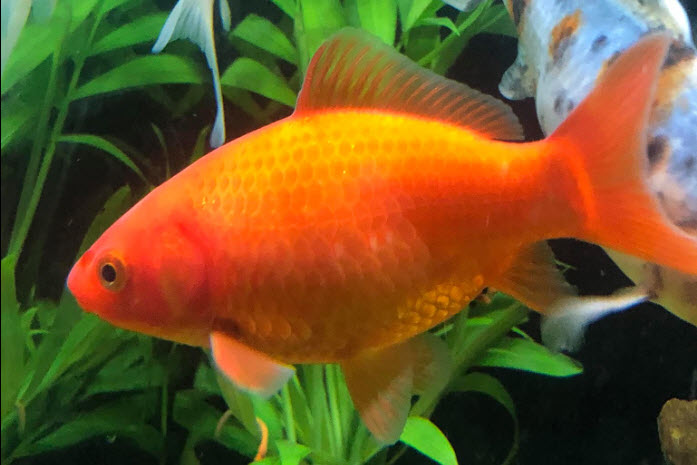
The body of a common goldfish is long and slender. It has a smooth, streamlined shape that helps it swim quickly. Adults usually grow to about 6 to 8 inches long. Some can reach up to 12 inches in large ponds or tanks.
Color Variations
Common goldfish come in many colors. The most usual colors are orange, red, and gold. Some goldfish have white, black, or yellow patches. Their colors can change slightly as they grow older.
Fins And Tail Types
Common goldfish have simple fins and tails. Their dorsal fin is long and stands upright. The tail fin is forked and helps with fast swimming. Their fins are usually clear or match their body color.
Habitat Needs
Common goldfish need a comfortable and clean home to thrive. Their habitat affects their health and happiness. Setting up the right environment is very important for these fish.
Understanding their habitat needs helps keep goldfish active and healthy. Proper care starts with knowing what they require.
Tank Size And Setup
Common goldfish grow quite large and need ample space. A tank of at least 20 gallons is best for one goldfish. Bigger tanks help maintain water quality and give room to swim.
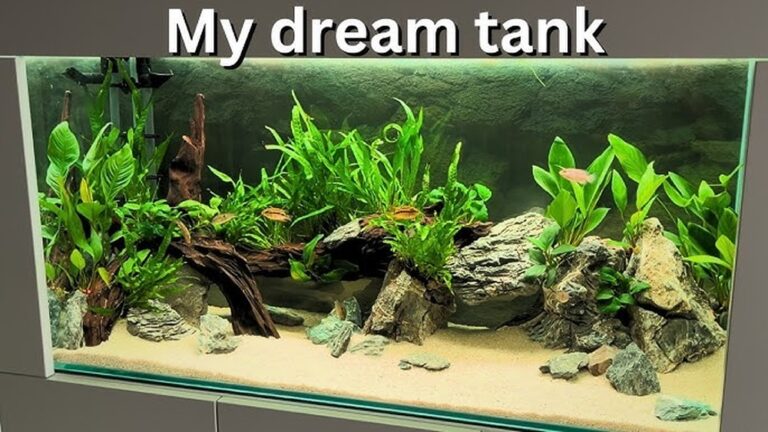
Use smooth gravel or sand as the tank bottom. Add live or artificial plants for hiding spots. Avoid sharp decorations that can hurt their fins.
Water Quality Requirements
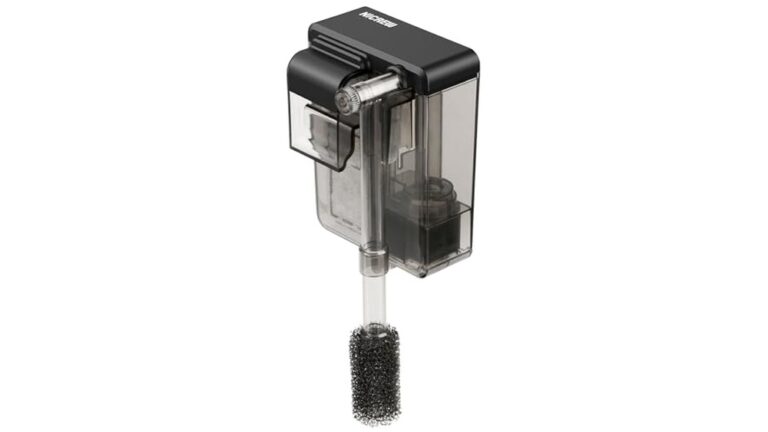
Goldfish produce a lot of waste. Clean water is crucial to prevent illness. Use a strong filter designed for goldfish tanks.
Test water regularly for ammonia, nitrites, and nitrates. Perform partial water changes weekly to keep water fresh. Keep pH between 7.0 and 8.4 for best health.
Temperature And Lighting
Common goldfish are cold-water fish but tolerate a range. Keep water temperature between 65°F and 75°F. Avoid sudden temperature changes that stress fish.
Use a natural day-night light cycle. Provide 10 to 12 hours of light daily. Too much light may cause algae growth and stress fish.
Diet And Feeding
Feeding common goldfish properly is key to keeping them healthy and happy. Their diet affects their growth, color, and energy. Understanding what foods suit them best helps avoid health problems. Proper feeding also prevents water pollution in their tank or pond.
Best Foods For Goldfish
Goldfish eat a mix of plant and animal foods. High-quality flakes or pellets designed for goldfish work well. These provide balanced nutrition and float or sink slowly for easy eating.
Vegetables like peas, lettuce, and spinach offer fiber and vitamins. Blanched peas help clear their digestive system. Live or frozen foods such as bloodworms and brine shrimp add protein and stimulate natural hunting behavior.
Feeding Frequency
Feed goldfish small amounts two to three times daily. Small meals reduce waste and improve digestion. Watch them eat within two minutes to avoid leftovers. Young fish may need more frequent feedings, up to four times a day.
Avoiding Overfeeding
Overfeeding causes health issues and pollutes water. Excess food decays and raises harmful toxins. Feed only what goldfish can finish quickly. Remove uneaten food after feeding. Observe your fish’s body shape to check for overeating.
Health Issues
Common Goldfish are hardy but not immune to health problems. Their environment and care affect their well-being greatly. Knowing about health issues helps keep goldfish healthy and happy.
Common Diseases
Goldfish can get many diseases. Ich is a parasite that causes white spots on their body. Fin rot makes fins look ragged and torn. Dropsy causes swelling and raised scales. Swim bladder disorder makes swimming hard or unbalanced. Bacterial infections can affect skin and gills. These diseases need quick attention to avoid harm.
Signs Of Illness
Look for signs that show your goldfish may be sick. Slow swimming or hiding often is a warning. Gasping at the water surface means low oxygen or illness. Clamped fins that stay close to the body are a sign. Loss of appetite shows something is wrong. White spots or red streaks on skin need care. Swollen belly or bulging eyes also warn of sickness.
Preventive Care
Preventing disease starts with clean water. Change water regularly to remove waste. Use a good filter to keep water clear. Avoid overfeeding to reduce pollution. Keep goldfish in a tank with enough space. Quarantine new fish before adding them to the tank. Watch fish daily to catch problems early. A healthy fish is easier to care for and enjoy.

Credit: en.wikipedia.org
Breeding Basics
Breeding common goldfish can be a rewarding experience. Understanding the basics helps ensure success. This section covers key steps from spawning to raising young fish. Clear guidance makes the process easier for beginners.
Spawning Conditions
Goldfish need specific conditions to spawn. The water temperature should be around 68-74°F (20-23°C). Use a separate breeding tank to protect eggs and fry. Provide plenty of plants or spawning mops for egg attachment. Increase feeding with protein-rich foods to prepare adults for breeding.
Egg Care
After spawning, remove adult goldfish to prevent egg eating. Keep the water clean and well-oxygenated. Avoid strong water flow that can damage eggs. Eggs usually hatch in 4 to 7 days. Watch for fungus and treat with aquarium-safe antifungal if needed.
Raising Fry
Feed fry very small foods like infusoria or specially made fry food. Increase food size as they grow. Change water regularly to maintain quality. Separate fry by size to avoid bullying. Provide gentle light and stable temperature for healthy growth.
Behavior And Interaction
Common Goldfish show interesting behavior and interaction. They are lively and curious fish. Understanding how they behave helps keep them happy and healthy. Their social habits, tank mates, and daily activity all play a role in their well-being.
Social Behavior
Common Goldfish enjoy company. They often swim together in groups. This social nature helps reduce stress. Alone, they may become shy or inactive. Watching them interact can be fun. They sometimes follow each other or swim side by side.
Compatibility With Other Fish
Common Goldfish get along with many peaceful fish. Avoid aggressive or very small species. Small fish might get hurt or stressed. Keep tank mates with similar water needs. Other goldfish or koi are good choices. Always watch for any signs of fighting.
Activity Patterns
Common Goldfish are active during the day. They explore their tank and search for food. At night, they rest quietly near the bottom. They like swimming in open spaces. Giving them plenty of room helps their movement. Keep a regular feeding schedule for best results.

Credit: www.seahorseaquariums.com
How Smart Pets Lover Can Help You with Common Goldfish
Discovering More Through Your Common Goldfish Journey
Welcoming a Common Goldfish into your home is more than just adding a pet—it’s an opportunity to deepen your understanding of aquatic life. Observing their unique behavior and interaction, for example, reveals how these fish communicate and adapt, enriching your connection with them. Paying close attention to their habitat needs and diet not only ensures their well-being but also teaches valuable lessons in responsible pet care.
At Smart Pets Lover, we believe every pet parent deserves to feel confident and informed. Exploring the health issues common to goldfish encourages proactive care, turning challenges into learning moments that strengthen your bond. If questions arise or you want to share your experiences, connecting with fellow enthusiasts and experts can be incredibly rewarding.
- Keep a journal of your goldfish’s behavior and feeding habits.
- Experiment with safe habitat adjustments to see what they prefer.
- Reach out to trusted pet communities or contact Smart Pets Lover for advice.
Remember, each wag, purr, and even fin flick tells a story—embracing these stories helps us become better, more loving pet parents.
Frequently Asked Questions
What Are Common Goldfish Characteristics?
Common goldfish have a streamlined body, bright orange color, and can grow up to 12 inches. They are hardy and easy to care for, making them ideal for beginners.
How Long Do Common Goldfish Live?
Common goldfish typically live 10 to 15 years with proper care. Some can live over 20 years in optimal conditions.
What Is The Ideal Tank Size For Common Goldfish?
A minimum 20-gallon tank is recommended for one common goldfish. Larger tanks support better health and growth.
What Do Common Goldfish Eat?
Common goldfish eat flakes, pellets, vegetables, and live foods like brine shrimp. A varied diet promotes good health.
Conclusion
Common goldfish make great pets for beginners and experts alike. They are easy to care for and add beauty to any space. Remember to feed them properly and keep their tank clean. Watching their bright colors and lively movements brings joy every day.
Take time to learn about their needs and enjoy their company. Simple care leads to happy, healthy goldfish. A little effort goes a long way in fishkeeping. Enjoy the peaceful presence of your goldfish at home.