Clown Pleco
Are you looking to add a unique and fascinating fish to your aquarium? The Clown Pleco might be just what you need.
This little fish is not only striking with its bold patterns but also easy to care for. If you want a pet that stands out and brings life to your tank, learning about the Clown Pleco is a smart move.
Keep reading to discover why this fish could be the perfect addition to your underwater world.
Clown Pleco Basics
The Clown Pleco is a popular freshwater fish among aquarium lovers. It is small but has a striking look that makes it stand out. Understanding its basics helps in keeping this fish happy and healthy.
This section covers the key facts about the Clown Pleco. Learn about its physical features, where it lives, and its behavior traits.
Physical Features
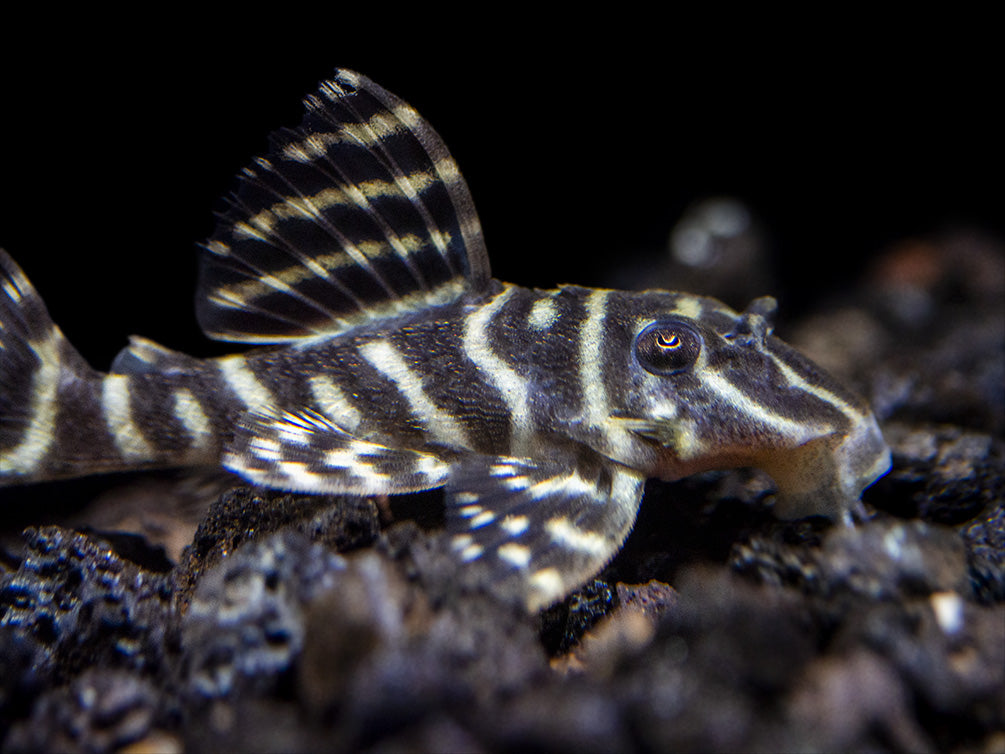
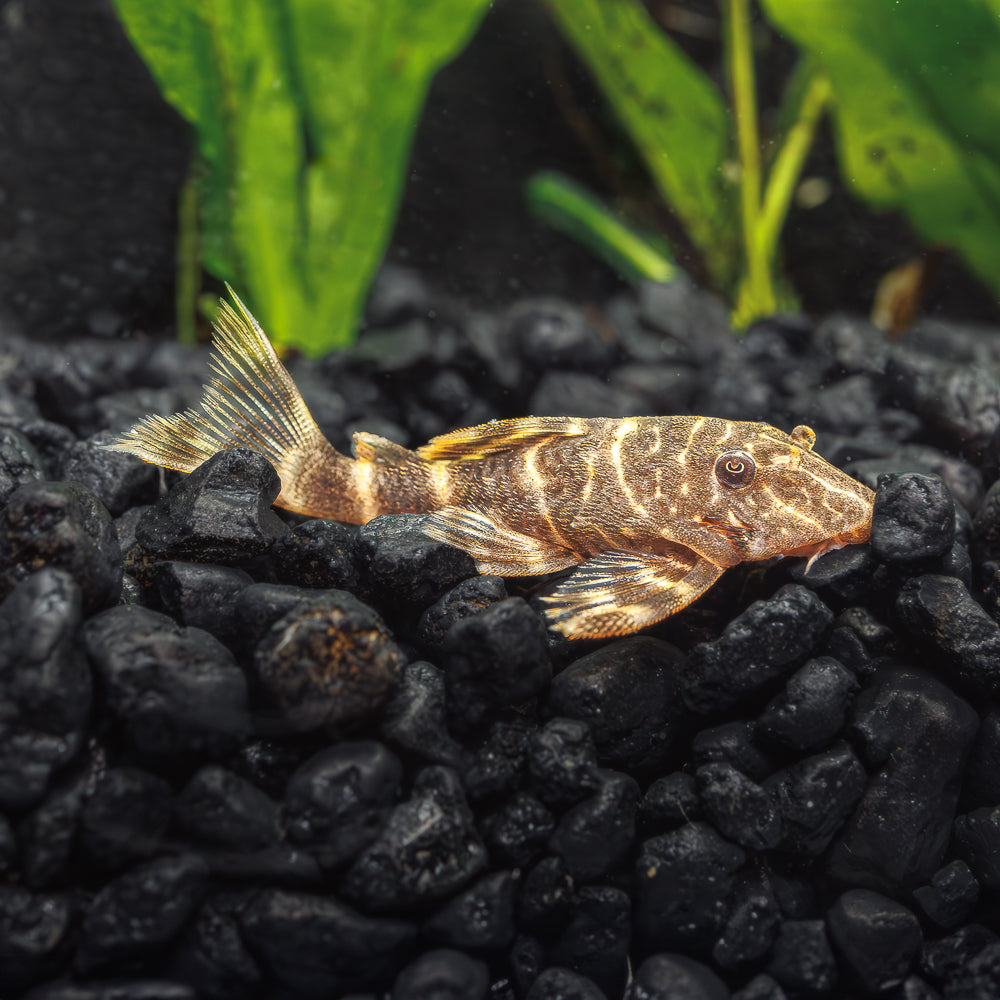
The Clown Pleco is small, usually growing up to 3.5 inches. Its body is flat and wide, perfect for sticking to surfaces. The fish has bold black and white stripes, like a clown’s face paint. It has strong teeth used for scraping algae off rocks and glass.
Natural Habitat
This fish lives in slow-moving rivers in South America. It prefers warm water with plenty of hiding spots. Logs, rocks, and plants are common in its home. The water is usually soft and slightly acidic. This environment keeps the Clown Pleco safe and comfortable.
Behavior Traits
The Clown Pleco is shy and peaceful. It spends most of its time hiding during the day. It becomes active at night, searching for food. This fish is great for community tanks because it does not bother other fish. It likes to cling to surfaces using its mouth suction.
Credit: aquaticarts.com
Tank Setup
Setting up the right tank for your Clown Pleco is key to its health and happiness. This fish needs a calm environment with specific conditions. A proper tank setup helps the Clown Pleco thrive and show its best colors.
Below are important points to keep in mind for the tank setup.
Tank Size And Shape
The Clown Pleco grows up to about 4 inches long. A tank of at least 20 gallons is ideal. Longer tanks are better than tall ones. They provide more swimming space. A rectangular tank helps mimic the fish’s natural habitat. It also allows more hiding spots along the bottom.
Water Parameters
Clown Plecos prefer clean, well-oxygenated water. Keep the temperature between 73°F and 82°F (23°C to 28°C). The pH should stay from 6.5 to 7.5. Soft to moderately hard water suits them best. Regular water changes keep the tank healthy. Avoid sudden changes in water conditions to reduce stress.
Decor And Substrate
Use smooth gravel or sand as substrate. It protects the fish’s delicate barbels. Add driftwood and caves for hiding and grazing. Clown Plecos love to scrape algae off wood. Plants can be added but choose sturdy types. Avoid sharp decorations that can harm the fish. These elements create a natural, safe environment for the Clown Pleco.
Feeding Clown Plecos
Feeding Clown Plecos is a key part of keeping them healthy and active. These small fish need a special diet to thrive. Knowing what and how often to feed them helps maintain their bright colors and energy.
Clown Plecos are not picky but need variety. They enjoy a mix of plant-based foods and protein. Feeding them the right way supports their digestion and growth.
Diet Needs
Clown Plecos need a balanced diet. They eat algae, vegetables, and protein foods. Algae wafers are a good base. Vegetables like zucchini and cucumber keep them strong. Occasional protein treats help with growth and health.
Feeding Schedule
Feed Clown Plecos once or twice daily. Small portions work best. Overfeeding can harm water quality and fish health. Remove leftover food after a few hours. This keeps the tank clean and safe.
Favorite Foods
Clown Plecos love algae wafers most. They also enjoy blanched vegetables like spinach and peas. Occasionally, offer bloodworms or brine shrimp. These treats add protein to their diet. Fresh foods keep them happy and healthy.
Health And Care
Clown Plecos are hardy fish but need proper care to stay healthy. Their health depends on water quality, diet, and tank conditions. Knowing how to spot problems early helps keep your fish safe and happy.
Common Illnesses
Clown Plecos can get fin rot, ich, and fungal infections. These diseases often come from dirty water or stress. Treat infections quickly with proper medication. Regular water changes reduce illness risks.
Preventive Measures
Keep the tank clean with frequent water changes. Use a filter to maintain water quality. Feed a balanced diet with sinking algae wafers and vegetables. Avoid overcrowding to reduce stress and disease.
Signs Of Stress
Look for faded colors, hiding, or slow movements. Loss of appetite or unusual breathing also signals stress. Stress weakens immunity and invites illnesses. Act fast by checking water and tank conditions.
Breeding Tips
Breeding Clown Plecos can be rewarding but requires care and patience. Understanding their needs helps increase success. This section covers key tips for breeding these unique fish.
Breeding Conditions
Maintain water temperature between 78°F and 82°F. Keep pH near 6.5 to 7.0 for best results. Provide plenty of hiding spots using caves or tubes. Ensure good water flow and high oxygen levels. Feed a varied diet with fresh vegetables and protein.
Egg Care
Clown Pleco eggs stick inside caves or tubes. Remove adults after spawning to protect eggs. Keep water clean and stable to avoid fungus. Use gentle aeration to increase oxygen. Eggs hatch in about 7 to 10 days.
Raising Fry
Feed fry tiny foods like baby brine shrimp or crushed flakes. Change water often to keep it clean. Provide small hiding places for safety. Fry grow slowly, so be patient. Watch for signs of stress or illness.
Credit: flipaquatics.com
Tank Mates
The Clown Pleco is a peaceful fish that fits well in many community tanks. Choosing the right tank mates helps keep your aquarium calm and healthy. Some fish get along well with the Clown Pleco. Others might cause stress or harm. Understanding which species are compatible is important for a happy tank.
Compatible Species
Small, peaceful fish are the best companions for the Clown Pleco. Tetras, rasboras, and guppies usually do well together. Corydoras catfish also share space nicely. These fish do not compete for food or territory. They enjoy similar water conditions and stay calm.
Aggressive Species To Avoid
Avoid large or aggressive fish that might harm the Clown Pleco. Cichlids and large barbs can be too rough. They may chase or nip at the pleco. Aggressive species can stress the pleco and cause injury. Keep your Clown Pleco safe by avoiding these fish.
Community Tank Tips
Provide plenty of hiding spots with plants and decorations. Clown Plecos like places to rest and hide. Feed food that sinks to the bottom to avoid competition. Monitor fish behavior to spot any signs of stress early. Keep water clean and stable for all tank mates.

Credit: dansfish.com
How Smart Pets Lover Can Help You with Clown Pleco
Discovering Practical Learning Through Caring for Your Clown Pleco
Welcoming a Clown Pleco into your aquarium isn’t just about adding a splash of personality—it’s a chance to deepen your understanding of aquatic life and responsible pet care. As you set up the ideal tank environment, you’ll naturally learn about water parameters and habitat needs, reinforcing the basics of tank setup that ensure your Pleco thrives. Feeding routines introduce you to the importance of a balanced diet, as you explore the variety of foods these unique fish prefer.
Watching your Clown Pleco interact with tank mates offers valuable insights into compatible species and community dynamics, enhancing your knowledge about aquatic ecosystems. This hands-on experience aligns perfectly with what we cherish at Smart Pets Lover—helping pet parents feel confident and connected through informed care.
- Keep a journal of your Pleco’s behavior and health changes to track progress.
- Experiment with different natural foods to observe preferences and nutritional benefits.
- Engage with online forums or local experts to exchange tips and insights.
Remember, nurturing your Clown Pleco is a journey filled with learning moments. For more personalized advice, feel free to reach out to knowledgeable communities or contact Smart Pets Lover’s support channels, where every question is met with genuine care and expertise.
Frequently Asked Questions
What Is A Clown Pleco Fish?
The Clown Pleco is a small freshwater catfish known for its striking black and white stripes. It is popular among aquarium enthusiasts for its peaceful nature and algae-eating habits. This species typically grows up to 3. 5 inches and thrives in well-maintained tanks.
How To Care For A Clown Pleco?
Clown Plecos need clean, well-oxygenated water with stable temperatures between 74-80°F. Provide hiding spots using driftwood and caves. Feed them algae wafers, vegetables, and occasional protein. Regular water changes and tank maintenance help keep them healthy and stress-free.
What Do Clown Plecos Eat In Captivity?
Clown Plecos primarily eat algae but also require a varied diet. Include algae wafers, blanched vegetables like zucchini or cucumber, and protein-rich foods like bloodworms. This diet ensures proper nutrition and supports their natural cleaning behavior in aquariums.
Are Clown Plecos Peaceful With Other Fish?
Yes, Clown Plecos are generally peaceful and shy. They coexist well with other small, non-aggressive fish. Avoid housing them with large or aggressive species to prevent stress and ensure a harmonious tank environment.
Conclusion
Clown Plecos are great fish for many aquariums. They stay small and have bright colors. These fish help keep tanks clean by eating algae. They need a tank with hiding spots and clean water. Feeding them a varied diet keeps them healthy.
They get along well with other peaceful fish. Caring for Clown Plecos is simple and rewarding. They add life and beauty to your aquarium. A happy Clown Pleco means a happy tank. Consider adding one to your fish family.