Clown Loach
If you’re looking to add a splash of color and lively personality to your aquarium, the Clown Loach might be just what you need. With its bright orange and black stripes, this fish stands out instantly and brings energy to any tank.
But there’s more to the Clown Loach than just looks—it has unique behaviors and care needs that can surprise even experienced fish keepers. Keep reading to discover everything you should know to keep your Clown Loach happy and healthy, and make your aquarium truly come alive.
Clown Loach Basics
The Clown Loach is a popular freshwater fish known for its bright colors and playful nature. It adds life and movement to home aquariums. Understanding its basics helps keep it healthy and happy.
This fish is peaceful and loves to live in groups. It needs proper care and the right environment to thrive. Learning about its appearance and natural habitat is the first step.
Appearance And Size
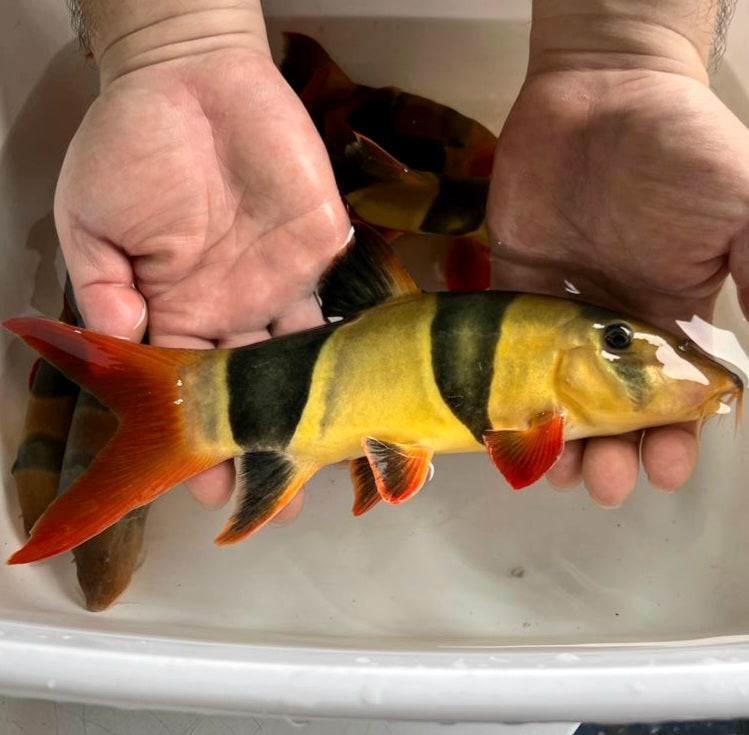
The Clown Loach has a striking look with orange and black stripes. Its body is long and slightly flat. This fish grows up to 12 inches in length. The bright colors make it stand out in any tank. Its fins are also colorful and help it swim gracefully.
Natural Habitat
Clown Loaches come from rivers and streams in Southeast Asia. They prefer slow-moving water with soft sand or mud at the bottom. These fish hide in plants and rocks to feel safe. The water is usually warm and clean. Mimicking this habitat in an aquarium helps them stay healthy.

Credit: www.aquariumcoop.com
Tank Setup
Setting up the perfect tank for your Clown Loach is essential for its health and happiness. These fish need a comfortable space that mimics their natural habitat. Proper tank setup helps reduce stress and encourages natural behavior.
Let’s explore the key points to prepare a great home for your Clown Loach.
Tank Size Requirements
Clown Loaches grow quite large, so space matters. A tank should be at least 55 gallons for a small group. They like to swim in groups of five or more. More space means better swimming room and less stress. Bigger tanks also help maintain water quality easily.
Water Conditions
Clown Loaches prefer warm water between 77 and 86°F (25-30°C). The pH level should stay between 6.0 and 7.5. Soft to moderately hard water is best. Keep the water clean with regular changes. Use a good filter to keep the tank stable and healthy.
Substrate And Decorations
Soft sand or smooth gravel works well as substrate. Clown Loaches like to dig and search for food. Avoid sharp or rough materials that can hurt their skin. Include hiding places like caves and driftwood. Plants also provide shelter and create a natural feel.
Feeding Clown Loaches
Feeding clown loaches is a key part of keeping them healthy and happy. These colorful fish enjoy a varied diet that meets their nutritional needs. Understanding what and how to feed them helps maintain their vibrant colors and active behavior.
Clown loaches are bottom feeders. They like foods that sink quickly. This makes feeding time interesting to watch. Proper feeding also prevents leftover food from polluting the tank.
Diet Preferences
Clown loaches eat both plant and animal matter. They prefer sinking pellets made for bottom feeders. Live foods like bloodworms and brine shrimp excite them. Vegetables such as zucchini and cucumber are good too. A mix of these foods keeps them balanced and strong.
Feeding Schedule
Feed clown loaches two times a day. Offer small amounts they can eat in five minutes. Overfeeding can cause water problems and health issues. Remove uneaten food to keep the tank clean. Regular feeding builds trust and helps monitor their health.
Behavior And Social Needs
Clown Loaches are lively and social fish that thrive in groups. Their behavior shows strong social bonds and active interaction. Understanding their social needs helps keep them healthy and happy in your aquarium.
Schooling Behavior
Clown Loaches feel safe in groups of five or more. They swim together in tight schools, often side by side. Schooling reduces stress and makes them more confident. Alone, they may hide or stay still for long periods. Group living encourages playful chasing and exploring. Watching a school of Clown Loaches is always lively and fun.
Compatibility With Other Fish
These fish get along well with many peaceful species. They avoid aggressive or very small fish that may stress them. Clown Loaches prefer calm tank mates like tetras or gouramis. They share space without fighting or bullying. Their gentle nature helps create a peaceful community tank. Avoid keeping them with large, aggressive fish that may harm them.
Health And Common Issues
Clown Loaches are vibrant and active fish that bring life to any aquarium. Keeping them healthy requires attention to their needs and spotting problems early. Understanding common health issues helps in providing the best care for these popular fish.
Signs Of Illness
Watch for changes in behavior. Clown Loaches that hide more or stop eating may be sick. Look for physical signs like white spots, red sores, or frayed fins. Gasping at the water surface or rapid breathing also shows stress. Swollen bellies or lumps can mean internal issues. Early detection is key to treating illness quickly and effectively.
Preventive Care
Keep the tank clean and stable. Regular water changes and proper filtration reduce harmful bacteria. Feed a balanced diet to support their immune system. Avoid overcrowding to lower stress and disease risk. Quarantine new fish before adding them to the tank. Monitor water temperature and parameters suited for Clown Loaches. Healthy fish need a stable and safe environment to thrive.
Credit: www.predatoryfins.com
Breeding Clown Loaches
Breeding Clown Loaches is a challenge many hobbyists enjoy. These colorful fish have unique needs for spawning. Understanding their breeding habits helps in creating a good environment. Patience and care are key to success.
Setting the right conditions and caring for the young fry ensures healthy growth. The process takes time but is rewarding for dedicated keepers.
Breeding Conditions
Clown Loaches need soft, slightly acidic water to breed. The temperature should be between 78°F and 84°F. A large tank with hiding places helps reduce stress. Provide smooth stones or flat surfaces for egg laying. Simulate rainy season by doing frequent water changes. This triggers spawning behavior naturally. Keep the tank dim to mimic their natural habitat. Avoid strong water currents during breeding time.
Raising Fry
Clown Loach fry are tiny and delicate after hatching. Feed them infusoria or liquid fry food at first. Gradually offer finely crushed flakes or baby brine shrimp. Keep the water very clean with gentle filtration. Frequent small water changes help maintain quality. Provide low light and plenty of hiding spots for safety. Avoid adding larger fish that may eat the fry. Growth is slow, but steady care leads to healthy adults.

Credit: eshalabs.com
How Smart Pets Lover Can Help You with Clown Loach
Turning Clown Loach Care into a Learning Experience
Understanding the fascinating world of Clown Loaches offers more than just pet care tips—it opens doors to practical learning about aquatic ecosystems, social behavior, and responsible pet ownership. Observing their social needs, for example, teaches us the importance of community and interaction, as these playful fish thrive best in groups. Setting up the right tank environment not only ensures their health but also encourages us to appreciate water chemistry and habitat design.
Feeding Clown Loaches provides a chance to explore nutritional science and develop routines that balance variety and health. At Smart Pets Lover, we believe every moment with your pet is an opportunity to grow your knowledge and deepen your bond. If you ever want to dive deeper into any topic—whether it’s tank setup or common health issues—feel free to reach out to our team. We’re here to support your journey toward confident, caring pet parenting.
Frequently Asked Questions
What Is The Ideal Tank Size For A Clown Loach?
A minimum 30-gallon tank is ideal for Clown Loaches. They need ample space to swim and hide. Larger tanks support their social behavior and growth.
How Long Do Clown Loaches Typically Live?
Clown Loaches usually live 10 to 15 years in captivity. Proper care, diet, and tank conditions can extend their lifespan.
Are Clown Loaches Peaceful Community Fish?
Yes, Clown Loaches are peaceful and social fish. They thrive in groups and get along well with other non-aggressive species.
What Do Clown Loaches Eat In Aquariums?
Clown Loaches are omnivores, eating pellets, flakes, live and frozen foods. They enjoy vegetables like cucumber and zucchini as well.
Conclusion
Clown Loaches bring color and life to any aquarium. They enjoy living in groups and need space to swim. Feeding them a varied diet helps keep them healthy and happy. These fish show unique behaviors that make watching them fun.
Caring for Clown Loaches is simple with the right tank setup. They can live for many years with good care. Adding Clown Loaches can brighten your fish tank easily. Consider their needs before making them part of your home.