Chinese Algae Eater: Ultimate Guide to Care and Tank Tips
If you’ve ever struggled to keep your aquarium clean, the Chinese Algae Eater might be the perfect helper you didn’t know you needed. This little fish is famous for its natural ability to fight algae and keep your tank sparkling.
But there’s more to it than just cleaning—understanding how to care for this unique creature can make a big difference in your aquarium’s health. Keep reading to discover what makes the Chinese Algae Eater special and how it can transform your fish tank experience.
Species Profile
The Chinese Algae Eater is a popular fish among aquarium lovers. It helps keep tanks clean by eating algae. Understanding its species profile helps in caring for it properly. This section covers its looks, home, and behavior.
Physical Characteristics
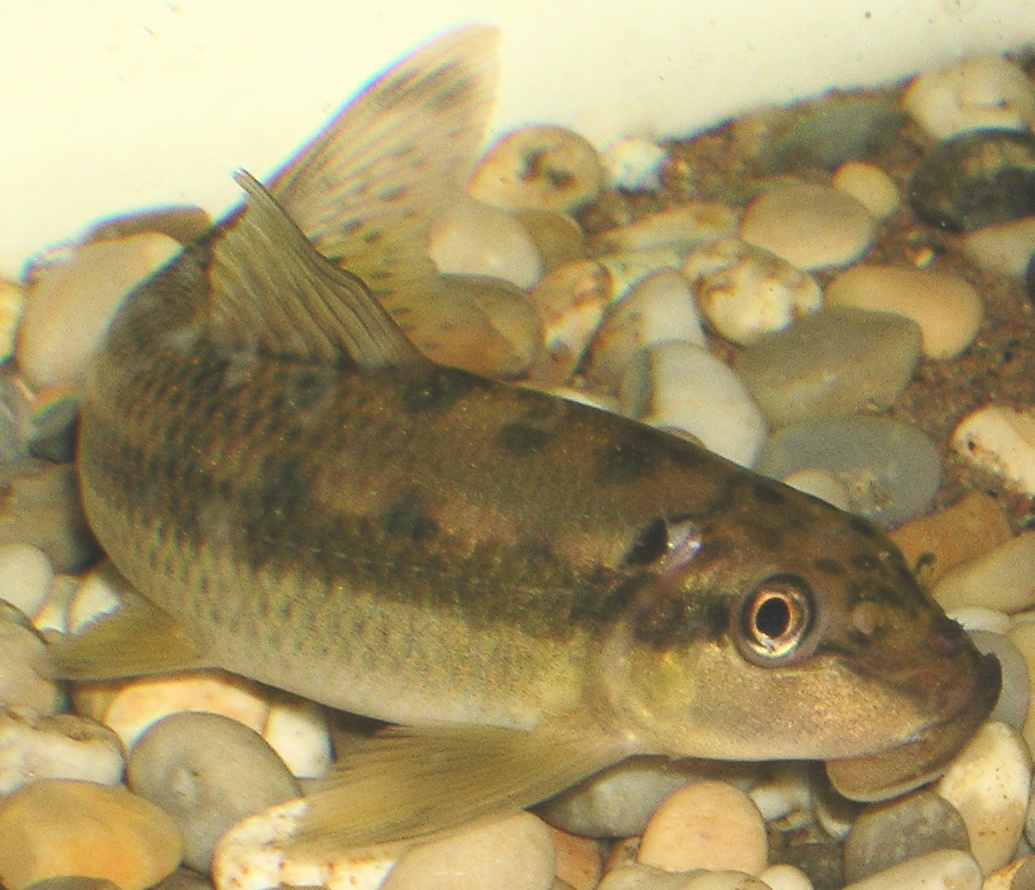
The Chinese Algae Eater has a slim, long body. It usually grows up to 10 inches. Its color is pale with dark stripes along the body. The mouth is shaped like a sucker to scrape algae. It has strong fins that help it swim quickly.
Natural Habitat
This fish lives in fast-moving rivers and streams. It prefers warm water with plenty of plants. It hides among rocks and plants to avoid predators. The water is usually clear and well-oxygenated. These conditions are best to mimic in an aquarium.
Behavior And Temperament
The Chinese Algae Eater is active and spends time cleaning surfaces. It can be peaceful with other fish but may show aggression as it grows. It likes to explore and hide in caves or plants. Feeding it algae and vegetables keeps it healthy and happy.

Credit: www.aquariumsource.com
Tank Setup
Setting up a tank for a Chinese Algae Eater needs careful planning. This fish has specific needs to stay healthy and active. A good environment will help it thrive and control algae in the tank.
Choosing the right tank size, water conditions, and decorations matters a lot. These factors create a comfortable home for your fish.
Tank Size Requirements
A Chinese Algae Eater needs at least a 30-gallon tank. This size gives enough space for swimming and hiding. Bigger tanks are better if you want more fish or plants. Crowded tanks cause stress and health problems for the fish.
Water Parameters
Keep the water temperature between 72 and 79°F (22-26°C). The pH should be neutral, around 6.5 to 7.5. Soft to medium hardness is ideal. Regular water changes keep the tank clean and safe. Stable water conditions prevent illness and stress.
Substrate And Decorations
Use smooth gravel or sand as substrate to protect the fish’s belly. Add rocks and driftwood for hiding spots. Plants provide cover and improve water quality. Avoid sharp decorations that can injure the fish. A natural setup keeps the fish happy and healthy.
Diet And Feeding
The diet and feeding habits of the Chinese Algae Eater play a key role in their health and behavior. These fish are popular in home aquariums because they help control algae growth. Understanding what they eat and how often to feed them ensures they stay active and healthy.
Preferred Foods
Chinese Algae Eaters mainly eat algae. They enjoy soft algae growing on aquarium surfaces. Besides algae, they accept vegetables like cucumber and zucchini slices. Small amounts of sinking pellets or flakes also work well. Live or frozen foods such as bloodworms or brine shrimp add variety.
Feeding Frequency
Feed Chinese Algae Eaters once or twice daily. Provide only as much food as they can eat in a few minutes. Overfeeding can pollute the tank and harm the fish. Young fish may need more frequent feedings. Watch their behavior to adjust feeding times.
Supplements And Treats
Occasional treats help keep their diet balanced. Use blanched vegetables like spinach or peas. Calcium-rich foods support their health. Avoid fatty or processed foods that cause health issues. Treats should not replace their main diet.
Tank Mates
The Chinese Algae Eater is a popular fish for freshwater tanks. Choosing the right tank mates helps keep the tank peaceful. Some fish live well with the Chinese Algae Eater. Others may cause stress or fights. Knowing which species are compatible can make your aquarium a happy place.
Compatible Species
Small, peaceful fish work best with Chinese Algae Eaters. Examples include tetras, guppies, and danios. Corydoras catfish also get along well. Avoid large or aggressive fish that may bully them. Plants and hiding spots improve comfort for all fish.
Aggression Concerns
Chinese Algae Eaters can become territorial as they grow. They may chase smaller or slower fish. Aggression usually appears in crowded tanks or small spaces. Watch for signs like nipping or hiding. Separate fish if fights start to avoid injuries.
Community Tank Tips
Provide plenty of space for each fish. Use decorations and plants to create hiding spots. Keep water clean and stable to reduce stress. Feed fish enough food to prevent competition. Observe fish behavior daily to catch problems early.
Health And Diseases
Chinese Algae Eaters are hardy fish but can face health problems. Understanding their common illnesses helps keep them healthy. Early detection is key to preventing serious damage. Good care supports their well-being and longevity.
Common Illnesses
Ich is a common disease causing white spots on the fish. Fin rot leads to torn or discolored fins. Velvet disease shows as a dusty gold or rust color. Bacterial infections can cause swelling and lethargy. Parasites may cause scratching and rapid breathing.
Prevention Methods
Keep the tank clean by changing water regularly. Maintain stable water temperature and pH levels. Avoid overcrowding to reduce stress and disease spread. Provide a balanced diet to boost the fish’s immune system. Quarantine new fish before adding them to the tank.
Treatment Options
Use aquarium salt to help with minor infections. Medications like anti-parasitic or antibacterial treatments work well. Follow dosage instructions carefully to avoid harm. Remove affected fish if disease spreads rapidly. Improve water conditions for faster recovery.
Credit: en.wikipedia.org
Breeding Basics
Breeding Chinese Algae Eaters is a rewarding challenge for fish keepers. It requires the right environment and care. Understanding the basics helps increase success rates. This section covers the key steps for breeding these fish.
Breeding Conditions
Chinese Algae Eaters need a clean, well-oxygenated tank. The water temperature should be around 75-79°F (24-26°C). Keep the pH level between 6.5 and 7.5. Provide plenty of hiding places using plants and rocks. Bright lighting encourages spawning behavior. Use a separate breeding tank to protect eggs and fry.
Spawning Process
Spawning usually happens early in the morning. The female lays eggs on flat surfaces like leaves or tank glass. The male fertilizes the eggs immediately. They stick firmly and are transparent. Parents may guard the eggs but watch for aggression. Remove adults if they become too aggressive to protect the eggs.
Raising Fry
Eggs hatch in about 24-36 hours. Fry stay attached to the surface for a few days. Feed them with infusoria or liquid fry food at first. After a week, introduce baby brine shrimp or finely crushed flakes. Keep water clean with gentle filtration. Change water regularly to ensure healthy growth.
Common Challenges
Keeping Chinese Algae Eaters in your aquarium brings joy and cleaner tanks. Still, some challenges can arise. Understanding these common issues helps you care better for your fish and tank environment.
Algae Control Issues
Chinese Algae Eaters eat algae but may not clean all types. They prefer soft green algae and avoid hard or dark algae. Overfeeding or too much light can cause algae to grow fast. This makes it hard for the fish to keep up. Regular tank checks help spot algae problems early.
Behavioral Problems
Young Chinese Algae Eaters are friendly but grow more aggressive. They may chase smaller fish or compete for food. Territorial behavior can stress other tank mates. Keeping enough space and hiding spots reduces fights. Watch their behavior daily to prevent harm.
Tank Maintenance Tips
Clean water is key for healthy algae eaters. Change 20% of tank water weekly to remove waste. Use a good filter to keep water clear. Remove leftover food to stop decay. Check water temperature and pH often. Proper maintenance keeps fish happy and algae controlled.

Credit: www.swelluk.com
How Smart Pets Lover Can Help You with Chinese Algae Eater
Learning from Your Chinese Algae Eater Experience
Welcoming a Chinese Algae Eater into your aquarium is more than just a hobby—it’s a chance to deepen your understanding of aquatic life and responsible pet care. As you manage the tank setup and navigate their diet and feeding preferences, you’ll gain practical insights into creating a balanced environment that supports not only your algae eater but also harmonious tank mates.
Observing their behavior can teach you about common challenges in fish health and disease prevention, helping you become more confident in spotting early signs and taking thoughtful action. These experiences align perfectly with the values at Smart Pets Lover, where every wag, purr, and chirp tells a story—and every swim adds a chapter to your pet parenting journey.
- Keep notes on how your algae eater interacts with other species to refine your tank’s community dynamics.
- Experiment with feeding schedules to see what keeps them most active and healthy.
- Stay curious about breeding basics if you’re ready for the next level of care.
For more tailored advice or to share your discoveries, feel free to reach out at [email protected]—because learning together makes all the difference in creating a thriving aquatic home.
Frequently Asked Questions
What Is A Chinese Algae Eater Fish?
A Chinese Algae Eater is a freshwater fish known for eating algae. It helps keep tanks clean by consuming algae growth effectively.
How Big Do Chinese Algae Eaters Grow?
Chinese Algae Eaters can grow up to 11 inches (28 cm) in length. Size varies with tank conditions and diet.
Are Chinese Algae Eaters Good For Community Tanks?
Yes, they are generally peaceful but can become territorial as they grow. Suitable tank mates should be chosen carefully.
What Do Chinese Algae Eaters Eat Besides Algae?
They eat algae, leftover fish food, and occasional vegetables. A balanced diet improves their health and lifespan.
Conclusion
Chinese Algae Eaters help keep your aquarium clean and healthy. They eat algae quickly and work well with many fish. These fish need a good tank size and clean water. Feeding them right keeps them happy and active. Watching their behavior helps spot any problems early.
Adding Chinese Algae Eaters can improve your tank’s look and balance. They make caring for your aquarium easier and more fun. Consider them for a simple, natural way to control algae growth.