Cherry Shrimp
If you’re looking to add a splash of color and life to your aquarium, cherry shrimp might be exactly what you need. These tiny, vibrant creatures are not only beautiful but also easy to care for, making them perfect for beginners and experts alike.
Imagine watching your tank come alive with their bright red hues as they scuttle around, cleaning up algae and adding movement to your underwater world. You’ll discover everything you need to know about cherry shrimp, from setting up the perfect environment to keeping them healthy and happy.
Ready to transform your aquarium? Let’s dive in!

Credit: www.amazon.com
Cherry Shrimp Basics
Cherry shrimp are small freshwater creatures popular in many home aquariums. They bring life and color to tanks with their bright appearance. Understanding their basics helps keep them healthy and happy.
These shrimp are easy to care for and fun to watch. Knowing about their look, natural home, and how long they live makes a big difference.
Appearance And Colors
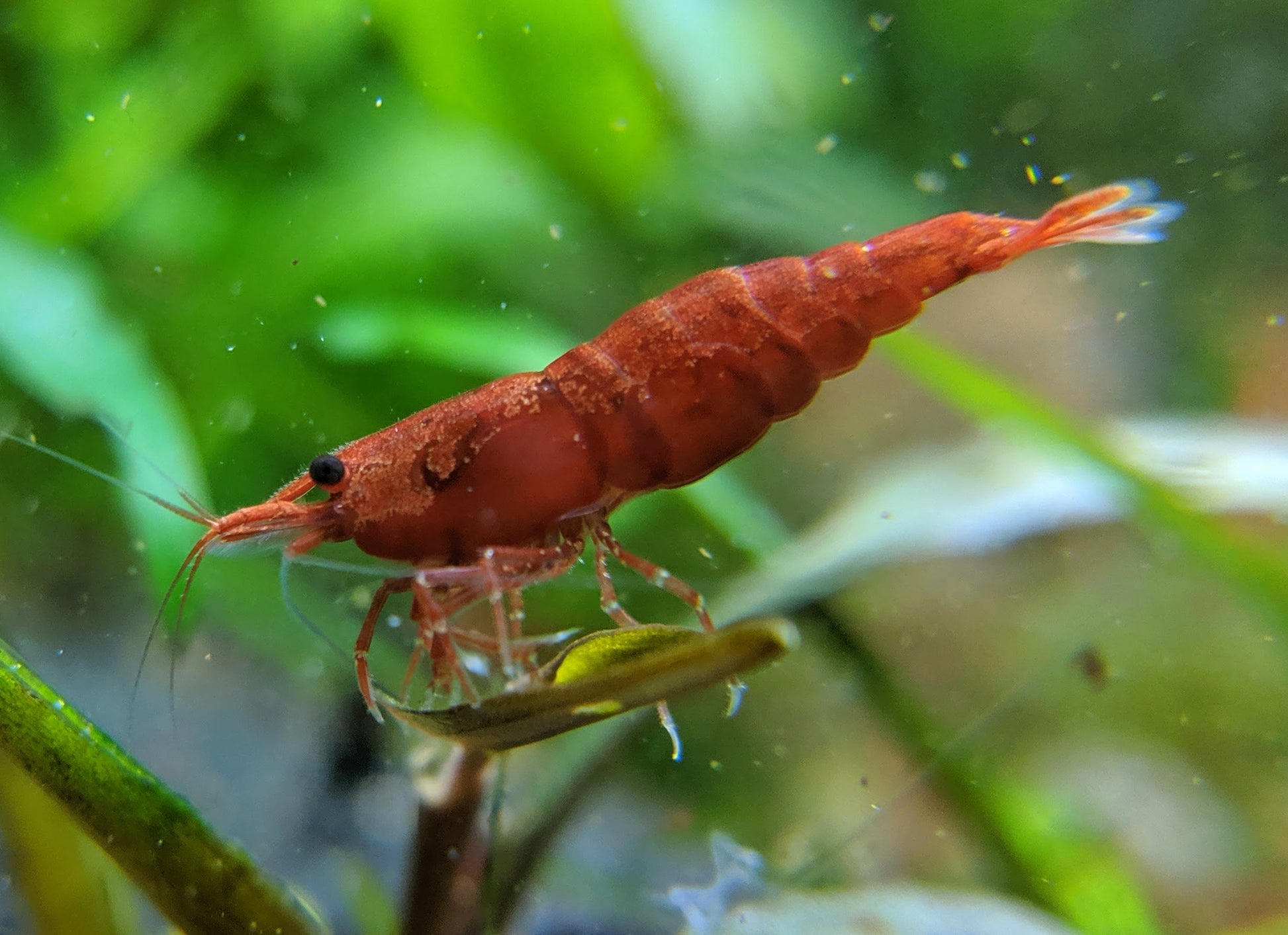
Cherry shrimp are known for their bright red color. Their bodies are translucent with red shades that can be very light or deep. Some have spots or stripes in different red tones. Males are usually smaller and less colorful than females. Their small size and vivid colors make them stand out in any aquarium.
Natural Habitat
Cherry shrimp come from streams and rivers in Taiwan. They live in fresh, clean water with lots of plants. The water is cool and flows gently. These shrimp hide in plants and rocks for safety. They eat algae and tiny plants, helping keep their environment clean.
Lifespan And Size
Cherry shrimp usually live about one to two years. Their size is small, usually around one inch. Females tend to be slightly bigger than males. They grow fast and can reproduce quickly. Their short lifespan means care must be consistent for their wellbeing.
Setting Up A Cherry Shrimp Tank
Setting up a Cherry Shrimp tank requires careful planning. This creates a safe and healthy home for these tiny creatures. Each element in the tank plays a key role in shrimp health. From tank size to water quality, every detail matters. Follow these simple steps to build a perfect environment for your Cherry Shrimp.
Tank Size And Equipment
Choose a tank that holds at least 5 gallons of water. This size is enough for a small group of shrimp. Use a gentle filter to keep water clean. Sponge filters work well and avoid harming shrimp. Add a heater if your room is cold. Cherry Shrimp prefer temperatures between 68°F and 78°F. A good light source helps plants grow and keeps shrimp active.
Water Parameters
Maintain water pH between 6.5 and 7.5 for healthy shrimp. Keep water temperature steady around 72°F. Use a water test kit to check ammonia, nitrite, and nitrate levels. Ammonia and nitrite should be zero. Nitrate should stay below 20 ppm. Perform small water changes weekly to keep water fresh. Avoid sudden changes in water conditions. Stable water is key to shrimp survival.
Substrate And Plants
Use a dark substrate to make shrimp colors stand out. Fine gravel or sand works best. Plants provide hiding places and food sources. Choose easy plants like Java Moss, Anubias, and Marimo Balls. These plants help keep water clean and oxygenated. Add driftwood or rocks for more hiding spots. Shrimp feel safe in a planted tank with plenty of cover.
Feeding Cherry Shrimp
Feeding Cherry Shrimp is simple but important. These small creatures need the right food to stay healthy and active. Proper feeding helps them grow and show their bright colors.
Diet And Nutrition
Cherry Shrimp eat algae, biofilm, and plant matter. They also enjoy specially made shrimp pellets or flakes. Vegetables like spinach, zucchini, and cucumber work well too. Protein is important but should be given in small amounts. A balanced diet keeps shrimp strong and colorful.
Feeding Schedule
Feed Cherry Shrimp once a day. A small pinch of food is enough for a group. Feeding every other day also works well. Observe how much they eat and adjust the amount. Uneaten food can pollute the water and harm shrimp.
Avoiding Overfeeding
Too much food causes water problems and shrimp stress. Remove leftover food after a few hours. Overfeeding leads to algae growth and poor water quality. Keep food portions small and monitor shrimp behavior. Clean the tank regularly to maintain a healthy environment.

Credit: www.reddit.com
Breeding Cherry Shrimp
Breeding Cherry Shrimp is a rewarding experience for aquarium hobbyists. These small, colorful shrimp reproduce easily under the right conditions. Understanding their breeding needs helps ensure a healthy shrimp colony. This section covers key aspects of breeding Cherry Shrimp effectively.
Breeding Conditions
Cherry Shrimp need clean, stable water to breed well. Keep the water temperature between 68°F and 78°F. Maintain a pH level around 6.5 to 7.5. Avoid sudden changes in water quality. Provide plenty of hiding places with plants or decorations. Feed them small amounts of quality food daily. A calm and quiet tank encourages breeding behavior.
Identifying Males And Females
Females are larger and have a curved underbelly. Males are smaller and slimmer with a straight belly. Females display a saddle-shaped mark behind their heads. This mark indicates eggs developing inside. Males swim more actively, searching for females. Knowing these differences helps manage breeding pairs effectively.
Caring For Baby Shrimp
Baby shrimp, called shrimplets, are tiny and fragile. Keep water conditions stable and clean for their survival. Provide fine food like algae or specialized shrimp baby food. Avoid strong water currents that can harm shrimplets. Use plants and moss to give them shelter. Regular monitoring ensures healthy growth and development.
Common Health Issues
Cherry Shrimp are popular pets, but they face health issues. Recognizing these problems early helps keep them healthy. Many health problems come from water quality, diet, and tank conditions. Knowing signs of illness, prevention, and treatment is important for shrimp care.
Signs Of Illness
Look for unusual behavior in Cherry Shrimp. They may stop eating or hide more than usual. Color loss or spots on their body can signal sickness. Slow movements or difficulty swimming also show problems. Dead shrimp in the tank may mean a disease outbreak.
Preventative Measures
Keep water clean and stable for Cherry Shrimp. Test water often for ammonia, nitrites, and pH levels. Feed a balanced diet with quality food. Avoid sudden temperature or water changes. Quarantine new shrimp before adding them to the tank.
Treatment Options
Remove sick shrimp to prevent disease spread. Change water regularly to improve tank health. Use shrimp-safe medicines for common infections. Consult experts or vets for serious problems. Keep the tank environment stable during treatment.
Tank Mates For Cherry Shrimp
Choosing the right tank mates for Cherry Shrimp is important for a peaceful aquarium. Cherry Shrimp are small and gentle. They need companions that do not harm or stress them. A well-chosen community helps shrimp thrive and stay healthy.
Compatible Species
Small, peaceful fish make great tank mates. Species like Neon Tetras, Endler’s Livebearers, and small Rasboras fit well. Snails, such as Nerite or Mystery Snails, also coexist peacefully. These species do not chase or eat shrimp.
Avoiding Predators
Avoid fish that eat shrimp. Larger fish like Angelfish, Oscars, or Cichlids are threats. Even some bottom dwellers, like certain Catfish, can harm shrimp. Protect your shrimp by choosing non-aggressive, small species only.
Community Tank Tips
Provide plenty of hiding spots with plants and decorations. Shrimp feel safe among moss, driftwood, and rocks. Feed all species well to reduce hunting. Keep water clean and stable. Monitor tank behavior to catch any aggression early.
Enhancing Shrimp Color And Activity
Cherry shrimp are popular for their bright red colors and lively behavior. Enhancing their color and activity makes your aquarium more beautiful and interesting. Small changes in care can help shrimp show their best colors and stay active.
Optimal Lighting
Good lighting brings out shrimp colors. Natural sunlight or LED lights work well. Keep lights on for 8 to 10 hours each day. Too much light can stress shrimp. Too little light makes colors dull. Use a timer for steady light cycles.
Water Quality Maintenance
Clean water keeps shrimp healthy and colorful. Test water regularly for ammonia, nitrites, and nitrates. Change 20% of the water every week. Use a gentle filter to avoid strong currents. Stable temperature around 72-78°F is best. Avoid sudden water changes to reduce stress.
Supplemental Foods
Feed shrimp special foods to boost color. Algae wafers, blanched vegetables, and shrimp pellets work well. Foods rich in carotenoids help red colors shine. Feed small amounts daily. Avoid overfeeding to keep water clean. Variety in diet improves shrimp activity and health.
Credit: shrimpybusiness.com
How Smart Pets Lover Can Help You with Cherry Shrimp
Learning Through Caring for Your Cherry Shrimp
Embracing the world of Cherry Shrimp opens up a hands-on learning journey that goes beyond just keeping a tank. As you dive into setting up a Cherry Shrimp tank, you naturally develop a deeper understanding of aquatic ecosystems and water chemistry — essential knowledge that fosters patience and attentiveness. Feeding Cherry Shrimp offers another practical lesson in balance, teaching how nutrition directly influences health and vibrant coloring.
Breeding Cherry Shrimp, meanwhile, can be a rewarding experience that highlights the importance of environment and care, showing how subtle changes impact their lifecycle. These moments create meaningful connections, much like the heartfelt stories shared by Smart Pets Lover, where every pet’s journey is cherished.
For those eager to learn more or seek advice, reaching out to communities or experts familiar with shrimp care can be invaluable. It’s through these shared experiences and ongoing curiosity that pet parents become truly confident and connected.
Frequently Asked Questions
What Do Cherry Shrimp Eat In A Home Aquarium?
Cherry Shrimp mainly eat algae, biofilm, and leftover fish food. They also enjoy blanched vegetables like spinach or zucchini. A balanced diet ensures their health and vibrant color in the tank.
How Long Do Cherry Shrimp Live On Average?
Cherry Shrimp typically live 1. 5 to 2 years in captivity. Proper water conditions and diet can help them reach their full lifespan. Stress and poor water quality may shorten their life.
Are Cherry Shrimp Safe With Other Fish Species?
Cherry Shrimp are peaceful and can coexist with small, non-aggressive fish. Avoid large or aggressive species that may eat or harm them. Provide plenty of hiding spots for their safety.
How Do Cherry Shrimp Reproduce In Aquariums?
Cherry Shrimp breed easily in freshwater tanks with stable conditions. Females carry eggs under their abdomen until they hatch. Juveniles require clean water and fine food for healthy growth.
Conclusion
Cherry shrimp add color and life to any aquarium. They are easy to care for and fun to watch. Keep their water clean and feed them well. They help keep your tank healthy by eating algae. Small and peaceful, they fit well with many fish.
Enjoy the bright red hues and lively behavior. Caring for cherry shrimp can bring joy and calm. A simple pet that offers big rewards.