Cat Shark
Have you ever heard of a cat shark? It might sound like a mix between a cat and a shark, but it’s actually a fascinating creature that lives deep in the ocean.
If you think all sharks are scary and dangerous, the cat shark will surprise you. This unique fish has some amazing features that make it stand out from other sharks. By the end of this article, you’ll see why the cat shark deserves your attention and why learning about it can change the way you think about the ocean.
Ready to dive in and discover the secrets of the cat shark? Let’s get started!
Cat Shark Species
Cat sharks are a group of small sharks with unique features. They belong to the family Scyliorhinidae. These sharks are known for their slender bodies and cat-like eyes. They live in different parts of the world’s oceans. Learning about their species helps us understand their role in the ocean.
Common Types
There are many types of cat sharks. The most common is the Small-spotted Cat Shark. It has dark spots on a light body. Another type is the Nursehound, which has a wider head. The Chain Cat Shark has a pattern that looks like chains. Each type has its own shape and size.
Physical Characteristics
Cat sharks have long, slender bodies. Their skin is rough and covered with small scales. They have large eyes that help them see in dark water. Their mouths are located on the underside of their heads. Most cat sharks have two dorsal fins placed far back on their bodies.
Habitat Range
Cat sharks live mostly on the ocean floor. They prefer shallow waters near coasts. Some species stay in deep water, over 200 meters deep. They are found in the Atlantic Ocean, Mediterranean Sea, and parts of the Pacific. These sharks like rocky or sandy bottoms where they can hide easily.

Credit: mote.org
Behavior And Diet
The Cat Shark is a fascinating creature with unique behavior and diet. Understanding these traits helps us learn about its role in the ocean. Its habits reveal how it survives and interacts with its environment.
Feeding Habits
The Cat Shark mainly eats small fish and crustaceans. It hunts mostly at night, using its keen senses. It can sniff out prey hidden in sand or rocks. It swallows food whole and digests it slowly.
Reproductive Patterns
Cat Sharks lay eggs in tough cases called “mermaid’s purses.” The eggs attach to seaweed or rocks. The mother does not care for the eggs after laying them. Baby sharks hatch fully formed and ready to swim.
Social Behavior
Cat Sharks are mostly solitary animals. They prefer to stay hidden during the day. At night, they may gather in small groups. They are not aggressive and avoid larger predators.
Adaptations
The cat shark shows many special adaptations that help it live in the ocean. These changes make it good at hiding, sensing, and staying alive. Its body and behavior are shaped by these skills.
Camouflage Techniques
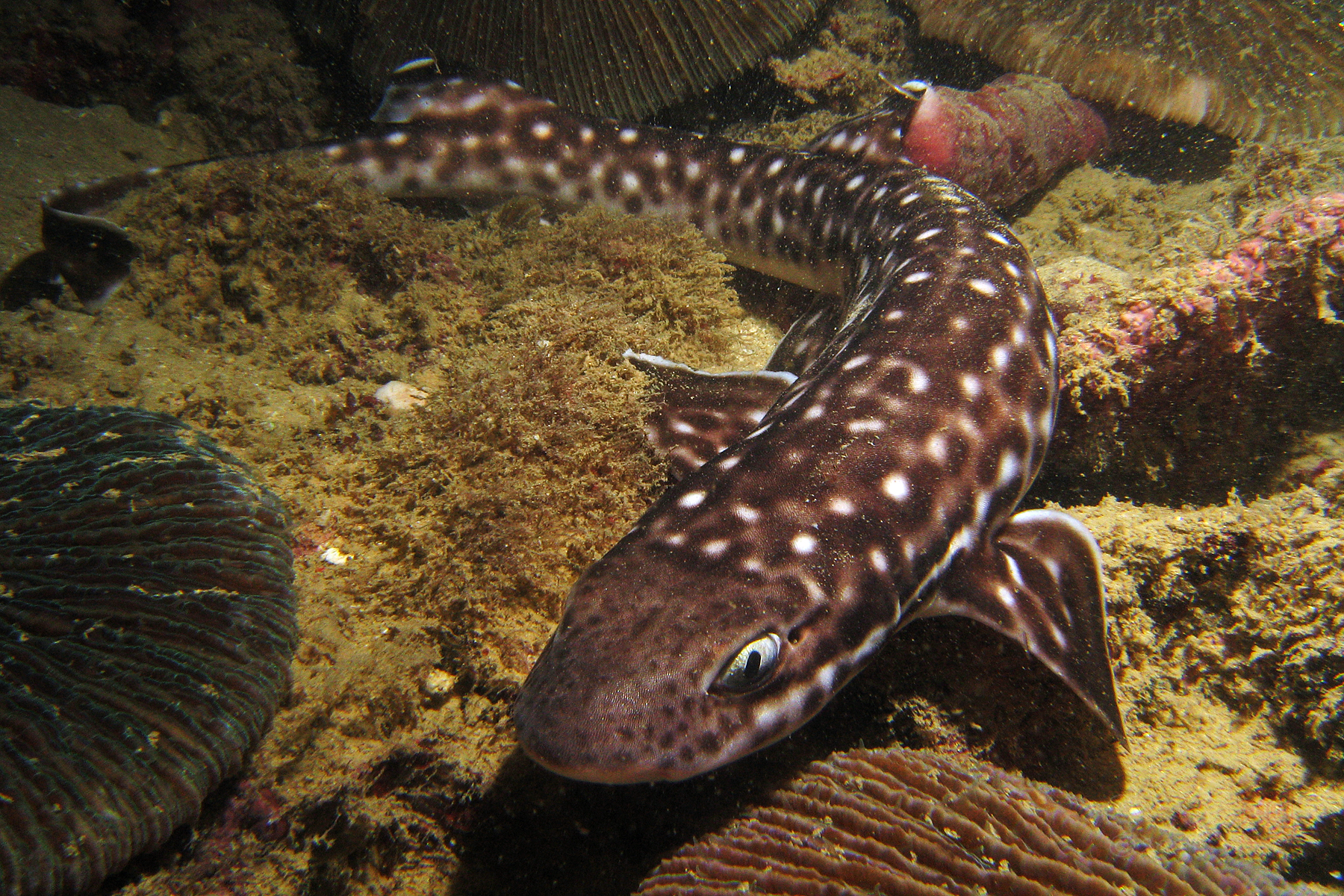
The cat shark’s skin has spots and patterns. These help it blend with rocks and sand. It hides from predators and surprises prey this way. Its colors change slightly to match the surroundings. This makes the cat shark hard to see.
Sensory Abilities
The cat shark has strong senses for finding food. It uses smell to track prey in the water. Tiny sensors on its skin detect movement nearby. Its eyes work well in low light underwater. These senses help the shark catch meals at night.
Survival Strategies
The cat shark moves slowly to save energy. It hides in crevices to avoid big predators. It lays eggs in safe places on the ocean floor. The shark’s body shape lets it slip into tight spaces. These strategies keep the cat shark safe and fed.
Credit: en.wikipedia.org
Conservation Status
The conservation status of cat sharks is an important topic for marine life lovers. These small sharks live in many oceans and help keep sea life balanced. Their populations face risks that need attention to avoid decline. Protecting cat sharks helps protect ocean health and diversity.
Threats To Cat Sharks
Cat sharks face several dangers. Fishing nets often catch them by accident. Pollution harms their habitats and food sources. Climate change affects ocean temperatures, making survival harder. Coastal development reduces the places where they live and breed. These threats cause a drop in their numbers.
Protection Efforts
Many groups work to protect cat sharks. Marine parks and reserves limit fishing in key areas. Laws regulate fishing gear to avoid catching sharks by mistake. Scientists study cat sharks to understand their needs better. Public awareness campaigns encourage people to care about ocean life. These efforts help cat sharks survive and grow.
Role In Ecosystem
Cat sharks play a key role in the ocean. They control populations of smaller fish and invertebrates. This keeps the food chain balanced and healthy. Their presence indicates a healthy environment. Losing cat sharks can cause major shifts in ocean ecosystems. Protecting them supports ocean life as a whole.
Cat Sharks And Humans
Cat sharks share a unique bond with humans. These small sharks live mostly in deep waters. People encounter them in different ways. Some see them in fisheries, others in aquariums. Scientists study cat sharks to learn more about the ocean. Understanding this relationship helps protect both sharks and humans.
Fisheries Impact
Cat sharks often get caught by fishing nets. They are not the main target but are bycatch. Sometimes, fishermen keep cat sharks for food or bait. Overfishing can reduce their numbers quickly. Protecting cat sharks helps keep ocean life balanced. Sustainable fishing practices are important for their survival.
Aquarium Care
Cat sharks are popular in public aquariums. They adapt well to captive environments. Aquariums provide safe homes and educate visitors. Proper care includes clean water and good diet. Watching cat sharks helps people appreciate marine life. This care supports shark conservation efforts worldwide.
Scientific Research
Scientists study cat sharks to understand shark biology. Their slow growth and reproduction interest researchers. Studies help learn about shark evolution and behavior. Research also reveals how sharks respond to ocean changes. Data from cat sharks guide ocean protection policies. This knowledge benefits both marine life and humans.

Credit: www.amazon.com
How Smart Pets Lover Can Help You with Cat Shark
Exploring Cat Sharks: A Hands-On Learning Experience
Understanding the fascinating behavior and diet of Cat Sharks opens up wonderful opportunities for practical learning, especially if you’re curious about marine life or considering responsible pet care for aquatic species. Observing their unique adaptations—like their camouflaging skin and nocturnal habits—can inspire deeper appreciation and respect for ocean ecosystems.
For families and pet lovers, diving into Cat Shark conservation status reminds us how important it is to protect vulnerable species and habitats. This awareness can translate into meaningful actions, from supporting sustainable seafood choices to advocating for ocean-friendly policies.
- Try creating a simple aquarium setup to mimic a Cat Shark’s natural environment, focusing on water quality and hiding spots.
- Keep a journal to note behavioral patterns or feeding responses, linking back to what you’ve learned about their diet.
- Explore local marine centers or online resources for more insights, connecting your curiosity with trusted information.
At Smart Pets Lover, we believe every discovery deepens the bond between humans and animals. For more guidance on marine creatures or pet care, reaching out to experts or communities passionate about fish care can be a great next step. After all, where every wag, purr, and chirp tells a story, every fin flick and swim stroke does, too.
Feel free to connect with marine biologists or local aquarium groups to expand your knowledge and hands-on experience with Cat Sharks and other fascinating aquatic pets.
Frequently Asked Questions
What Is A Cat Shark?
A Cat Shark is a small shark species known for its slender body and cat-like eyes. It mainly inhabits shallow coastal waters. These sharks are harmless to humans and feed on small fish and invertebrates. They are important for marine ecosystem balance.
Where Do Cat Sharks Live?
Cat Sharks are found mostly in temperate and tropical coastal waters worldwide. They prefer sandy or muddy seabeds near the shore. Common habitats include the Atlantic Ocean, Mediterranean Sea, and parts of the Pacific Ocean. They often stay close to the ocean floor.
What Do Cat Sharks Eat?
Cat Sharks primarily feed on small fish, crustaceans, and mollusks. They use their sharp teeth to capture and crush prey. Their diet helps control populations of smaller marine animals. This makes Cat Sharks vital for maintaining healthy ocean ecosystems.
Are Cat Sharks Dangerous To Humans?
No, Cat Sharks are not dangerous to humans. They are small, shy, and avoid contact with people. Their teeth are designed for small prey, not humans. Cat Sharks pose no threat and are generally considered harmless.
Conclusion
Cat sharks are small but fascinating creatures of the sea. They live quietly on the ocean floor and play a key role in marine life. Learning about them helps us appreciate ocean diversity. Protecting their habitats keeps the ocean healthy for many species.
Next time you think of sharks, remember the gentle cat shark. It shows us that even small animals matter in nature’s balance. Exploring the ocean’s mysteries can inspire care for our blue planet.