Can Fish Die If The Water Is Too Warm
Have you ever wondered if the water temperature can actually harm your fish? You might think fish can handle any warmth, but when the water gets too hot, it can be a serious danger to their health.
Understanding how warm water affects your fish is key to keeping them safe and thriving. Keep reading to discover why temperature matters so much and what you can do to protect your aquatic friends from deadly heat.
Credit: www.sciencefriday.com
How Water Temperature Affects Fish
Water temperature plays a big role in the life of fish. Fish are cold-blooded animals. Their body temperature changes with the water around them. This affects how they live, grow, and breathe.
When water gets too warm, it can cause problems for fish. Their bodies may not work as well. This can lead to stress or even death. Understanding how temperature affects fish helps us protect them better.
Fish Metabolism And Temperature
Fish metabolism speeds up as water temperature rises. They need more energy to stay active. This means they eat more and produce waste faster. If the water is too warm, their metabolism can go out of balance.
Too high a temperature can tire fish quickly. Their body systems may fail. This causes health problems and reduces their chances to survive.
Oxygen Levels In Warm Water
Warm water holds less oxygen than cold water. Fish need oxygen to breathe through their gills. When oxygen drops, fish struggle to get enough air.
Low oxygen can cause fish to become weak or die. Warm water also increases fish breathing rates. This makes oxygen shortage worse. Keeping water cool helps fish stay healthy and alive.
Signs Of Heat Stress In Fish
Fish can show clear signs of heat stress when water gets too warm. Watching for these signs helps keep fish safe and healthy. Heat stress weakens fish and may lead to death if not treated early.
Behavioral Changes
Fish may swim slower or stop moving much. They might stay near the water surface more often. Gasping for air is common as oxygen levels drop. Fish can hide more or act restless. Changes in normal behavior signal that fish are stressed.
Physical Symptoms
Fish may develop pale or faded colors. Clamped fins, where fins stay close to the body, appear. Red or inflamed gills show irritation. Some fish have swollen bellies or sores. These symptoms indicate serious heat stress problems.
Species Sensitive To Warm Water
Different fish species react differently to warm water. Some fish can handle higher temperatures better than others. Species sensitive to warm water face stress and health risks. Their bodies need cooler water to live and grow well.
Water temperature affects oxygen levels. Warm water holds less oxygen. Sensitive fish may struggle to breathe in warm water. This can cause illness or death.
Cold-water Fish
Cold-water fish need cool water to survive. Trout and salmon are good examples. They live in rivers and lakes with low temperatures. Warm water can harm their metabolism and immune system. These fish may stop eating and become weak. Oxygen shortage in warm water makes it worse. They often die if the water gets too warm.
Tropical Fish Adaptations
Tropical fish live in warmer water naturally. They come from places like rainforests and coral reefs. Their bodies adapt to warmer temperatures. Some have special ways to handle heat stress. Tropical fish can survive slight temperature rises. But extreme warming still affects them. It can cause disease and reduce their lifespan.

Credit: www.miamiwaterkeeper.org
Consequences Of Prolonged Warmth
Prolonged exposure to warm water affects fish in many serious ways. Warm water holds less oxygen, which fish need to survive. It also speeds up their metabolism, making them use energy faster. Over time, these changes cause stress and harm to fish health. Understanding the consequences helps protect fish and their habitats.
Increased Mortality Rates
Fish die more often in warm water. Less oxygen means they struggle to breathe. Their bodies work harder, which can lead to exhaustion. Warm water also makes diseases spread faster. Sick fish have a lower chance to recover. Many fish cannot survive long periods in these harsh conditions.
Impact On Reproduction
Warm water changes fish breeding patterns. Many fish lay fewer eggs or stop breeding. Eggs may not develop properly or die early. Young fish grow slower and are weaker. This reduces the number of new fish. Over time, fish populations shrink and struggle to recover.
Preventing Fish Death From Warm Water
Warm water can harm fish by reducing oxygen levels and stressing them. Preventing fish death means keeping water temperatures safe and stable. Proper care helps fish live longer and stay healthy.
Here are two key ways to protect your fish from too warm water.
Maintaining Ideal Tank Conditions
Keep the tank clean by changing water regularly. Use a reliable thermometer to check water temperature daily. Avoid placing the tank near heat sources or direct sunlight. Use plants and decorations to create shade inside the tank. Monitor water quality by testing pH and ammonia levels. Stable conditions reduce stress and prevent fish illness.
Using Cooling Techniques
Use a fan or aquarium chiller to lower water temperature. Place ice packs near the tank, but never inside the water. Turn off aquarium lights during hot parts of the day. Increase water movement with filters to boost oxygen levels. Cooling methods protect fish from heat stress and oxygen loss.
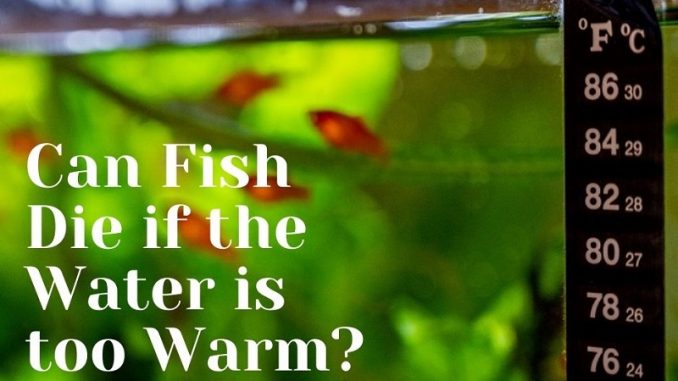
Credit: www.fishkeepingworld.com
How Smart Pets Lover Can Help You with Can Fish Die If The Water Is Too Warm
Turning Awareness into Action: Learning from Warm Water Challenges
Understanding how warm water impacts fish health opens up valuable learning opportunities for any pet parent eager to provide the best care. Recognizing signs of heat stress in fish isn’t just about spotting trouble—it’s about tuning in to what your aquatic friends need before problems escalate. For example, monitoring species sensitive to warm water can guide choices in tank setup and maintenance, ensuring a comfortable environment for every finned companion.
At Smart Pets Lover, we believe that informed care strengthens the bond between you and your pets. Practical steps like adjusting tank temperature gradually, improving aeration, and observing behavioral changes become second nature when you appreciate the consequences of prolonged warmth. It’s a reminder that every detail matters in creating a thriving habitat.
- Keep a reliable thermometer handy to track water temperature daily.
- Research your fish species’ ideal temperature range before adding new pets.
- Stay connected with pet care communities for shared insights and support.
If questions arise, reaching out to aquatic specialists or local pet experts can provide personalized advice—because caring for fish in warm water conditions is a journey best traveled with knowledge and compassion.
Frequently Asked Questions
Can Fish Survive In Warm Water?
Fish can survive in warm water, but only within certain temperature limits. Excessive heat reduces oxygen levels, stressing fish and leading to health issues or death.
What Temperature Is Too Warm For Fish?
Water above 86°F (30°C) is generally too warm for most fish species. Prolonged exposure to such temperatures can cause oxygen depletion and increase fish mortality.
How Does Warm Water Affect Fish Oxygen Levels?
Warm water holds less dissolved oxygen than cold water. Low oxygen levels can suffocate fish, causing stress, weakened immune systems, and sometimes death.
Can Sudden Temperature Changes Kill Fish?
Yes, sudden changes in water temperature can shock fish. Rapid warming or cooling disrupts their metabolism and can lead to fatal stress or disease.
Conclusion
Warm water can stress fish and lower oxygen levels. Fish need cool, clean water to live and breathe well. Too much heat can cause illness or death in fish. Keeping water temperature stable helps fish stay healthy. Watch your aquarium or pond closely during hot days.
Taking care of water conditions protects your fish’s life. This simple step makes a big difference for fish survival.