Bumblebee Cichlid
Are you looking to add a splash of color and excitement to your aquarium? The Bumblebee Cichlid might be just what you need.
With its striking yellow and black stripes, this fish catches the eye and brings energy to any tank. But there’s more to the Bumblebee Cichlid than its looks. Understanding its behavior, care needs, and environment will help you create a thriving home for this unique fish.
Keep reading to discover everything you need to know to make your aquarium stand out and keep your Bumblebee Cichlid happy and healthy.
Bumblebee Cichlid Basics
The Bumblebee Cichlid is a striking fish popular in freshwater aquariums. Its bold colors and lively nature make it a favorite among fish keepers. Understanding its basics helps provide the best care and environment for this unique species.
This section covers the Bumblebee Cichlid’s appearance, natural habitat, and behavior traits.
Appearance And Size
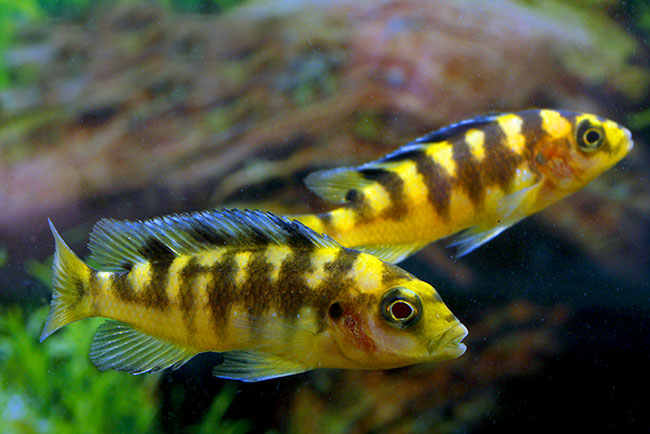
The Bumblebee Cichlid shows bright yellow and black stripes. Its pattern looks like a bumblebee, giving it its name. This fish grows up to 6 inches long. It has a sturdy, oval-shaped body with sharp fins. Males tend to be larger and more colorful than females.
Natural Habitat
This fish lives in freshwater lakes and rivers in Africa. It prefers rocky areas with plenty of hiding spots. The water is usually warm and slightly alkaline. These conditions help the Bumblebee Cichlid thrive and stay healthy. They adapt well to aquarium life if these needs are met.
Behavior Traits
Bumblebee Cichlids are known for being territorial and active. They defend their space strongly, especially during breeding. These fish are not very social with other species but may live with similar-sized fish. They enjoy digging and exploring their environment. Providing enough space reduces stress and aggression.

Credit: aquariumfishonline.com.au
Tank Setup
The tank setup for Bumblebee Cichlids plays a vital role in their health and happiness. These fish are active and need space to swim. A well-planned aquarium mimics their natural environment. This helps reduce stress and keeps them bright and lively.
Choosing the right size, water conditions, and decorations creates a safe home. It also makes caring for Bumblebee Cichlids easier and more enjoyable.
Ideal Aquarium Size
Bumblebee Cichlids need room to swim freely. A tank of at least 30 gallons is best for a small group. Larger tanks work better for more fish or mixed species. This size prevents overcrowding and aggressive behavior. It gives each fish enough space to claim territory.
Water Conditions
These cichlids prefer warm water between 75-82°F (24-28°C). The pH should stay neutral to slightly alkaline, around 7.0 to 8.0. Keep water hardness moderate, about 10-20 dGH. Regular water changes maintain cleanliness and reduce toxins. A good filter helps keep the water clear and healthy.
Decor And Substrate
Use sand or fine gravel as the substrate. This mimics their natural lake bed and is gentle on their fins. Provide plenty of rocks and caves for hiding spots. These decorations give shelter and reduce stress. Live plants can be added but choose hardy species. Avoid sharp objects that might injure the fish.
Feeding Bumblebee Cichlids
Feeding Bumblebee Cichlids is essential for their health and bright colors. These fish need a proper diet to stay active and grow well. Understanding their feeding needs helps keep them happy in your aquarium.
Diet Requirements
Bumblebee Cichlids are carnivores. They eat small insects, worms, and crustaceans in the wild. In the tank, feed them high-quality pellets or flakes made for carnivorous fish. Supplement their diet with frozen or live foods like bloodworms or brine shrimp. Avoid plant-based foods; these fish need protein to thrive.
Feeding Schedule
Feed Bumblebee Cichlids twice a day. Offer small amounts of food they can finish in two to three minutes. This schedule helps maintain their energy and prevents leftover food from polluting the water. Consistency is key for their digestion and growth.
Avoiding Overfeeding
Overfeeding can harm Bumblebee Cichlids. Extra food leads to water pollution and health issues. Watch your fish eat and remove uneaten food quickly. Stick to the feeding schedule and amounts recommended. A clean tank and healthy fish go hand in hand.

Credit: en.wikipedia.org
Tank Mates And Compatibility
The Bumblebee Cichlid is a striking fish known for its bold colors and lively behavior. Choosing the right tank mates is key for a peaceful aquarium. This fish can be territorial, so compatibility matters a lot. Proper planning helps to create a balanced and healthy tank environment.
Compatible Fish Species
Bumblebee Cichlids do well with other robust fish. Species like Convict Cichlids, Firemouths, and certain Catfish often work fine. Avoid small, slow fish that might become targets. Stay away from overly aggressive or very timid species. Choose fish that thrive in similar water conditions for best results.
Aggression Management
Bumblebee Cichlids show territorial behavior, especially during breeding. Provide plenty of hiding spots to reduce stress and fights. Use rocks, caves, and plants to create natural barriers. Keeping a balanced number of fish helps spread aggression. Watch for signs of bullying and separate if needed.
Community Tank Tips
Keep the tank size large enough for all fish to have space. Overcrowding increases stress and aggression. Feed all fish regularly to reduce competition. Monitor water quality to keep fish healthy. Regular observation helps catch problems early and keeps peace in the tank.
Breeding Bumblebee Cichlids
Breeding Bumblebee Cichlids is a rewarding experience for aquarium enthusiasts. These vibrant fish show interesting behaviors during spawning. Caring for their eggs and fry requires patience and a proper setup. Understanding their needs helps ensure a healthy breeding process.
Spawning Behavior
Bumblebee Cichlids are cave spawners. The female lays eggs inside a small cave or crevice. The male guards the area fiercely. Both parents protect the eggs and fry. They clean the eggs by fanning them with their fins. Spawning usually occurs in the early morning.
Breeding Tank Setup
Use a tank of at least 20 gallons for breeding. Provide several caves made from rocks or ceramic pots. Keep the water temperature between 78 and 82°F. Maintain a pH level around 7.5 to 8.0. Use a gentle filter to avoid disturbing the eggs. Dim lighting helps reduce stress during breeding.
Raising Fry
After hatching, fry stay near the cave for protection. Feed them small foods like baby brine shrimp or crushed flakes. Feed several times a day in small amounts. Change water regularly but avoid sudden changes. Separate fry if adults become aggressive. Growing fry need clean water and steady feeding.
Common Health Issues
Bumblebee Cichlids are lively fish but can face health challenges. Knowing common health issues helps keep them strong.
These fish may get sick from poor water quality or stress. Early care stops serious problems and keeps them happy.
Signs Of Illness
Watch for changes in behavior. A sick Bumblebee Cichlid may hide more than usual.
Look for spots, redness, or swelling on their body. Loss of appetite is another key sign.
Labored breathing or clamped fins also show health problems. Slow swimming or erratic movements matter too.
Preventive Care
Keep water clean and stable. Regular water changes reduce harmful bacteria and toxins.
Feed a balanced diet. Avoid overfeeding to prevent water pollution and obesity.
Provide enough space and hiding spots. Less stress means fewer illnesses.
Quarantine new fish before adding them to the tank. This prevents disease spread.
Treatment Options
Isolate sick fish to stop infections spreading. Use a hospital tank if possible.
Medicines like antibiotics or antiparasitics help fight infections. Follow instructions carefully for best results.
Improve tank conditions by checking water parameters. Warm water often speeds recovery.
Consult a vet or fish expert for difficult cases. Early treatment increases survival chances.
Credit: azgardens.com
How Smart Pets Lover Can Help You with Bumblebee Cichlid
Learning Through Caring for Bumblebee Cichlids
Taking care of Bumblebee Cichlids offers more than just a colorful addition to your aquarium; it’s a chance to deepen your understanding of aquatic life and responsible pet ownership. From setting up the perfect tank environment to managing their diet, every step reinforces important lessons about habitat balance and nutrition. For instance, ensuring the right tank setup not only supports their health but also teaches patience and attention to detail.
Additionally, observing their interactions with compatible tank mates can sharpen your insights into fish behavior and compatibility, a skill that’s invaluable for any fish enthusiast. Breeding Bumblebee Cichlids, while challenging, provides a hands-on opportunity to learn about fish reproduction and the importance of maintaining optimal water conditions.
At Smart Pets Lover, we believe these practical experiences help pet parents feel more connected and confident, turning simple care routines into meaningful moments. If you ever need guidance or want to share your journey, reaching out to knowledgeable communities or experts can be a great resource to enrich your learning.
Frequently Asked Questions
What Is The Natural Habitat Of Bumblebee Cichlids?
Bumblebee Cichlids originate from Lake Malawi in Africa. They thrive in rocky, freshwater environments with plenty of hiding spots. This habitat mimics their natural conditions, promoting healthy behavior and vibrant colors in captivity.
How Big Do Bumblebee Cichlids Grow?
Adult Bumblebee Cichlids typically reach 4 to 5 inches in length. Proper tank care and nutrition help them grow to their full size. They are considered small to medium-sized cichlids, suitable for home aquariums.
What Is The Ideal Tank Setup For Bumblebee Cichlids?
A tank with at least 30 gallons is ideal. Include rocks and caves to mimic their natural habitat. Maintain water temperature between 75-82°F and a pH of 7. 8-8. 6 for best results.
Are Bumblebee Cichlids Aggressive Towards Other Fish?
Yes, Bumblebee Cichlids can be territorial and aggressive. They do best with similar-sized, robust fish species. Avoid small or passive fish to prevent stress and injuries.
Conclusion
Bumblebee cichlids add color and life to any aquarium. They are active and fun to watch swim around. Caring for them is simple with proper tank setup. Their unique patterns make them stand out among other fish. Keep their water clean and temperature stable for best health.
These fish enjoy hiding spots and plants in the tank. Watching their behavior can be very rewarding for hobbyists. A bumblebee cichlid can brighten your aquarium experience. Consider adding one to your fish collection today.