Bumblebee Catfish
If you’re looking to add a splash of color and a touch of uniqueness to your aquarium, the Bumblebee Catfish might be just what you need. This striking fish, with its bold stripes and fascinating behavior, can instantly become the star of your tank.
But before you bring one home, there are important things you should know to keep your Bumblebee Catfish healthy and happy. Read on to discover all the secrets that will help you care for this amazing fish and make your aquarium truly stand out.
Appearance And Identification
The Bumblebee Catfish has a unique look that makes it easy to spot. Its striking colors and shape help it stand out in freshwater tanks and rivers. This section breaks down the key features to help you identify this fish quickly and correctly.
Color Patterns
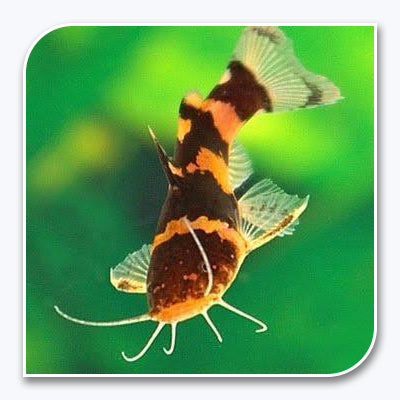
The Bumblebee Catfish shows bold yellow and black stripes. These stripes run across its body like a tiger’s. The contrast between the colors is sharp and clear. This pattern gives the fish its name and makes it easy to recognize.
Size And Shape
This fish stays small, usually about 2 to 3 inches long. Its body is short and slightly flattened. The shape helps it move easily near the river bottom. The small size fits well in home aquariums.
Distinguishing Features
The fish has long, thin whiskers called barbels. These help it sense food in dark water. Its eyes are large and round, giving good vision. The fins are spotted or striped, matching its body colors. These details make the Bumblebee Catfish unique and easy to identify.

Credit: www.amazon.com
Natural Habitat
The Bumblebee Catfish thrives in specific natural settings. These environments provide the right balance of water, shelter, and food. Understanding their natural habitat helps us care for them better in aquariums.
These catfish live in places where they can hide easily. They prefer calm waters with plenty of cover. Their natural surroundings shape their behavior and health.
Geographic Distribution
Bumblebee Catfish are native to South America. They mainly live in the Amazon River basin. Countries like Brazil, Peru, and Colombia host many of these fish. They stay in small streams and tributaries within this region.
Water Conditions
The water in their habitat is soft and slightly acidic. Temperatures usually range between 75°F and 82°F. Clear or slightly murky water suits them best. These fish need clean, well-oxygenated water to thrive.
Typical Environment
Their homes have slow-moving or still water. They prefer places with lots of leaves, plants, and wood. These provide hiding spots and food sources. The river bottoms are often sandy or muddy, ideal for hiding.
Behavior And Temperament
The Bumblebee Catfish shows unique behavior and temperament. It is calm but active. Understanding its habits helps create a good home environment.
These fish adapt well to community tanks. They have distinct patterns in social life and feeding. Observing these can improve your care and enjoyment.
Social Habits
Bumblebee Catfish enjoy company. They prefer to live in small groups. This reduces stress and encourages natural behavior.
They are peaceful with other fish. They avoid fights and keep to themselves. They do not bully or chase tank mates.
Feeding Behavior
This catfish feeds mostly at night. It hunts small insects and leftover food. They use their barbels to find food in the dark.
They are not picky eaters. They accept flakes, pellets, and live food. Feeding twice a day keeps them healthy and active.
Activity Patterns
Bumblebee Catfish are mostly nocturnal. They hide during the day under rocks or plants. Nighttime is when they explore and feed.
They enjoy swimming in low light. A dim tank helps them feel safe. Watching their night activity can be very rewarding.
Diet And Nutrition
Bumblebee Catfish have specific needs for diet and nutrition. Their health depends on what they eat. Proper feeding helps them grow strong and live longer. Understanding their natural diet guides proper care in aquariums.
Natural Diet
In the wild, Bumblebee Catfish eat small insects and larvae. They also consume tiny crustaceans and worms. These fish prefer food found at the bottom of rivers and streams. Their diet is rich in protein and natural nutrients.
Feeding In Captivity
Feeding Bumblebee Catfish at home requires care. They need food similar to their natural diet. Feed small amounts two to three times daily. Avoid overfeeding to keep water clean and fish healthy. Use sinking pellets to reach the bottom where they feed.
Recommended Foods
Good foods include frozen or live bloodworms and brine shrimp. High-quality sinking pellets or wafers suit their bottom-feeding habits. Small pieces of fresh or frozen fish can add variety. Avoid foods that float or are too large to eat.
Tank Setup And Care
The Bumblebee Catfish is a calm and hardy fish that needs proper care. Setting up the tank well helps the fish stay healthy and active. The right environment supports its natural behavior and growth.
Focus on clean water, enough space, and a comfortable hiding spot. These factors create a safe and happy home for your Bumblebee Catfish.
Tank Size Requirements
Bumblebee Catfish need space to swim and explore. A tank of at least 20 gallons suits one adult fish. For multiple catfish, increase the size to 30 gallons or more. Bigger tanks reduce stress and keep water stable. Avoid small tanks to prevent health problems.
Water Parameters
Maintain water temperature between 72°F and 79°F. The pH should stay near neutral, between 6.5 and 7.5. Keep water hardness low to moderate. Regular water changes keep the tank clean and safe. Use a gentle filter to avoid strong currents. Test water often to catch problems early.
Decor And Substrate
Soft sand or smooth gravel makes the best substrate. It protects the fish’s delicate barbels. Add driftwood and rocks for hiding places. Live plants help mimic natural habitat and improve water quality. Avoid sharp decorations that can injure the fish. The tank should have shaded areas to reduce stress.
Health And Common Issues
The health of Bumblebee Catfish is important for a happy aquarium. These fish are tough but can face common problems. Knowing signs of illness helps catch problems early. Proper care keeps them strong and lively. Understanding treatment options helps you act fast if your fish gets sick.
Signs Of Illness
Watch for changes in behavior and appearance. Loss of appetite is a key sign. Clamped fins or slow movement show discomfort. White spots on the body or fins may mean disease. Look for unusual swimming or hiding more than usual. Red or inflamed areas on the skin can indicate infection. Early signs help prevent serious health issues.
Preventive Care
Keep the tank clean and water quality high. Regular water changes reduce harmful toxins. Maintain stable temperature suitable for Bumblebee Catfish. Avoid overcrowding to reduce stress and disease spread. Provide a balanced diet with fresh and varied food. Quarantine new fish before adding them to the tank. Good care prevents many common health problems.
Treatment Options
Isolate sick fish to stop disease spreading. Use medicines designed for common fish infections. Follow dosage instructions carefully to avoid harm. Increase aeration and keep water clean during treatment. Remove uneaten food to avoid water pollution. If unsure, consult a vet or experienced aquarist. Early treatment improves chances of full recovery.
Breeding Bumblebee Catfish
Breeding Bumblebee Catfish can be rewarding and fascinating. These fish show unique behaviors during spawning. Understanding their needs helps ensure successful breeding. Patience and care are key to raising healthy fry.
Breeding Conditions
Keep the water clean and well-oxygenated. Temperature should be between 75°F and 79°F. Soft, slightly acidic water works best. Provide plenty of hiding spots with plants and caves. A gentle water flow mimics their natural habitat. Feed them a varied diet to improve health.
Spawning Behavior
Bumblebee Catfish spawn in pairs or small groups. Males chase females to encourage spawning. They lay eggs on flat surfaces like leaves or rocks. Parents guard the eggs carefully. Eggs hatch in about 3 to 5 days. Watch for signs of stress or aggression during this time.
Raising Fry
Move the fry to a separate tank after hatching. Keep water conditions stable and clean. Feed the fry tiny foods like infusoria or baby brine shrimp. Increase food size as they grow. Change water often to prevent disease. Watch the fry closely for healthy growth and activity.

Credit: www.fishlore.com
Compatibility With Other Fish
The Bumblebee Catfish is a peaceful fish that fits well in many community tanks. Knowing its compatibility with other fish helps create a happy aquarium. This catfish prefers calm tank mates and avoids fights. Understanding its behavior makes tank planning easier and safer for all fish.
Suitable Tank Mates
Small to medium-sized fish are good companions for Bumblebee Catfish. Species like tetras, rasboras, and guppies work well. Avoid large or aggressive fish that may bully or eat the catfish. Bottom dwellers such as Corydoras can also live peacefully with Bumblebee Catfish.
Aggression Levels
Bumblebee Catfish are generally shy and non-aggressive. They may hide when stressed or scared. This fish does not bother other tank mates. Aggression is low unless they feel threatened or crowded. Keeping enough space helps reduce any stress or conflict.
Community Tank Tips
Provide plenty of hiding spots using plants or decorations. Soft substrate helps protect their sensitive barbels. Keep the tank clean and stable to avoid stress. Feed food that sinks to the bottom to reach the catfish easily. Monitor fish behavior regularly to catch any signs of trouble early.
Credit: theifishstore.com
How Smart Pets Lover Can Help You with Bumblebee Catfish
Practical Learning Through Caring for Your Bumblebee Catfish
Welcoming a Bumblebee Catfish into your aquatic family opens up valuable opportunities to learn about fish behavior, diet, and habitat needs firsthand. Observing their unique temperament and interactions can deepen your understanding of compatibility with other fish, enhancing your skills in creating a harmonious tank environment. For example, paying close attention to their diet and nutrition helps you master feeding routines that promote health and vitality.
Setting up and maintaining the ideal tank conditions becomes a practical exercise in balancing water parameters and habitat features, reflecting what you’ve read about their natural habitat. Smart Pets Lover encourages pet parents to embrace these hands-on experiences as part of responsible fish care—each step reinforcing confidence and connection with your aquatic companion.
If you ever need guidance or want to share your journey, connecting with fellow enthusiasts or experts via Smart Pets Lover’s community resources can be a comforting way to grow your knowledge and passion.
Frequently Asked Questions
What Is A Bumblebee Catfish?
Bumblebee Catfish is a small, freshwater fish known for its black and yellow stripes. It belongs to the family Aspredinidae and is popular in home aquariums due to its unique appearance and peaceful nature.
How Big Do Bumblebee Catfish Grow?
Bumblebee Catfish typically grow up to 3 inches (7. 5 cm) in length. Their compact size makes them ideal for small to medium-sized aquariums. Proper care and a suitable tank environment help them reach their full growth potential.
What Habitat Does Bumblebee Catfish Prefer?
This catfish prefers slow-moving freshwater environments with plenty of hiding spots. They thrive in tanks with soft, acidic water, plants, and driftwood. Providing a natural habitat helps reduce stress and promotes healthy behavior.
What Do Bumblebee Catfish Eat?
Bumblebee Catfish are omnivores that feed on small invertebrates, insects, and plant matter. In aquariums, they accept sinking pellets, frozen foods, and live foods. A varied diet ensures balanced nutrition and vibrant coloration.
Conclusion
Bumblebee catfish make a great addition to many aquariums. They have unique patterns and peaceful behavior. These fish need clean water and hiding spots to feel safe. Feeding them a varied diet keeps them healthy and active. Watching their curious nature brings joy to fishkeepers.
Caring for bumblebee catfish is simple with basic aquarium knowledge. They brighten tanks with their striking colors and calm presence. Consider these catfish for a lively and interesting underwater world.