Breeding Corydoras
If you’ve ever watched a group of Corydoras gliding gracefully at the bottom of your aquarium, you know how fascinating these little fish can be. But have you thought about breeding Corydoras yourself?
It’s not just a way to grow your fish family—it’s a rewarding experience that connects you deeply with your aquarium hobby. In this guide, you’ll discover simple steps to successfully breed Corydoras, tips to create the perfect environment, and secrets to keep your fish healthy and thriving.
Ready to take your aquarium skills to the next level? Let’s dive in and unlock the world of Corydoras breeding together.

Credit: www.youtube.com
Choosing Breeding Pairs
Choosing the right breeding pairs is key to successful Corydoras breeding. Healthy fish with good traits produce strong offspring. Careful selection helps avoid diseases and weak genetics.
Focus on the fish’s health, size, and age. These factors improve breeding chances. Knowing how to tell males from females also matters.
Selecting Healthy Corydoras
Pick Corydoras that swim actively and eat well. Look for clear eyes and smooth skin. Avoid fish with spots or torn fins. Healthy fish resist disease and breed better.
Check for normal breathing. Gasping may signal illness. Only choose fish that show no signs of stress or injury. Healthy fish give stronger babies.
Identifying Male And Female
Males are usually smaller and slimmer than females. Females have rounder bellies, especially when full of eggs. Males have longer fins in some species.
Watch their behavior during breeding season. Males chase females gently. Females stay calmer and larger. Correctly pairing sexes boosts breeding success.
Age And Size Considerations
Choose fish that are at least six months old. Young fish may not breed well. Older fish can still breed but may have fewer eggs.
Pick pairs close in size for better compatibility. Large size differences can cause stress. Healthy, mature Corydoras produce stronger offspring.
Setting Up The Breeding Tank
Setting up the breeding tank is the first step to successfully breed Corydoras. This tank should mimic their natural environment closely. A proper setup encourages spawning and keeps the fish healthy. Every detail matters, from tank size to water quality and decoration.
Tank Size And Environment
Choose a tank of at least 20 gallons for breeding Corydoras. A bigger tank helps reduce stress and provides enough space. Keep the tank quiet and away from direct sunlight. Use a gentle filter to keep water clean without strong currents. Good aeration is important but avoid strong bubbles.
Water Parameters
Corydoras prefer soft, slightly acidic water for breeding. Maintain a temperature between 72°F and 78°F (22°C to 26°C). Keep pH levels around 6.5 to 7.0 for best results. Regular water changes improve water quality and stimulate spawning. Test water often to keep parameters stable and safe.
Substrate And Plants
Use fine sand or smooth gravel as substrate to protect delicate barbels. Avoid sharp or rough materials. Add live plants like java moss or Amazon sword to provide hiding spots. Plants help reduce stress and offer surfaces for egg laying. Include some flat stones or spawning mops for egg attachment.
Breeding Conditions
Creating the right environment is key to breeding Corydoras successfully. These small catfish need specific conditions to feel safe and ready to spawn. Proper water temperature, clean water, and good lighting all play a big role. Understanding these factors helps increase the chances of a healthy breeding process.
Temperature Adjustments
Corydoras prefer a slightly cooler temperature to start spawning. Lower the tank temperature to about 72°F (22°C) for a few days. Then raise it slowly to 78°F (26°C) over a week. This change mimics natural seasonal shifts. It encourages the fish to begin their breeding behavior.
Water Changes To Trigger Spawning
Frequent water changes are very important for breeding Corydoras. Replace 25-50% of the water with fresh, clean water. Use water that matches the tank’s temperature and pH. This refreshes the tank and signals the fish that conditions are right. Many breeders report spawning starts soon after water changes.
Lighting And Feeding
Keep lighting moderate, not too bright or too dark. A regular day-night cycle helps maintain the fish’s natural rhythm. Feeding high-quality food boosts the fish’s health and readiness to breed. Offer live or frozen foods like bloodworms or brine shrimp. Strong nutrition supports egg development and successful spawning.
Credit: www.tfhmagazine.com
Spawning Behavior
Corydoras fish have a unique spawning behavior that fascinates many aquarium hobbyists. Watching their natural process can help you create the perfect environment for breeding. Their spawning involves specific actions and preferences that ensure the survival of their eggs.
Courtship Rituals
Corydoras males start by swimming close to females. They often swim side by side or circle each other. This behavior signals readiness to mate. Males may gently nudge females to encourage spawning. The female responds by lowering her body near the bottom or plants. These simple moves help the pair prepare for egg laying.
Egg Laying Spots
Corydoras prefer to lay eggs on flat surfaces. Leaves, aquarium glass, and plant stems are common choices. Females carefully select clean, smooth areas. They attach eggs firmly using a sticky substance. These spots protect eggs from falling or being eaten. Providing plenty of surfaces increases the chance of successful spawning.
Egg Care And Protection
After laying eggs, parents may guard them briefly. Corydoras do not guard eggs long or care for fry. Hobbyists often remove eggs to a separate tank. This prevents eggs from being eaten by adults or other fish. Regular water changes and gentle care help eggs hatch safely. Keeping eggs clean and free from fungus is essential.
Caring For Eggs And Fry
Caring for Corydoras eggs and fry is a delicate process. Proper care increases the chances of healthy growth. The first days after spawning are crucial for the eggs and fry. Understanding how to manage eggs and feed fry helps ensure their survival.
Removing Or Keeping Eggs
Decide whether to remove or keep eggs in the tank. Some Corydoras eat their eggs, which can harm the batch. Removing eggs to a separate tank reduces this risk. Use a soft brush to gently transfer eggs. Keeping eggs in the main tank requires close monitoring. Remove any fungus-infected eggs to protect healthy ones.
Hatching Timeframe
Corydoras eggs usually hatch within three to five days. Temperature affects the hatching time; warmer water speeds it up. Keep the water clean and stable during this period. Avoid strong water currents that can harm the eggs. Watch for tiny fry moving near the eggs after hatching.
Feeding Fry
Newly hatched fry need small, frequent meals. Start with powdered or crushed fry food. Baby brine shrimp or infusoria are good first foods. Feed tiny amounts to avoid water pollution. Change water regularly to keep the environment healthy. Gradually introduce larger foods as fry grow.

Credit: www.youtube.com
Common Challenges
Breeding Corydoras can be very rewarding but comes with common challenges. These issues often affect the health and survival of the eggs and fry. Knowing these challenges helps you prepare better and increase your success rate.
Fungus And Egg Loss
Fungus is a frequent problem in Corydoras breeding tanks. It attacks eggs, causing them to rot quickly. Fungus spreads fast and can destroy large batches of eggs. Good water flow and cleanliness reduce fungus risks. Removing dead or infected eggs early also helps. Some breeders use antifungal treatments to protect eggs.
Aggressive Behavior
Corydoras usually get along, but aggression happens during breeding. Males may chase females or other males too hard. Stress from fighting can harm fish health and stop breeding. Providing plenty of hiding spots lowers aggression. Keeping the tank peaceful is vital for breeding success.
Water Quality Issues
Water quality is critical for Corydoras breeding. Poor water causes stress and weakens fish. High ammonia or nitrite levels are deadly to eggs and fry. Regular water changes keep water clean and safe. Testing water parameters often helps catch problems early. Stable temperature and pH also support healthy breeding.
Tips For Successful Breeding
Breeding Corydoras can be rewarding but requires care and attention. Success depends on several simple yet important practices. Understanding these tips helps create the best environment for your fish to breed.
Patience And Observation
Breeding Corydoras takes time. Watch your fish daily for signs of readiness. Notice changes in behavior or color. Avoid rushing the process. Patience helps you learn what your fish need.
Observe how they interact. Look for courtship behaviors like chasing or nudging. These clues show they are ready to breed. Gentle observation prevents stress and promotes natural breeding.
Maintaining Stable Conditions
Keep water temperature steady between 72-78°F (22-26°C). Stability helps fish feel safe. Maintain clean water with regular changes. Avoid sudden changes in pH or hardness. These can stop breeding.
Simulate rainy season by slowly lowering temperature for a few days. Then return to normal. This triggers spawning naturally. Use gentle filtration and low lighting to reduce stress.
Record Keeping
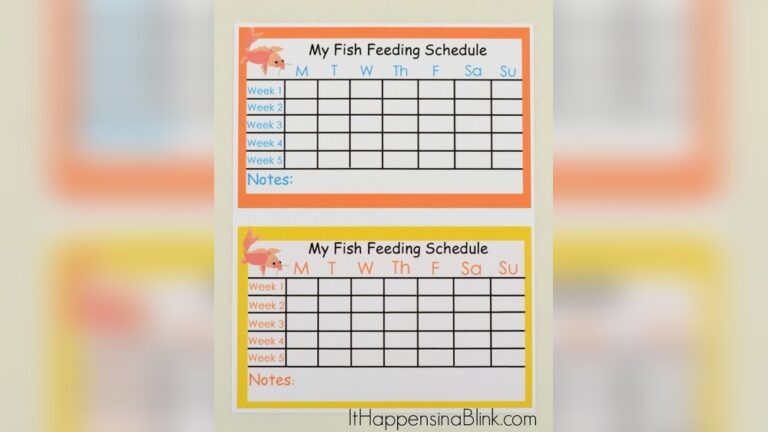
Write down water parameters, feeding, and behavior daily. Notes help track what works best. Record breeding dates and number of eggs laid. This information improves future breeding efforts.
Keep a simple log to spot patterns. Records help avoid mistakes. They also show progress over time. Good documentation supports healthy and successful breeding cycles.
How Smart Pets Lover Can Help You with Breeding Corydoras
Embracing Practical Learning While Breeding Corydoras
Breeding Corydoras offers more than just the joy of watching tiny fry grow; it’s a hands-on journey into understanding aquatic life. As you fine-tune the breeding conditions and observe spawning behavior, you gain invaluable insights that deepen your connection with these charming fish. Setting up the right breeding tank, for instance, becomes a practical lesson in replicating natural habitats—something every dedicated pet parent can appreciate.
Encountering common challenges along the way, like caring for eggs or managing water quality, transforms theory into experience. These moments teach patience and adaptability, echoing the care we strive to provide across all our pets, whether dogs, cats, or birds. At Smart Pets Lover, we believe this kind of learning nurtures confidence and responsibility, helping pet lovers truly understand their companions.
If you ever need guidance or want to share your breeding journey, feel free to reach out to our community at [email protected]. Remember, every wag, purr, and splash tells a story worth cherishing.
Frequently Asked Questions
How Do I Prepare A Tank For Breeding Corydoras?
Set up a separate breeding tank with soft, slightly acidic water. Maintain temperature around 75-78°F. Add plants and spawning mops for egg laying. Ensure good filtration and gentle water flow to mimic natural conditions.
What Is The Best Diet For Breeding Corydoras?
Feed a varied diet including live or frozen foods like bloodworms and brine shrimp. High-quality sinking pellets also help. Proper nutrition enhances breeding readiness and egg quality.
How Can I Identify A Breeding Pair Of Corydoras?
Males are generally smaller and slimmer, while females are larger and rounder. During breeding, males may chase females gently. Observing these traits helps select compatible breeding pairs.
How Long Does It Take For Corydoras Eggs To Hatch?
Corydoras eggs typically hatch in 3 to 5 days. Maintain stable water conditions and avoid disturbing the eggs during this period for best results.
Conclusion
Breeding Corydoras can be a fun and rewarding hobby. These fish need clean water and a calm environment to thrive. Feeding them well helps encourage breeding behavior. Watching the eggs hatch and fry grow is exciting. Patience and care are key to success.
Enjoy the process and learn from each step. This hobby brings joy to many fish keepers worldwide. Give your Corydoras the best chance to grow strong. Keep your tank healthy and stable for best results. Breeding these fish can deepen your love for aquariums.