Breeding Betta Fish
Are you ready to take your love for betta fish to the next level? Breeding betta fish can be a rewarding and exciting experience, but it requires the right knowledge and preparation.
Whether you want to create stunning new colors or simply enjoy watching the fascinating process, this guide will give you clear, simple steps to succeed. Keep reading, and you’ll discover how to turn your aquarium into a lively betta breeding haven.
Your journey to becoming a confident betta breeder starts here!

Credit: www.youtube.com
Preparing The Breeding Tank
Preparing the breeding tank is the first step to successful betta fish breeding. A well-prepared tank creates a safe and comfortable space for the fish. This helps reduce stress and encourages natural breeding behaviors. Proper setup and care can improve the chances of healthy fry.
Tank Size And Setup
Choose a tank of at least 5 gallons for breeding. Smaller tanks can cause stress and poor water quality. Use a simple setup with a heater to keep water temperature steady. Betta fish need warm water, around 78 to 80°F (25 to 27°C). Add a gentle filter to keep water clean without strong currents.
Water Conditions
Keep water clean and soft for the bettas. The ideal pH level is between 6.5 and 7.0. Regular water changes help maintain quality. Avoid strong chemicals or treatments that can harm the fish. Use dechlorinated water to protect delicate fry and adults.
Adding Plants And Hiding Spots
Add live or silk plants to the tank. Plants provide resting places for male bettas during bubble nest building. They also offer hiding spots for females and fry. Use gentle decorations without sharp edges to prevent injury. Floating plants can help break light and calm the fish.
Selecting Breeding Pairs
Selecting the right breeding pairs is the first step in successful Betta fish breeding. Healthy, compatible fish increase the chances of strong offspring. Careful choice helps avoid health problems and aggression. This section guides you through picking the best pairs for breeding.
Choosing Healthy Betta Fish
Pick Betta fish with bright colors and smooth fins. Avoid fish with torn fins or dull scales. Healthy fish swim actively and respond well to movement. Check for clear eyes and no signs of illness. Only healthy fish should be used for breeding.
Identifying Males And Females
Males have long, flowing fins and bright colors. Females are smaller with shorter fins and less color. Look for a small white spot near the female’s vent; this is the egg spot. Males flare their gills and flare fins when excited. Identifying gender correctly is key to pairing fish.
Matching Compatible Pairs
Choose pairs that show calm behavior when near each other. Avoid pairing aggressive males with shy females. Similar size pairs reduce stress and injury risk. Healthy fish with good traits produce better fry. Watch their interaction for signs of stress or fighting before breeding.
Breeding Behavior
Breeding behavior in betta fish is unique and fascinating. Understanding their natural habits helps in successful breeding. Each step shows interesting actions that bettas perform to ensure their offspring survive. Observing these behaviors can be rewarding for hobbyists.
Bubble Nest Building
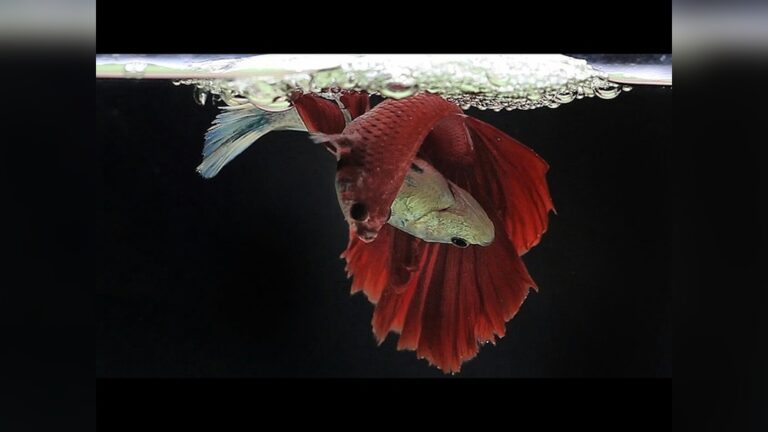
Male bettas build bubble nests before breeding. They blow bubbles that stick together on the water surface. These nests protect the eggs and young fry. The nest looks like a small cluster of bubbles, often under leaves or near tank walls. A strong bubble nest shows a healthy, ready-to-breed male.
Courtship Rituals
Male and female bettas perform courtship dances before spawning. The male flares his fins and gills to appear bigger. He swims around the female to attract her attention. The female may show vertical stripes if she is ready. These rituals help both fish confirm readiness for breeding.
Spawning Process
Spawning starts when the female releases eggs. The male wraps around the female to fertilize the eggs. He collects the eggs and places them in the bubble nest. After spawning, the male guards the nest carefully. The female should be removed to avoid aggression from the male.

Credit: tropicflow.com
Caring For Eggs And Fry
Caring for betta fish eggs and fry is a delicate task. Proper care increases survival rates. It ensures healthy growth for baby fish. Understanding their needs is key to success. This section covers egg care, feeding fry, and avoiding problems.
Egg Care And Incubation
Betta eggs need a clean, warm environment to develop. Keep the water temperature around 78-80°F (25-27°C). Avoid strong water currents that may damage eggs. Remove any unfertilized or fungus-infected eggs to prevent spread. Use a gentle air stone to keep water oxygenated. Incubation usually takes 24-36 hours before hatching.
Feeding Newly Hatched Fry
Newly hatched fry need tiny, nutritious food. Start with infusoria or commercially available liquid fry food. Feed small amounts multiple times daily to avoid overfeeding. After a few days, introduce baby brine shrimp or microworms. Change water regularly to keep the tank clean. Proper feeding supports strong growth and activity.
Preventing Common Problems
Watch for fungal infections on eggs and fry. Remove infected eggs quickly to stop spread. Maintain stable water temperature and quality to reduce stress. Avoid overcrowding fry to prevent aggression and poor health. Use a gentle filter or sponge filter to keep water clean without harming fry. Careful monitoring helps prevent disease and loss.
Post-breeding Tank Maintenance
Post-breeding tank maintenance is crucial for the health of betta fish and their fry. After breeding, the tank environment changes quickly. Proper care helps prevent disease and supports fry growth. Clean water and careful observation make a big difference.
Separating Adults
Remove the male and female betta fish soon after breeding. Adults can become aggressive and may harm each other or the fry. Place each adult in a separate tank or container. This keeps them safe and reduces stress.
Water Changes And Cleaning
Change the tank water regularly to keep it clean. Use a gentle method to avoid disturbing the fry. Remove uneaten food and waste daily. Clean any tank surfaces without using chemicals. Clean water helps fry stay healthy and grow strong.
Fry Growth Monitoring
Watch the fry closely as they grow. Check for signs of illness or slow growth. Feed small amounts of food suitable for fry several times a day. Keep the water temperature stable. Healthy fry need clean water and proper nutrition to thrive.
Common Challenges In Breeding
Breeding betta fish is rewarding but comes with many challenges. These challenges can affect the health and survival of the fry. Understanding common problems helps breeders prepare and improve success rates.
Many breeders face aggression between fish. Diseases like fungal infections can harm eggs and fry. Low hatch rates often cause frustration and loss.
Aggression Issues
Male bettas are naturally aggressive. Fighting can cause injuries or death. Separating fish at the right time is critical. Watching behavior closely helps avoid serious harm. Using a divider during breeding can reduce conflict.
Fungal Infections
Fungus grows quickly in warm water. It attacks eggs and weak fry. Clean water and good aeration prevent fungus. Removing infected eggs stops spread. Using antifungal treatments can save healthy eggs.
Low Hatch Rates
Low hatch rates frustrate many breeders. Poor water quality reduces egg survival. Stress in parent fish affects fertility. Providing proper nutrition boosts hatch success. Stable temperature and clean tanks improve results.

Credit: freshwaterfishglobal.wordpress.com
How Smart Pets Lover Can Help You with Breeding Betta Fish
Turning Betta Breeding Into a Learning Journey
Breeding Betta fish is more than a hobby—it’s a hands-on opportunity to deepen your understanding of aquatic life and responsible pet care. As you prepare the breeding tank and select compatible pairs, you’re not just setting the stage for new life but also practicing patience and keen observation. Watching breeding behavior unfold helps you connect emotionally with your fish, enhancing your appreciation for their unique personalities.
Caring for eggs and fry offers practical lessons in nurturing delicate life stages, reinforcing the importance of a clean, well-maintained environment. These experiences align with what we at Smart Pets Lover value most: creating confident, informed pet parents who feel truly connected to their companions.
- Observe water parameters closely to prevent common challenges in breeding.
- Keep a journal to track behaviors and growth—this can reveal valuable patterns.
- Reach out to experienced communities or resources if questions arise; learning never stops.
If you want to share your experiences or seek advice, connecting with fellow Betta enthusiasts can be incredibly rewarding. Remember, every small step in breeding Betta fish is a chance to nurture both your pets and your passion.
Frequently Asked Questions
How Do You Prepare Betta Fish For Breeding?
To prepare betta fish for breeding, isolate a healthy male and female separately. Feed them high-protein foods. Condition them for 7-10 days before introduction. Maintain optimal water temperature around 78-80°F for breeding success.
What Is The Ideal Tank Setup For Breeding Bettas?
Use a 10-gallon tank with a heater and gentle filtration. Provide hiding spots for the female. Maintain water temperature at 78-80°F. Keep water clean and stable to encourage spawning behavior.
How Long Does Betta Fish Breeding Take?
Breeding bettas typically takes 24 to 48 hours. The male builds a bubble nest first. After spawning, the male guards eggs until they hatch in 2-3 days.
When Should You Separate Betta Fry From Parents?
Separate fry from parents after 5 days when they start swimming freely. This prevents the male from eating the fry. Use a separate tank with clean water and proper feeding.
Conclusion
Breeding betta fish takes patience and care. You must watch water quality and temperature closely. Feeding the fish well helps them stay healthy. Watch the male and female carefully during breeding. Remove the female after spawning to keep peace. Caring for the fry needs gentle hands and time.
Small steps lead to strong, healthy betta babies. Enjoy the process and learn with each try. Breeding bettas can bring joy and pride to fish keepers. Keep these tips in mind for success.