Brackish Water Fish
Are you curious about fish that thrive in water that’s not quite fresh and not quite salty? Brackish water fish offer a fascinating glimpse into a unique world where nature blends two different environments.
Whether you’re thinking of starting a new aquarium or simply want to know more about these adaptable creatures, understanding brackish water fish can open up exciting possibilities for your hobby. Dive in with us as we explore what makes these fish special, how they live, and why they might be the perfect addition to your collection.
Keep reading—you won’t want to miss what’s swimming beneath the surface!
Brackish Water Basics
Brackish water fish live in water that is not fully fresh or salt. This water is a mix of both. These fish have special needs. Understanding the basics helps in caring for them well.
Brackish water environments are unique. They support many interesting fish species. Learning about their water helps keep fish healthy and happy.
What Is Brackish Water
Brackish water is a mix of fresh and salt water. It is not as salty as sea water. Nor is it as plain as fresh water. This mix creates a unique habitat. Many fish can live only in this type of water.
Salinity Levels
Salinity means how much salt is in water. Brackish water has salt levels between fresh and sea water. Usually, it has 0.5 to 30 parts per thousand salt. This range is perfect for brackish water fish. They need this balance to survive and grow.
Natural Habitats
Brackish water fish live in places where rivers meet oceans. These areas include estuaries, mangroves, and coastal lagoons. The water here changes with tides and rain. Fish adapt to these changing conditions. These habitats provide food and shelter for many species.
Popular Brackish Water Fish
Brackish water fish live in water that is a mix of fresh and salt. These fish adapt to changing salt levels. Many are colorful and active, making them popular for home aquariums. They add variety and interest to fish tanks. Here are some popular brackish water fish that hobbyists enjoy.
Mollies
Mollies are hardy fish that adjust well to brackish water. They come in many colors like black, silver, and orange. Mollies are peaceful and easy to care for. They eat a variety of foods including flakes and plants. Mollies breed easily, which is a bonus for beginners.
Archerfish
Archerfish are famous for shooting water to catch insects. They need brackish water with stable conditions. Archerfish are medium-sized and swim near the water surface. They prefer live foods like insects and small crustaceans. Watching their hunting skill is fascinating for fish lovers.
Scat Fish
Scat fish have a unique pattern that looks like a checkerboard. They thrive in brackish water and grow quite large. Scats are peaceful and do well in community tanks. They eat both plants and small animals. Scat fish require a tank with plenty of swimming space.
Figure Eight Puffer
Figure eight puffers are small but full of personality. They have a distinctive black and white pattern. Puffers need brackish water and a varied diet, including snails. They can be aggressive, so tank mates must be chosen carefully. These fish are fun to watch when they puff up.
Bumblebee Goby
Bumblebee gobies are tiny fish with yellow and black stripes. They prefer brackish water with gentle currents. Bumblebee gobies like to hide among rocks and plants. They mainly eat small live foods like brine shrimp. These gobies are peaceful and good for smaller tanks.
Tank Setup Tips
Setting up a tank for brackish water fish needs careful planning. These fish live in water that is a mix of fresh and saltwater. Creating the right environment helps keep them healthy and active. Follow these simple tips to create a perfect home for your brackish fish.
Water Parameters
Brackish water fish need water with specific salt levels. The salinity should be between 1.005 and 1.015 specific gravity. Maintain pH levels around 7.5 to 8.5 for best results. Keep temperature steady between 74°F and 82°F. Test water regularly to avoid sudden changes.
Filtration Needs
Good filtration is crucial in brackish tanks. Use a filter that handles moderate water flow. It helps remove waste and keeps water clean. Choose a filter safe for saltwater use. Clean or replace filter media often to maintain efficiency.
Tank Size
Size matters for healthy brackish fish. A minimum of 20 gallons works for small species. Larger fish need more space to swim freely. Bigger tanks help keep water stable and reduce stress. Plan for extra room if you want more fish.
Substrate And Decorations
Choose substrate that mimics natural brackish habitats. Sand or fine gravel works well. Add driftwood and rocks for hiding spots. Live plants that tolerate brackish water enhance the tank’s look. Decorations provide shelter and reduce fish stress.
Credit: www.aqueon.com
Feeding Brackish Fish
Feeding brackish water fish requires careful attention to their unique dietary needs. These fish live in water that is a mix of fresh and saltwater. Their diet must reflect this environment to keep them healthy and active.
Diet Types
Brackish fish eat a variety of foods. Many enjoy flakes and pellets made for saltwater or freshwater fish. Live foods like brine shrimp and bloodworms are also good choices. Some species prefer plant matter, such as algae or aquatic plants. Offering a mix helps ensure they get all needed nutrients.
Feeding Frequency
Feed brackish fish small amounts once or twice a day. Overfeeding can cause water pollution and health problems. Watch how much they eat in a few minutes. Remove any leftover food to keep the tank clean.
Special Dietary Needs
Some brackish fish need extra care with their food. Species like pufferfish require a diet rich in calcium. Others may need more protein or fiber based on their natural habits. Study each fish type to provide the right balance for growth and vitality.
Breeding Brackish Fish
Breeding brackish water fish offers a unique challenge for aquarium hobbyists. These fish thrive in water that is not fully fresh or fully salty. Reproducing them requires attention to specific details about their environment and behavior. Many species have fascinating breeding habits that can be rewarding to observe.
Spawning Conditions
Brackish water fish need stable water conditions to spawn. The salinity level must match their natural habitat, usually between fresh and marine water. Temperature plays a key role and should be consistent. Providing plenty of hiding spots encourages breeding behavior. Light cycles often influence spawning times. Simulating natural changes can trigger fish to lay eggs.
Raising Fry
Fry are the baby fish that hatch from eggs. They need gentle care and clean water to survive. Feeding tiny foods like infusoria or baby brine shrimp is essential. Frequent water changes keep the tank healthy. Separate the fry from adult fish to prevent harm. Watch their growth and gradually introduce larger foods as they grow.
Common Challenges
Breeding brackish fish brings common problems. Fry are delicate and can die easily. Water quality must be perfect to avoid diseases. Adults may eat their eggs or fry. Maintaining the right salinity and temperature is tricky. Patience is crucial during this process. Learning from mistakes helps improve success rates.

Credit: www.researchgate.net
Common Health Issues
Brackish water fish live in a mix of salt and fresh water. This unique environment can cause specific health problems. Knowing these issues helps keep your fish healthy and happy.
Common health issues include infections, parasites, and stress-related problems. These can weaken fish and affect their behavior. Early care and attention can prevent serious damage.
Disease Prevention
Clean water is key to disease prevention. Change water regularly and check salinity levels. Use good filters to remove waste and harmful chemicals. Quarantine new fish before adding them to your tank. This stops diseases from spreading quickly.
Signs Of Stress
Stress shows in many ways. Fish may hide, lose appetite, or swim oddly. Look for faded colors or damaged fins. Rapid breathing or gasping at the surface also signals stress. Spotting these signs early helps save your fish.
Treatment Options
Treat infections with proper medication from pet stores. Salt baths can help some parasites. Adjust water temperature and salinity to suit the fish species. Remove sick fish to avoid infecting others. Always follow instructions carefully during treatment.
Mixing Species
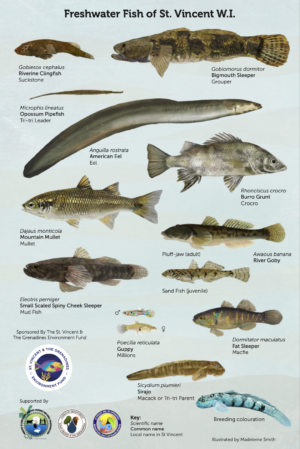
Mixing species in a brackish water tank can create a lively and colorful environment. Many fish can live together if chosen carefully. Knowing which fish work well together helps keep peace in the tank. Understanding fish behavior and space needs is key. This helps avoid stress and fights among fish.
Compatible Fish
Choose fish that thrive in similar brackish water conditions. Some popular compatible species include mollies, archerfish, and figure-eight puffers. These fish tolerate the same water salinity and temperature. Avoid mixing fish that need fresh water or full saltwater. Look for species with similar sizes to prevent bullying.
Aggression Management
Watch for signs of aggression like chasing or nipping. Separate aggressive fish quickly to prevent injury. Add hiding spots to reduce stress and fights. Use plants, rocks, or decorations to create territories. Keep the tank clean and water quality high. Healthy fish are less likely to become aggressive.
Community Tank Tips
Keep the tank size large enough for all fish. Overcrowding increases stress and aggression. Feed fish a balanced diet to avoid competition. Monitor fish daily for health and behavior changes. Regular water testing helps maintain safe conditions. Introduce new fish slowly to let others adjust.
Credit: www.svgef.org
How Smart Pets Lover Can Help You with Brackish Water Fish
Learning Through Caring for Brackish Water Fish
Diving into the world of brackish water fish offers more than just a colorful display—it’s a hands-on lesson in aquatic balance and responsible pet care. Understanding tank setup tips, such as maintaining the right salinity and choosing compatible species, teaches patience and attention to detail, essential qualities for any pet parent.
Feeding brackish fish properly also gives insight into nutrition and behavior, reinforcing how tailored care impacts health and happiness. As you navigate common health issues, you develop a sharper eye for subtle changes, deepening your connection with these unique aquatic companions.
- Observe how water chemistry affects fish behavior and wellbeing.
- Explore breeding brackish fish to appreciate natural cycles and care challenges.
- Practice mixing species thoughtfully, fostering harmony in your tank community.
At Smart Pets Lover, we believe every small step in caring for your brackish water fish builds confidence and a richer bond with your pets. For more detailed guidance or questions, reaching out to local aquatic experts or forums can be a great way to keep learning and growing alongside your finned friends.
Frequently Asked Questions
What Is Brackish Water Fish Habitat?
Brackish water fish live in water with mixed salt and freshwater. This habitat is often found in estuaries, mangroves, and coastal lagoons where freshwater meets seawater. These fish adapt to varying salinity levels, making them unique and resilient aquatic species.
Which Fish Species Thrive In Brackish Water?
Popular brackish water fish include molly, archerfish, and scats. These species tolerate fluctuating salinity and are common in home aquariums. They require specific care to mimic their natural environment for healthy growth and behavior.
How To Maintain A Brackish Water Aquarium?
Maintain stable salinity between 1. 005 and 1. 015 specific gravity. Use a hydrometer to monitor salt levels regularly. Provide proper filtration, temperature control, and regular water changes to keep fish healthy and stress-free.
Are Brackish Water Fish Suitable For Beginners?
Yes, some brackish water fish like mollies and gobies are beginner-friendly. They adapt well to home aquariums with moderate care. However, understanding their salinity needs is crucial for successful fishkeeping.
Conclusion
Brackish water fish offer a unique choice for aquarium lovers. They live in water that is not fully fresh or salty. These fish adapt well to changing environments. Keeping them needs simple care and attention. They add variety and color to tanks.
Choosing the right species helps you succeed. Enjoy the beauty and calm of brackish fish. They bring life to any water setup. Try them and see the difference yourself.