Bottom Feeder Fish
Have you ever wondered what happens at the very bottom of your aquarium or the ocean floor? Bottom feeder fish play a crucial role in keeping their environment clean and balanced.
These fish might not be the flashiest swimmers, but they are the ultimate recyclers, eating leftovers and debris that others ignore. If you want to understand how these fascinating creatures help maintain healthy waters or are thinking of adding some to your tank, this article is for you.
Keep reading to discover why bottom feeder fish are more important than you might think—and how they can transform your aquatic world.
What Are Bottom Feeder Fish
Bottom feeder fish live and feed near the bottom of water bodies. They play a key role in cleaning the environment. These fish eat leftover food, dead plants, and tiny animals from the water floor. This helps keep the water clean and healthy for other creatures.
Many types of fish fall into this group. They have special features to help them find food in dark, muddy places. Their behavior and diet make them unique among aquatic animals.
What Defines Bottom Feeder Fish?
Bottom feeder fish search for food at the water’s lowest level. They often feed on detritus, algae, or small animals. This diet helps recycle nutrients in the water. Their mouths are usually shaped to help scoop or suck food from the ground.
Common Habitats Of Bottom Feeder Fish
These fish live in rivers, lakes, and oceans. They prefer muddy, sandy, or rocky bottoms. Some species can survive in low-oxygen areas. Their habitats are often dark and cool, providing safety and food.
Typical Features Of Bottom Feeder Fish
Many bottom feeders have flat bodies to stay close to the floor. They may have barbels, which are whisker-like organs to sense food. Their eyes are often placed on top of their heads for better vision. These features help them find food in murky waters.
Common Types Of Bottom Feeders
Bottom feeder fish live at the tank or pond bottom. They help keep the environment clean by eating leftover food and waste. Many types of bottom feeders exist, each with unique traits and care needs. Knowing the common types helps you choose the right fish for your setup.
Catfish Varieties
Catfish are popular bottom feeders with whisker-like barbels. These barbels help them find food in dark places. Common types include Corydoras and Channel Catfish. Corydoras are small and peaceful, perfect for community tanks. Channel Catfish grow large and need more space. Both types clean leftover food well.
Loaches And Their Traits
Loaches are active bottom dwellers known for their slender bodies. They often have bright colors and patterns. Clown Loaches and Kuhli Loaches are favorites. Loaches enjoy hiding spots and smooth substrates. They help control snails and leftover food. Loaches thrive in groups and need peaceful tank mates.
Carp And Goldfish
Carp and goldfish are classic bottom feeders. Goldfish eat algae and debris on tank surfaces. They need large tanks because they grow big. Carp are hardy and adapt to many water types. Both produce a lot of waste, so good filtration is needed. They add color and life to ponds and large aquariums.
Plecos And Suckermouth Catfish
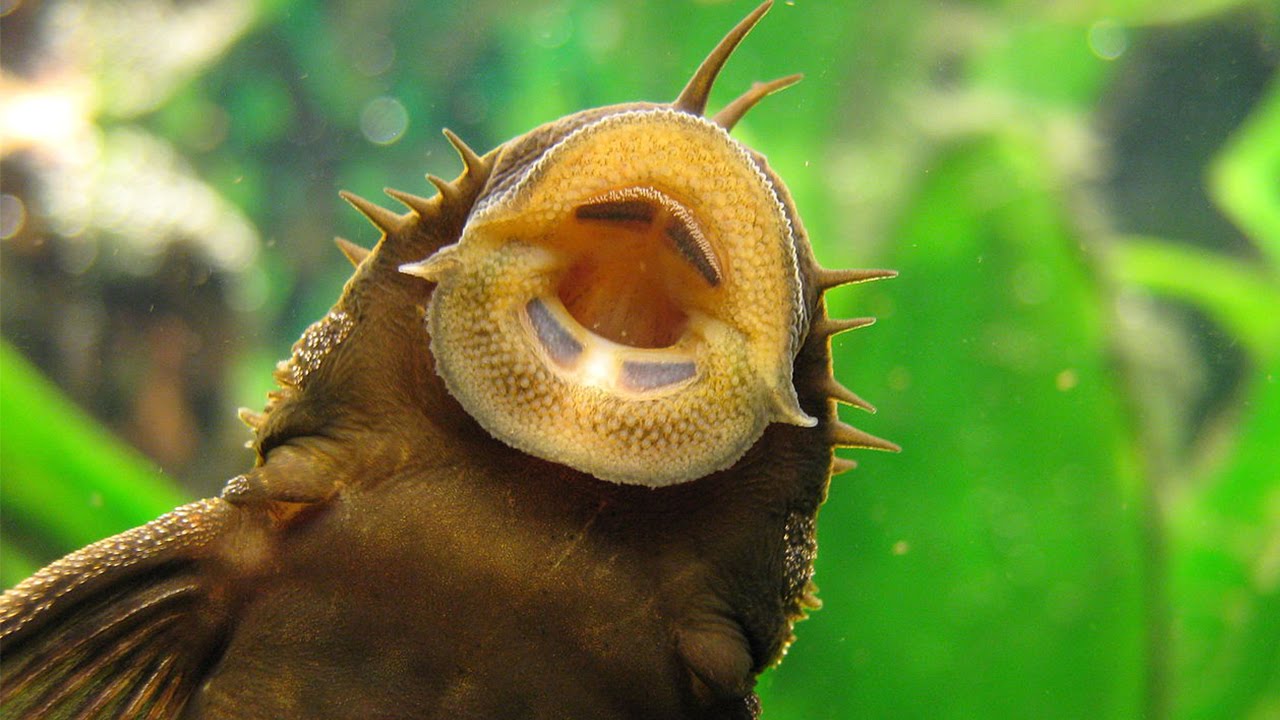
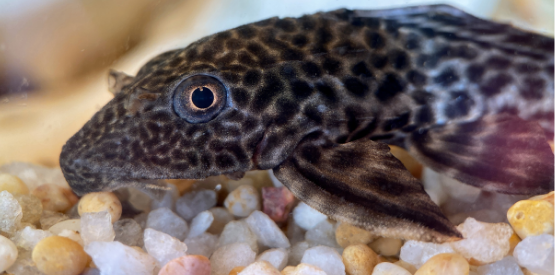
Plecos are known for their sucker mouths that clean glass and decorations. Common Plecos can grow very large. Bristlenose Plecos stay smaller and are easier to care for. They eat algae and help reduce tank grime. These fish need hiding places and driftwood for diet and shelter.
Bottom Feeder Habitats
Bottom feeder fish live at the lowest parts of water bodies. Their habitats vary greatly, from quiet freshwater ponds to deep ocean floors. These fish play a key role by cleaning up leftover food and debris. Understanding their habitats helps in caring for them properly, whether in the wild or in aquariums.
Freshwater Environments
Many bottom feeders thrive in freshwater lakes and rivers. They prefer slow-moving or still water with soft, muddy bottoms. Plants and rocks offer shelter and food sources like algae and small insects. Common freshwater bottom feeders include catfish and loaches. These habitats are rich in nutrients, making them ideal for bottom dwellers.
Saltwater Bottom Dwellers
Saltwater bottom feeders live in oceans and seas, often near coral reefs or sandy seabeds. They feed on detritus, small crustaceans, and dead matter. Examples include certain types of gobies and flounders. These fish adapt to varying depths and temperatures. Saltwater habitats provide a diverse environment for many bottom feeders.
Tank Setup For Bottom Feeders
Setting up a tank for bottom feeders requires careful planning. Use a soft substrate like sand or fine gravel to protect their barbels and fins. Add hiding spots using rocks, caves, or plants. Keep water clean and well-oxygenated to mimic natural conditions. Choose tank mates that do not compete for bottom space. Proper setup helps bottom feeders stay healthy and active.
Credit: www.youtube.com
Feeding Habits And Diet
Bottom feeder fish have unique feeding habits. They spend much time near the tank or river bed. Their diet mainly consists of leftovers and small organisms. Understanding their feeding habits helps keep them healthy in aquariums and the wild.
Natural Diet In The Wild
Bottom feeders eat dead plants and animals. They also consume small insects, larvae, and algae. Some scrape food off rocks or dig into the mud. This diet helps clean the water by removing waste and debris. Each species has its own preferences for food types.
Feeding Bottom Feeders In Aquariums
Feed bottom feeders after other fish eat. They often eat leftover flakes or pellets. Some need sinking food that reaches the tank floor. Avoid overfeeding to prevent water pollution. Watch their eating habits to adjust food amounts properly.
Types Of Food Suitable For Bottom Feeders
Sinking pellets and wafers are good choices. Frozen or live foods like bloodworms and brine shrimp work well. Vegetables such as zucchini and spinach can be added. Avoid floating foods that do not reach the bottom. Variety in diet keeps bottom feeders active and healthy.
Behavior And Social Traits
Bottom feeder fish have unique behavior and social traits. They spend most of their time near the tank or riverbed. Their actions help keep the environment clean. These fish have different ways of interacting with others and showing their mood. Understanding their behavior helps in caring for them properly.
Interaction With Other Fish
Bottom feeders often stay low and avoid direct conflict. They usually mind their own space. Some species enjoy company and swim in groups. Others prefer solitude and avoid crowded areas. They rarely bother fish that swim at the top or middle. Their peaceful nature makes them good tank mates.
Territorial Tendencies
Many bottom feeders mark small areas as their own. They guard these spots from similar fish. This behavior is stronger during feeding or breeding times. Territory size depends on the species and tank size. Providing enough hiding places reduces fights and stress.
Activity Patterns
Most bottom feeders are active during the day. They search for food by sifting through gravel or plants. Some species are more active at night. Their slow and steady movement helps them avoid predators. Observing their activity helps spot health or environment issues early.
Benefits Of Keeping Bottom Feeders
Keeping bottom feeder fish offers many benefits for aquarium owners. These fish help maintain a clean and healthy tank environment. They perform important tasks that make tank care easier and more enjoyable. Understanding these benefits helps you appreciate the value of bottom feeders in your aquarium.
Tank Cleaning Helpers
Bottom feeders eat leftover food and debris from the tank floor. This helps keep the tank clean and reduces the need for frequent cleaning. Their constant activity stirs up the substrate, preventing harmful gases from building up. These fish act as natural cleaners, saving time and effort.
Algae Control
Many bottom feeder species eat algae growing on tank surfaces. This helps control algae growth and keeps the tank looking clear. They reach spots where other fish cannot, cleaning hard-to-reach areas. Their presence reduces the need for chemical algae treatments.
Reducing Waste Accumulation
Bottom feeders consume uneaten food before it decays. This lowers waste buildup in the tank water. Less waste means better water quality and fewer health problems for all fish. Their role in waste reduction supports a balanced and stable aquarium.
Challenges Of Bottom Feeder Care
Caring for bottom feeder fish can be tricky. These fish need special conditions to thrive. Understanding their needs helps keep them healthy and active. Challenges arise from their unique habits and environment requirements. Proper care means paying close attention to water, health, and tank mates.
Water Quality Requirements
Bottom feeders live near the tank floor where waste gathers. This makes water quality very important. Clean water prevents harmful bacteria and toxins from building up. Regular water changes are necessary to remove debris. Testing water for ammonia, nitrites, and nitrates helps maintain balance. Stable temperature and pH levels keep bottom feeders comfortable. Poor water quality can stress these fish and lead to illness.
Potential Health Issues
Bottom feeders can face health problems from poor care. They are prone to infections caused by dirty water. Parasites may hide in substrate and decorations. Injury can happen if sharp objects are in the tank. Signs of sickness include lack of movement and loss of appetite. Early detection and treatment improve survival chances. Clean environment and good diet reduce health risks.
Compatibility With Tank Mates
Choosing the right tank mates is vital for bottom feeders. Some fish are aggressive and may bully them. Others compete for food, leaving bottom feeders hungry. Peaceful fish with similar space needs work best. Avoid large or fast swimmers that disturb the bottom area. Proper tank size gives all fish enough room to live. Observing fish behavior helps ensure harmony in the aquarium.
Credit: www.apifishcare.co.uk
Breeding Bottom Feeders
Breeding bottom feeder fish can be a rewarding experience for aquarium enthusiasts. These fish often have unique habits and needs during reproduction. Understanding their breeding behavior helps create a healthy environment for spawning and fry growth. Patience and attention to detail are key to success. Below are important aspects to consider when breeding bottom feeders.
Breeding Conditions
Bottom feeders need specific water parameters for breeding. Temperature should be stable and suitable for the species. Soft, slightly acidic water often encourages spawning. Provide plenty of hiding places with plants or decorations. A quiet tank without strong currents helps reduce stress. Light levels may need adjustment based on fish preference. Consistent feeding with quality food also supports breeding readiness.
Egg Care And Fry Development
After spawning, eggs require careful care to ensure survival. Remove adult fish to prevent egg eating. Keep the water clean and oxygenated. Use gentle filtration to avoid disturbing eggs. Eggs usually hatch within a few days depending on species. Fry need small, frequent feedings of finely crushed food or specialized fry food. Monitor water quality closely as fry are sensitive to changes. Gradually increase food size as fry grow.
Common Breeding Practices
Many breeders use separate breeding tanks to control conditions better. Conditioning adults with high-protein foods often triggers spawning. Some species lay eggs on flat surfaces, others scatter them. Collecting and transferring eggs to a safe tank is common. Regular water changes help maintain ideal conditions. Observing fish behavior helps identify the best time to breed. Simple tools like spawning mops or clay pots can assist egg laying.

Credit: hikariusa.com
How Smart Pets Lover Can Help You with Bottom Feeder Fish
Learning Through Caring for Bottom Feeder Fish
Understanding bottom feeder fish opens up wonderful practical learning opportunities for any pet parent. Observing their unique feeding habits and diet can teach patience and attentiveness, especially since these fish often sift through substrate or hide food in clever ways. Their behavior and social traits provide insights into aquatic ecosystems and how different species coexist, encouraging a deeper appreciation for natural habitats.
For those interested in breeding bottom feeders, the challenges involved offer hands-on experience in responsible pet care and environmental control. This journey nurtures empathy and problem-solving skills, essential qualities for any pet lover. At Smart Pets Lover, we believe that learning about these fascinating creatures enriches the bond you share with your aquatic companions, making every moment rewarding.
If you ever need guidance or want to share your experiences, connecting with fellow enthusiasts or experts can be invaluable. Feel free to reach out to knowledgeable communities or trusted sources to keep your bottom feeder care both joyful and informed.
Frequently Asked Questions
What Are Bottom Feeder Fish?
Bottom feeder fish are species that feed on the ocean or aquarium floor. They consume algae, detritus, and leftover food. These fish help keep aquatic environments clean and balanced by recycling nutrients from the substrate.
Which Fish Are Common Bottom Feeders?
Common bottom feeders include catfish, loaches, plecos, and corydoras. These species thrive near the substrate, scavenging for food. They are popular in aquariums for their cleaning abilities.
How Do Bottom Feeders Benefit Aquariums?
Bottom feeders reduce waste by eating leftover food and algae. They help prevent harmful buildup and maintain water quality. This natural cleaning supports a healthy aquatic ecosystem.
Can Bottom Feeder Fish Live With Other Species?
Yes, most bottom feeders coexist peacefully with other fish. They usually avoid aggression and occupy different tank levels. Compatibility depends on species temperament and tank conditions.
Conclusion
Bottom feeder fish play an important role in water ecosystems. They help clean the environment by eating leftover food and waste. Many species of bottom feeders live in both fresh and saltwater. They also provide food for larger fish and animals.
Understanding these fish helps us appreciate nature’s balance. Caring for their habitats supports healthy aquatic life. Keep learning about bottom feeders to protect our waters. Their unique habits make them fascinating and valuable creatures. Simple actions can help keep their homes safe and clean.