Blue Zebra Cichlids
If you’re looking to add a splash of color and excitement to your aquarium, Blue Zebra Cichlids are a perfect choice. These vibrant fish are not only stunning but also full of personality, making them a favorite among fish enthusiasts.
You might be wondering how to care for them or what makes them stand out from other cichlids. Keep reading, and you’ll discover everything you need to know to keep your Blue Zebra Cichlids healthy, happy, and thriving in your tank.
Your underwater world is about to get a whole lot more interesting!
Blue Zebra Cichlid Basics
The Blue Zebra Cichlid is a popular freshwater fish known for its striking look and lively behavior. This fish is a favorite among aquarium enthusiasts. It offers a splash of color and an active presence in any tank. Understanding its basics helps in providing the right care and environment.
Here are key facts about Blue Zebra Cichlids that every fish keeper should know.
Appearance And Colors
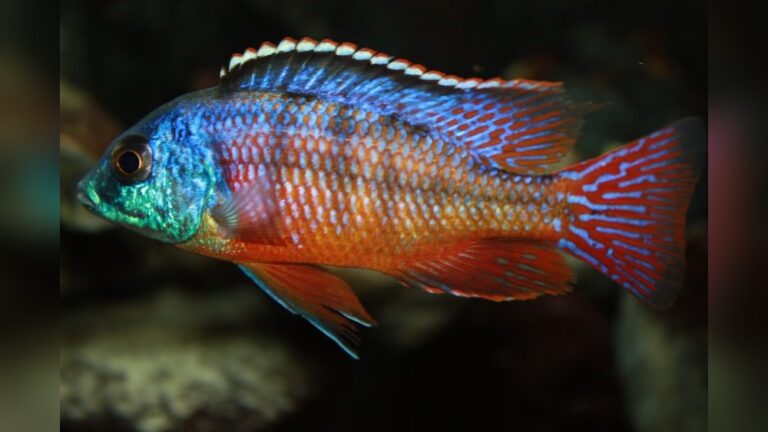
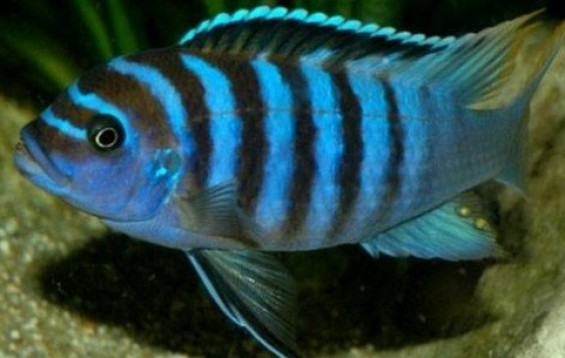
Blue Zebra Cichlids have a bright blue body with black vertical stripes. These stripes resemble zebra patterns, giving the fish its name. Males usually have more vibrant colors than females. Their fins are often edged in blue or black. The shimmering scales add to their eye-catching look.
Natural Habitat
This cichlid comes from Lake Malawi in Africa. The lake has rocky shores and clear water. Blue Zebra Cichlids thrive in warm, slightly alkaline water. They live among rocks and crevices, using these spaces for hiding and breeding. Mimicking this environment helps them stay healthy in aquariums.
Lifespan And Size
Blue Zebra Cichlids can live up to 6 to 8 years with proper care. They grow to about 4 to 5 inches long. Males tend to be larger than females. Providing a balanced diet and clean water supports their long life. Regular tank maintenance keeps them vibrant and active.
Tank Setup And Environment
Setting up a proper tank for Blue Zebra Cichlids helps them thrive. Their environment needs to mimic their natural habitat closely. This ensures they stay healthy and active. A well-planned tank also reduces stress and aggression. Below are key points for creating the perfect home for your fish.
Tank Size Requirements
Blue Zebra Cichlids grow up to 4 inches long. A tank of at least 30 gallons suits a small group. Bigger tanks prevent territorial fights. Space helps them swim freely and hide when needed. A larger tank supports better water quality too.
Water Conditions
These fish prefer warm water between 75°F and 82°F. Keep the pH level from 7.8 to 8.6 for best health. Hard water with minerals is ideal. Regular water changes keep ammonia and nitrate low. Use a good filter to maintain clear water.
Substrate And Decorations
Use sand or fine gravel as substrate to mimic their lakebed. Rocks and caves provide hiding spots and reduce stress. Avoid sharp decorations that can hurt the fish. Live plants are not necessary but can add beauty. Arrange decorations to create territories and breaks in sight.
Feeding Blue Zebra Cichlids
Feeding Blue Zebra Cichlids is key to keeping them healthy and vibrant. These fish need a balanced diet to show their bright colors and strong behavior. Knowing what to feed, how often, and what to avoid helps your fish live longer and stay active.
Diet And Nutrition
Blue Zebra Cichlids eat mostly protein. They need food with fish meal, shrimp, or insects. Quality cichlid pellets are good daily food. Fresh or frozen foods like brine shrimp or bloodworms add variety. Vegetables like spinach or peas help with digestion. A mix of protein and vegetables keeps them healthy and strong.
Feeding Schedule
Feed your Blue Zebra Cichlids two times a day. Give small amounts they can eat in 2-3 minutes. Overfeeding can cause water problems and illness. Young fish may need three small meals daily. Watch their behavior to adjust feeding amounts. Regular feeding keeps fish active and reduces stress.
Foods To Avoid
Avoid feeding Blue Zebra Cichlids bread or processed human food. These foods cause poor health and water pollution. Stay away from high-fat or sugary foods. Do not feed wild-caught insects or plants that may carry diseases. Keep their diet clean and natural for best results.

Credit: aquariumfishonline.com.au
Behavior And Temperament
Blue Zebra Cichlids display a unique mix of behaviors. Their temperament can influence the tank’s atmosphere. Understanding their behavior helps create a peaceful environment. These fish are active and curious. They interact with each other and their surroundings in interesting ways.
Social Behavior
Blue Zebra Cichlids enjoy social groups but need space. They form small communities with clear social ranks. Males often show dominance through displays and movement. Females tend to be less aggressive but still assertive. Watching their interactions can be fascinating and lively.
Territoriality
These cichlids are very territorial. Males especially guard their space with intensity. They mark areas with rocks and decorations. Intruders often face chasing or mild fights. It is best to provide many hiding spots. This reduces stress and territorial fights.
Compatibility With Other Fish
Blue Zebra Cichlids can live with other species. Choose tank mates that handle their assertive nature. Avoid slow or very peaceful fish. Strong, similar-sized fish work best as companions. Keep an eye on behavior to prevent conflicts. Proper tank setup helps all fish coexist peacefully.
Breeding Blue Zebra Cichlids
Breeding Blue Zebra Cichlids is an interesting process that many aquarium hobbyists enjoy. These fish are known for their vibrant blue colors and active behavior. Breeding them requires care and attention to their needs. Understanding the right conditions and steps helps increase success. This guide covers the basics of breeding, spawning, and raising fry.
Breeding Conditions
Blue Zebra Cichlids need clean water with a stable temperature. Keep the water temperature between 78 and 82 degrees Fahrenheit. The pH level should be slightly alkaline, around 7.8 to 8.6. Provide plenty of hiding spots using rocks or caves. These spots help reduce stress and encourage breeding. Use a tank size of at least 30 gallons for a breeding pair.
Spawning Process
During spawning, the female lays eggs on flat surfaces. The male then fertilizes the eggs. This usually happens in caves or on smooth rocks. Both parents guard the eggs closely. The eggs hatch in about three to four days. Watch for the parents’ protective behavior, which is a good sign of spawning.
Raising Fry
Once the eggs hatch, the fry stay close to the parents. The parents help protect the young fish from danger. Feed the fry with small foods like baby brine shrimp or crushed flakes. Keep the tank clean and maintain stable water conditions. As the fry grow, gradually introduce larger foods. Separate the fry if aggression increases among fish.
Credit: www.tankfacts.com
Common Health Issues
Blue Zebra Cichlids are vibrant and lively fish. They bring color and activity to any aquarium. Like all fish, they can face health problems. Knowing common health issues helps keep them safe and healthy.
Illnesses can affect their behavior, appearance, and lifespan. Early detection and care improve their chances of recovery. Watch your fish closely for any changes. Healthy fish mean a happy tank environment.
Signs Of Illness
Look for changes in swimming patterns. Fish that hide or stay still often are sick. Check for faded colors or spots on the body. Gasping at the water surface can show trouble. Loss of appetite is another clear sign. Swollen belly or clamped fins may also indicate illness.
Preventive Care
Keep the tank clean with regular water changes. Maintain stable water temperature and pH levels. Avoid overcrowding to reduce stress and disease spread. Feed a balanced diet with quality fish food. Quarantine new fish before adding them to the tank. Use a good filter to keep water pure.
Treatment Options
Isolate sick fish to prevent infection spread. Use medicated food or water treatments as directed. Follow instructions carefully for dosage and duration. Remove any uneaten food to keep water clean. Consult an aquatic vet for serious conditions. Early treatment can save your Blue Zebra Cichlid’s life.
Tips For Successful Care
Blue Zebra Cichlids are beautiful and lively fish. They need special care to stay healthy and happy. Proper care helps them live longer and show their bright colors. Follow these simple tips for successful care.
Maintaining Water Quality
Clean water is very important for Blue Zebra Cichlids. Keep the water temperature between 76°F and 82°F. Test the water weekly to check pH and ammonia levels. The pH should be around 7.8 to 8.6. Use a good water filter to remove waste. Change 20% of the water every week to keep it fresh.
Regular Tank Maintenance
Regular cleaning helps prevent illness. Remove uneaten food and waste daily. Clean the tank walls to avoid algae build-up. Check the filter and clean it monthly. Replace filter media as needed. Keep decorations and plants clean but avoid disturbing the fish too much.
Handling Aggression
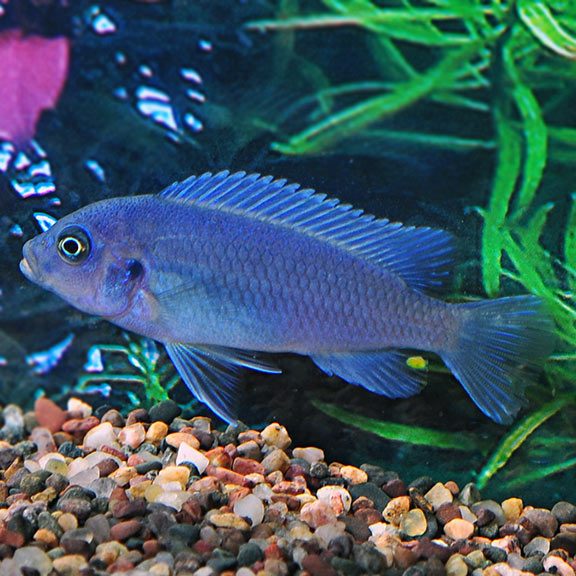
Blue Zebra Cichlids can be aggressive. Give each fish enough space with hiding spots. Use rocks and caves to reduce fights. Avoid overcrowding the tank. Watch the fish for signs of stress or injury. Separate very aggressive fish to keep peace. Feeding the fish well also lowers aggression.
Credit: www.liveaquaria.com
How Smart Pets Lover Can Help You with Blue Zebra Cichlids
Learning Through Caring for Blue Zebra Cichlids
Taking care of Blue Zebra Cichlids offers more than just a colorful addition to your home; it’s an opportunity to deepen your understanding of aquatic life and responsible pet ownership. As you set up the ideal tank environment and observe their unique behavior and temperament, you’ll notice how these fish respond to thoughtful care and proper feeding routines. This hands-on experience can enhance your knowledge about fish health, recognizing early signs of common issues, and the delicate balance needed for successful breeding.
At Smart Pets Lover, we believe every pet parent’s journey is a chance to learn and connect emotionally with their animals. Whether you’re adjusting tank parameters or monitoring social interactions among your cichlids, these moments build confidence and empathy. If you ever need guidance or a friendly chat about your Blue Zebra Cichlids, don’t hesitate to reach out via our website’s contact page—because every wag, purr, and splash tells a story worth sharing.
Frequently Asked Questions
What Is The Lifespan Of Blue Zebra Cichlids?
Blue Zebra Cichlids typically live 5 to 8 years with proper care. A stable environment and balanced diet help extend their lifespan.
How Big Do Blue Zebra Cichlids Grow?
They usually grow up to 6 inches (15 cm) in length. Size depends on tank conditions and diet quality.
What Tank Size Suits Blue Zebra Cichlids Best?
A minimum 30-gallon tank is recommended for one Blue Zebra Cichlid. Larger tanks are needed for multiple fish to reduce aggression.
Are Blue Zebra Cichlids Aggressive Towards Other Fish?
Yes, they can be territorial and aggressive. Keeping them with similar-sized, robust fish minimizes conflicts.
Conclusion
Blue Zebra Cichlids make a colorful and lively addition to any aquarium. They need clean water and a balanced diet to stay healthy. These fish enjoy having places to hide and swim freely. Watching their unique patterns and behaviors brings joy to fish lovers.
Taking care of them is simple with the right knowledge and tools. Enjoy the beauty and activity Blue Zebra Cichlids bring to your tank every day.