Blue Tetra
If you’re looking to add a splash of vibrant color to your aquarium, the Blue Tetra is a perfect choice. These small, shimmering fish are not only beautiful but also easy to care for, making them ideal for both beginners and experienced hobbyists.
Imagine watching your tank come alive as these striking blue swimmers glide gracefully through the water. You’ll discover everything you need to know about Blue Tetras—from their care requirements to how they can brighten up your underwater world. Ready to make your aquarium more captivating?
Let’s dive in!
Blue Tetra Basics
The Blue Tetra is a popular freshwater fish loved by many aquarium hobbyists. It has a calm nature and beautiful colors. Understanding its basics helps in caring for it properly.
Knowing its appearance, natural habitat, and behavior makes it easier to keep Blue Tetras happy and healthy. This section covers these important points.
Appearance And Colors
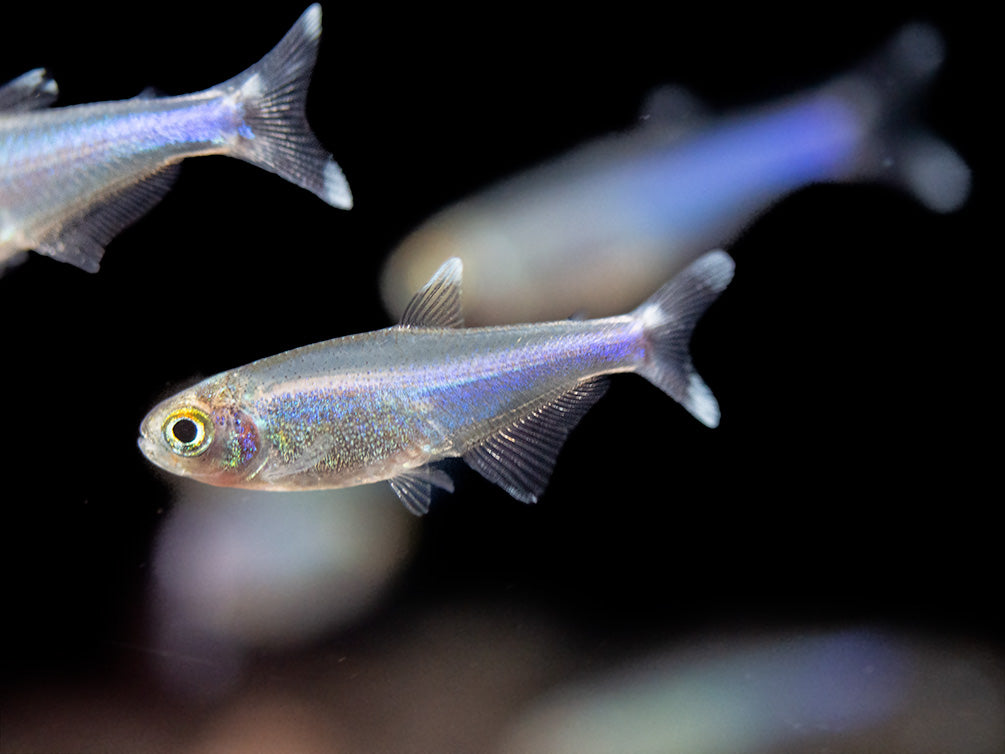
Blue Tetras have a sleek, small body that grows up to 2 inches. Their scales shine with a bright blue color. This color sometimes changes depending on light and mood.
They often have a silver belly and a faint black line along their sides. Their fins are mostly clear but can show hints of blue or white edges.
Natural Habitat
Blue Tetras come from South American rivers and streams. They prefer slow-moving waters with lots of plants. These places have soft, slightly acidic water with low minerals.
In nature, they live among plants and roots. This gives them shelter from bigger fish and helps them find food easily.
Behavior Traits
Blue Tetras are peaceful and social fish. They enjoy swimming in groups of six or more. This reduces stress and shows their natural behavior.
They are active during the day and spend time near the middle of the tank. They can be shy but become curious once they feel safe.

Credit: shrimpybusiness.com
Tank Setup
Setting up the right tank is key to keeping Blue Tetras healthy and happy. Their environment should mimic their natural habitat. A well-prepared tank helps them show their bright colors and active behavior. Small details in the setup make a big difference in their comfort and wellbeing.
Choosing the right size, water quality, and decorations creates a calm space. This space allows Blue Tetras to swim freely and feel safe. Proper care starts with the tank setup, so each step matters.
Ideal Tank Size
Blue Tetras need enough space to swim in groups. A tank of at least 20 gallons suits a small school. Larger tanks work better for more fish or added plants. Space helps reduce stress and aggressive behavior. Keep the tank longer than it is tall for better swimming room.
Water Conditions
Blue Tetras prefer soft, slightly acidic water. Maintain a pH between 6.0 and 7.0 for best results. Keep water temperature between 72 and 79°F. Regular water changes keep the tank clean and healthy. Use a gentle filter to avoid strong currents. Clear water helps Blue Tetras feel secure and active.
Plant And Decoration Tips
Plants provide shelter and reduce stress for Blue Tetras. Use live plants like Java Fern or Anubias. These plants grow well in low light and need little care. Add smooth rocks and driftwood for hiding spots. Avoid sharp decorations that might hurt the fish. Keep open swimming areas between plants for exercise.
Feeding Blue Tetras
Feeding Blue Tetras is simple but important for their health. They need a balanced diet to stay active and colorful. Knowing what and how often to feed them helps keep them happy in your aquarium.
Diet Preferences
Blue Tetras like a variety of foods. They enjoy small live or frozen foods like brine shrimp and daphnia. They also eat flake and pellet foods made for tropical fish. Variety helps them get all needed nutrients.
Feeding Frequency
Feed Blue Tetras twice a day. Small amounts are better than one big meal. Overfeeding can cause water problems and health issues. Watch them eat and stop when food is gone in two minutes.
Best Food Types
Choose high-quality flake food as a staple diet. Supplement with frozen or live foods two or three times a week. Avoid large food pieces that Blue Tetras cannot eat easily. Balanced food keeps them bright and healthy.
Social And Compatibility
Blue Tetras are peaceful fish that thrive in groups. Their social nature makes them a favorite in community tanks. Understanding their social habits helps create a happy aquarium environment.
Schooling Behavior
Blue Tetras swim best in schools of six or more. They feel safer and more confident in groups. Schooling also reduces stress and shows their natural behavior. Watching a group swim together is a beautiful sight.
Suitable Tank Mates
Choose calm fish that share similar water needs. Avoid large or aggressive species that may harm Blue Tetras. Good tank mates include small tetras, rasboras, and peaceful catfish. These fish create a balanced and peaceful tank.
Aggression And Territory
Blue Tetras are not aggressive and do not claim territory. They prefer swimming freely without fighting. Some mild chasing may happen during feeding or play. Overall, they coexist well with other peaceful fish.
Health And Care
Blue Tetras are popular aquarium fish known for their vibrant colors and peaceful nature. Keeping them healthy requires understanding their basic needs and recognizing early signs of illness or stress. Proper care ensures they live longer and stay active.
Common Diseases
Blue Tetras can suffer from common fish diseases like ich and fin rot. Ich appears as white spots on their bodies and fins. Fin rot causes fins to look ragged or frayed. Swim bladder disorder may make swimming difficult. Early detection helps treat these diseases effectively.
Signs Of Stress
Stress in Blue Tetras shows through changes in behavior or appearance. They may hide more or lose their bright color. Rapid gill movement or gasping at the water surface is another sign. Stress weakens their immune system, making them prone to illness.
Preventive Measures
Maintain clean water with regular tank changes. Keep water temperature stable, around 72-78°F (22-26°C). Avoid overcrowding the tank to reduce stress. Provide a balanced diet with quality fish food. Adding plants and hiding spots creates a natural environment.
Credit: aquaticarts.com
Breeding Blue Tetras
Breeding Blue Tetras is a rewarding experience for aquarium hobbyists. These small, colorful fish need careful attention to reproduce successfully. Understanding their needs helps create a good environment for breeding.
Patience and the right setup lead to healthy fry and a thriving fish community. Below are key steps to breed Blue Tetras effectively.
Breeding Conditions
Blue Tetras prefer soft, slightly acidic water with a pH around 6.5. Maintain the temperature between 75°F and 80°F for best results. Use a separate breeding tank to protect eggs and fry. Add fine-leaved plants or spawning mops for egg laying. Keep lighting dim to reduce stress during breeding.
Spawning Process
Blue Tetras lay eggs on plants or spawning mops. Males show brighter colors to attract females. Spawning usually happens early in the morning. Females release eggs, and males fertilize them immediately. Remove adults after spawning to avoid eating the eggs.
Raising Fry
Fry hatch in about 24 to 36 hours. Feed them infusoria or liquid fry food at first. After a week, introduce baby brine shrimp or finely crushed flakes. Change water regularly to keep it clean. Keep the tank dim and calm to help fry grow healthy.

Credit: aquadiction.world
How Smart Pets Lover Can Help You with Blue Tetra
Learning Through Blue Tetra Care: A Hands-On Experience
Understanding the delicate balance of a Blue Tetra’s tank setup and their social nature opens up wonderful practical learning opportunities for any pet parent. Observing how these vibrant fish interact in a well-maintained aquarium not only deepens your appreciation of aquatic life but also sharpens skills in maintaining water quality and feeding routines. The social and compatibility needs of Blue Tetras encourage mindful community tank planning, offering a real-world lesson in harmony and responsibility.
- Experiment with different feeding schedules to see what keeps your Blue Tetras healthiest and most active.
- Practice setting up a tank environment that mimics their natural habitat, improving your understanding of ecosystem balance.
- Monitor their health regularly, learning to spot early signs of stress or illness.
At Smart Pets Lover, we believe that every pet care experience is a chance to grow more confident and connected. For further questions or advice, reaching out to local aquatic clubs or consulting reputable online forums can be invaluable. Remember, nurturing your Blue Tetras is not just about keeping fish—it’s about building a meaningful bond where every ripple tells a story.
Frequently Asked Questions
What Is The Ideal Tank Size For Blue Tetra?
The ideal tank size for Blue Tetra is at least 20 gallons. This provides enough space for swimming and social interaction. A larger tank helps maintain stable water conditions and reduces stress for the fish.
How Do Blue Tetras Behave In Community Tanks?
Blue Tetras are peaceful and social fish. They thrive in groups of six or more. Their calm nature makes them compatible with other small, non-aggressive fish species in community tanks.
What Water Parameters Suit Blue Tetra Best?
Blue Tetras prefer water temperatures between 72-79°F. The pH level should be neutral to slightly acidic, around 6. 0 to 7. 5. Soft to moderately hard water enhances their health and coloration.
What Do Blue Tetras Eat In Captivity?
Blue Tetras are omnivores and eat flakes, pellets, and live food. They enjoy brine shrimp, daphnia, and bloodworms. A varied diet supports their vibrant color and overall well-being.
Conclusion
Blue Tetras are vibrant and peaceful fish for any aquarium. They add color and life with their bright blue shade. These fish are easy to care for and enjoy living in groups. Keep their water clean and provide a balanced diet for health.
Watching Blue Tetras swim brings calm and joy to your space. Choose them to brighten your tank and enjoy their lively nature every day.