Blue Phantom Pleco
If you’re looking to add a stunning and unique fish to your aquarium, the Blue Phantom Pleco might be just what you need. This striking fish stands out with its vibrant blue color and peaceful nature.
But before you bring one home, there are important things you should know to keep your Blue Phantom Pleco healthy and happy. Keep reading to discover everything about caring for this beautiful fish and why it could be the perfect addition to your tank.

Credit: aqualibs.com
Appearance And Colors
The Blue Phantom Pleco is a striking fish known for its unique look. Its colors and shape make it a favorite for many aquarium lovers. This fish adds a cool and calm vibe to any tank. Understanding its appearance helps in caring for it properly.
Distinctive Blue Hue
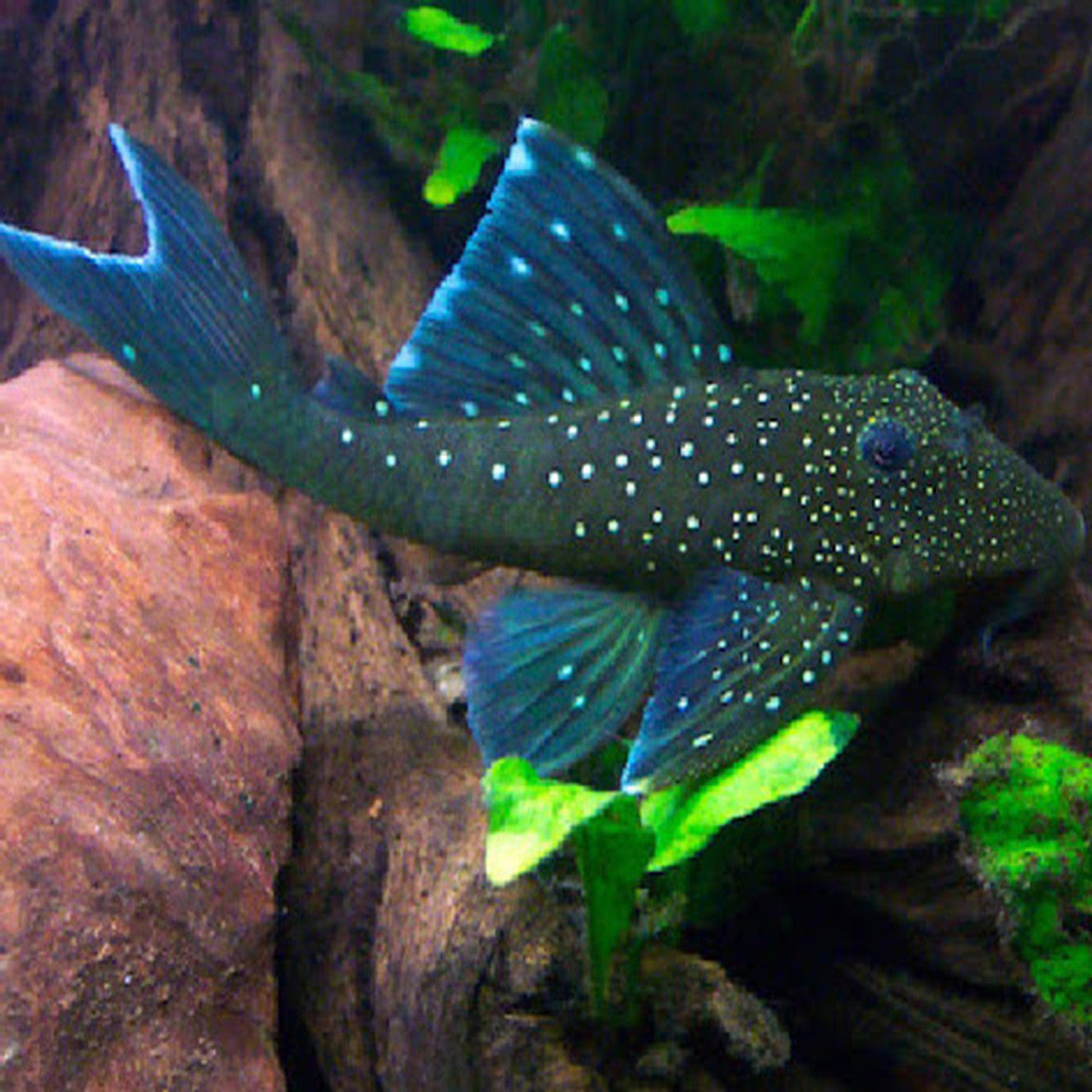
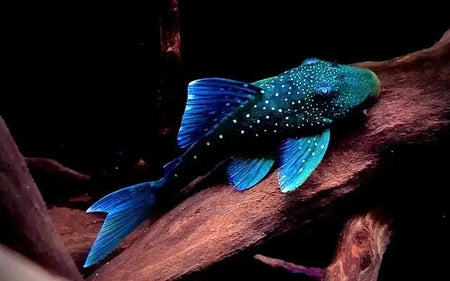
The Blue Phantom Pleco shows a deep, rich blue color. This blue is bright but not shiny. It looks almost like velvet under water. The blue shade can change a little depending on the light. This color makes the fish stand out among others.
Size And Shape
This pleco has a medium size, growing up to 6 inches. It has a flat body with a wide head. Its fins are large and spread out like wings. The shape helps it move easily in the water. It uses its body to cling to tank surfaces.
Patterns And Markings
The Blue Phantom Pleco has subtle patterns on its body. These are usually small dots or spots. They are lighter than the main blue color. The patterns are not too bright but add texture. This detail gives the fish a natural look.
Credit: www.predatoryfins.com
Natural Habitat
The Blue Phantom Pleco thrives in specific natural conditions. Understanding its habitat helps keep it healthy in aquariums. Its home offers clues about water, environment, and geography.
Geographic Location
This fish lives in South America, mainly in the Rio Negro basin. The Rio Negro is a large river with many small streams. These areas have clear, slow-moving water.
Water Conditions
Blue Phantom Plecos prefer soft, slightly acidic water. The temperature stays around 77 to 82 degrees Fahrenheit. The water is clean and well oxygenated.
Environment And Vegetation
The fish hides among rocks and wood in its natural habitat. It loves places with plenty of driftwood and leaf litter. Plants are sparse but provide shade and shelter.
Tank Setup
Setting up the right tank for your Blue Phantom Pleco ensures a healthy and happy fish. This species needs a calm environment with space to explore. Proper tank setup mimics their natural habitat and supports their unique needs.
Tank Size Recommendations
Choose a tank of at least 30 gallons for one Blue Phantom Pleco. These fish grow up to 6 inches long. Bigger tanks provide enough space for swimming and hiding. Avoid small tanks to reduce stress and health issues.
Substrate And Decorations
Use soft sand or fine gravel as the substrate. Blue Phantom Plecos like to dig and search for food. Add driftwood and smooth rocks for hiding spots. Live plants create shelter and improve water quality. Keep decorations safe and avoid sharp edges.
Water Parameters
Maintain water temperature between 75 and 82°F. The pH should stay from 6.5 to 7.5. Keep water clean with regular changes and good filtration. Stable water conditions reduce stress and disease risk. Test water often to ensure ideal conditions.
Diet And Feeding
The Blue Phantom Pleco needs a balanced diet to stay healthy and active. This fish eats mostly plants and some protein. Providing the right food helps it grow strong and show its bright colors. Feeding your Blue Phantom Pleco properly also keeps the aquarium clean.
Preferred Foods
Blue Phantom Plecos like algae and plant matter the most. They enjoy algae wafers made for plecos. Fresh vegetables such as zucchini, cucumber, and spinach are good choices. Small amounts of sinking pellets help provide extra nutrition. Occasionally, they eat protein from bloodworms or brine shrimp.
Feeding Frequency
Feed your Blue Phantom Pleco once or twice a day. Offer small portions to avoid leftover food. Leftover food can dirty the tank and harm water quality. Remove uneaten food after a few hours to keep water clean. Juvenile plecos need more frequent feeding than adults.
Supplements And Treats
Vegetable supplements like blanched peas improve digestion. Calcium-rich foods help build strong bones and teeth. Treats such as frozen bloodworms boost protein intake. Use treats sparingly to avoid diet imbalance. Providing variety keeps your pleco interested and healthy.
Behavior And Temperament
The Blue Phantom Pleco is a fascinating fish with unique behavior and temperament. Understanding its nature helps create a better home in your aquarium. This fish shows calm and steady habits, making it a favorite for many fishkeepers.
Its behavior reveals a balance between activity and rest. It enjoys exploring but also needs quiet spaces. Knowing how it interacts with others is key for a peaceful tank.
Activity Levels
The Blue Phantom Pleco is mostly active during the night. It spends the day hiding under rocks or driftwood. At night, it roams around searching for food. This makes it a great cleaner for the aquarium floor. It moves slowly and gracefully, not rushing its activities.
Social Interactions
This pleco is mostly peaceful and shy. It prefers to stay alone or with very few tank mates. It avoids aggressive fish and crowded spaces. It shows little interest in socializing but tolerates other calm fish nearby. Respecting its space reduces stress and helps it thrive.
Compatibility With Other Fish
The Blue Phantom Pleco lives well with small, peaceful fish. Avoid placing it with large or aggressive species. It coexists best with fish that share similar water needs. Make sure there are plenty of hiding spots for this pleco. This setup keeps the tank calm and balanced for all fish.
Credit: freshwateraquatica.org
Health And Care
The Blue Phantom Pleco is a peaceful and unique fish that requires proper health care. Keeping this fish healthy needs attention to its environment and diet. Clean water and a balanced diet help maintain its strong immune system.
Knowing how to spot problems early can save your fish from serious illness. Understanding common health issues and stress signs helps provide better care. Preventive steps reduce the chance of diseases.
Common Health Issues
Blue Phantom Plecos can suffer from fin rot, caused by bacteria. Poor water quality often leads to this problem. Another issue is ich, a parasite that causes white spots. Stress and weak immune systems increase vulnerability. Overfeeding can cause digestive problems and obesity.
Preventive Measures
Regular water changes keep the tank clean and healthy. Use a good filter to remove waste and toxins. Feed high-quality food with vegetables and protein. Avoid overcrowding the tank to reduce stress. Quarantine new fish before adding them to the tank.
Signs Of Stress
Look for faded colors and loss of appetite. Hiding more than usual can indicate stress. Rapid breathing or gasping at the surface is a warning. Erratic swimming or rubbing against objects shows discomfort. Act fast to find and fix the cause.
Breeding Tips
Breeding Blue Phantom Plecos is a rewarding task for aquarium hobbyists. They have specific needs to breed successfully. Understanding their habits helps increase the chances of spawning. This section covers key tips on breeding conditions, spawning behavior, and raising fry.
Breeding Conditions
Blue Phantom Plecos prefer soft, slightly acidic water. The ideal pH is between 6.0 and 6.5. Keep the temperature steady around 78-82°F (25-28°C). Provide plenty of hiding spots using caves or driftwood. A clean tank with gentle water flow encourages spawning. Change water regularly to maintain quality.
Spawning Behavior
Males guard the eggs inside caves or crevices. They clean the chosen site before the female lays eggs. Females lay 20-50 eggs in one spawn. The male fans the eggs to keep oxygen flowing. Spawning often occurs at night or early morning. Watch for increased activity near caves.
Raising Fry
Fry hatch in about 7-10 days. Remove adults after hatching to protect the fry. Feed the fry finely crushed algae wafers or special fry food. Keep water clean and stable for healthy growth. Fry grow slowly and need time before eating solid foods. Provide small hiding spots to reduce stress.
Common Challenges
The Blue Phantom Pleco is a striking fish that many hobbyists love. It brings life and color to home aquariums. Despite its beauty, caring for this fish comes with challenges. These challenges can affect the fish’s health and tank harmony. Understanding these issues helps create a better environment for the Blue Phantom Pleco.
Aggression Management
Blue Phantom Plecos can be territorial. They may fight with other fish or plecos. Providing enough space reduces fights. Use hiding spots like caves or plants. Keep an eye on signs of stress or injury. Separating aggressive fish may be necessary.
Water Quality Maintenance
Clean water is vital for Blue Phantom Plecos. They need stable water parameters. Regular water changes help maintain cleanliness. Test water for ammonia, nitrites, and nitrates often. Avoid sudden changes in temperature or pH. Proper filtration supports a healthy tank environment.
Dealing With Diseases
Blue Phantom Plecos are prone to common fish diseases. Watch for symptoms like spots, lethargy, or loss of appetite. Quarantine new fish before adding them to the tank. Treat illnesses quickly with appropriate medication. Keep the tank clean to prevent disease outbreaks.
Buying Guide
Buying a Blue Phantom Pleco can be exciting. This guide helps you find the best fish for your tank. It covers where to find them, price range, and how to pick healthy ones.
Knowing these details saves time and ensures a happy, healthy fish in your aquarium.
Where To Find Blue Phantom Plecos
Blue Phantom Plecos are available at many pet stores with aquarium sections. Specialty fish stores often have better selections. Online retailers also sell them, offering wider choices. Check reviews before buying online to ensure quality and trust.
Price Range
The price of Blue Phantom Plecos varies based on size and rarity. Small juveniles usually cost less. Adult or rare color variations are more expensive. Expect to pay between $30 and $70. Prices may change depending on location and seller.
Selecting Healthy Specimens
Choose Blue Phantom Plecos with clear eyes and smooth skin. Look for active fish that swim well. Avoid fish with torn fins or white spots. Healthy fish should respond to movement outside the tank. Ask the seller about the fish’s diet and care history.
How Smart Pets Lover Can Help You with Blue Phantom Pleco
Learning from Your Blue Phantom Pleco Journey
Welcoming a Blue Phantom Pleco into your home is more than just adding a striking fish to your tank—it’s a chance to deepen your understanding of aquatic life and responsible pet care. As you observe its unique behavior and temperament, you’ll gain insights that connect directly to tank setup and health maintenance. For instance, noticing subtle changes in activity can signal water quality issues, encouraging you to refine your tank conditions.
- Track feeding habits to ensure a balanced diet tailored to this species.
- Explore breeding tips as a practical biology lesson and a rewarding challenge.
- Address common challenges like algae management, which teaches patience and problem-solving.
At Smart Pets Lover, we believe that every pet interaction is a story worth learning from. If questions arise, don’t hesitate to reach out to local aquarist communities or trusted resources—building knowledge is a key part of being a confident pet parent.
Frequently Asked Questions
What Is A Blue Phantom Pleco?
The Blue Phantom Pleco is a rare, strikingly blue freshwater fish. It belongs to the Loricariidae family and is popular in aquariums for its vibrant color and peaceful nature.
How Big Does A Blue Phantom Pleco Grow?
Blue Phantom Plecos typically grow up to 6-7 inches (15-18 cm) in length. They require adequate tank space to thrive comfortably.
What Tank Conditions Suit Blue Phantom Plecos?
They prefer tanks with soft, slightly acidic to neutral water. Ideal temperature ranges from 74-80°F (23-27°C), with good filtration and hiding spots.
What Do Blue Phantom Plecos Eat?
Their diet mainly includes algae, sinking pellets, and vegetables like zucchini and cucumber. They are primarily herbivores but may eat some protein.
Conclusion
Blue Phantom Plecos add beauty and calm to any aquarium. They need clean water and a balanced diet to thrive. These fish are peaceful and good for community tanks. Their unique blue color makes them a favorite among hobbyists. Keeping their tank conditions stable helps them stay healthy.
Caring for a Blue Phantom Pleco can be rewarding. Try one if you want a quiet, attractive fish friend. Simple care brings out their best colors and behavior.