Blue Parrot Fish
Have you ever seen a fish that looks like it belongs in a tropical dream? The Blue Parrot Fish is one of the most striking creatures in the ocean, with its bright colors and unique shape.
If you want to know what makes this fish so special, how it lives, and why it’s a favorite among divers and aquarium lovers, you’re in the right place. Keep reading, and you’ll discover fascinating facts that will change the way you see the underwater world forever.
Your curiosity is about to dive deep into a vibrant sea of wonder.
Appearance And Features
The Blue Parrot Fish stands out in the ocean with its unique look. Its features make it easy to spot and recognize. These traits help it survive and thrive in coral reefs.
Color And Size
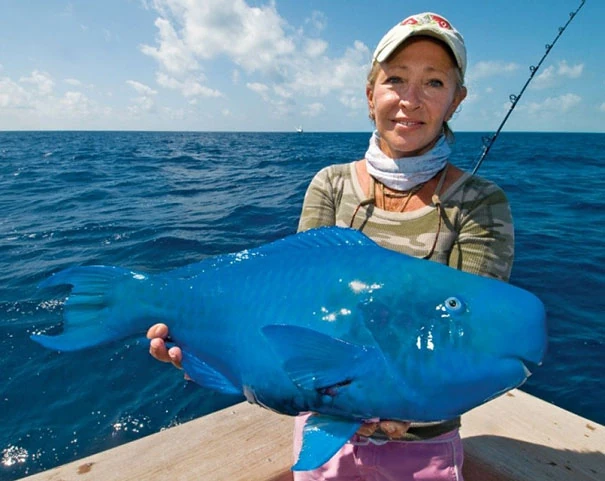
The Blue Parrot Fish has a bright blue body that shines underwater. Some parts show hints of green or turquoise. It grows up to 20 inches long, making it a medium-sized fish. Its vibrant color helps it blend with the reef environment.
Distinctive Beak Shape
This fish has a strong, parrot-like beak. The beak is made of fused teeth that form a sharp edge. It uses this beak to scrape algae and small animals from rocks. The shape is unique and important for feeding.
Scale Texture
The scales of the Blue Parrot Fish are smooth and tightly packed. They give the fish a sleek look and help it move easily through water. The scales also protect the fish from predators and rough surfaces in the reef.
Habitat And Distribution
The Blue Parrot Fish is known for its bright blue color and unique shape. Its habitat and distribution show where it lives and how it thrives. Understanding these areas helps us learn more about its life and role in the ocean.
Preferred Environments
Blue Parrot Fish prefers warm, shallow waters. It lives mostly near coral reefs. These reefs offer plenty of food and shelter. The fish likes places with lots of rocks and crevices. It uses these spots to hide from predators. Clear water with good sunlight is important. This helps coral grow, which supports the fish’s habitat.
Geographic Range
This fish is mostly found in the Caribbean Sea. It also lives around the coasts of Florida and the Gulf of Mexico. Some Blue Parrot Fish can be found near parts of Central America. Its range does not extend much beyond these tropical waters. The stable warm temperature of these areas suits the fish well. It rarely moves far from its home reefs.
Diet And Feeding Habits
The Blue Parrot Fish has unique diet and feeding habits. Understanding these helps in caring for them properly. Their eating patterns support their bright colors and active nature. They mostly eat small animals and plants found in coral reefs.
This fish plays a key role in the ocean by controlling algae growth. Their diet helps keep reefs healthy and balanced. Knowing what they eat can also help aquarium owners provide the best care.
Common Food Sources
Blue Parrot Fish eat algae, small crustaceans, and tiny animals. They scrape algae off rocks and coral with their strong beak-like teeth. Small crabs, shrimp, and plankton also form part of their diet. They prefer fresh, natural food found in their reef habitat.
In captivity, they accept pellets, flakes, and frozen food. Algae wafers and vegetable matter keep them healthy. Feeding a varied diet mimics their natural eating habits.
Feeding Behavior
These fish feed mostly during the day. They swim actively while searching for food. Their strong jaws help break down tough coral and shells. Blue Parrot Fish feed alone or in small groups.
They use their beak to scrape and bite food from surfaces. This behavior also helps clean the reef. Their feeding keeps algae levels low, benefiting other marine life.
Behavior And Social Structure
The behavior and social structure of the Blue Parrot Fish reveal fascinating insights into their lives underwater. These fish are known for their vibrant colors and lively interactions. Understanding how they behave and organize themselves helps us appreciate their role in the reef ecosystem.
Schooling Patterns
Blue Parrot Fish often swim in groups called schools. These schools provide safety from predators by confusing them. The fish move together in sync, making quick turns and changes. Schools usually consist of fish of similar size and age. This pattern helps them find food efficiently and avoid dangers. Young Blue Parrot Fish tend to form smaller schools, while adults join larger groups.
Territoriality
Blue Parrot Fish show strong territorial behavior, especially males. They defend specific areas on the reef from other fish. These territories often include valuable food sources and breeding spots. Males will chase away intruders using swift movements and displays. Territories vary in size depending on the reef’s environment. This behavior ensures access to resources and helps maintain social order within the group.
Reproduction And Lifespan
The Blue Parrot Fish has a fascinating reproduction cycle and a unique lifespan. Understanding these aspects reveals how this vibrant fish thrives in its natural habitat. Their life journey from eggs to adults shows nature’s delicate balance.
Spawning Process
Blue Parrot Fish spawn during warm months. Males perform colorful displays to attract females. They release eggs and sperm into the water simultaneously. Fertilized eggs float freely in the ocean currents. This method helps spread the eggs over a wide area. Many eggs do not survive, but enough hatch to maintain the population.
Growth Stages
After hatching, larvae drift with the currents. They feed on tiny plankton and grow quickly. Juvenile Blue Parrot Fish start to develop their bright blue color. As they mature, their beak-like teeth become stronger. Adults reach full size within one year. The typical lifespan of a Blue Parrot Fish is about 10 years in the wild.
Credit: www.reddit.com
Role In The Ecosystem
The blue parrot fish plays an important role in ocean ecosystems. It helps keep coral reefs healthy and balanced. This fish supports many other sea creatures. Its actions affect the growth of plants and the shape of the reef.
Understanding the blue parrot fish’s role helps us protect coral reefs. These reefs are vital for marine life and human communities. The blue parrot fish acts as a cleaner and gardener of the reef. It helps maintain the reef’s structure and health.
Coral Reef Maintenance
Blue parrot fish eat dead coral and algae from the reef. This cleaning stops harmful overgrowth on live coral. Their feeding creates space for new coral to grow. They also produce sand by grinding coral pieces. This sand forms beaches and helps reef stability. The fish’s constant grazing shapes the reef’s surface. It helps coral reefs stay strong and vibrant.
Impact On Algae Growth
Algae can grow quickly and cover coral reefs. Too much algae blocks sunlight from reaching coral. Blue parrot fish eat algae and keep its growth in check. This balance stops algae from taking over the reef. Their eating habits protect coral from being smothered. Healthy coral means more shelter and food for fish. Blue parrot fish help maintain this delicate balance underwater.
Threats And Conservation
The Blue Parrot Fish faces several threats that affect its survival. These threats come from nature and human activities. Conservation efforts aim to protect this vibrant fish and its habitat.
Natural Predators
Blue Parrot Fish have natural enemies in the ocean. Larger fish like groupers and sharks hunt them. These predators help keep the fish population balanced. Still, too many predators can reduce their numbers quickly.
Human Impact
Human actions have a big effect on Blue Parrot Fish. Overfishing lowers their population fast. Many are caught for food or the aquarium trade. Pollution harms coral reefs where they live. Habitat destruction also makes survival harder for these fish.
Protection Efforts
Many groups work to save Blue Parrot Fish. Marine protected areas limit fishing and protect reefs. Rules control fishing seasons and catch limits. Education helps people understand why these fish need help. These actions aim to keep Blue Parrot Fish safe for the future.
Credit: animals.fandom.com
Care In Aquariums
Blue Parrot Fish are popular in home aquariums due to their bright colors and unique shape. Caring for them properly ensures they stay healthy and active. Understanding their needs helps create a comfortable environment for these fish.
Tank Requirements
A tank of at least 30 gallons suits Blue Parrot Fish well. They need plenty of swimming space and hiding spots. Use smooth gravel and add rocks or plants for shelter. Keep water temperature between 76°F and 80°F. Maintain pH levels from 6.5 to 7.4 for best health.
Compatibility With Other Fish
Blue Parrot Fish are mostly peaceful but can be shy. Avoid aggressive tank mates that may stress them. Good companions include peaceful cichlids and larger tetras. Avoid small fish that may become targets. Watch for signs of stress or bullying regularly.
Feeding Tips
Feed a mix of high-quality pellets and flakes daily. Include frozen or live foods like bloodworms and brine shrimp. Feed small amounts two to three times each day. Remove uneaten food to keep the tank clean. Balanced nutrition supports their vibrant color and growth.

Credit: eshalabs.com
How Smart Pets Lover Can Help You with Blue Parrot Fish
Learning from the Blue Parrot Fish: A Window into Responsible Aquarium Care
Bringing a Blue Parrot Fish into your home aquarium offers more than just vibrant colors—it’s a practical lesson in understanding aquatic behavior and ecosystem balance. Observing their unique features and social structure can teach us how important it is to create a habitat that mimics their natural environment, promoting their well-being.
Paying attention to their diet and feeding habits helps build a routine that supports their health, while also highlighting the delicate role they play in the ecosystem. These insights encourage us to be thoughtful caretakers, appreciating the commitment behind maintaining such an intriguing species.
- Research their specific water conditions and diet needs carefully.
- Note their social tendencies to avoid stress and encourage natural behavior.
- Monitor their health regularly to ensure a long lifespan.
At Smart Pets Lover, where every wag, purr, and chirp tells a story, we believe that informed pet parenting starts with curiosity and respect. If you ever want to dive deeper into Blue Parrot Fish care or need trusted advice, reaching out to local aquatic experts or visiting reliable forums can be invaluable. Remember, nurturing these colorful companions enriches both your life and theirs.
Frequently Asked Questions
What Does A Blue Parrot Fish Eat?
Blue Parrot Fish primarily feed on algae, sponges, and small invertebrates. They use their beak-like teeth to scrape food off coral and rocks. This diet helps keep coral reefs clean and healthy.
How Big Do Blue Parrot Fish Grow?
Blue Parrot Fish can grow up to 12 inches (30 cm) in length. Their size varies depending on their habitat and diet. They are considered medium-sized reef fish.
Where Are Blue Parrot Fish Commonly Found?
Blue Parrot Fish are commonly found in tropical and subtropical coral reefs. They inhabit the western Atlantic Ocean, especially around the Caribbean Sea and Florida Keys. They prefer shallow waters near reefs.
Are Blue Parrot Fish Good For Home Aquariums?
Yes, Blue Parrot Fish are popular in home aquariums due to their bright color. However, they require a large tank with plenty of hiding places. Proper water conditions and diet are essential for their health.
Conclusion
Blue parrot fish are colorful and interesting sea creatures. They live in warm oceans and help keep coral reefs healthy. Their bright blue color makes them easy to spot. Many people enjoy watching these fish while snorkeling or diving. Learning about blue parrot fish can make ocean life more exciting.
Protecting their home is important for a healthy ocean. These fish remind us how diverse and beautiful marine life can be. Keep exploring and appreciating the wonders beneath the waves.